



Regency Covered Urns
Regency covered urns bring classical proportion and rich surface decoration into a room, serving as striking focal points on sideboards and consoles.
Regency Covered Urns
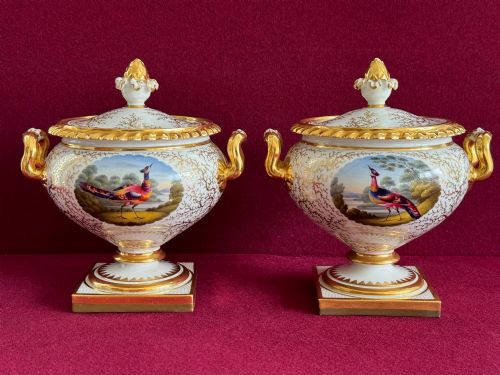
When you search for regency covered urns, you encounter vessels produced across the late Georgian, Regency, and William IV eras, capturing the formal elegance of the early nineteenth century. The selection on this page ranges from robust ironstone pot pourri jars and porcelain vases to painted metal toleware and turned fruitwood lidded cups.
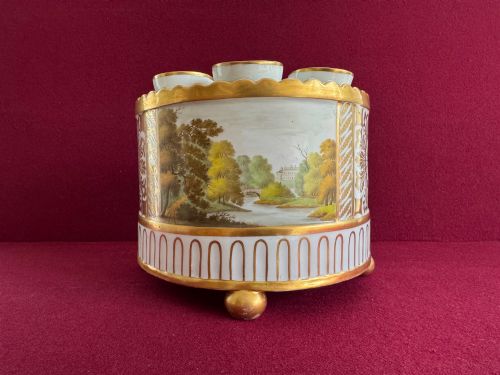
Makers of the period adapted classical architectural shapes into decorative vessels for domestic interiors, often employing styles that draw on Empire and Chinoiserie influences. You find forms designed for display alongside functional tableware such as sauce tureens and bough pots fitted with lids.
The materials span resilient ceramic bodies and earthenware alongside bronze and toleware, reflecting the diverse manufacturing centres operating around eighteen hundred and the decades following. These pieces demonstrate how British and Continental workshops reinterpreted antique forms for Regency parlours.
Materials and Methods
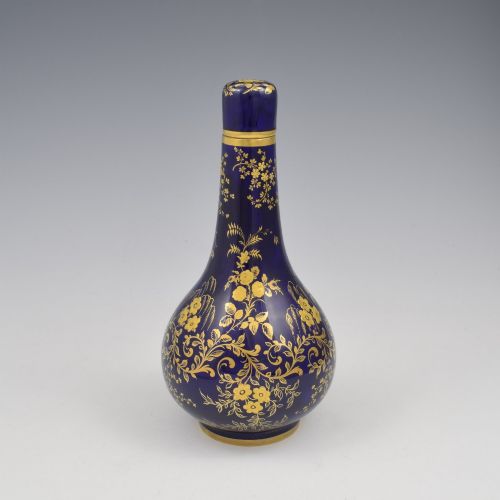
Potters shaped ironstone and porcelain bodies on wheels or in moulds before applying rich cobalt blues, Imari palettes, and enamel details. Artisans then enhanced these ceramic surfaces with hand-applied gilding and gold leaf.
Metalworkers fabricated toleware and bronze urns, treating iron and brass substrates with painted finishes and patination to mimic classical antiquity. Wood turners shaped dense fruitwood into lidded vessels and pomanders, finishing the timber with smooth polish.
Regency Covered Urns Retail Price Guide 2026
Typical asking prices for regency covered urns among the pieces listed under this phrase on Sellingantiques today, from the lower quarter to the upper quarter. They describe what is for sale here now, not the wider market.
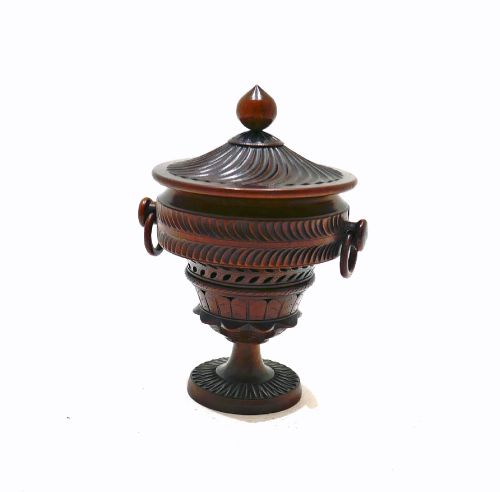
One early fruitwood pomander vessel doubles as a lidded cup for holding historic scents.
Assessing Quality
Quality rests in the crispness of the moulding and the skill of the hand-painting, where finely executed cobalt grounds and precise gilding distinguish superior factory output from simpler utilitarian wares. The weight and balance of the vessel, alongside the precise fit of the lid and cover, indicate the care taken during production.
Preservation of the original surface finish, whether enamel, paint on metal, or gold leaf, determines the visual impact of the piece. Well-maintained ironstone bodies and intact bronze patination retain the depth of colour intended by the original maker.
Derby Porcelain·Chamberlain Worcester·Masons Ironstone·Spode·Flight Barr And Barr
The Regency Covered Urns Glossary
- Toleware
- Painted or lacquered sheet metal, typically iron or steel, used to create decorative urns and chestnut vessels in the Regency period. This technique allowed makers to achieve rich surface colours without using expensive ceramics.
- Ironstone
- A heavy, durable type of earthenware patented in the early nineteenth century by British potteries. It provided a robust substitute for porcelain and took cobalt blue transfers and Imari patterns exceptionally well.
- Pot Pourri
- A vessel designed with a pierced or lidded top to hold dried flowers and spices for scenting a room. These containers often feature elaborate handles and painted panels.
- Bough Pot
- A ceramic container equipped with a lidded and perforated top intended for holding cut branches and flowers in a hearth or room during warmer months. They frequently date from the Georgian and Regency eras.
- Imari
- A decorative style inspired by Japanese export ceramics, featuring deep cobalt blue, iron red, and abundant gilding. British factories adopted this palette extensively on porcelain and ironstone vessels.
Regency Covered Urns: Frequently Asked Questions
What were covered urns used for originally?
These vessels served primarily as decorative ornaments on mantlepieces, sideboards, and pier tables within formal Regency rooms. Some variations, such as pot pourri jars, held scented botanicals to freshen the air in domestic spaces.
Other forms functioned as part of grand dining services or served specific seasonal purposes like holding cut flowers and boughs. Their substantial presence reflected the neoclassical taste of the era.
How do I identify a Regency period urn?
Look for classical architectural proportions influenced by Greek and Roman antiquity, combined with the distinctive decorative motifs of the early nineteenth century. Characteristic details include classical bronze mounts, Empire styling, and Chinoiserie patterns.
Examine the materials, which typically include early ironstone, painted toleware, or porcelain from prominent British factories operating around eighteen hundred to eighteen thirty. The combination of these forms and bodies places the vessel firmly in the period.
Are ironstone urns durable?
Ironstone is an exceptionally hard and dense earthenware developed to withstand heavy domestic use while mimicking porcelain. This robust ceramic body resists chipping better than soft-paste porcelain.
While the body itself is strong, delicate elements such as applied handles, finials, and surface gilding require careful handling during cleaning and relocation.