




Regency Country Sports Picture
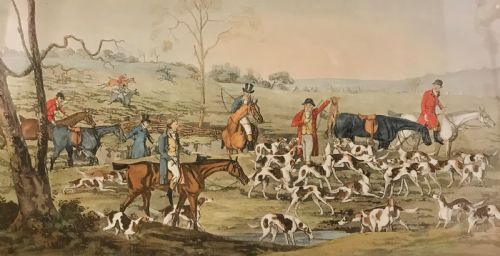
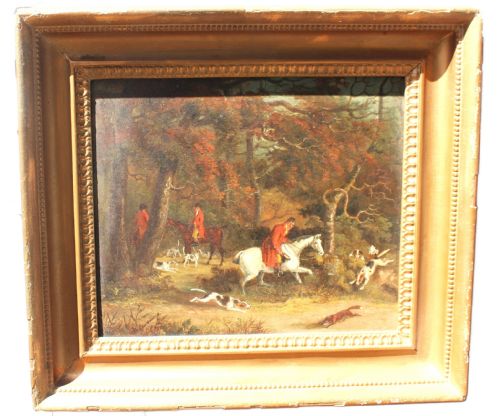
A regency country sports picture captures the grit and speed of the British field, from thundering hounds to quiet woodland shoots.
Regency Country Sports Picture
A regency country sports picture brings the pursuits of the nineteenth-century field directly onto the wall, spanning framed oil paintings on canvas and wood alongside published prints and engravings. The selection ranges from intimate studies of hound dogs and individual horses to lively coaching scenes and multi-part sets depicting shooting and the chase.
Most examples date from the Regency and Georgian periods or the broader nineteenth century, reflecting an era deeply invested in equestrian and sporting art. Buyers encounter both original oil paintings and period prints after notable artists, capturing the social and rural landscapes of early Britain.
How they were made
Artists worked primarily with oil paint on stretched canvas or small wood panels, building rich depictions of horses, hounds, and riders in open terrain. Watercolours and ink on paper were also common, often serving as the basis for detailed engravings and lithographs.
Prints and engravings relied on skilled plate-making and publishing houses to reproduce popular sporting compositions for a wider audience. Many works retain their period framing, protecting fragile paper and canvas behind glass.
Listings span the 19th Century, Regency, and Georgian periods, utilising oil paint, watercolour, and ink on paper, canvas, and wood.
What varies in quality
Quality rests on the precision of the draughtsmanship and the artist's ability to render the anatomy and energy of animals in motion. Works attributed to known painters or published by established houses show superior handling of light, landscape, and detail compared to anonymous decorative copies.
The survival of the original medium also dictates distinction, as untouched oil paint on canvas and crisp, well-preserved ink lines on early paper hold greater artistic presence than faded or heavily restored surfaces.
Samuel Raven·Clifton Tomson·H. Alken·Samuel John Egbert Jones·Dean Wolstenholme
The Regency Country Sports Picture Glossary
- Lithograph
- A print made from a drawing on limestone or metal plate. This technique allowed for the faithful reproduction of tonal drawings and watercolours.
- Engraving
- An image incised into a metal plate with a sharp tool to hold ink. It produces sharp, precise lines that define early sporting prints.
- Panel
- A flat piece of wood used as a rigid support for oil paintings. Wood panels were frequently utilised before canvas became dominant.
- Provenance
- The documented history of ownership of a work of art. A clear lineage adds historical weight to a sporting painting.
Regency Country Sports Picture: Frequently Asked Questions
What subjects appear in these pictures?
The works depict traditional British field sports, including fox hunting, rabbit shooting, and horse portraits in open country landscapes. Coaching scenes with mail carriages and horses also feature prominently.
These subjects reflect the rural interests and sporting culture of the Georgian and Regency periods.
Are these paintings original or prints?
The selection includes both unique handmade works and printed reproductions. Original oil paintings on canvas and wood sit alongside copperplate engravings and nineteenth-century lithographs.
Listings specify the medium, distinguishing hand-painted oils and watercolours from published prints and sets.
How do I date a sporting picture?
Dating relies on the costume of the figures, the style of the framing, and publication dates recorded on prints. Reference to active periods of artists and publishers provides a reliable timeframe.
Many pieces carry specific markers, such as a publication year from the early nineteenth century.
How should I hang sporting art?
These works suit traditional study walls, libraries, and living spaces alongside wood furniture and leather upholstery. Grouping pairs or sets, such as hunting engravings, creates a balanced display.
Direct sunlight should be avoided to protect oil paint and paper from fading over time.