



Regency Clock
A regency clock brings the precision of nineteenth-century horology into a room, offering brass inlay, rich mahogany cases and steady mechanical movements.
Regency Clock
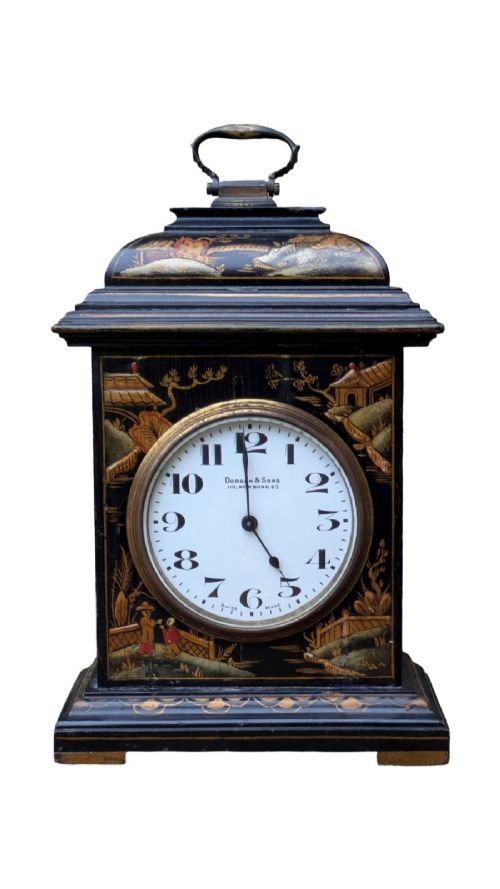
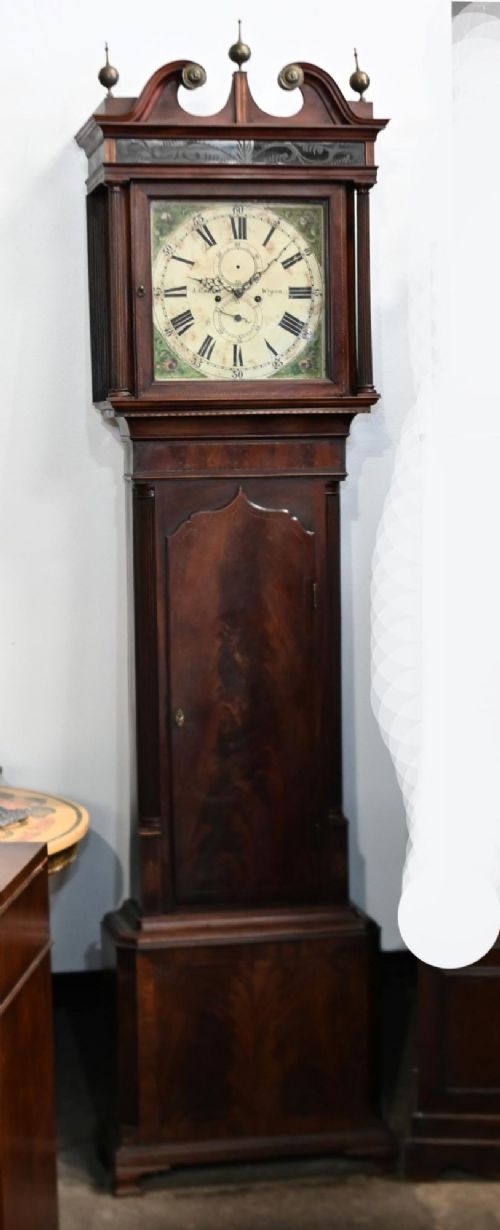
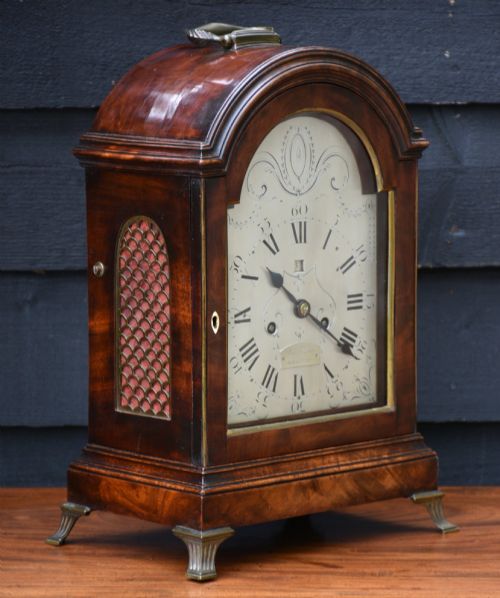
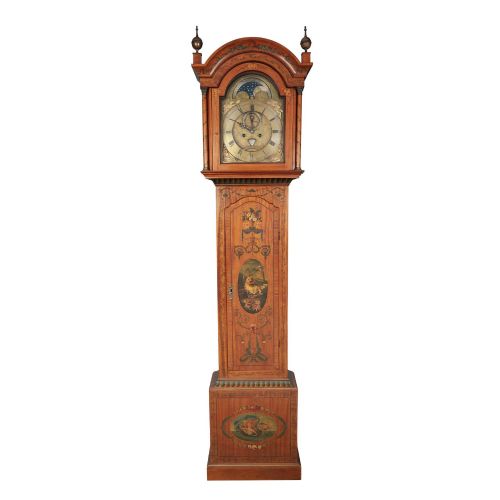
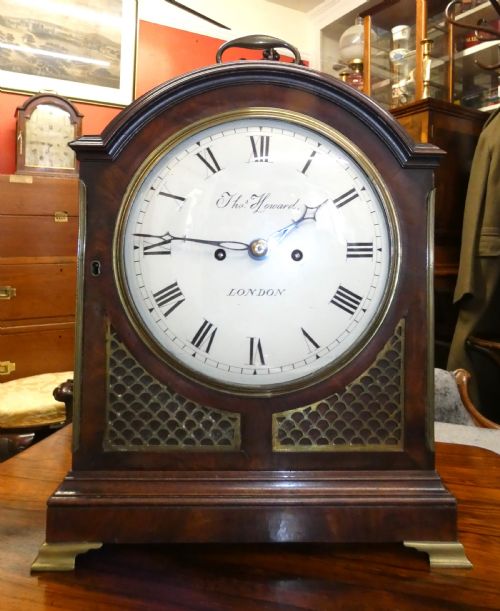
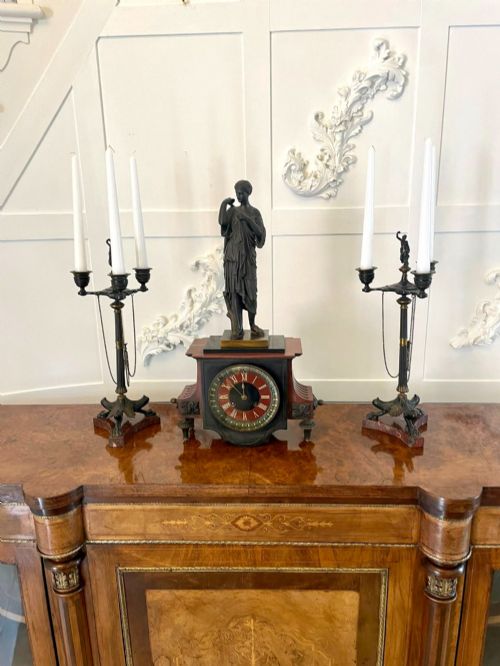
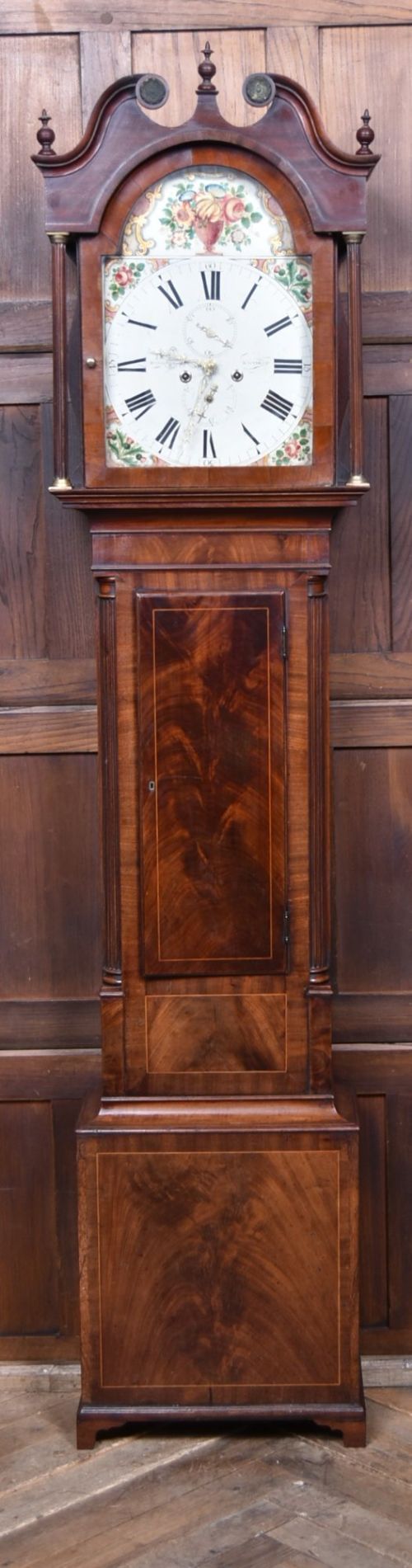
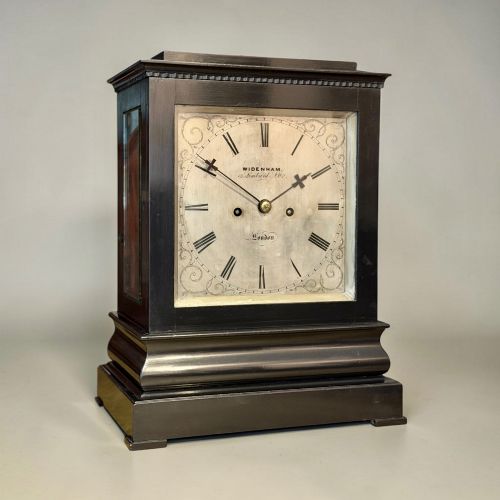
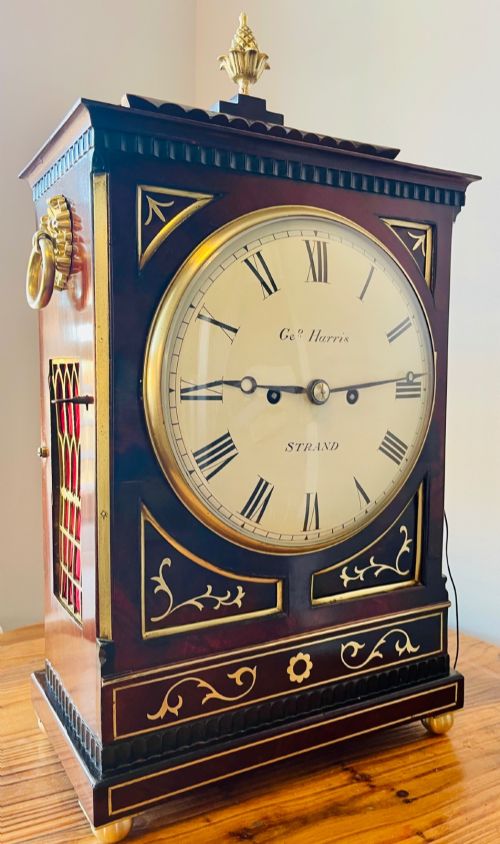
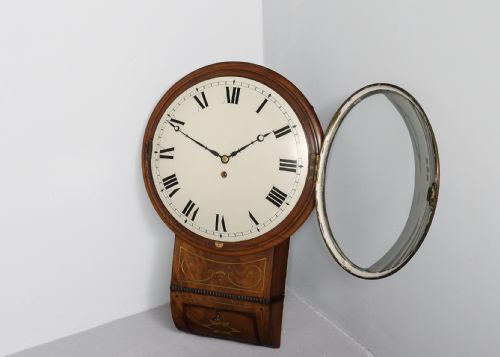
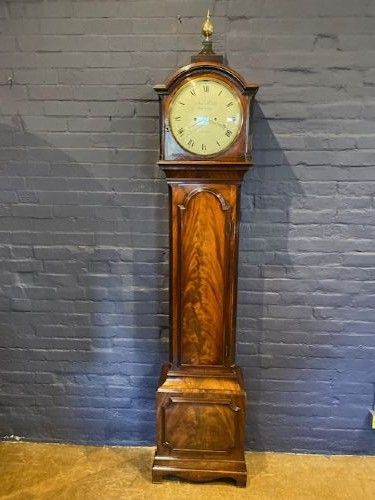
A regency clock encompasses timepieces produced during the early nineteenth century alongside Georgian and Victorian interpretations of the style. The selection includes tall longcase clocks for hallways, compact bracket clocks for tables and wall-mounted dial clocks.
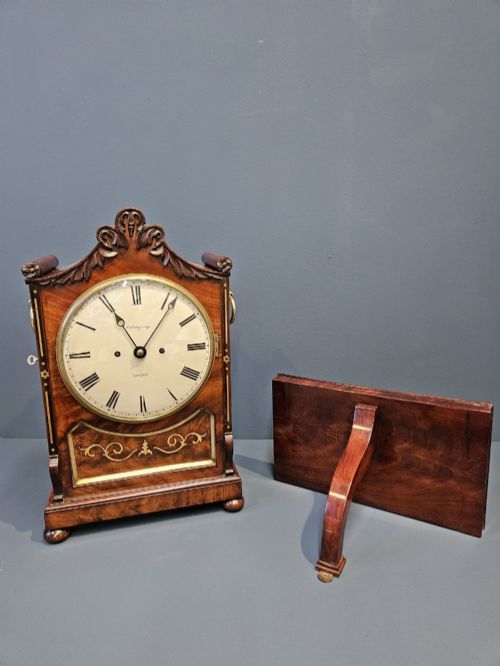
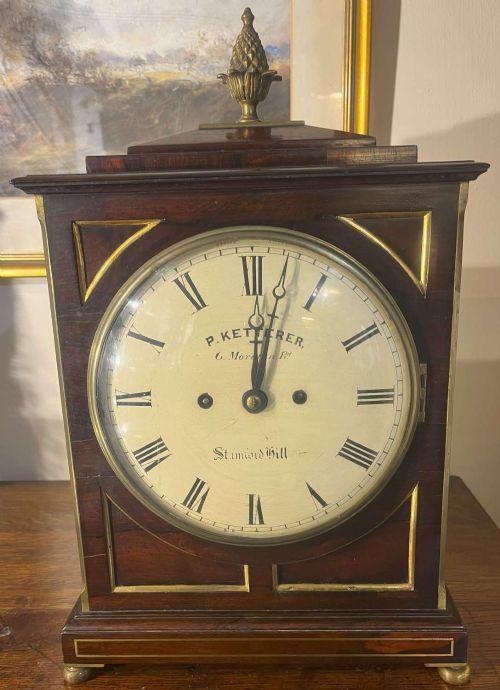
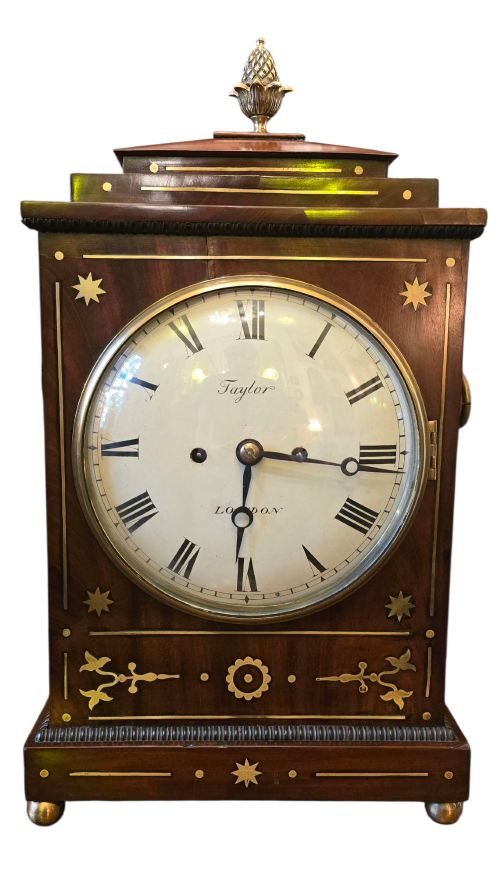
Mahogany forms the primary housing for these mechanisms, often enriched with brass inlay or ebony details. Dial variations range from painted enamel faces to wooden convex designs and silvered metal chapters.
Makers working in London and Scottish towns produced these pieces using precise fusee movements and eight-day gear trains. Buyers frequently encounter bracket clocks and drumhead longcase examples bearing regional signatures.
How they were made
Cabinetmakers utilised solid mahogany, rosewood and oak to build the cases, often selecting flame veneers and satinwood for visual depth. Brass inlay, gilt bronze mounts and ebonised wood details decorated the exterior surfaces of bracket and mantel pieces.
Clockmakers constructed the mechanical interiors using brass wheels, steel pinions and spring-driven or weight-driven fusee movements to regulate the time accurately. Enamel, painted iron and silvered metal provided the clean surfaces necessary for clear dial reading.
Regency Clock Retail Price Guide 2026
Typical asking prices for regency clock among the pieces listed under this phrase on Sellingantiques today, from the lower quarter to the upper quarter. They describe what is for sale here now, not the wider market.
Early clockmakers clearly enjoyed a challenge, occasionally hiding tiny signature plaques where only a very determined spider could read them.
What varies in quality
The refinement of the cabinetwork and the execution of the brass inlay distinguish standard production from superior examples. Finely figured timbers and crisp architectural mouldings indicate a higher grade of workshop construction.
The complexity and reputation of the clockmaker inscribed on the dial or movement backplate influence the standing of the piece. Cleanly cut gear trains and original finishing components maintain the integrity of the mechanism.
Taylor of London·Thomas Howard·Hendrie Ogg·Thomson of London·Widenham of London·James McCabe·Handley & Moore·Samuel Kellett·Desbois and Wheeler·George Orpwood
The Regency Clock Glossary
- Fusee
- A conical pulley used in mechanical clocks to maintain an even pull on the gear train as the mainspring unwinds. This mechanism ensures consistent timekeeping across the duration of the wind.
- Bracket clock
- A portable tabletop or shelf timepiece originally designed to sit on a dedicated wall bracket. These units often feature swinging handles and glazed side panels.
- Longcase clock
- A tall floor-standing timepiece housing a pendulum and weights within a vertical wooden trunk. Also known as a grandfather clock, these objects frequently display painted moonphase dials.
- Drop-dial clock
- A wall-mounted timepiece featuring a circular dial above a short, glazed wooden trunk that protects the pendulum. This form became popular in public spaces and domestic halls.
- Moonphase
- A rotating mechanism behind the dial that tracks the lunar cycle through painted representations of the moon. It appears on sophisticated longcase clocks from the period.
Regency Clock: Frequently Asked Questions
Where should a bracket clock sit?
Place a bracket clock on a sturdy mantelpiece, sideboard or dedicated wall shelf where vibrations remain minimal. Stable surfaces protect the delicate pendulum suspension and ensure the escapement beats evenly.
Keep the timber away from direct heat sources and strong sunlight to preserve the polished mahogany and prevent the veneer from drying out.
How do fusee movements work?
A fusee movement uses a conical drum connected to the mainspring by a fine chain or cord. As the spring unwinds and loses tension, the chain moves to a wider part of the cone, maintaining constant torque on the gear train.
This clever mechanical arrangement ensures the clock maintains steady timekeeping from the moment it is fully wound until the final hours before the next wind.
How do I identify a Scottish longcase clock?
Scottish longcases often feature distinct regional cabinet proportions, painted satinwood details and local signatures inscribed directly onto the dial face. Dial designs frequently incorporate moonphase mechanisms or local town names.
The timber selection often includes native oak or figured mahogany chosen by regional makers working outside the London workshops.