




Regency Classical Decorative Vase
These regency classical decorative vase examples bring heavy bronze, toleware and gleaming ormolu straight into a room, offering grand architectural form.
Regency Classical Decorative Vase
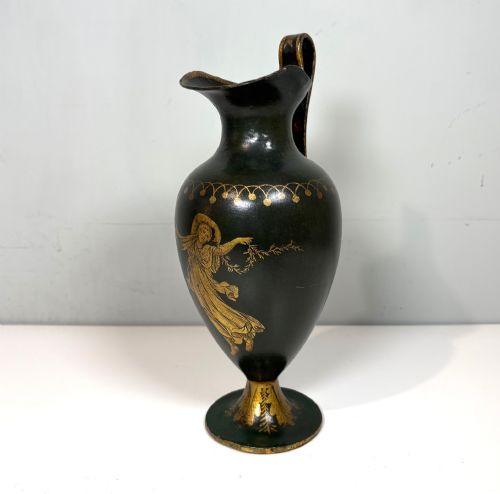
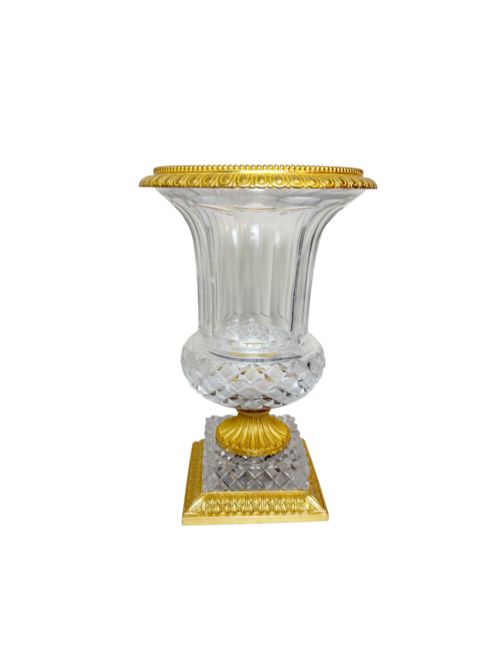
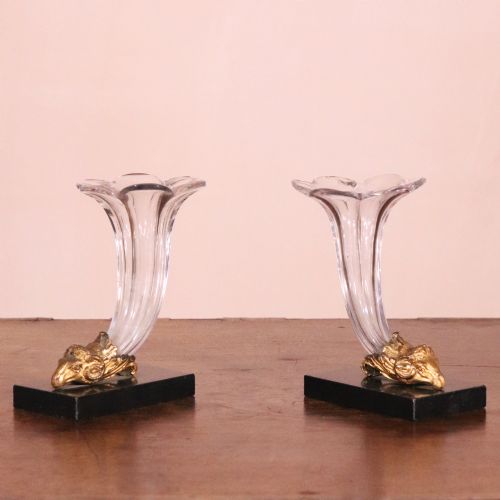
A regency classical decorative vase draws heavily on ancient architectural forms, appearing in shapes like urns, ewers, and cornucopias. The selection brings together 19th Century and Victorian interpretations with distinct antique character.
Buyers encounter materials such as gilt bronze, ormolu, marble, and toleware across these listings. Forms range from simple flat-back urns to elaborate pairs set on marble plinths.
The aesthetic leans firmly into Neoclassical, French Empire, and Grand Regency styles. Many pieces utilise traditional motifs like acanthus leaves to anchor their classical lineage.
How they were made
Foundry work dominates these pieces, utilising cast bronze and ormolu combined with fine metalwork details. Artisans shaped sheet iron into toleware vessels before applying durable paint finishes.
Stone and mineral components feature prominently, with marble plinths and porphyry providing heavy structural bases for metal bodies. Gilding and gold leaf accent the cast ornament.
Glass and crystal elements appear alongside metal mounts, secured with traditional pins and collars. Japanned pewter and painted finishes show historical surface techniques.
Regency Classical Decorative Vase Retail Price Guide 2026
Typical asking prices for regency classical decorative vase among the pieces listed under this phrase on Sellingantiques today, from the lower quarter to the upper quarter. They describe what is for sale here now, not the wider market.
Listings feature materials spanning gilt bronze, painted toleware, heavy marble, and crystal across the 19th Century and Victorian eras.
What varies in quality
The crispness of the cast ornament separates standard foundry work from superior production. Sharp definition in acanthus leaves and classical figures marks the better examples.
Material combination dictates the overall presence of the object, particularly the choice between solid marble bases and simpler supports. Weight and material density play a direct role in the stature of each vessel.
The Regency Classical Decorative Vase Glossary
- Ormolu
- Gilt bronze, where a finely ground high-carat gold mercury amalgam is applied to a bronze object. This technique produces a rich, warm surface finish characteristic of the period.
- Toleware
- Lacquered or enamelled metalware, typically sheet iron, painted by hand. It serves as a durable material for decorative urns and ewers.
- Porphyry
- An igneous rock with large crystals, valued for its deep purple or red colour. It appears in high-end decorative vessels and architectural ornaments.
- Ewer
- A large pitcher with a wide spout and a curved handle, modelled on classical vessels. These often serve a purely decorative function in interior spaces.
- Cornucopia
- A horn-shaped container symbolising abundance, filled with fruit and flowers in classical iconography. In metalwork, it translates into distinctive curved decorative objects.
Regency Classical Decorative Vase: Frequently Asked Questions
What is a regency classical decorative vase used for?
These pieces function primarily as decorative focal points on mantelpieces, pedestals, or side tables. They bring height and architectural weight to interior spaces without needing to hold floral arrangements.
Some variations, such as table lamps, adapt the classical form for direct illumination while retaining the original decorative silhouette.
How do I identify a Regency period piece?
Regency items typically draw on strict archaeological precedents from ancient Greece and Rome. Look for restrained classical proportions combined with specific materials like ormolu and patinated bronze.
Evidence from the early 19th century shows a preference for severe classical lines, distinct from later Victorian revivals.
Are these pieces sold as pairs?
Many listings feature matching pairs designed to sit symmetrically on either side of a fireplace or central mirror. Single vessels also appear, often intended as standalone centrepieces.
Pairs generally command stronger interest due to their decorative utility in formal room layouts.
How do I care for bronze and ormolu?
Dust metal surfaces gently with a soft, dry brush to prevent the accumulation of dirt in recessed cast details. Avoid harsh chemical cleaners that can strip historical patination or damage delicate gilding.
Stable indoor humidity helps preserve organic elements like marble and painted toleware finishes.