




Antique Metal Water Jug
These heavy, utilitarian carriers come in hammered copper, patinated bronze and solid pewter, ready to serve as both functional vessels and striking decorative centrepieces.
Antique Metal Water Jug
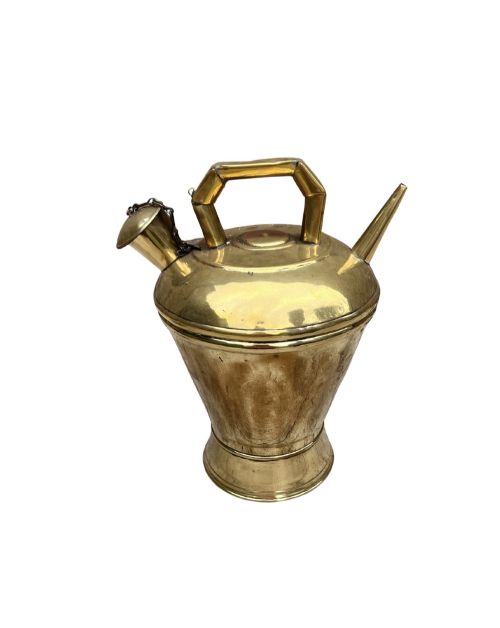
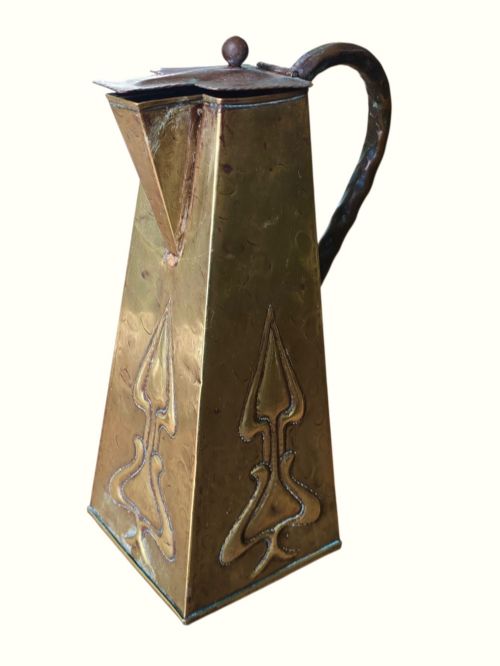
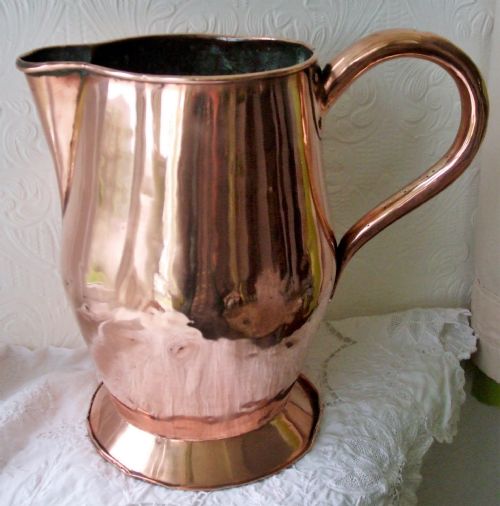
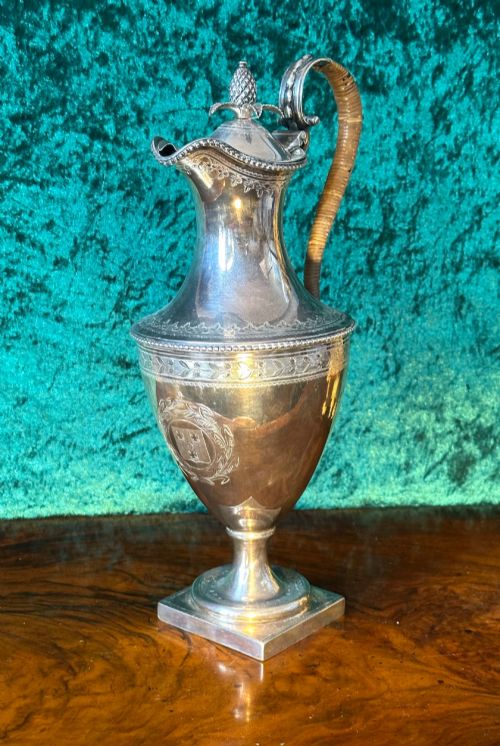
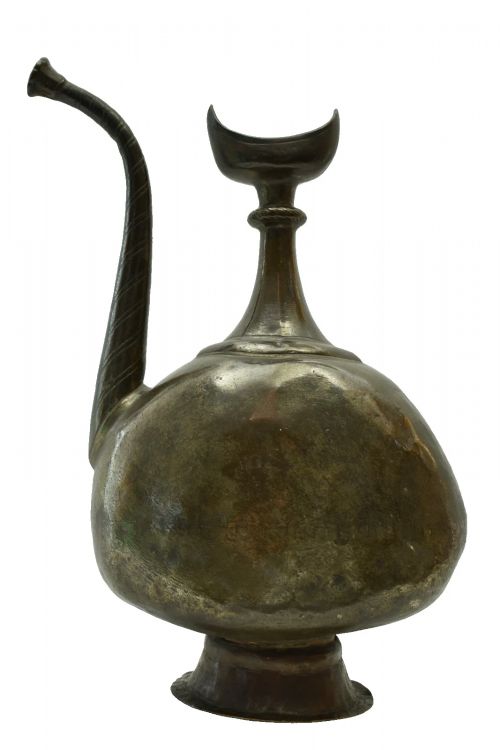
An antique metal water jug is a historic pouring vessel designed to hold, transport and serve liquids in domestic and ceremonial settings. The selection on this page ranges from utilitarian Georgian and Victorian copper storage vessels to elaborate Art Nouveau ewers and Middle Eastern bronze aftabas.
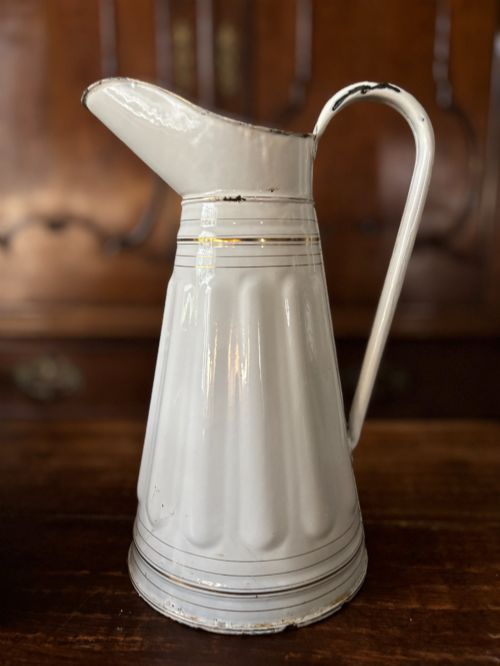
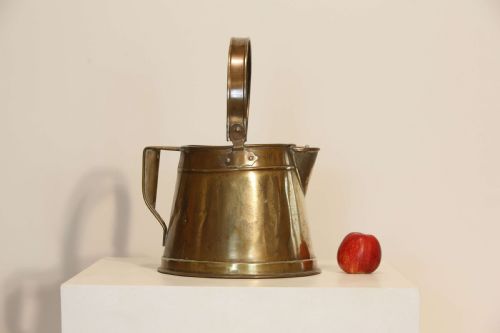
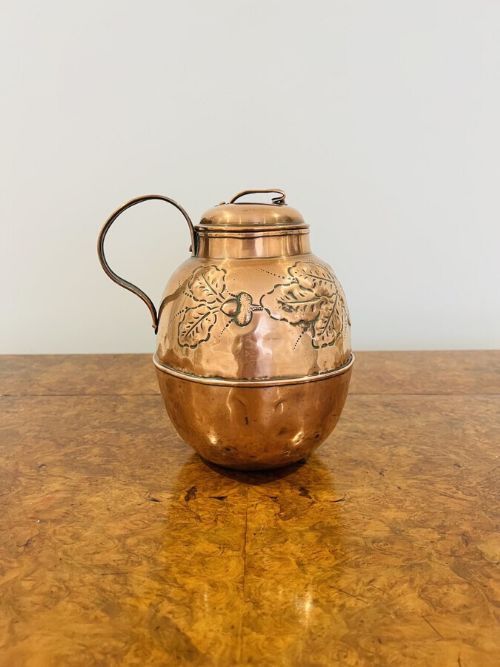
Buyers will frequently encounter heavy copper flagons, Jersey cans and lidded pitchers alongside pewter tavern jugs and brass hot water cans. Regional variations span English utility pieces, French enamelware, Swiss biberon drinking vessels and Persian inlaid bronze work.
These items were originally utilised for household chores, table service and personal hygiene before transitioning into decorative display objects. Their robust construction allows them to endure centuries of use while retaining their sculptural form.
How they were made
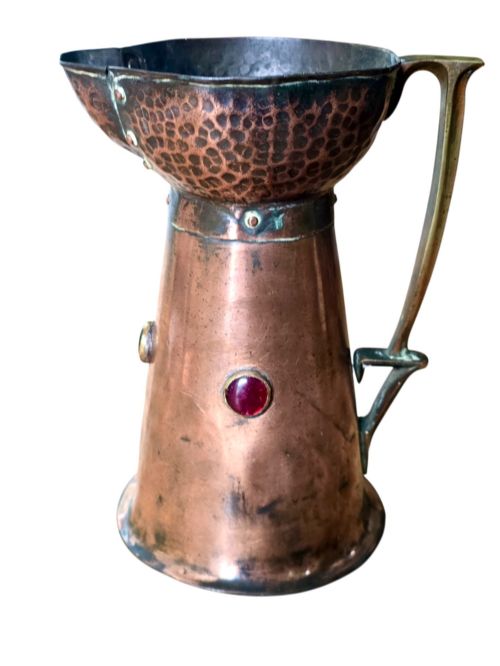
Metalsmiths hammered, spun and cast copper, brass, bronze and pewter to shape these vessels, often joining seams with visible rivets or hard soldering. Many copper and brass examples display hand-hammered surfaces bearing the distinct marks of the artisan's mallet.
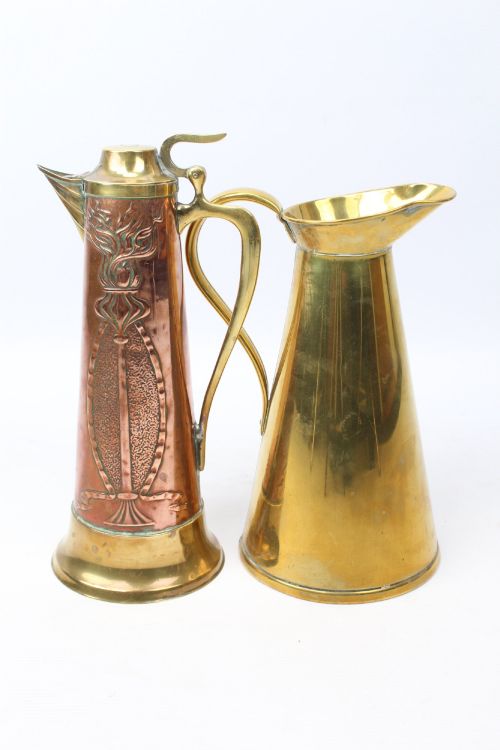
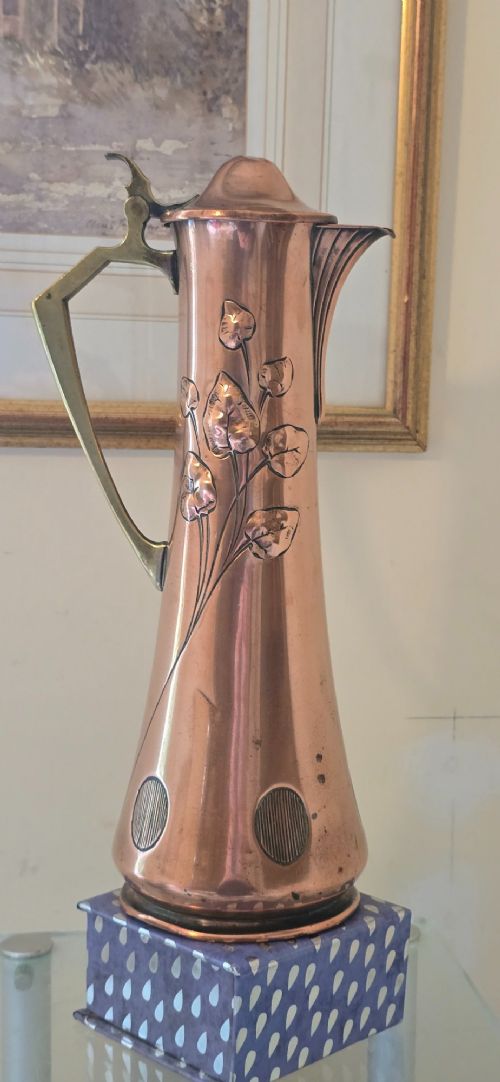
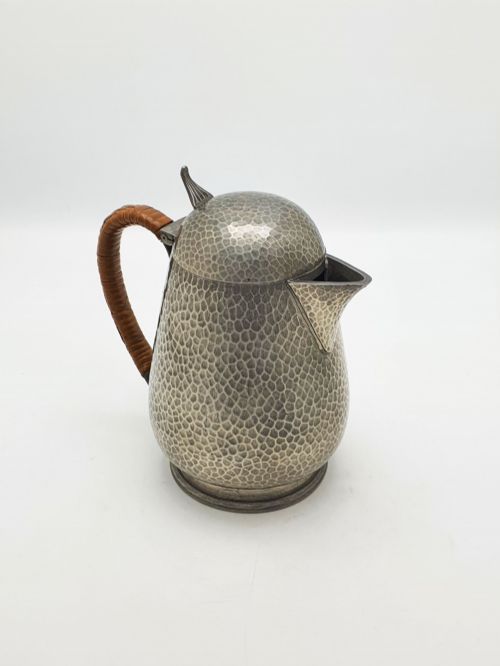
Decorative elements were achieved through embossing, chasing, silver plating or the application of contrasting metals such as copper and brass highlights. Handles incorporated alternative materials including cane wrapping, ceramic elements or cast figural bronze.
Specialist surface treatments like silvering, enamel coating, or intricate silver and copper inlay transformed simple utility items into luxury decorative objects. Foundry casting was utilised for heavier bronze ewers and detailed figurative handles.
Antique Metal Water Jug Retail Price Guide 2026
Typical asking prices for metal water jug among the pieces listed under this phrase on Sellingantiques today, from the lower quarter to the upper quarter. They describe what is for sale here now, not the wider market.
Materials span copper, brass, pewter, bronze, silver plate, tin, cane and silver across periods from the twelfth century to the twentieth.
What varies in quality
Quality rests upon the weight of the metal gauge, the crispness of any chased or embossed relief work, and the integrity of the original construction. Heavier-gauge metals resist denting and distortion better, offering a more satisfying heft in the hand.
Design sophistication also distinguishes ordinary utility items from masterworks, particularly in pieces bearing identifiable workshop marks or stylistic flourishes associated with the Arts and Crafts and Art Nouveau movements. The finesse of applied details, such as sculpted handles or metal inlay, elevates certain vessels far above standard production pieces.
WMF·Joseph Sankey·Archibald Knox for Liberty and Co·Georges Van De Voorde·Orme Evans and Co·Loftus of Oxford Street London·Sue et Mare for Orfèvrerie Gallia·Maison Christofle·H F Fearncombe and Co·Boardman Glossop and Co·J G Shaw
The Antique Metal Water Jug Glossary
- Ewer
- A large jug with a wide spout and a curved handle, traditionally used for pouring water. These vessels often feature slender necks and bulbous bodies designed for ceremonial hand-washing or formal table service.
- Aftaba
- An Islamic metal ewer originating from regions such as India and Persia, featuring a distinctive long spout and crescent moon finial. They were historically utilised for ritual ablutions and hand-washing.
- Jersey Can
- A traditional heavy copper cylindrical pouring vessel featuring a distinctive handle and lid, originally used in the Channel Islands for storing and measuring milk or water. Their robust proportions made them enduring utility objects.
- Tudric
- A brand name used by Liberty and Co for pewter wares during the early twentieth century, frequently incorporating organic Art Nouveau motifs and enamel accents. These pieces often utilised cane handles for thermal insulation.
- Askos
- An ancient vessel form mimicking a skin or leather bag, adapted by nineteenth-century metalsmiths into classical revival water jugs. They are characterised by a low, rounded body and a high sweeping handle.
Antique Metal Water Jug: Frequently Asked Questions
How do I clean antique copper jugs?
Maintenance depends entirely on whether you prefer a deep historical patina or a bright metallic finish. Gentle dusting and occasional waxing preserve the aged surface without stripping its character.
Harsh abrasive chemical cleaners strip away centuries of oxidation and diminish the historical value of the piece. Most collectors prefer to leave the natural tarnish intact as a record of the object's age.
Are these old jugs still waterproof?
Many copper and brass vessels remain completely watertight and can be utilised for fresh cut flowers or serving liquids. However, older soldered seams or historical repairs can sometimes develop slow leaks over time.
It is advisable to test a vessel over a sink before filling it for display purposes. Pewter and antique plated items should be assessed individually to ensure their structural integrity remains sound.
What is the difference between a jug and a pitcher?
These terms are often used interchangeably, though a pitcher typically refers to a larger pouring vessel with an integrated spout. Jugs encompass a broader range of handled containers used for storage and transport.
In historical metalwork, form follows function based on regional terminology and intended domestic tasks. The presence of a lid or the specific shape of the lip often determines the precise historical classification.
How can I date an antique metal water jug?
Dating relies upon a combination of manufacturing techniques, stylistic indicators, and maker's marks stamped into the base or handle. Hand-hammered surfaces and early soldering methods generally point towards eighteenth or early nineteenth-century origins.
Distinctive design movements like Art Nouveau or Arts and Crafts provide narrower windows for pieces produced around nineteen hundred. Comparing construction details with marked archival examples helps narrow the production period.