

Regency China
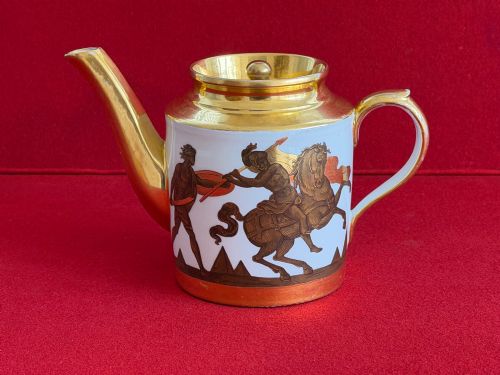
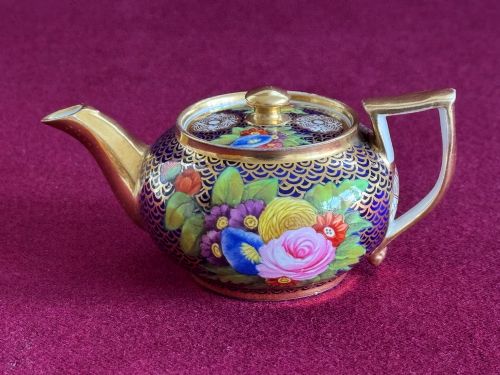
Regency china encompasses fine porcelain, bone china and earthenware vessels shaped during the Georgian and Regency periods.
Regency China
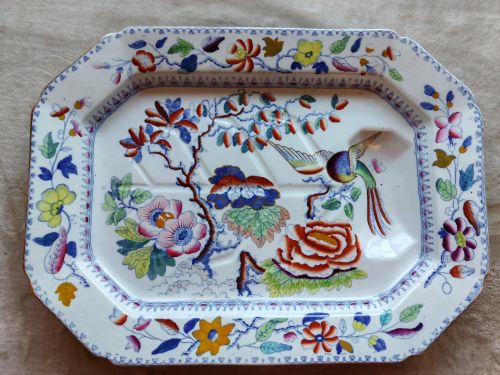
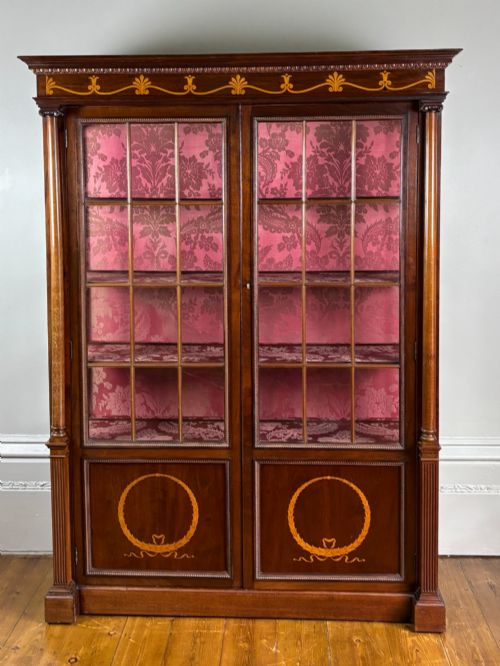
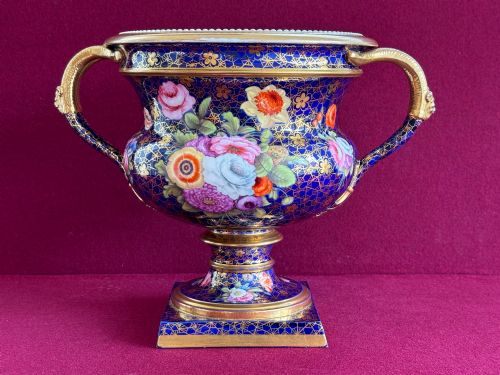
When searching for regency china, collectors encounter decorative ceramics ranging from cabinet plates and teacups to large vases, urns and inkstands. These objects originate primarily from the early nineteenth century, spanning Georgian, Regency, and nineteenth century designations.
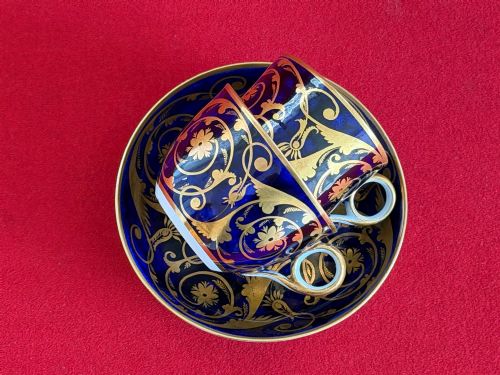
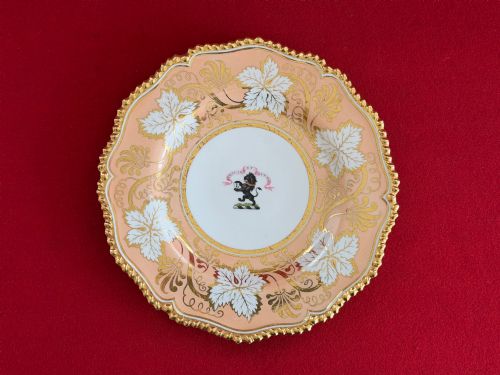
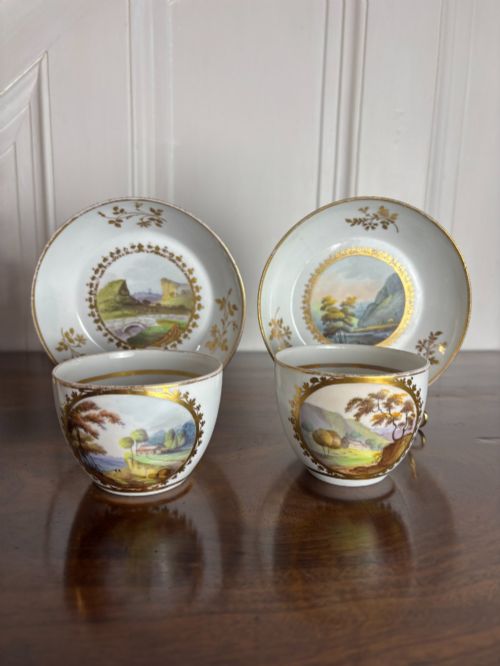
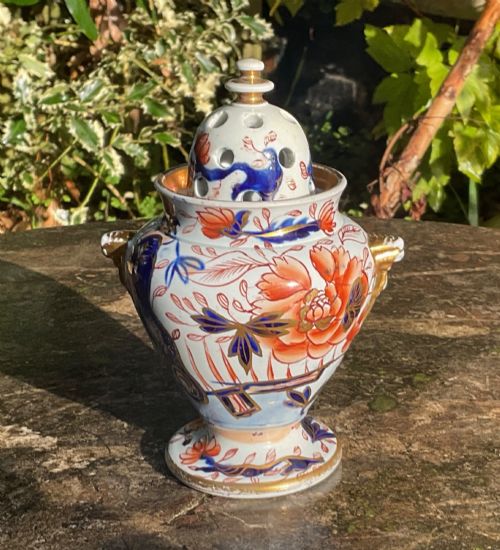
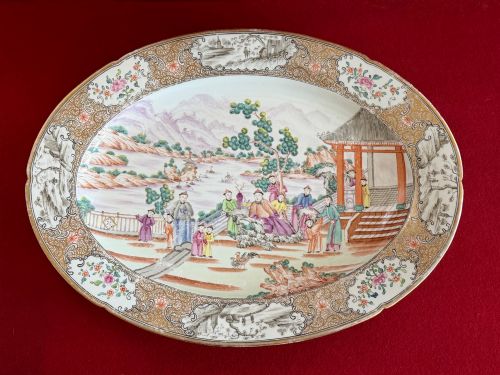
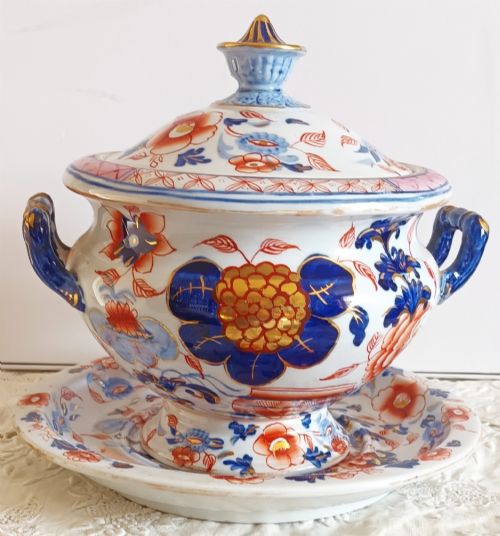
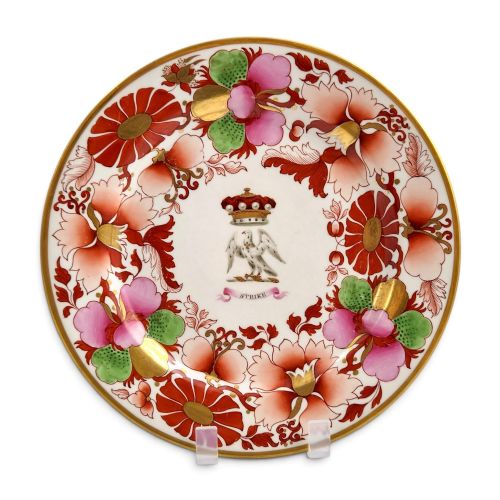
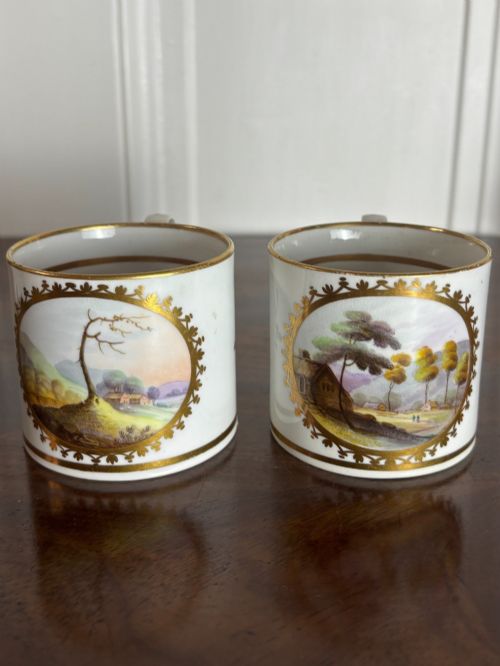
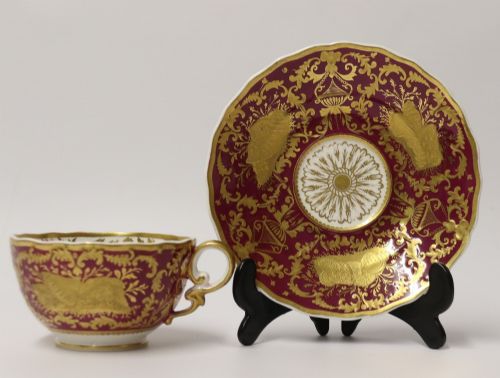
The pieces on this page include notable tea and coffee trios, armorial dessert plates, and garnitures produced by leading English potteries. Teacups, saucers, and cabinet plates dominate the forms, reflecting the domestic habits and display practices of the era.
How regency china was made
Makers utilised porcelain, bone china, earthenware, and stone china, shaping bodies that accepted intricate handpainted motifs and rich enamel colours. Potters frequently applied gold leaf and heavy gilding to accentuate neoclassical forms and floral designs.
Artisans combined thrown or moulded ceramic bodies with detailed overglaze enamel painting, sometimes incorporating specialised bodies like Spode felspar or new stone. Individual decorators painted botanical studies, topographical scenes, and armorial bearings directly onto the glazed ceramic surface.
Regency China Retail Price Guide 2026
Typical asking prices for regency china among the pieces listed under this phrase on Sellingantiques today, from the lower quarter to the upper quarter. They describe what is for sale here now, not the wider market.
One enthusiastic painter signed his work with a Quaker moniker while decorating porcelain for Regency patrons.
What varies in quality
Quality rests in the crispness of the porcelain body, the precision of the moulding, and the sophistication of the handpainting. Named decorators and documented factory patterns elevate an object above standard production wares.
The finesse of the gilding and the complexity of armorial or topographical painting distinguish finer cabinet pieces from utilitarian tableware. Superior examples retain bright enamel colours and immaculate gold leaf without rubbing.
Flight Barr and Barr·John Rose Coalport·Spode·Derby Porcelain·H and R Daniel·Chamberlain Worcester·Minton·Newhall·Berlin·Masons Ironstone·Ridgway
The Regency China Glossary
- Cabinet plate
- A decorative plate intended for display in a cabinet rather than for dining use. These often feature handpainted scenes or armorial bearings.
- Armorial
- Bearing a coat of arms or family crest painted onto the ceramic surface. Such bespoke services were commissioned by landed families.
- Trio
- A matching set comprising a teacup, a coffee cup, and a saucer. These tea wares gained popularity during the early nineteenth century.
- Garniture
- A set of three or more ornamental vases or urns designed to be displayed together on a mantelpiece or sideboard.
- Stone china
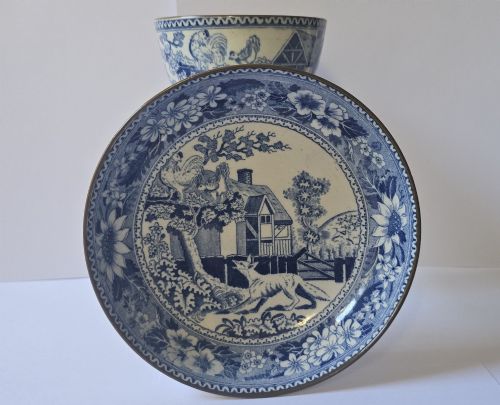
- A dense, durable type of earthenware developed by English potteries to rival imported Chinese porcelain. It accepted transfer printing and enamel colours readily.
Regency China: Frequently Asked Questions
How do I identify regency china?
Examine the form, paste, and decorative style for characteristics of the early nineteenth century. Neoclassical shapes, handpainted floral motifs, and rich gilding typically indicate this period.
Look for factory marks on the underside, though many early pieces rely on pattern numbers or distinctive potting characteristics for attribution.
What is the difference between bone china and porcelain?
Bone china incorporates bone ash into the ceramic paste, producing a warmer, slightly translucent body. Traditional porcelain relies on petuntse and kaolin clays for a harder, whiter finish.
Both materials were utilised extensively by English potteries during the Regency era to create fine tea and cabinet wares.
How were tea services used?
Tea services played a central role in upper-class domestic entertaining during the Georgian and Regency periods. Trios and teapots from déjeuner sets facilitated the formal serving of tea in private drawing rooms.
Cabinet cups and saucers were frequently displayed as works of art rather than utilised for daily consumption.
Can I use antique tea wares?
Most collectors treat early nineteenth-century ceramics as display pieces rather than functional tableware. Overglaze enamel colours and delicate gold leaf can suffer from regular washing and use.
Handwashing in warm water without abrasive detergents is essential if delicate tea wares are handled.