



Regency China Dish
A regency china dish brings together the refined forms and vibrant hand-painted patterns characteristic of early nineteenth-century dining tables.
Regency China Dish
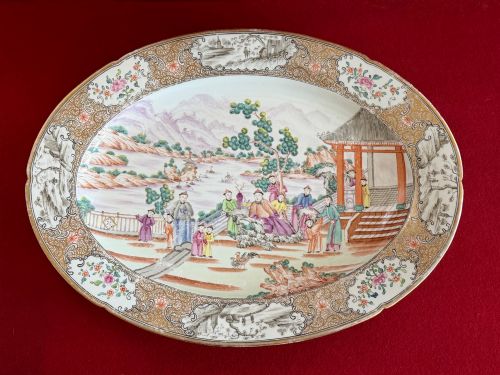
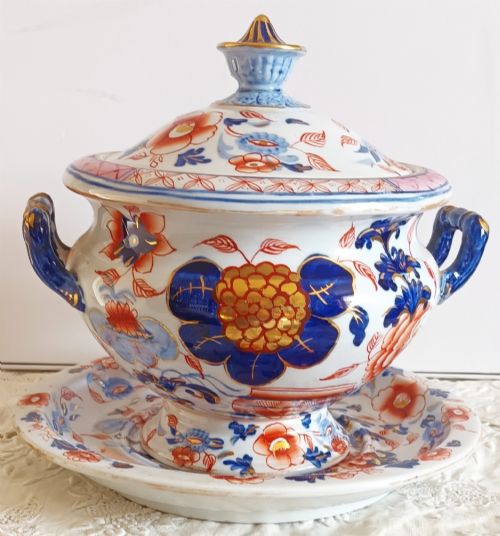
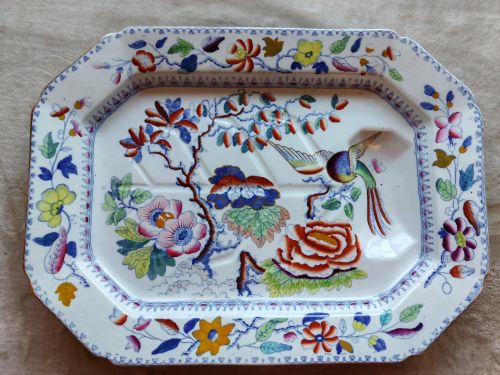
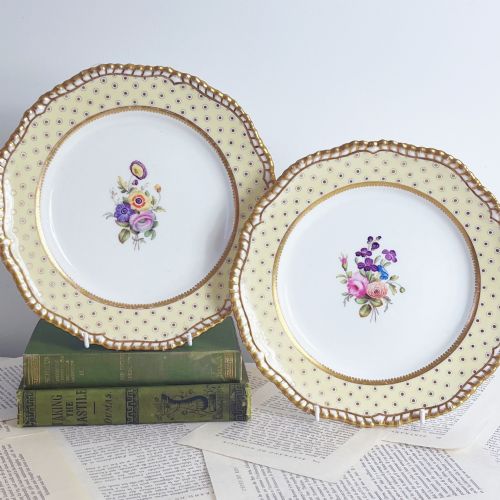
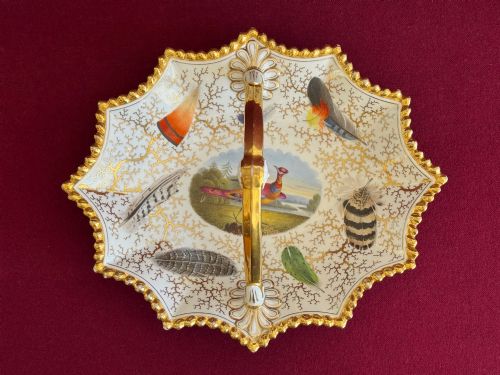
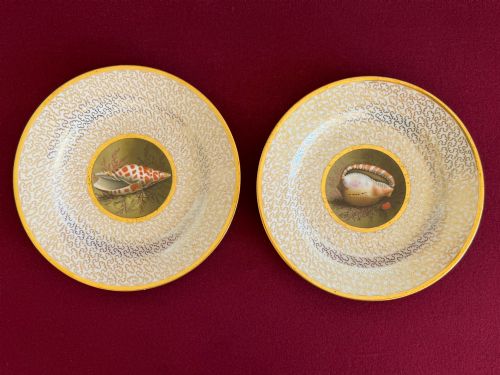
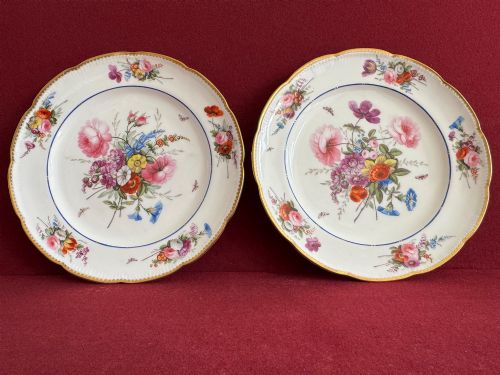
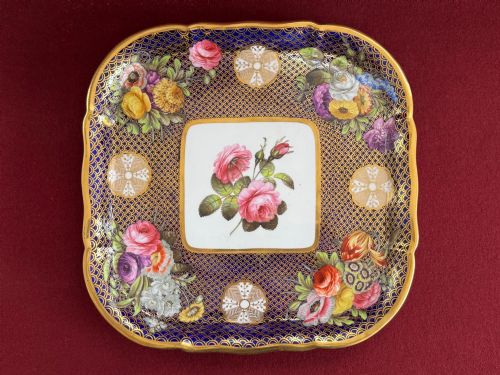
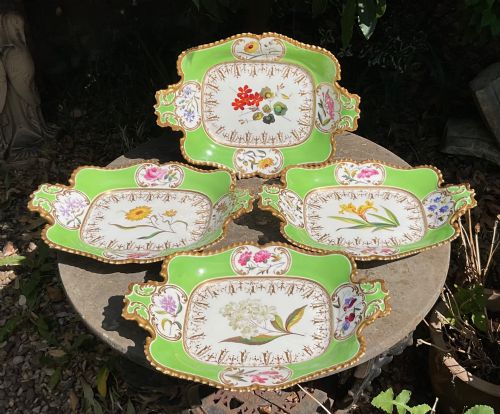
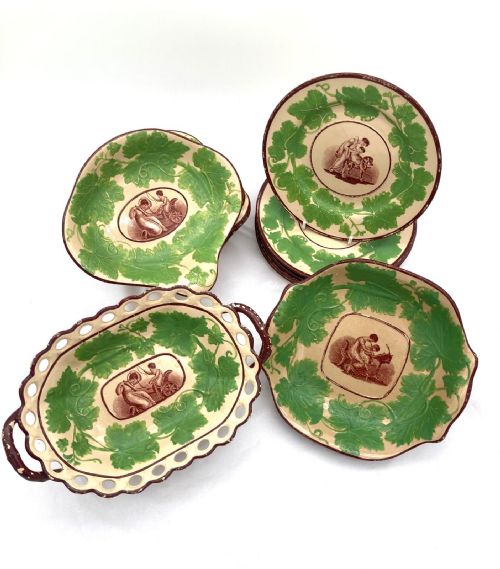
A regency china dish encompasses a variety of ceramic forms used for serving, dining, and display during the early nineteenth century. Collectors searching this phrase encounter decorative plates, cabinet plates, serving platters, and dessert dishes originating from prominent English kilns.
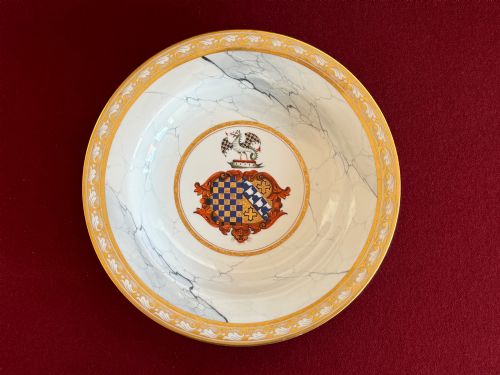
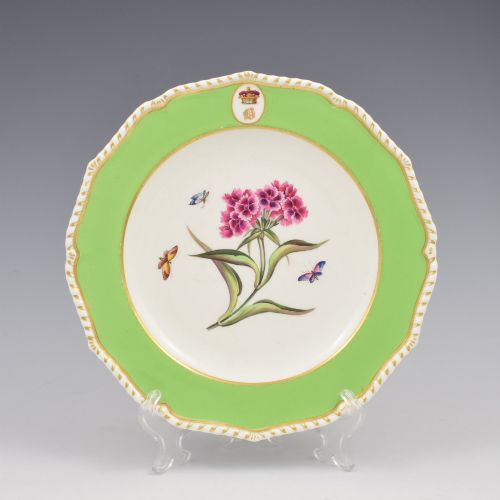
The selections span the Georgian, Regency, and broader nineteenth-century periods, capturing an era of remarkable stylistic transition. Pieces range from utilitarian ironstone serving vessels to finely painted porcelain cabinet plates adorned with botanical studies and armorial motifs.
Materials and Techniques
Makers utilised fine porcelain and dense ironstone bodies as the foundational canvases for these vessels. These ceramic bases provided the durability and smooth surfaces required for intricate glazing and painting.
Craftsmen applied enamel colours, gold leaf, and elaborate gilding by hand, frequently employing transfer printing alongside delicate brushwork. Chinoiserie patterns, botanical illustrations, and armorial designs were then fixed through careful kiln firing.
Regency China Dish Retail Price Guide 2026
Typical asking prices for regency china dish among the pieces listed under this phrase on Sellingantiques today, from the lower quarter to the upper quarter. They describe what is for sale here now, not the wider market.
Several plates proudly display ferocious dragons and exotic birds, proving that Regency diners enjoyed a touch of wild imagination with their dessert.
Assessing Excellence
The refinement of the painted decoration distinguishes exceptional examples from standard production pieces. Hand-painted botanical studies and detailed dragon motifs executed by skilled artists elevate a plate above simpler transfer-printed counterparts.
The prestige of the manufactory and the complexity of the porcelain body also determine standing. Works originating from notable workshops demonstrate superior paste consistency, precise gilding application, and sophisticated moulding.
Flight Barr and Barr·Chamberlains Worcester·Mason·Spode·Bloor Derby·Coalport·John Davenport
The Regency China Dish Glossary
- Ironstone
- A heavy, durable type of earthenware patented in the nineteenth century to rival imported Chinese porcelain. It provides a robust body for everyday service dishes and platters.
- Chinoiserie
- A European artistic style reflecting Chinese motifs and decorative themes. This aesthetic appears frequently on plates and dishes through stylised landscapes and dragon patterns.
- Armorial
- A ceramic decoration featuring a family crest or coat of arms. These bespoke commissions were typically produced for landed gentry and noble households.
- Comport
- A raised serving dish or pedestal bowl used for presenting fruit or sweetmeats during dessert courses. They stand on central feet or low bases above the table surface.
- Felspar
- A mineral additive used in certain nineteenth-century porcelain bodies to increase strength and translucency. Spode notably produced distinct felspar porcelain wares during this period.
Regency China Dish: Frequently Asked Questions
What are regency china dishes?
These pieces are ceramic serving vessels, plates, and bowls produced in England during the late Georgian and Regency eras. They encompass both durable ironstone items for daily use and delicate porcelain pieces intended for formal dessert service.
Craftsmen decorated them with hand-painted botanicals, armorial crests, and vibrant Chinoiserie patterns. Today, they serve as both decorative cabinet pieces and functional table accessories.
How were these dishes used originally?
Dining customs of the period involved multi-course meals where dessert plates, comports, and serving platters were brought out for the final sweet course. Botanical plates and armorial dishes displayed the host's refined taste and social standing.
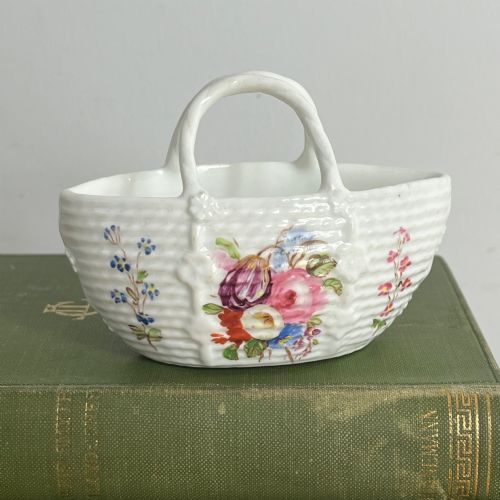
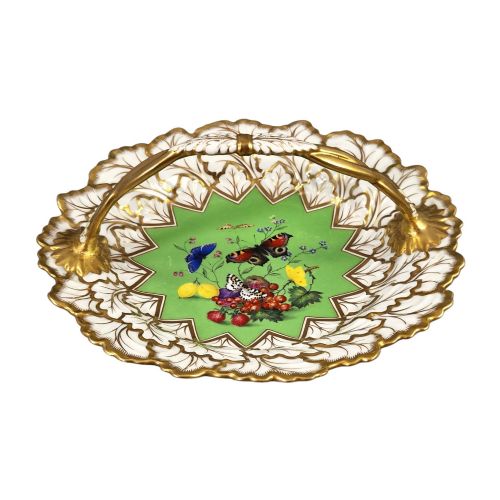
Smaller baskets and trays held fruit, sweetmeats, or sauces during elaborate dinners. Their vibrant patterns added visual splendour to candlelit dining rooms.
How do I care for antique porcelain?
Antique ceramics require gentle hand washing in lukewarm water with mild soap, avoiding dishwashers entirely. Sudden temperature changes must be avoided to protect the historic glaze and delicate gold gilding from thermal shock.
When displaying them on plate stands or stacking them for storage, use padded dividers to prevent surface scratching. Proper handling preserves both the painted enamel and the ceramic body.
How can I tell periods apart?
Dating relies on factory marks stamped or painted on the reverse, alongside stylistic shifts in paste and pattern. Earlier pieces from the opening decades of the nineteenth century often feature hand-painted botanical studies and refined porcelain bodies.
Later nineteenth-century items frequently utilise heavier ironstone fabrics and transfer-printing techniques. Comparing known patterns from major manufactories helps narrow down the production decade.