





Regency Ceramic Jug
A regency ceramic jug brings tactile warmth to a room, offering functional pouring vessels shaped in the Georgian and Regency eras.
Regency Ceramic Jug
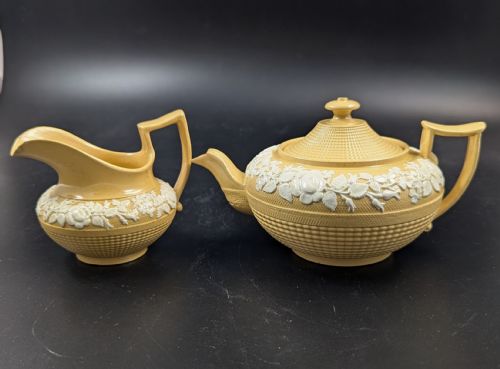
When you search for a regency ceramic jug, you encounter domestic and decorative vessels originating primarily from the Georgian, Regency, and early nineteenth-century periods. The selections span standard pitchers, footbath jugs, washbasin sets, and smaller cream jugs.
The versions you are most likely to meet on this page include earthenware, creamware, ironstone, and porcelain bodies. Makers utilised transfer-printing, lustre glazes, and hand-painted scenes to decorate these functional items.
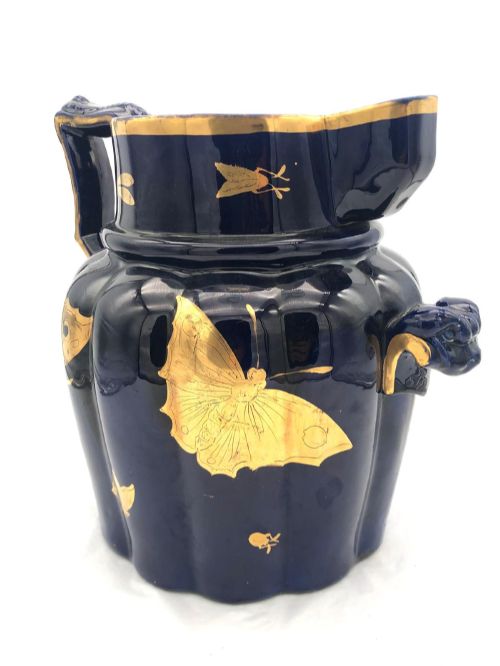
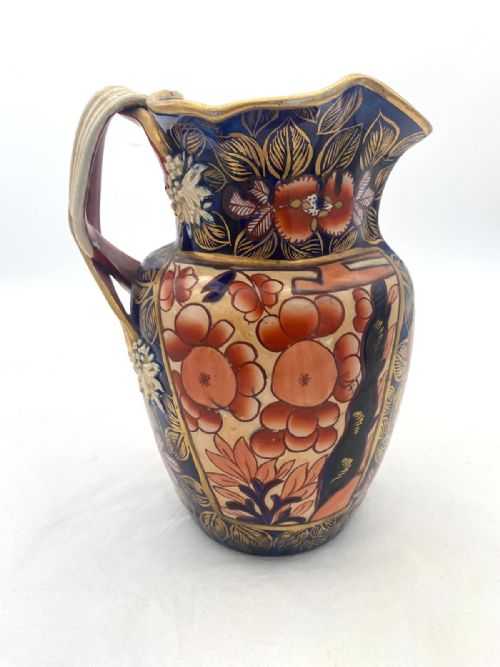
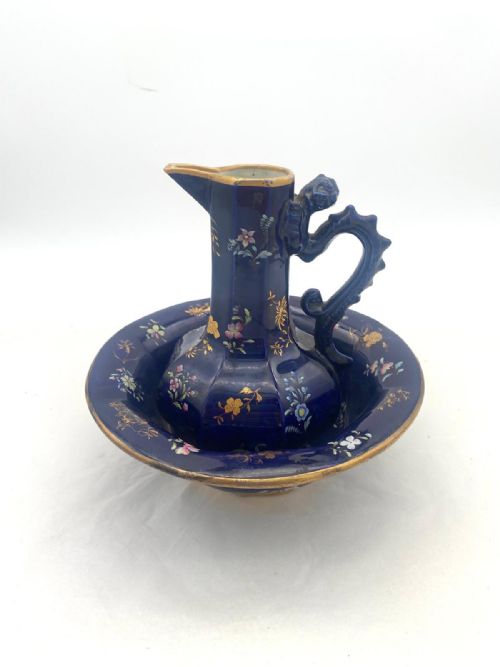
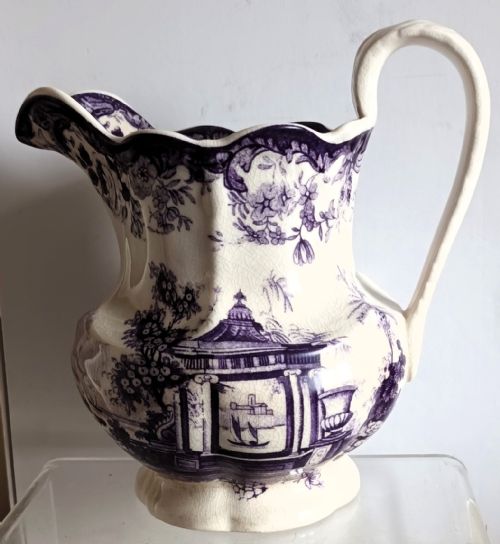
Forms vary from faceted profiles and octagonal shapes to grand ewers with grotesque handles. Many pieces carry oriental scenes, armorial crests, or architectural views.
How they were made
Potters shaped these vessels using earthenware, creamware, ironstone, and porcelain, frequently applying white or coloured glazes as a base for subsequent decoration. Ironstone provided a robust body suitable for large ewers and washbasin jugs.
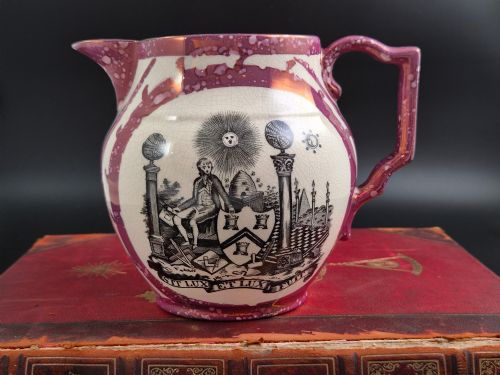
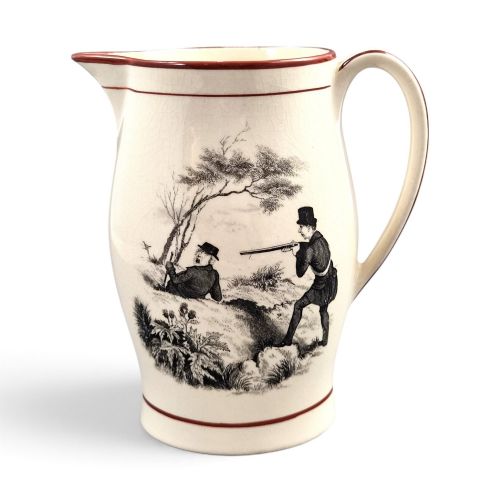
Decoration relied heavily on transfer-printing in magenta, pink, or blue, alongside hand-applied enamel colours and gold leaf highlights. Lustre techniques created metallic sheen effects, visible in pink splash and variegated lustre finishes.
Specialised handles, including hound handles and grotesque configurations, were moulded separately and attached to the main body before firing.
Regency Ceramic Jug Retail Price Guide 2026
Typical asking prices for regency ceramic jug among the pieces listed under this phrase on Sellingantiques today, from the lower quarter to the upper quarter. They describe what is for sale here now, not the wider market.
Decorative techniques include pink splash lustre, armorial crests, and oriental transfer prints.
What varies in quality
Quality separates standard utilitarian wares from ambitious cabinet pieces through the crispness of the moulding and the alignment of transfer-printed details. Sharp relief work on faceted bodies or moulded motifs indicates superior tooling.
The complexity of the palette dictates grade, with multi-coloured enamels and carefully applied gold leaf marking out finer porcelain and ironstone pieces. Precise registration of transfer prints prevents blurring across complex surfaces like octagonal panels and scenic reserves.
Mason's·H & R Daniel·Chamberlain Worcester·Derby Porcelain·Wedgwood·Spode·Phillips & Bagster
The Regency Ceramic Jug Glossary
- Creamware
- A refined earthenware body with a pale yellowish-buff glaze developed in the eighteenth century. It served as a smooth canvas for transfer-printed designs.
- Ironstone
- A heavy, durable ceramic patented in the early nineteenth century. It combined earthenware properties with the strength of stoneware.
- Transfer-printing
- A method of applying engraved patterns to ceramic surfaces using paper tissue pulled from a copper plate. This technique allowed for detailed pictorial scenes.
- Lustre
- A metallic glaze finish that produced an iridescent sheen when fired in a reducing atmosphere. Pink splash variations appeared frequently on Sunderland wares.
- Ewer
- A large pitcher with a wide spout and elaborate handle, designed originally for washing at a basin. Many survived as decorative display items.
Regency Ceramic Jug: Frequently Asked Questions
How do I date a regency ceramic jug?
Dating relies on stylistic markers, ceramic bodies, and recorded operating periods of specific potteries. Examining glaze characteristics and transfer-printing styles helps narrow the decade of manufacture.
Pieces from the Georgian and Regency eras often display distinct factory marks, specific potting weights, and characteristic handle formations that correspond to documented production methods.
Were these jugs used for serving drinks?
Many examples functioned as tableware for water, ale, or cream during meals. Larger pitchers handled daily beverage service in domestic settings.
Other formats, such as footbath jugs and washbasin ewers, served personal hygiene and washing purposes rather than dining table use.
What is ironstone?
Ironstone is a durable, dense ceramic body patented in the nineteenth century to withstand heavy daily use. It offered an alternative to true porcelain while remaining robust.
Potters favoured it for large ewers, basins, and patterned jugs because it accepted bold transfer prints and bright enamels cleanly.
How should I display my jug?
Displaying these vessels safely involves placing them on stable, level surfaces away from heavy foot traffic. Open shelving or dedicated cabinets protect handles and spouts from accidental knocks.
Keeping them out of direct sunlight preserves the vibrancy of enamel colours, gold leaf highlights, and transfer-printed scenes.