

Regency Brass Feet Table
A regency brass feet table brings together rich woods and bright metal mounts, offering both practicality and elegance for the home.
Regency Brass Feet Table
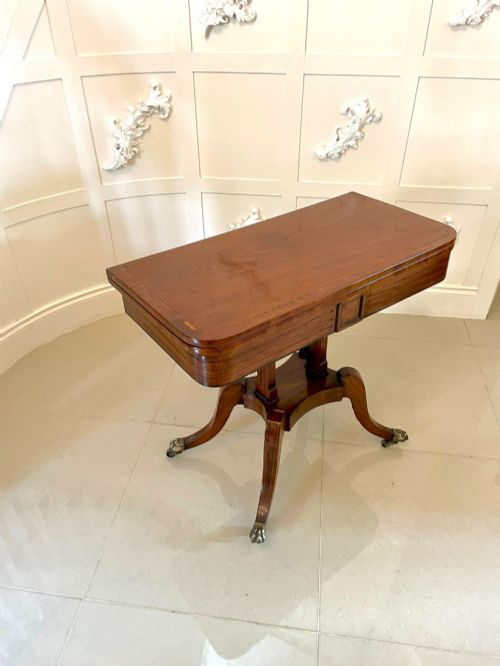
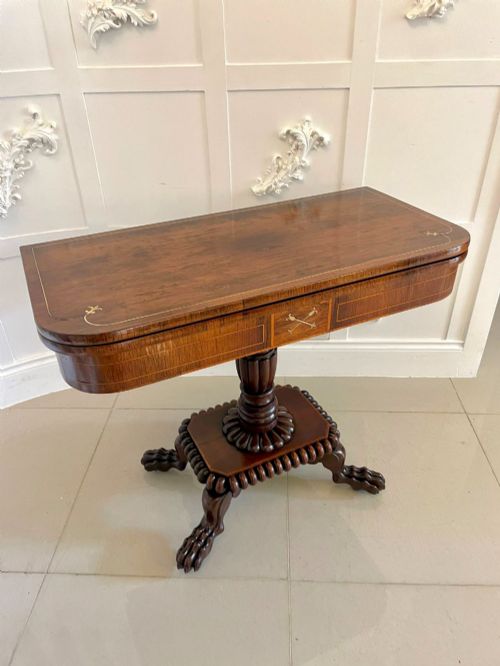
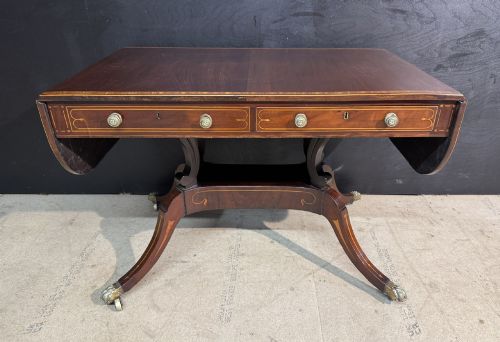
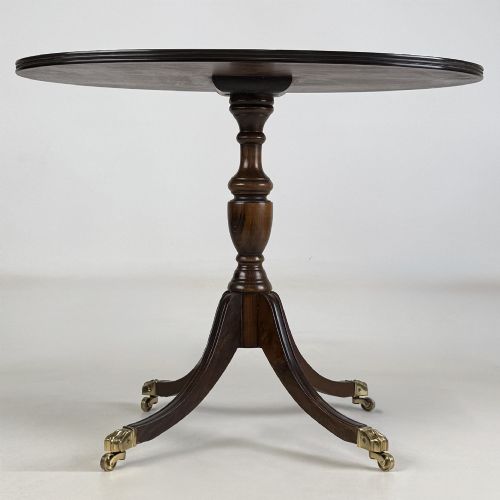
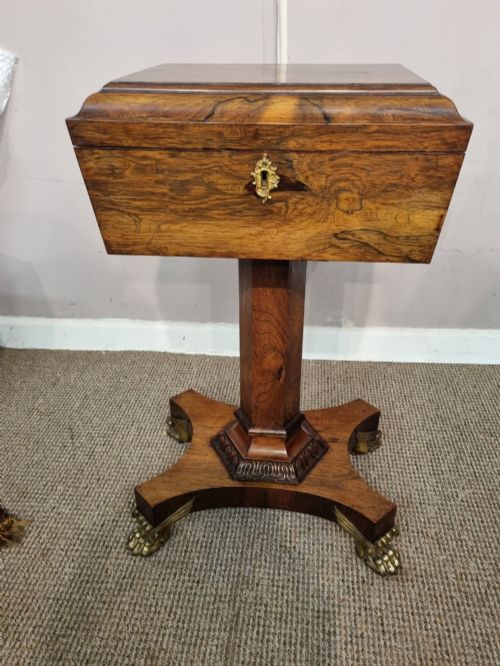
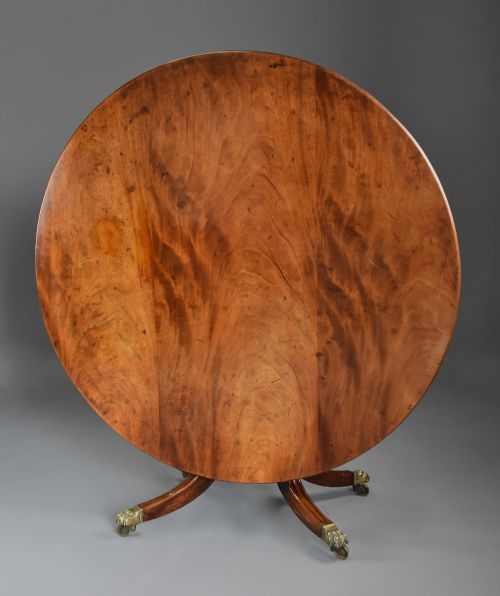
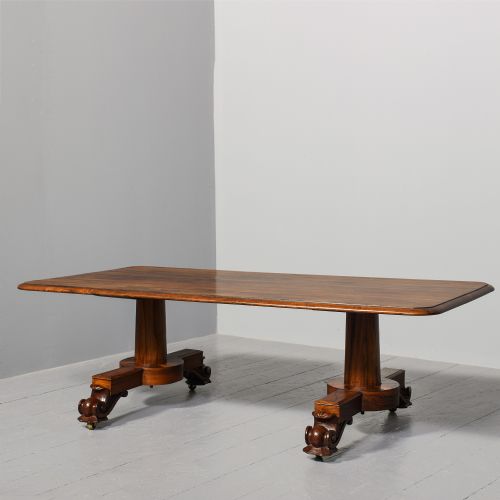
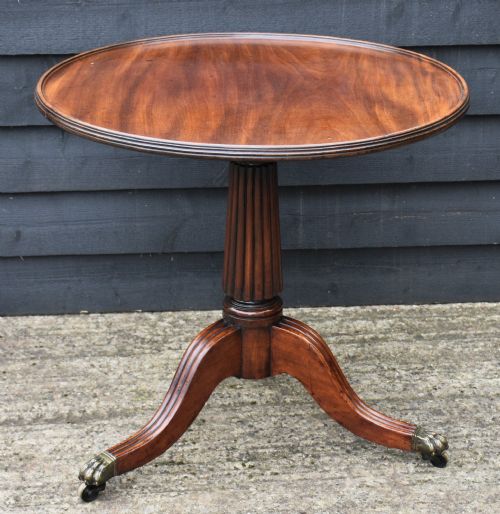
A regency brass feet table unites the formal styles of the early nineteenth century with sturdy timbers such as mahogany and rosewood. These pieces primarily take the form of card tables, sofa tables, and breakfast tables designed for formal reception rooms.
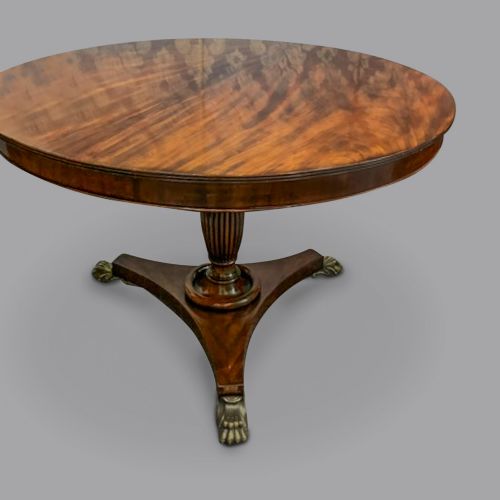
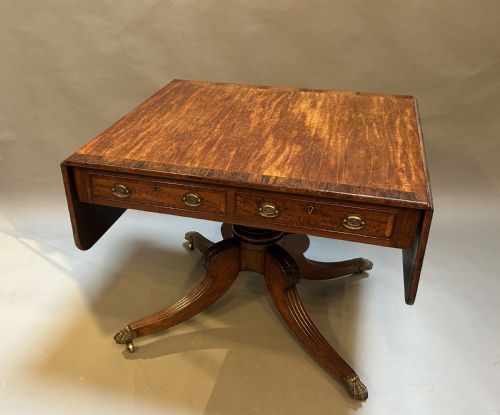
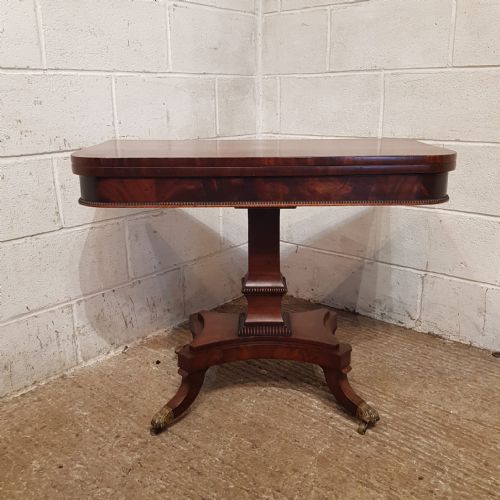
Buyers will frequently encounter fold-over card tables and centre tables featuring decorative brass paw feet or castors. The selection spans authentic period examples from the Georgian and Regency eras alongside later revival pieces.
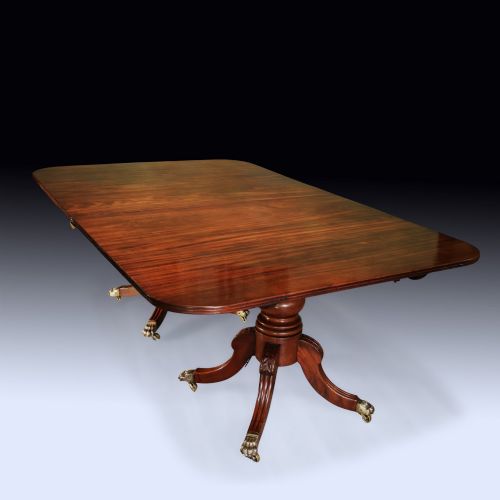
The physical form reflects the domestic habits of the period, providing versatile surfaces for gaming, dining, or displaying decorative objects. Both pedestal bases and four-legged supports appear across the surviving inventory.
Materials and construction methods
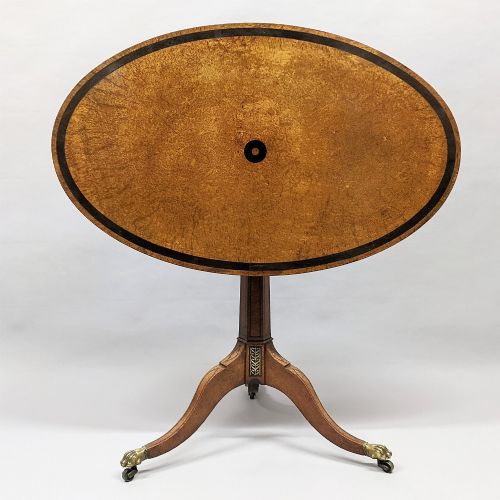
Cabinet makers utilised dense tropical timbers like mahogany and rosewood, often enhanced with contrasting stringing in satinwood, boxwood, or ebony. Metal components in cast or gilded brass provide structural support and ornamental contrast at the base.
Joinery techniques combined traditional framing with sophisticated veneering methods to cover expansive table tops. Metal mounts and castors were secured to the timber feet to facilitate movement across carpeted drawing rooms.
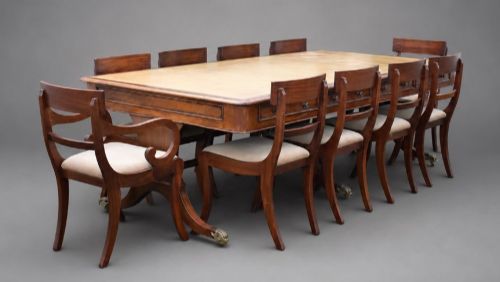
The inventory records card tables, sofa tables, and extensive dining tables spanning the nineteenth and twentieth centuries.
Distinctions in craftsmanship
The fidelity of the carved details and the choice of figured timber distinguish finer examples from standard production. Superior pieces exhibit precise brass inlay and substantial cast mounts rather than stamped sheet metal.
Proportion and balance define the upper tier of these tables, where the grain of the wood aligns harmoniously across folding leaves and pedestals. The stability of the central pillar or leg assembly indicates the original rigour of the workshop.
George Bullock·Bush of London·Desbois and Wheeler·L. Vick
The Regency Brass Feet Table Glossary
- Card table
- A folding table designed for evening games, featuring a baize-lined surface when opened. These tables often stand against a wall when closed.
- Sofa table
- A rectangular occasional table intended to stand in front of or beside a sofa, typically fitted with small drawers. They generally feature drop leaves supported by end pillars.
- Tilt top
- A mechanism allowing the table top to pivot vertically for convenient storage against a wall when not in use. This feature appears frequently on breakfast and occasional tables.
- Console table
- A wall-mounted or freestanding table designed for display, frequently placed beneath a mirror. Regency examples often display elaborate brass mounts.
- Pollard oak
- Oak timber showing distinctive cluster growths or pollarding marks, creating a mottled grain pattern. Cabinet makers valued this wood for decorative veneering.
Regency Brass Feet Table: Frequently Asked Questions
What is a regency brass feet table?
A regency brass feet table is a dining, card, or sofa table dating from the early nineteenth century or later revival periods, characterised by metal terminal mounts on the legs.
These pieces use dense timbers like mahogany and rosewood, combining functional design with decorative metalwork.
How were these tables used originally?
They served multiple functions in drawing rooms and parlours, from holding candlesticks and tea services to providing a surface for card games.
Drop leaves and pivoting tops allowed households to reconfigure rooms easily between daytime activities and evening entertaining.
How do I identify a period piece?
Period pieces display traditional timber construction, hand-cut joinery, and heavy cast brass components rather than modern fixings. Examining the secondary woods underneath and inside drawers helps confirm the era of manufacture.
Stylistic cues such as brass paw feet, lyre supports, and amboyna veneers point towards Regency and George IV origins.
Where should I place one at home?
A card table suits a hallway or living room wall in its closed position, opening out when extra surface area is needed. Sofa tables sit comfortably behind seating or as narrow console surfaces against a wall.
Centre tables require adequate clearance around them to appreciate the pedestal base and timber grain from all angles.