





Rosewood Table with Drawer
A rosewood table with drawer is a practical antique piece combining rich timber grain with useful storage, originating largely from the nineteenth century.
Rosewood Table with Drawer
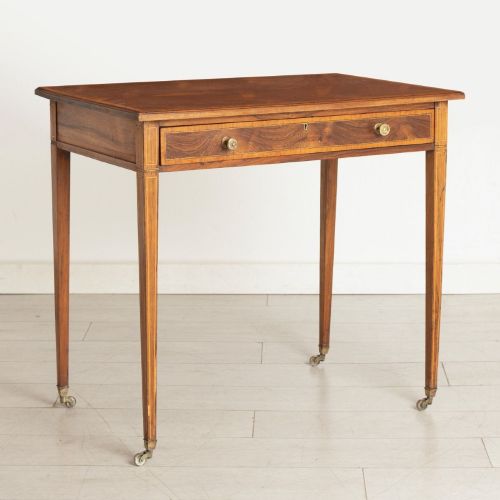
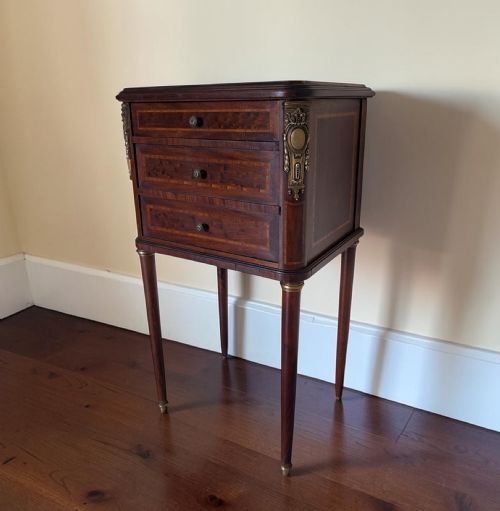
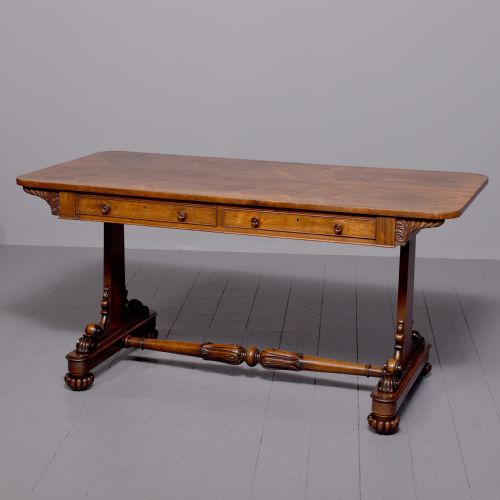
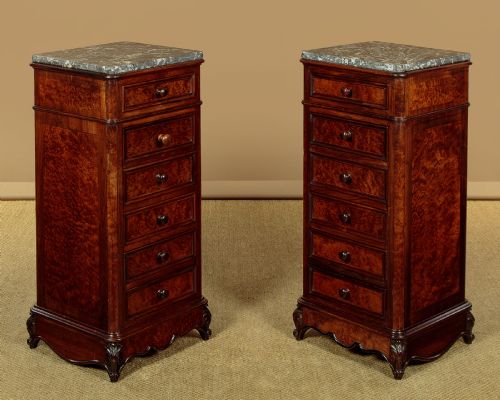
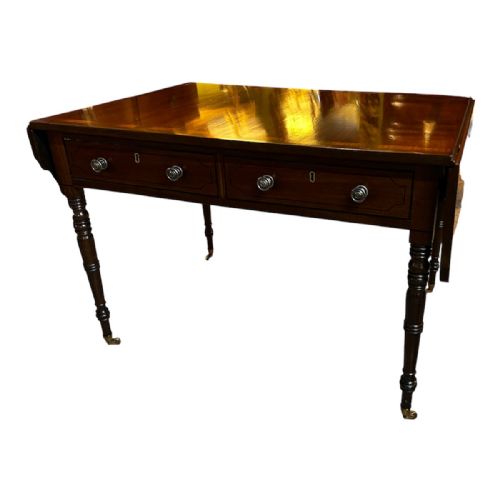
A rosewood table with drawer encompasses forms such as library tables, writing tables, sofa tables, side tables, and work tables spanning nineteenth century periods including Regency and Victorian eras. These items serve functional roles as desks, occasional surfaces, and bedside storage within domestic spaces.
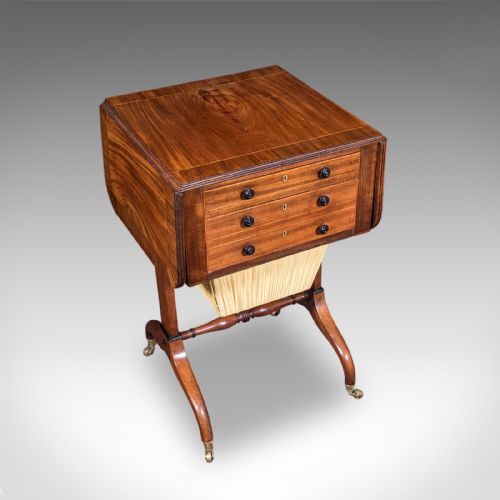
Regency and William IV examples feature prominently, often displaying distinct characteristics like brass inlay, drop leaves, or turned supports alongside integrated drawer compartments. Victorian iterations frequently incorporate wood inlay or simpler side table formats suited to period interiors.
Assessing quality in rosewood tables
Quality depends heavily on the grain figure of the rosewood timber and the precision of auxiliary materials like brass inlay, leather inserts, and internal mahogany drawer linings. Pieces exhibiting crisp carving, well-executed wood inlay, and robust structural joinery command attention.
Design sophistication also dictates standing, with superior examples demonstrating harmonious proportions, refined leg supports such as baluster or end-turned pillars, and intact period hardware.
Some nineteenth-century work tables doubled as sewing stations, keeping needles and thread tucked neatly out of sight in hidden drawers.
The Rosewood Table with Drawer Glossary
- Rosewood
- A heavy, durable timber known for its dark, richly figured grain patterns utilised extensively in nineteenth-century cabinet making.
- Sofa Table
- A rectangular table traditionally placed before a sofa, equipped with drop leaves on either end and one or more drawers.
- Library Table
- A large freestanding table designed for reading and writing, frequently fitted with working drawers.
- Drop Leaf
- A hinged flap on the side of a table that folds down to save space or lifts to extend the surface area.
- Inlay
- A decorative technique where contrasting materials like satinwood, brass, or lighter woods are embedded into the surface of the primary timber.
Rosewood Table with Drawer: Frequently Asked Questions
How do I identify a Regency rosewood table?
Regency pieces often display classical proportions, brass inlay, and distinctive base structures such as lyre supports or pillar pedestals. The timber grain is typically dark and heavily figured.
Drawer construction on these items usually incorporates secondary woods like mahogany with hand-cut joints.
What were rosewood writing tables used for?
These tables served as dedicated writing and correspondence desks in nineteenth-century homes. The integrated drawers held paper, ink, and writing implements.
Many featured inset leather writing surfaces to provide a smooth plane for quill or pen.
Can I use a rosewood side table daily?
These tables adapt well to modern living as bedside cabinets, hallway surfaces, or compact desks. Their sturdy nineteenth-century construction suits regular domestic use.
Care should be taken to protect the polished wood surface from moisture and direct heat.
What is the difference between a sofa table and a library table?
Sofa tables are generally smaller, feature drop leaves, and were designed to sit behind or beside upholstery. Library tables are larger, freestanding desks intended for books and paperwork.
Both variants frequently incorporate functional drawers for storage.