

Regency Brass Desk
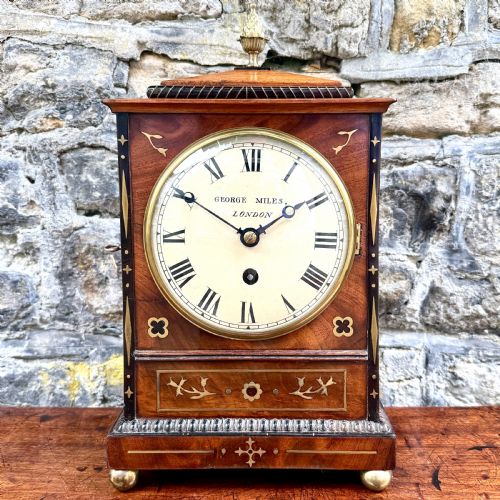
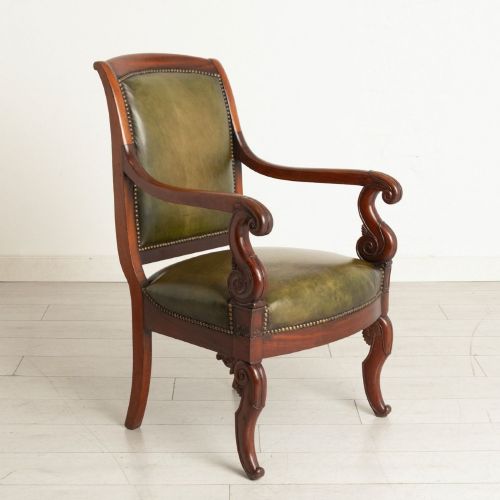
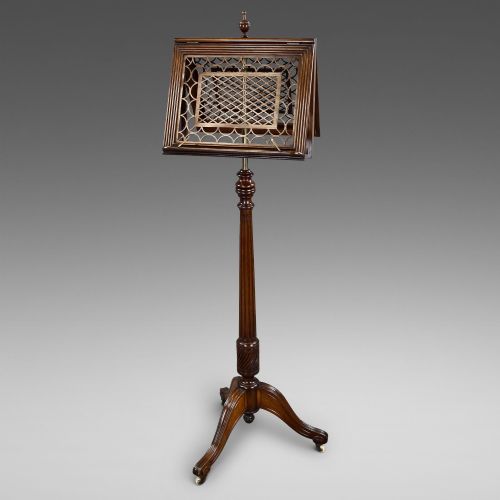
A regency brass desk brings refined period craftsmanship and gleaming metal detail directly to the study.
Regency Brass Desk
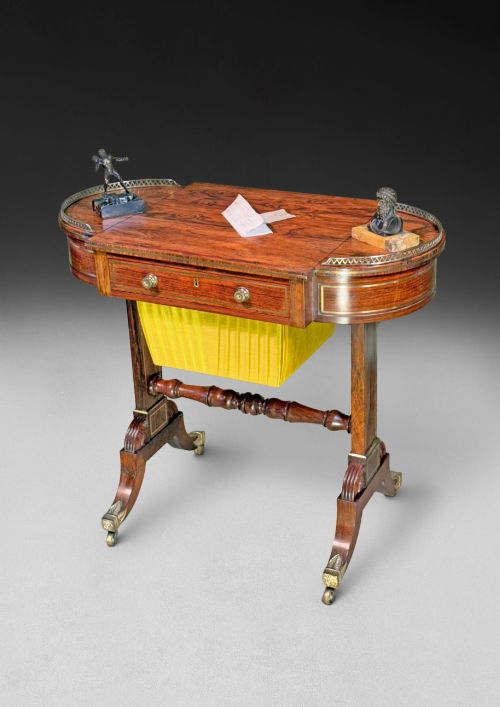
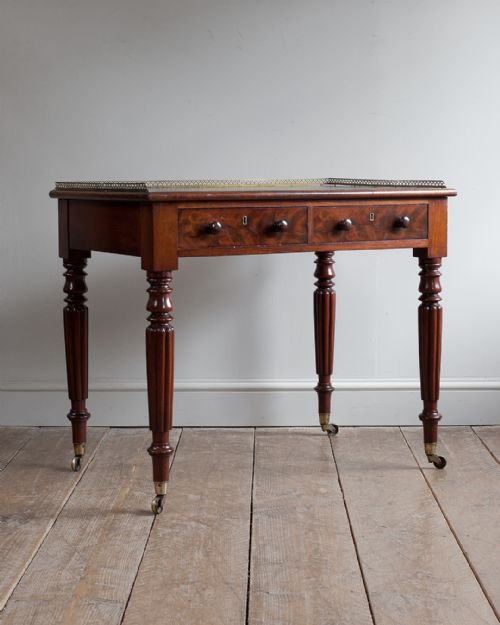
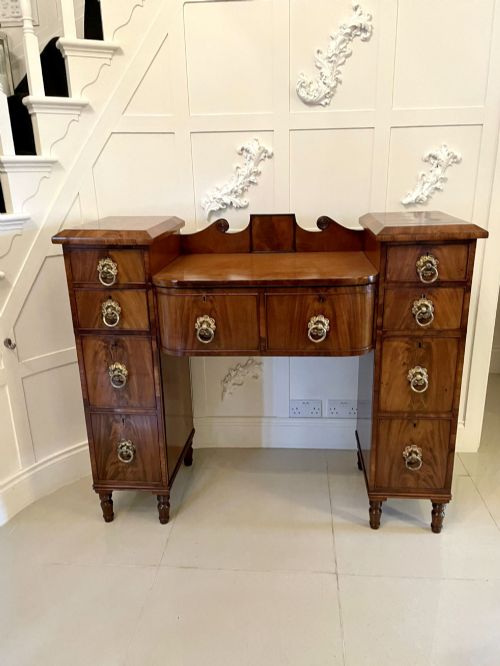
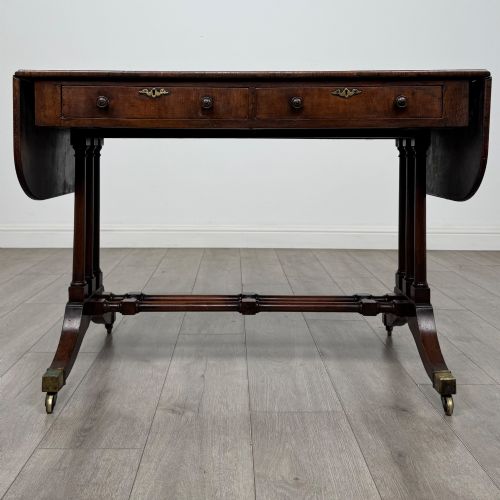
A regency brass desk encompasses writing tables, campaign boxes, and library furniture produced during the early nineteenth century and subsequent revival periods. These pieces serve as practical workspaces while displaying the characteristic elegance of the Regency style.
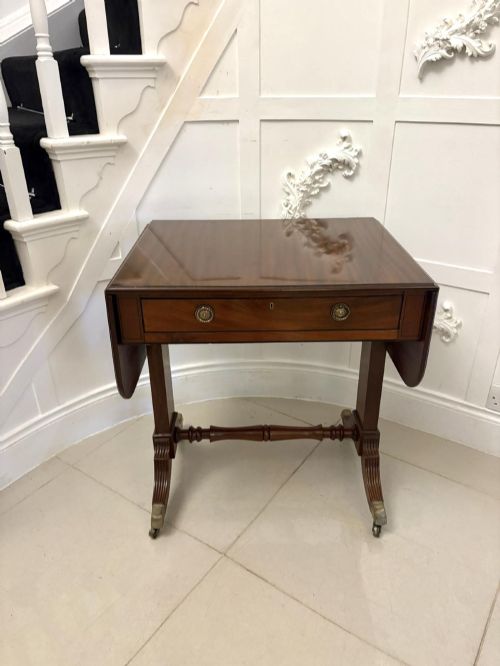
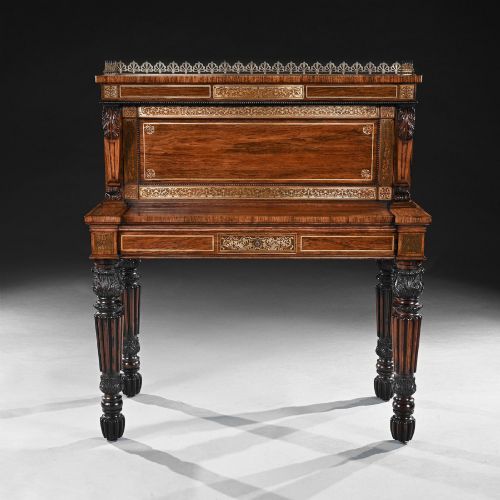
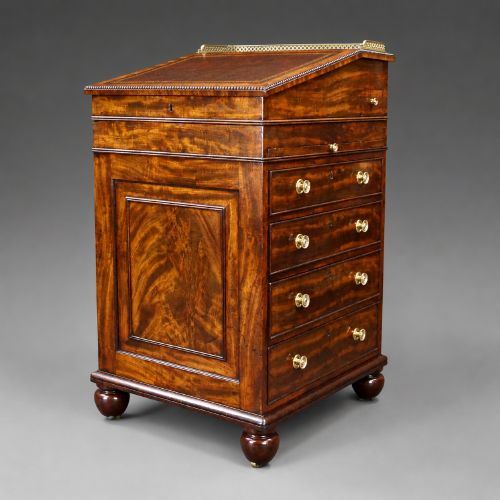
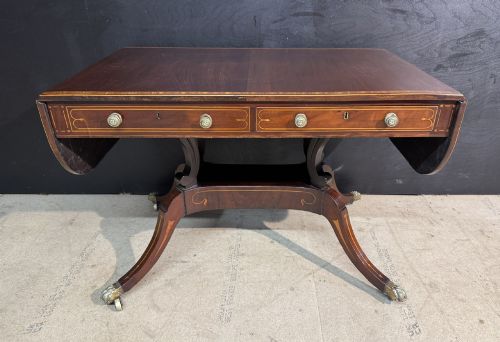
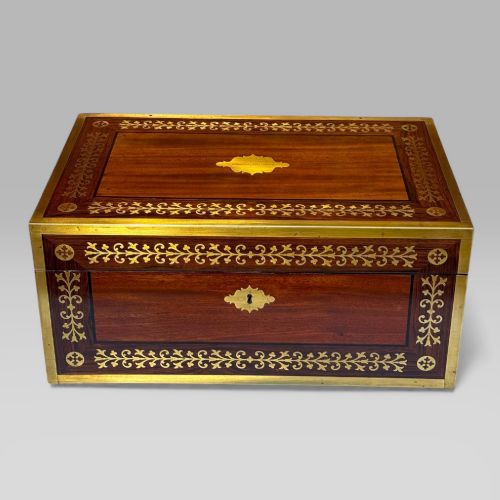
The selection here most frequently includes rosewood and mahogany writing tables alongside compact lap desks and writing slopes inlaid with brass. Buyers encounter freestanding library tables, davenports, and elbow chairs incorporating brass stringing or mounts.
Origins span authentic Georgian and Regency pieces from the early nineteenth century alongside later nineteenth-century interpretations and twentieth-century revivals. The forms consistently prioritise formal symmetry and rich timber surfaces.
Materials and construction
Cabinetmakers utilised dense native and exotic timbers including mahogany, rosewood, kingwood, and coromandel as the primary carcase materials. These woods received fine polishing to highlight natural grain patterns and flame figures.
Brass formed an integral decorative element through precision inlay, stringing, foliate cutwork, and cast mounts. Artisans also incorporated leather writing surfaces, glass inkwells, and gilt bronze or ormolu details to complete the functional hardware.
Periods represented span Georgian, Regency, William IV, Victorian, Edwardian, and later revival decades.
Evaluating quality and execution
The refinement of the brass inlay work establishes the primary tier of execution, distinguishing crisp, flush foliate cutting from simpler linear stringing. Original mounts, intact internal fittings, and surviving leather inserts elevate the standing of a piece.
Timber selection dictates the baseline merit of the construction, with figured flame mahogany or richly grained rosewood commanding greater regard. The harmony between the cabinetwork and the integrated brass elements determines overall visual balance.
Gillows·Baetens London·Thomas Jackson·Bush of London·Dollond
The Regency Brass Desk Glossary
- Ormolu
- Gilded bronze applied as mounts or decorative feet on furniture and clocks. This technique provides a bright metallic contrast against dark woods.
- Writing Slope
- A portable sloping desk box hinged to open for correspondence and stationery storage. These units often feature fitted interior compartments and secret drawers.
- Davenport
- A compact desk featuring a sloping lid above a pedestal of drawers. The design maximises workspace within a small footprint.
- Bergère
- An enclosed upholstered armchair with exposed wooden framing and cane or fabric sides. These seats frequently accompany library desks.
- Stringing
- Thin inlaid lines of contrasting timber or brass set flush into the surface of furniture. It creates geometric borders around panels and drawer fronts.
Regency Brass Desk: Frequently Asked Questions
What is a regency brass desk?
A regency brass desk is a writing table or portable box from the early nineteenth century featuring characteristic brass inlay, stringing, or mounts.
These pieces utilise timbers such as mahogany and rosewood to create formal workspace furniture.
How were lap desks used?
Lap desks served as portable writing surfaces for correspondence while travelling or moving between rooms in large houses.
Owners stored paper, inkwells, and nibs inside the hinged compartments beneath the sloping writing flap.
How do I care for rosewood?
Rosewood surfaces require gentle dusting with a dry cloth and protection from direct sunlight to preserve the rich timber colour.
Applying appropriate wax polish occasionally maintains the natural lustre without building up heavy residues.
How to tell Regency from later periods?
Regency pieces dating from the early nineteenth century exhibit period construction methods, hand-cut brass inlay, and authentic timber ageing.
Later nineteenth-century and twentieth-century revivals often display standardised machine work and different interior secondary woods.