

Regency Art
Regency art brings together period portraiture, silhouettes and watercolours that capture the distinct character of the early nineteenth century.
Regency Art
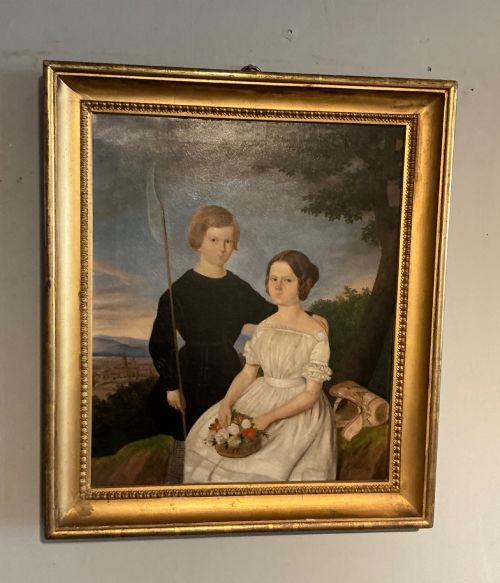
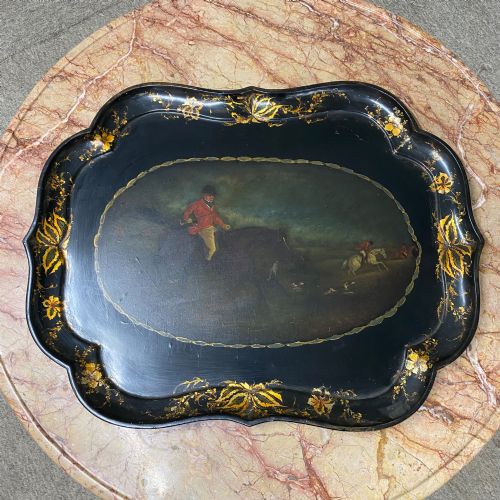
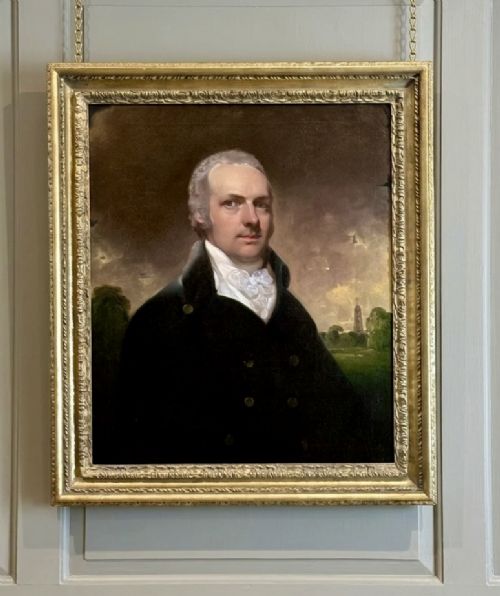
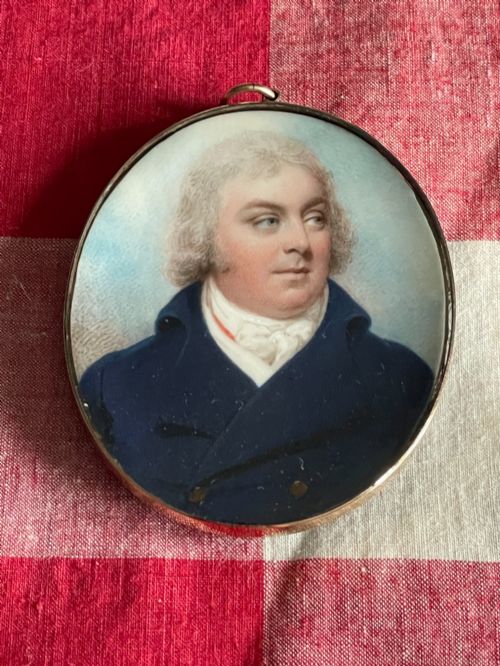
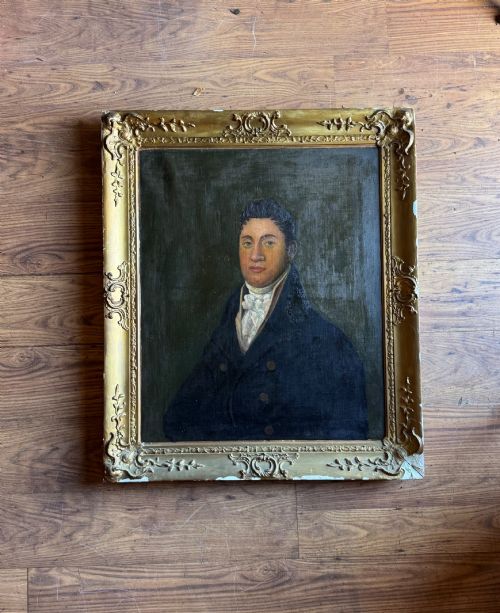
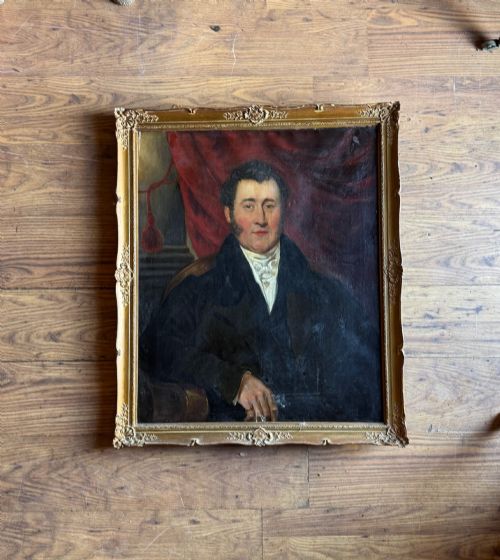
When you search for regency art, you encounter a selection of oil paintings, portrait miniatures and works on paper created during the late eighteenth and early nineteenth centuries. These pieces reflect the prevailing aesthetic of the Regency and Georgian eras, with a strong emphasis on portraiture and classical subjects.
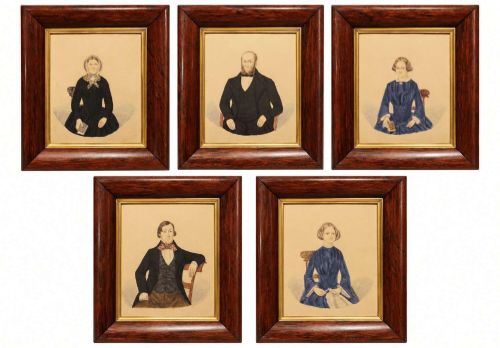
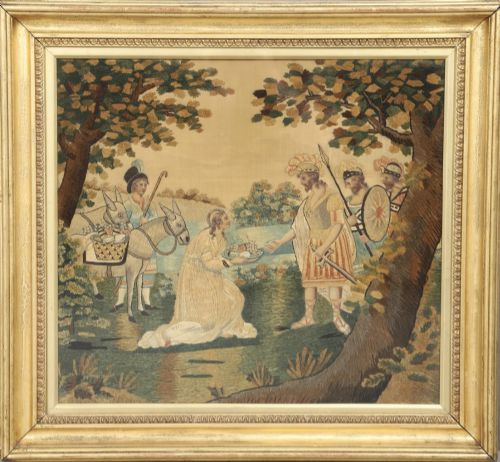
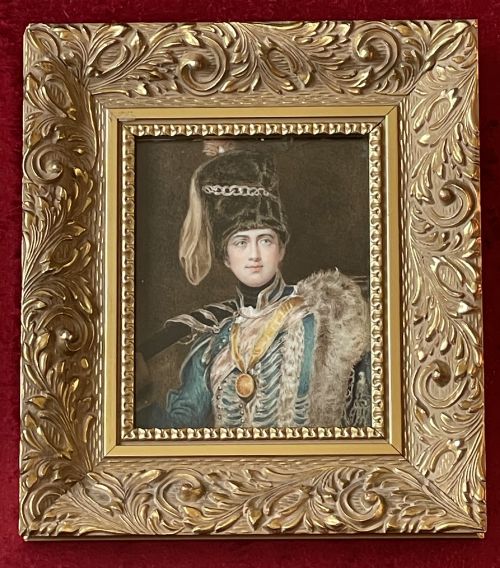
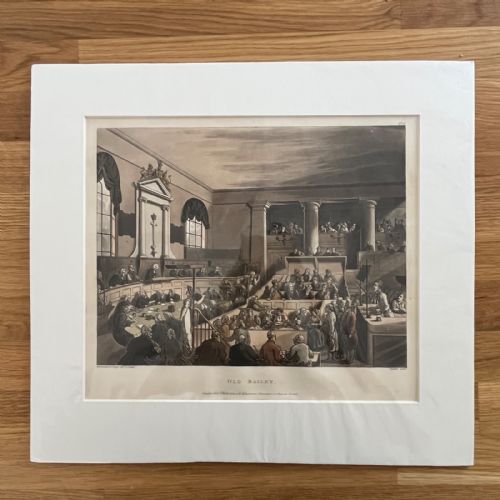
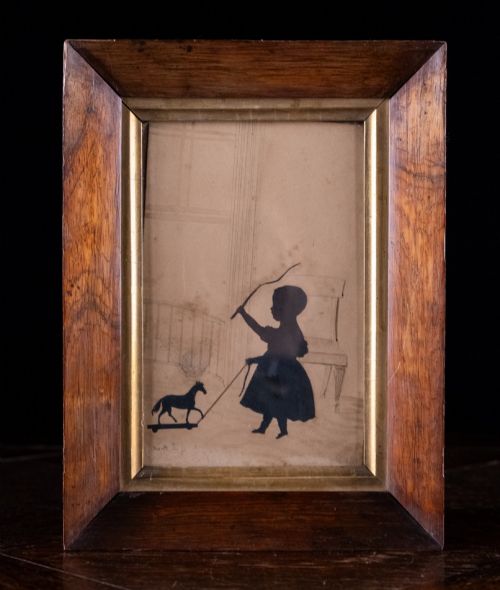
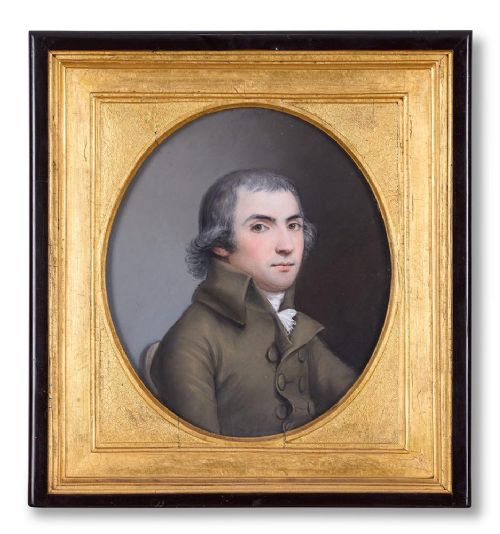
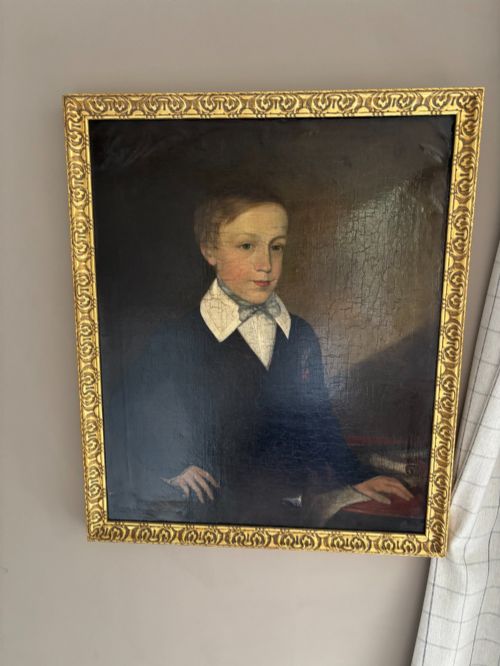
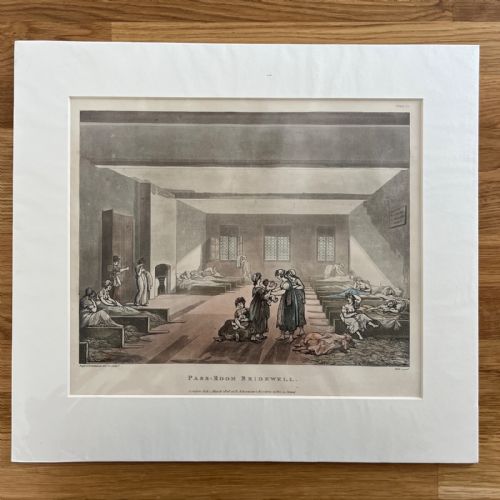
The items found here range from detailed watercolour studies of children and officers to larger oil on canvas portraits and reverse prints on glass. Alongside traditional paintings, the selection includes cut paper silhouettes and painted porcelain plaques characteristic of the period.
The origin of these works spans British schools and named artists working within Neoclassical and Regency styles. Buyers searching this term often seek authentic visual records of the period to complement historic interiors.
Materials and construction
The pieces rely on traditional media such as oil on canvas, watercolour and enamel applied to paper, panel or glass. Artists of the period utilised gold leaf and giltwood to frame miniature portraits and larger canvases, adding depth and structure to the finished work.
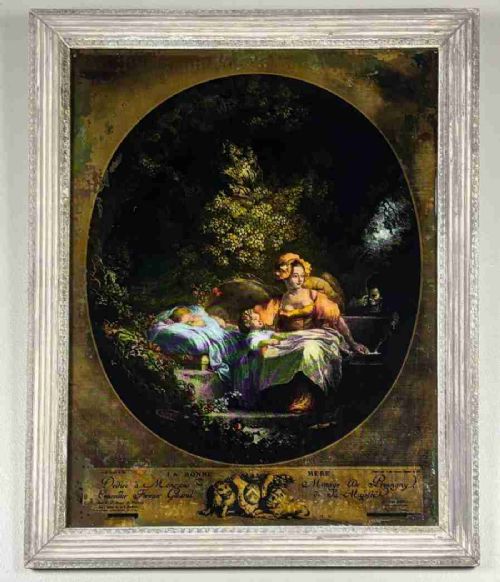
Paper silhouettes frequently incorporate delicate cut work alongside ink and watercolour details, while reverse prints on glass require meticulous hand-colouring applied directly to the rear surface before framing.
Regency Art Retail Price Guide 2026
Typical asking prices for regency art among the pieces listed under this phrase on Sellingantiques today, from the lower quarter to the upper quarter. They describe what is for sale here now, not the wider market.
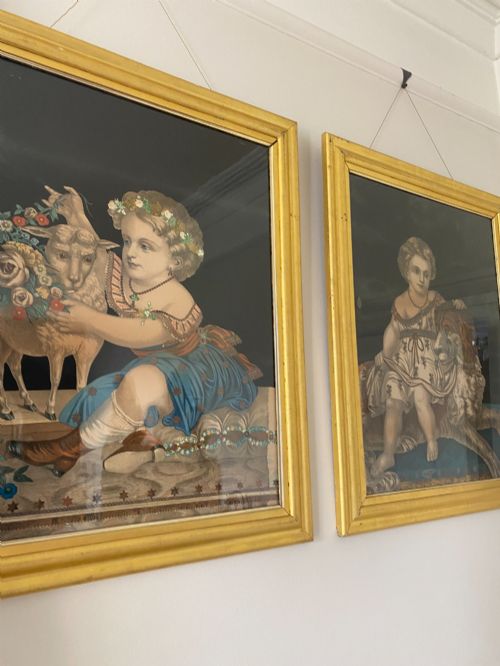
Children's prints occasionally feature unexpected metal embellishments stitched directly onto their clothing.
Distinguishing quality in period works
The construction and original state of the framing also influence the overall standard, as period giltwood frames and gold-plated mountings contribute to the integrity of the piece.
William Wood·Augustin Edouart·Frederick Buck·Margaret Sarah Carpenter·Sir Thomas Lawrence·Joseph Clover·William James Hubard·Sir Martin Archer Shee·James Sharples·John Opie·William Joseph Shayer Senior·Horace Hone·Charles Jagger
The Regency Art Glossary
- Miniature portrait
- A small-scale painting executed on ivory, vellum or paper, requiring fine detail and often housed in a protective case or locket.
- Silhouette
- A portrait profile cut from dark paper or painted in monochrome, popular during the late Georgian and Regency periods.
- Reverse print on glass
- An image transferred or painted onto the back of a glass sheet, creating a glossy finish when viewed from the front.
- Giltwood
- Wood carved and coated with gold leaf or gold paint, commonly used for decorative picture frames of the era.
- Neoclassical
- A style of art and architecture drawing on the classical forms and motifs of ancient Greece and Rome.
Regency Art: Frequently Asked Questions
What defines regency art?
These pieces comprise paintings, miniatures and works on paper produced during the early nineteenth century and the preceding Georgian years. They focus heavily on portraiture and classical themes.
The style is marked by a refined approach to likeness and composition, utilising oils, watercolours and silhouettes to record figures of the era.
How were portrait miniatures displayed?
Portrait miniatures were typically housed in small protective cases, framed in giltwood or mounted with gold-plated ovals. They were designed to be carried, kept on desks or hung in intimate spaces.
The delicate nature of painting on paper or ivory required glass fronts to protect the pigments from dust and handling.
How do I care for antique watercolours?
Works on paper require protection from direct sunlight to prevent the fading of watercolour pigments. Maintaining a stable environment away from excess moisture preserves the paper and backing.
Framing with acid-free mounts and UV-filtering glass helps protect these fragile pieces over time.
What subjects appear in these works?
The primary subject is the human figure, ranging from military officers and children to society ladies and gentlemen. Classical scenes and natural history illustrations also feature alongside traditional portraits.
These subjects offer a direct visual connection to the people and aesthetics of the early nineteenth century.