

Reeded Mahogany Drawers
Reeded mahogany drawers bring together crisp linear carving and rich timber, offering practical storage with distinct architectural detail.
Reeded Mahogany Drawers
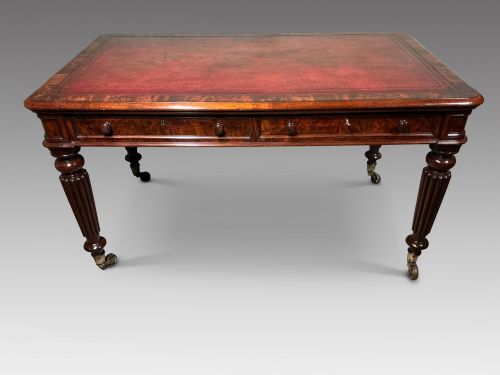
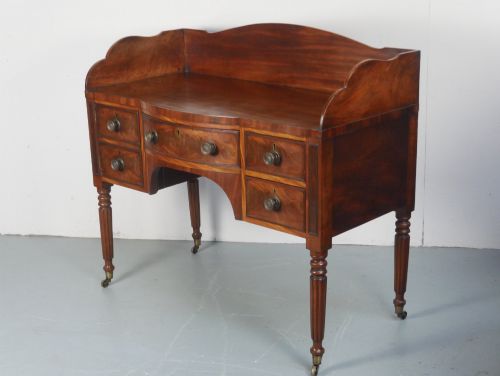
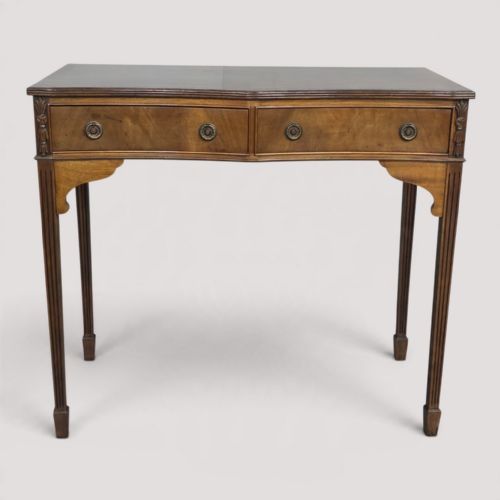
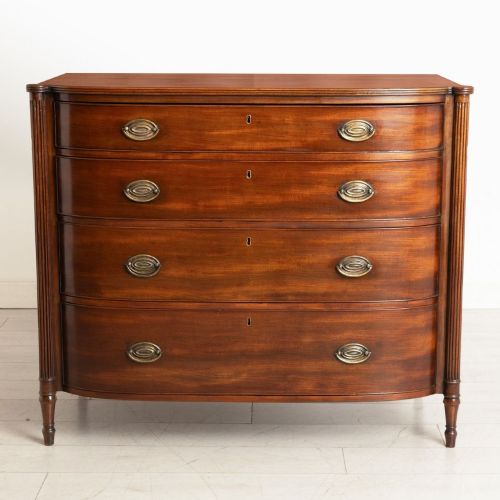
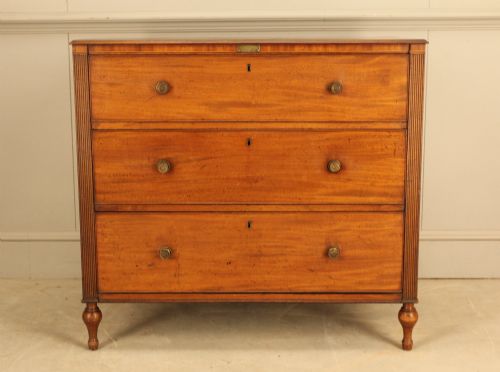
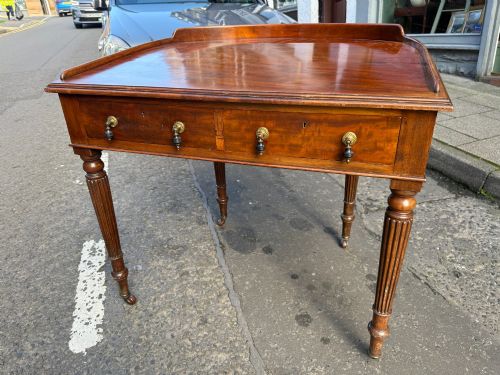
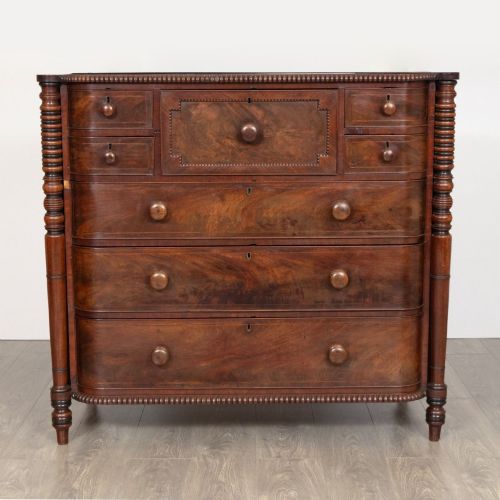
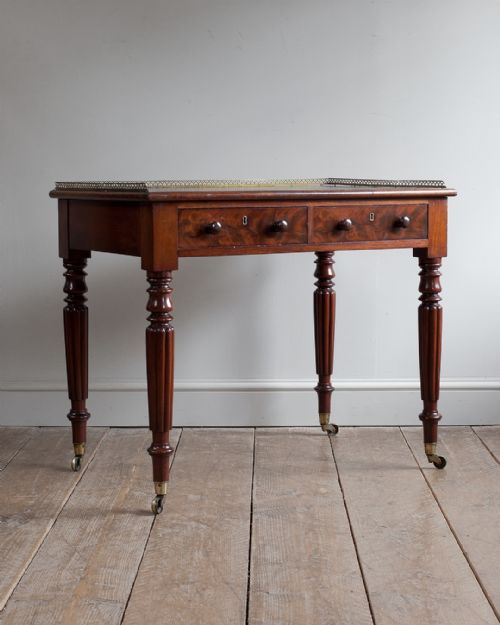
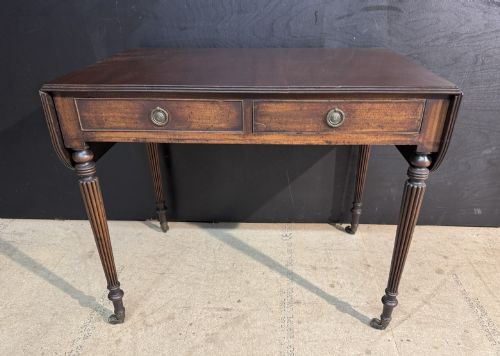
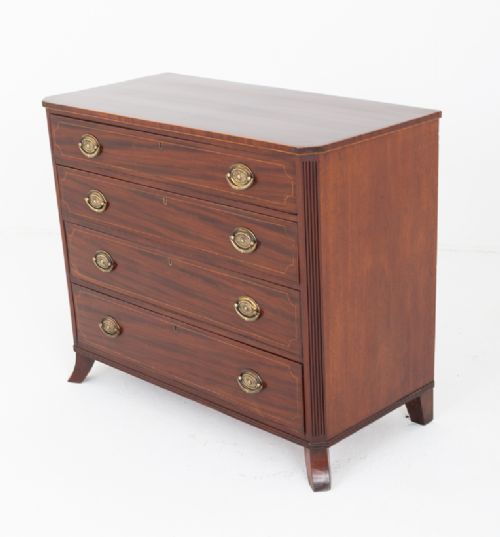
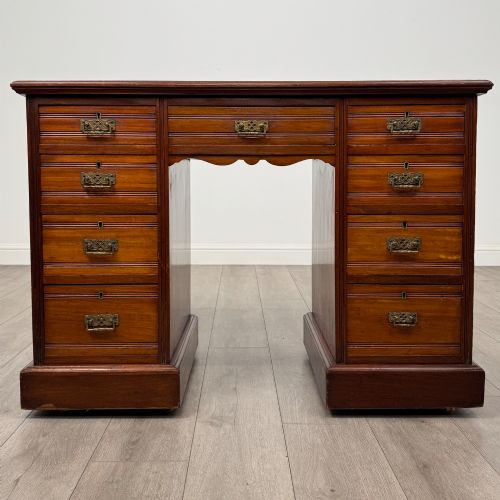
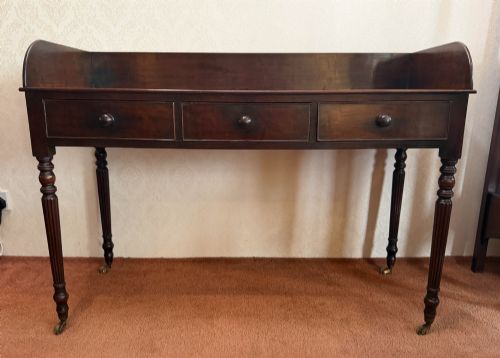
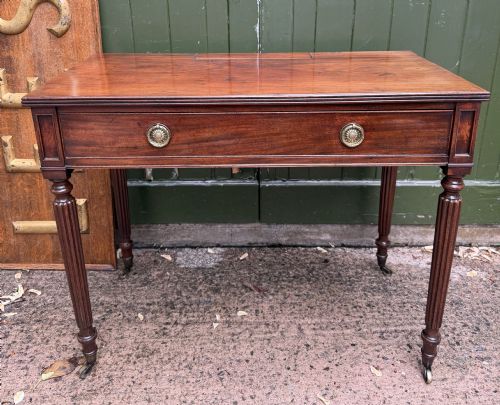
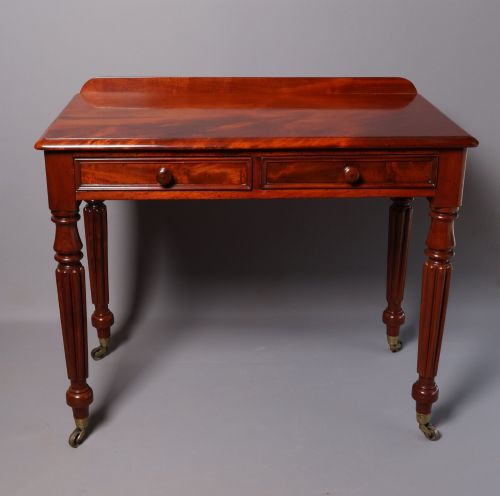
When you search for reeded mahogany drawers, you encounter pieces primarily from the Regency, Georgian, and Victorian periods, alongside Edwardian examples. The selection spans distinct furniture forms, most notably chests of drawers, writing tables, side tables, and work tables.
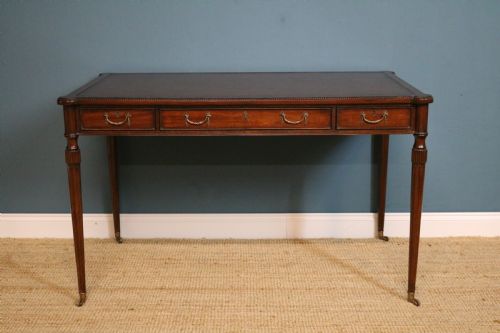
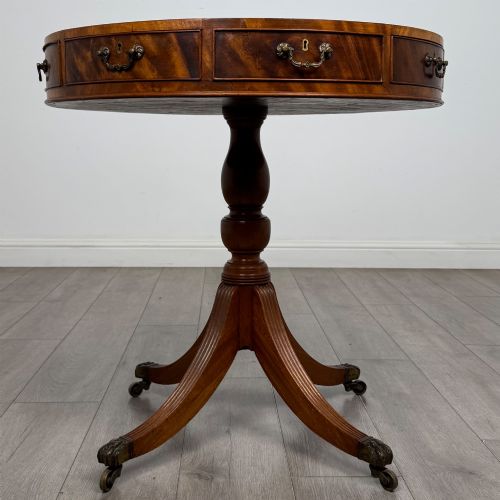
Chest of drawers variants range from straight fronts to bow fronts, often featuring multiple drawers alongside specialised pieces like dressing table mirrors and drum tables. Desks and writing tables dominate the utilitarian forms, employing two to four drawers set into the frieze.
The aesthetic vocabulary bridges formal classical influence and domestic practicality, appearing in styles from George III and George IV through to William IV and Federal designs. Makers and workshops of the era utilised mahogany timber as the primary structural and visual medium across these diverse forms.
Materials and construction
Cabinet makers relied heavily on solid mahogany and flame mahogany veneer, supplemented by secondary timbers such as oak and maple in internal carcase construction. Surfaces often incorporated decorative elements like crossbanding and inlay alongside the signature reeded carved details.
Hardware and functional additions typically include brass handles, brass-capped castors, ceramic components, and tooled leather inserts on writing surfaces. Glass appears on mirrors, while secondary structural details involve precise joinery and turned columns or sabre legs.
Reeded Mahogany Drawers Retail Price Guide 2026
Typical asking prices for reeded mahogany drawers among the pieces listed under this phrase on Sellingantiques today, from the lower quarter to the upper quarter. They describe what is for sale here now, not the wider market.
Listings feature mahogany writing tables, chests of drawers, and work tables spanning the Georgian, Regency, and Victorian periods.
Assessing quality and execution
Excellence in these pieces rests upon the crispness of the reeded carving and the choice of timber, particularly where flame mahogany veneer displays continuous grain matching across drawer fronts. Superior examples exhibit deliberate proportion, refined edge detailing, and integration of brass mounts or castors that complement the primary wood.
Construction integrity separates standard utility items from finer workshop output, evident in the snug fit of dovetailed drawer linings and the stability of secondary timbers like oak. The presence of documented workshop attribution or sophisticated secondary woods shifts a piece toward the upper tier.
Gillows of Lancaster·Gillow and Co
The Reeded Mahogany Drawers Glossary
- Reeded
- A decorative moulding consisting of parallel convex strips placed side by side. It mimics an inverted flute and frequently decorates table legs, drawer columns, and pilasters.
- Bow front
- A convex, outwardly curved front elevation typical of many chests of drawers and sideboards from the Georgian and Regency eras. This contour softens the rectangular profile of the furniture.
- Flame mahogany
- A veneer cut from the fork of the mahogany tree where the branches join the trunk. It creates a distinctive, fiery flame-like pattern across large drawer faces.
- Crossbanding
- A border technique where thin strips of veneer are laid across the grain of the primary surface. It creates a contrasting framing effect around drawer edges and table tops.
Reeded Mahogany Drawers: Frequently Asked Questions
How do I date a reeded mahogany chest?
Dating relies on architectural proportions, handle styles, and construction methods like dovetailing. Regency and Georgian pieces often display sharper hand-carved reeding and softer patination compared to later Victorian or Edwardian reproductions.
Examine the secondary timbers inside the drawers, as oak and pine usage shifts across the decades. Drawer linings and backboards provide reliable clues regarding the exact period of manufacture.
What is a reeded table used for?
These tables served various domestic functions, from writing desks and library work tables to Pembroke and side tables. The integrated drawers provided compact storage for correspondence, sewing equipment, or dining accessories.
In modern interiors, they adapt easily as hallway consoles, dressing tables, or compact desks. Their finished backs often allow them to sit away from walls in open spaces.
How should I care for mahogany surfaces?
Maintain mahogany by dusting with a soft, dry cloth and avoiding silicone-based polishes that build up over time. Natural wax applied sparingly preserves the depth and warmth of the timber grain.
Keep the furniture away from direct heat sources and strong sunlight to prevent the mahogany veneer from drying out or fading. Leather inserts on writing tables require specific leather cream to remain supple.
How do I spot Gillows influence?
Gillows style pieces exhibit meticulous craftsmanship, signature reeded legs, and refined proportions associated with the Lancaster workshop. Brass-capped castors and precise turning are frequent markers of this workshop's output.
While marked pieces are exceptional, unsigned items executed in the manner of Gillows reflect the high manufacturing standards of the early nineteenth century.