


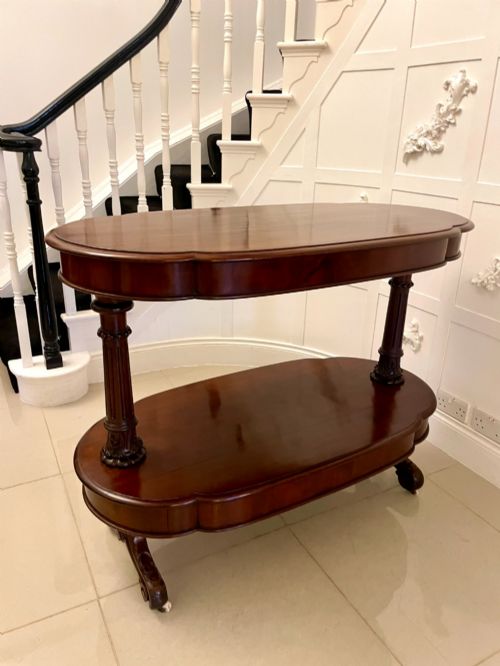
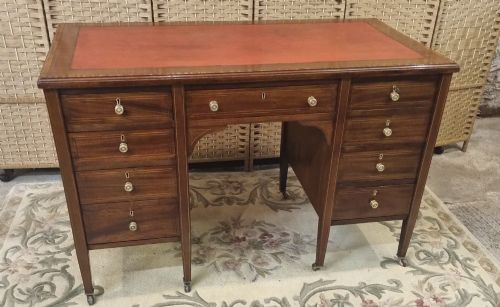
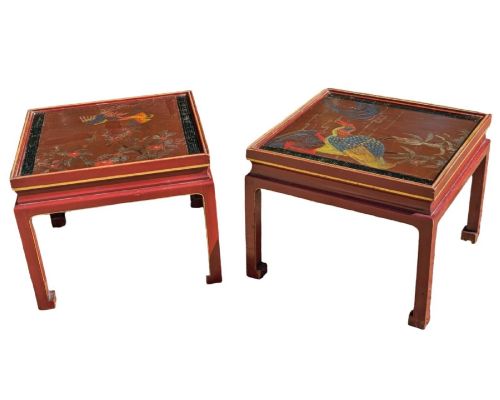
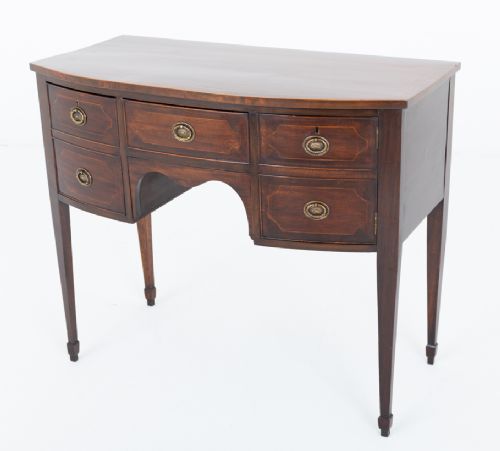
Red Wooden Tables
These red wooden tables bring rich crimson tones and historic warmth to a room through centuries of timber craftsmanship.
Red Wooden Tables
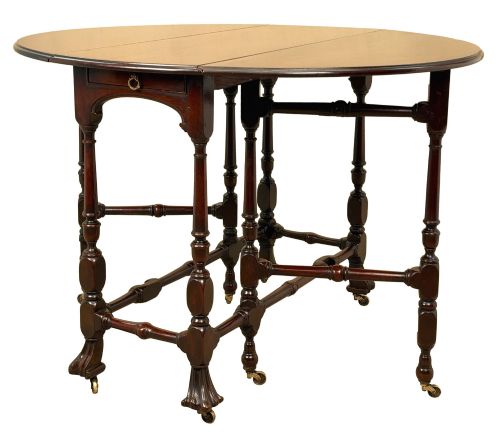
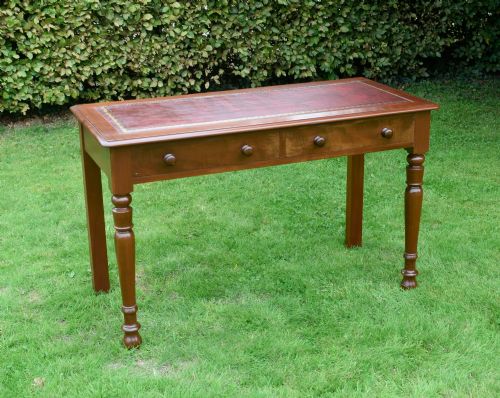
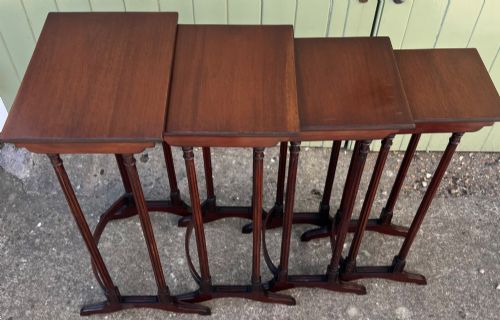
Red wooden tables encompass a diverse range of forms, from compact coffee tables and nests to large console and dining tables. When searching for red wooden tables, buyers encounter pieces spanning the eighteenth, nineteenth and early twentieth centuries, reflecting various stylistic influences.
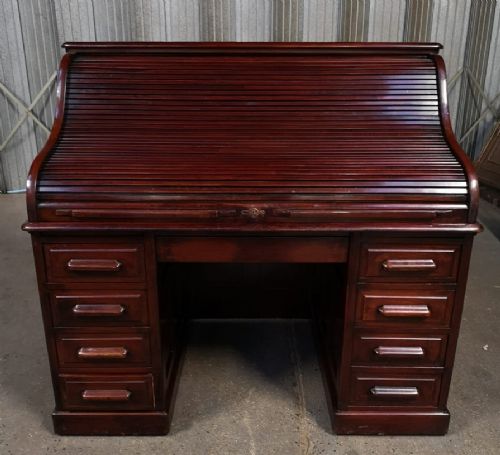
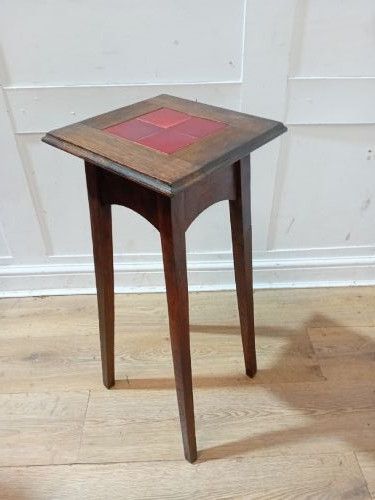
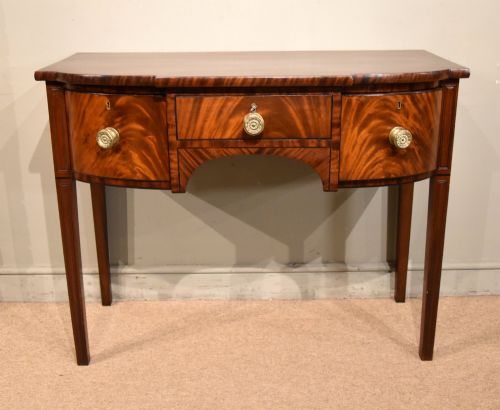
Object types vary widely across the inventory, including side tables, writing desks, and occasional tables. Each period contributes distinct construction methods and proportions, shaping how these red tables function in modern interiors.
Materials and Construction Techniques
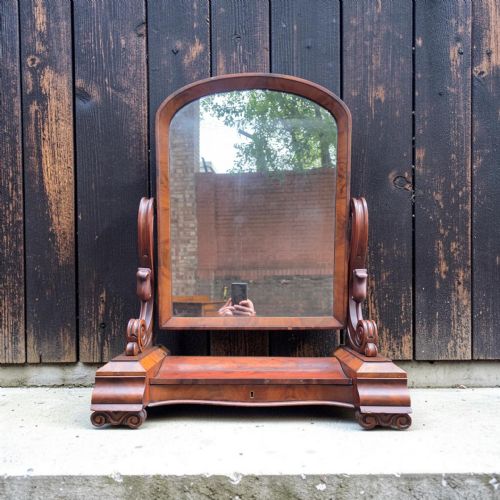
Makers utilised solid timbers like mahogany, walnut, oak and cherry for the frames and tops of these tables. Joinery relied on traditional methods such as mortise and tenon joints to ensure structural stability over generations of use.
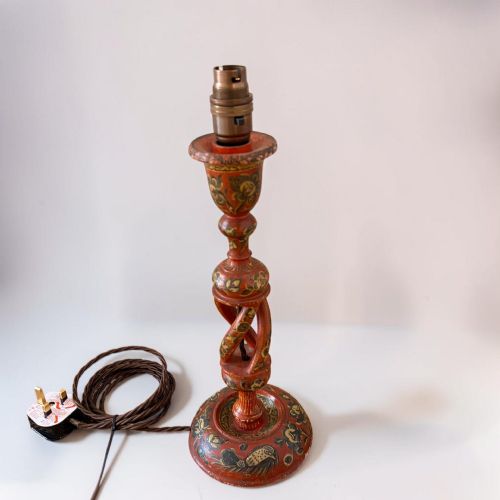
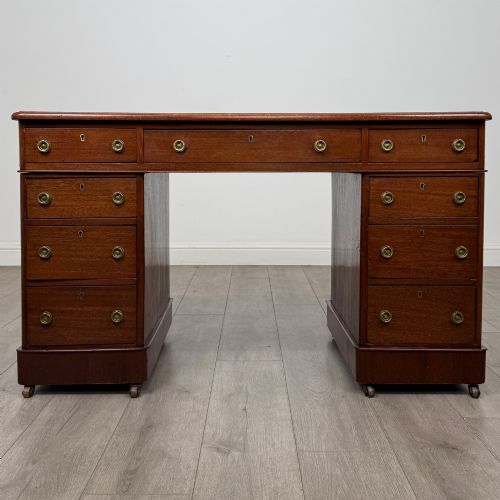
Surface treatments included applied layers of lacquer, traditional paint such as Falu red, and polished wood finishes that highlighted the natural grain. Specialised elements like leather writing surfaces and brass fittings were integrated into desks and console tables.
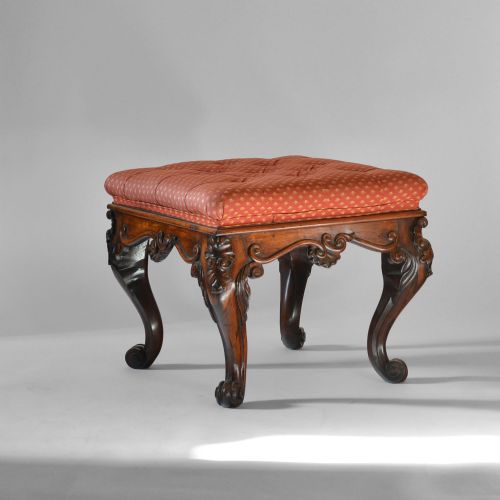
Cabinetmakers shaped timber using hand tools, creating turned legs, bracket feet, and carved details depending on the prevailing style of the period, from Regency elegance to Arts and Crafts simplicity.
Red Wooden Tables Retail Price Guide 2026
Typical asking prices for red wooden tables among the pieces listed under this phrase on Sellingantiques today, from the lower quarter to the upper quarter. They describe what is for sale here now, not the wider market.
Several tables carry the unexpected marks of history, from nineteenth-century writing surfaces to games of squails played on polished timber.
Judging Quality in Red Wooden Tables
Quality rests in the integrity of the timber and the depth of the finish, whether a transparent polish on walnut or an intact historic paint layer. Superior examples display thoughtful proportions and harmonious joinery that withstands daily function without looseness.
The refinement of carved details and the retention of original brass hardware or leather inserts elevate a piece above standard utility items. Subtle patination accumulated through age distinguishes tables with genuine historic character from later reproductions.
The Red Wooden Tables Glossary
- Patina
- The surface sheen and mellowing developed by wood and paint over decades or centuries of handling. It serves as an indicator of age and genuine use.
- Lacquer
- A durable resin finish applied in multiple layers, characteristic of Asian furniture styles. It creates a smooth, glossy red surface resistant to moisture.
- Gateleg table
- A table with hinged legs that swing out to support drop leaves. This design allows the surface area to expand or contract as needed.
- Refectory table
- A long, narrow dining table traditionally used in communal halls. Sturdy stretcher rails provide extra stability to the heavy wooden frame.
- Console table
- A table designed to stand against a wall, frequently secured with brackets. These pieces often feature decorative legs and serve display purposes.
Red Wooden Tables: Frequently Asked Questions
What periods do these red wooden tables come from?
The available selection spans from the eighteenth century through the Georgian, Regency and Victorian eras up to the Edwardian period and nineteen-thirties.
Each era introduces specific regional styles, such as Chinese lacquer work, English mahogany designs, and painted European kitchen furniture.
How do I care for an antique wooden table?
Maintain the finish by keeping tables away from direct heat sources and strong sunlight, which can dry out timber and fade red paint or lacquer.
Apply a suitable wax polish periodically to nourish the wood and protect the surface from everyday wear.
Are these tables suitable for daily use?
Many of these pieces, including coffee tables, sideboards and writing desks, function effectively in modern homes for daily tasks and display.
Sturdy construction from hardwoods like mahogany and oak ensures they handle routine activities while retaining their decorative appeal.
How can I identify the wood beneath a red finish?
Examine unpainted areas underneath the top or inside drawers to observe the grain and colour of the raw timber.
Common woods in this inventory include mahogany, walnut, pine and cherry, each exhibiting distinct weight and grain patterns.