




Red Velvet Cabinet
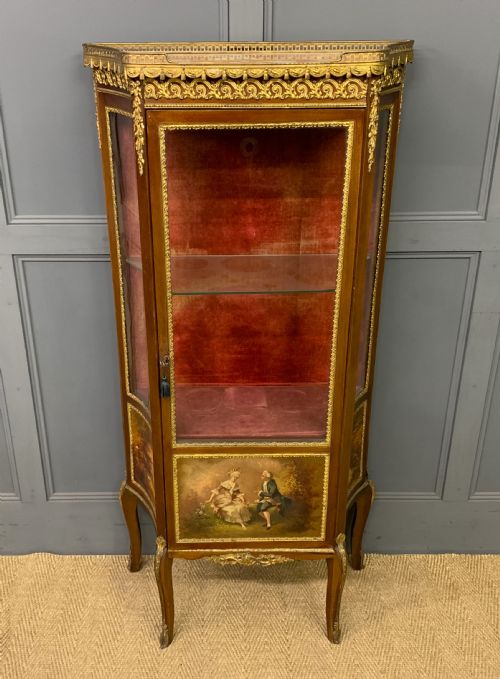
These red velvet cabinet pieces combine fine glass, mahogany, and ormolu mounts to showcase prized possessions with timeless elegance.
Red Velvet Cabinet
A red velvet cabinet search reveals a sophisticated array of display cases, vitrines, and bijouterie tables spanning the Regency, Victorian, Edwardian, and 1920s eras. The selection encompasses freestanding French styles alongside British commercial counters and wall-hanging vitreen forms.
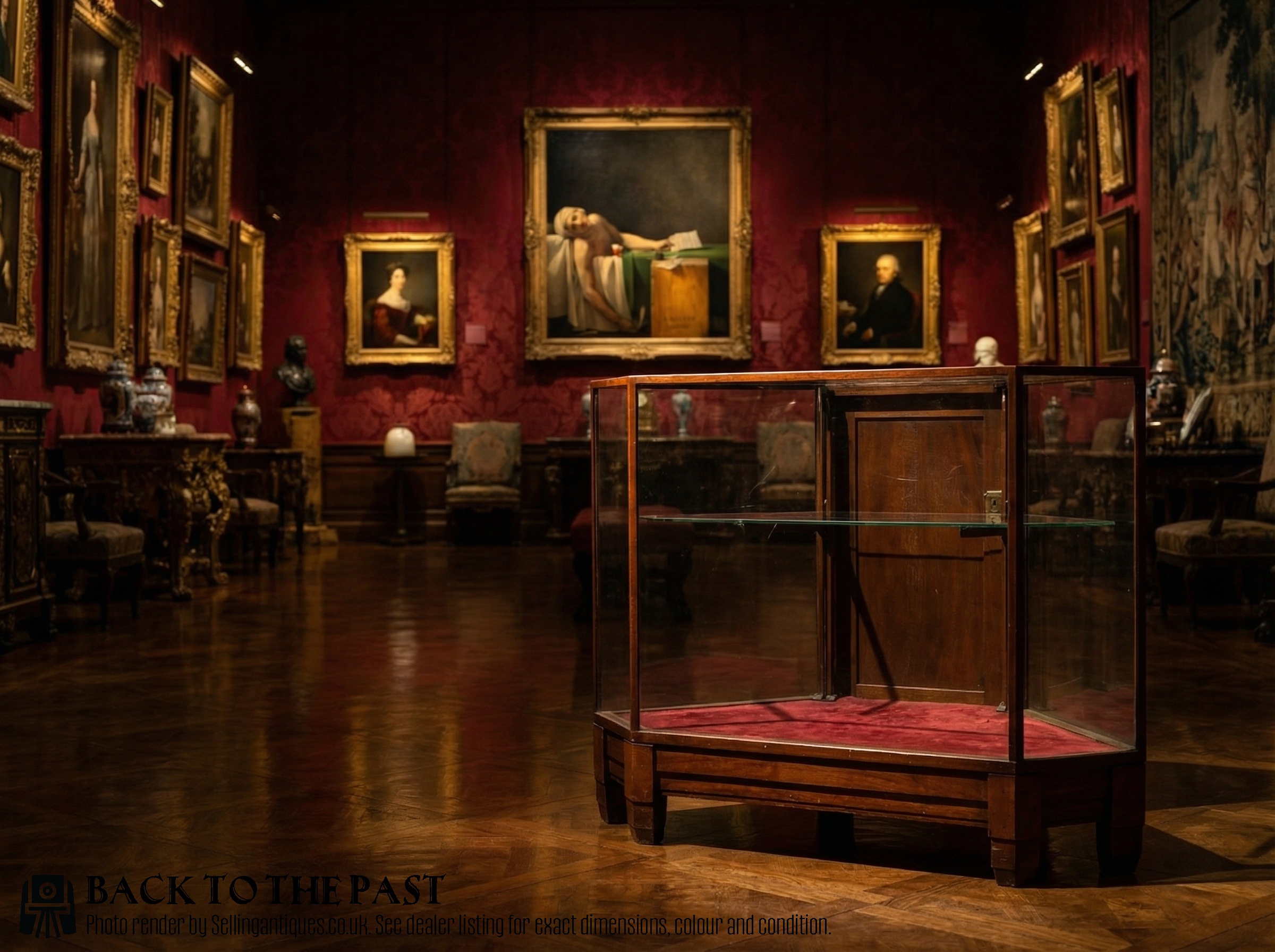
Buyers most frequently encounter mahogany display cabinets and glass-topped bijouterie tables lined with plush red velvet interiors. These pieces range from compact tabletop display cases to large floor-standing showcases with brass and gilt bronze details.
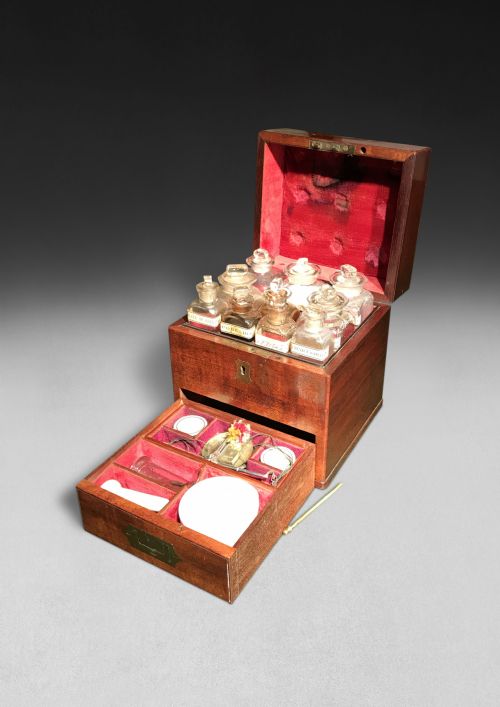
The material evidence shows pieces created for domestic display and commercial presentation alike. Alongside formal French Louis Revival cabinets, the category includes specialised items such as collector cabinets and fitted boxes.
Materials and Construction
Makers utilised solid timbers including mahogany, satinwood, cedar, yew, and kingwood as the primary structural foundations. These woods were frequently combined with glass panels, mirrors, and upholstered textile linings.
Decorative embellishments rely on cast ormolu, brass, and gilt bronze mounts, alongside hand-painted panels and lacquer work. Interior surfaces are lined with tactile fabrics such as red velvet to cushion displayed objects.
Joinery methods reflect the specific form, from delicate bamboo and lacquer frames on bijouterie tables to heavy architectural glass domes and commercial display counters.
Period origins span from the Regency era through Victorian, Edwardian, and 1920s commercial designs.
Assessing Craftsmanship and Finish
The distinction between standard examples and superior pieces rests on the crispness of the ormolu casting and the refinement of the timber grain. Finer cabinets exhibit hand-painted decorative panels, precise marquetry, and heavier gauge brass mounts.
Structural integrity and the quality of the glass panels dictate the overall grade of a display case. Superior joinery ensures that doors align smoothly and heavy glazed tops remain stable across generations of use.
The interior presentation also marks the hierarchy of quality, where intact, high-grade velvet linings and polished mahogany interiors elevate a piece far above utilitarian commercial equivalents.
The Red Velvet Cabinet Glossary
- Vitrine
- A glass-fronted display cabinet or case designed to protect and exhibit porcelain, curiosities, and fine objects. These pieces often feature extensive glazing and ornate mounts.
- Bijouterie table
- A low display table with a glazed top and a velvet-lined interior specifically built for showing small valuables, jewellery, and trinkets.
- Ormolu
- Gilt bronze ornamentation applied to the exterior of furniture and cabinets to provide a gleaming metallic contrast against polished dark wood.
- Vernis Martin
- A type of decorative lacquer finish developed in eighteenth-century France, imitated in later nineteenth-century revival pieces with hand-painted artistic panels.
- Cloche
- A bell-shaped glass cover used as a protective dome over delicate items, standing on an independent base.
Red Velvet Cabinet: Frequently Asked Questions
What were display cabinets used for?
These glass-fronted pieces served primarily to showcase family collections of porcelain, silver, and decorative curiosities in the formal reception rooms of grand homes.
By keeping dust away while maintaining total visibility, they allowed owners to exhibit their social standing and refined tastes to visiting guests.
How do I care for velvet interiors?
Protect the fabric from direct, prolonged sunlight to prevent the deep red tones from fading over the decades. Gentle brushing with a soft, dry tool removes dust without crushing the delicate pile.
Avoid liquid cleaners entirely, as moisture can damage the underlying timber and the historic adhesive holding the lining in place.
Are these cabinets suitable for modern homes?
The compact footprints of Edwardian bijouterie tables and wall-hanging vitrines make them exceptionally adaptable for smaller contemporary living spaces. They provide practical surface storage while creating a focal point for personal collections.
Larger floor-standing mahogany models require more open floor space but offer substantial display capacity for books, ceramics, or glassware.
How can I date a vitrine?
Examine the timber species, the style of the brass hardware, and the construction methods used inside the cabinet frame. Regency and Victorian pieces generally feature heavier timber construction and hand-cut joinery.
Later Edwardian and 1920s examples often incorporate lighter satinwood details, machine-made fixings, and more commercial display orientations suited to retail or home use.