
Red Velvet Back Chairs
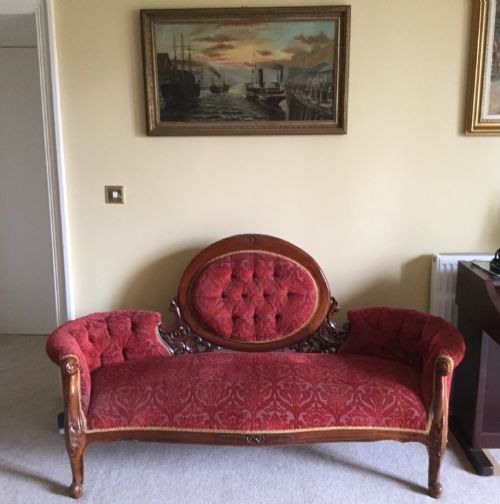
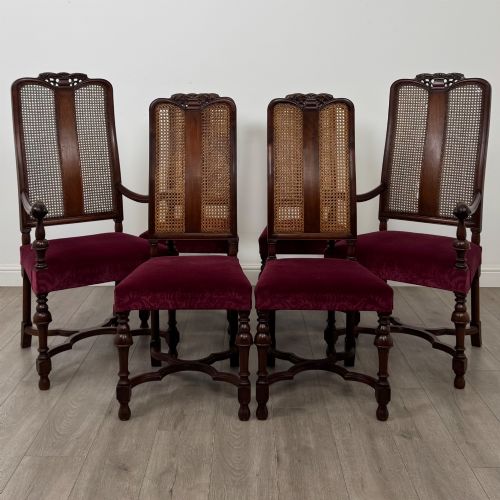
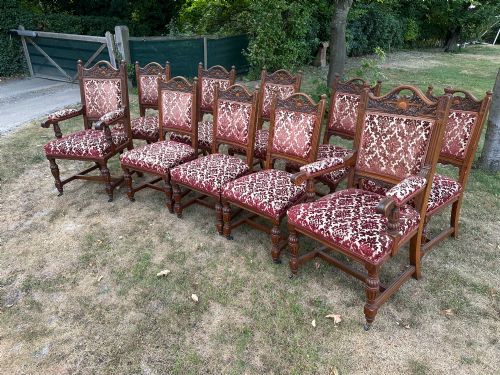
These red velvet back chairs and associated upholstered seats bring tactile warmth and rich colour to a room.
Red Velvet Back Chairs
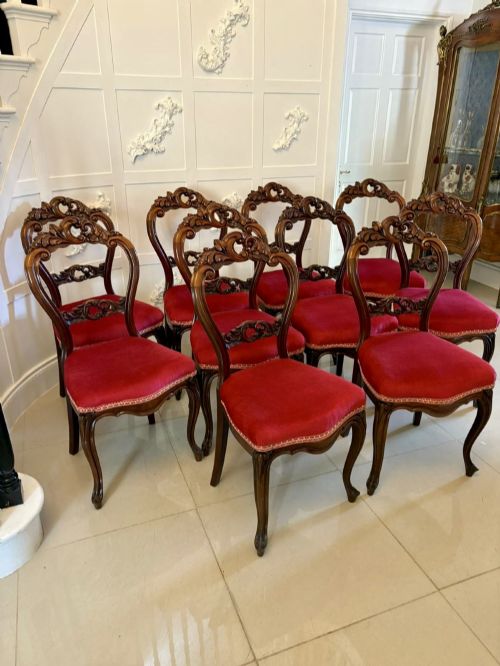
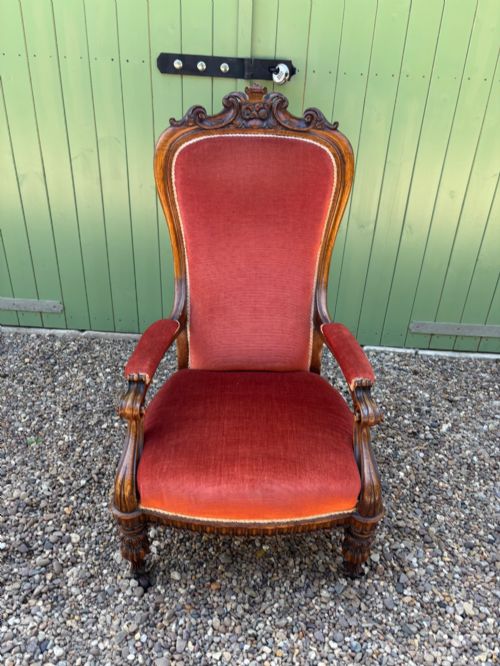
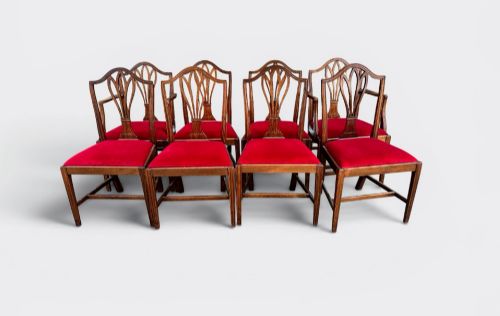
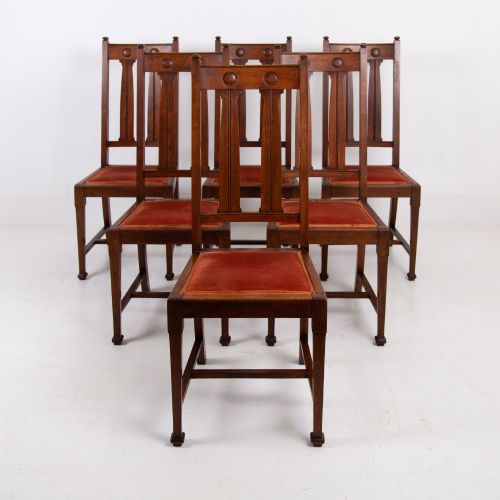
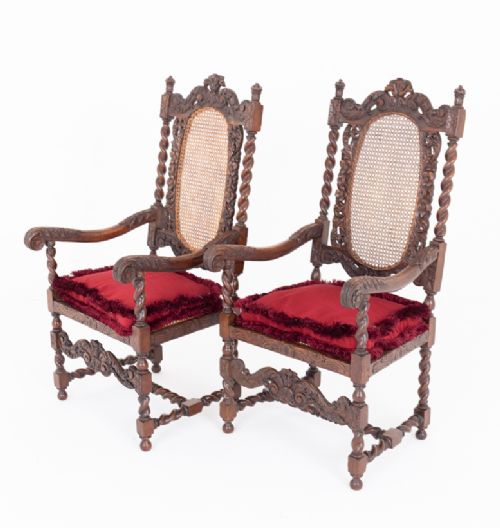
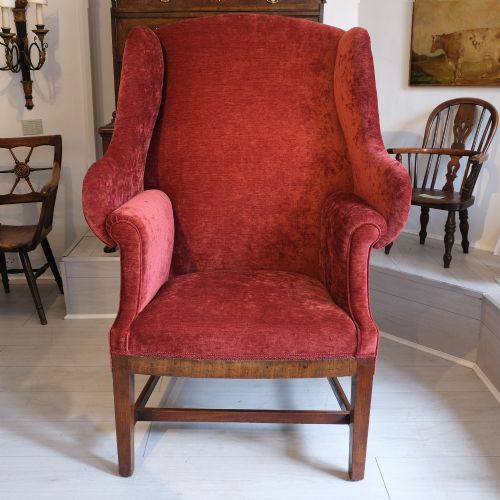
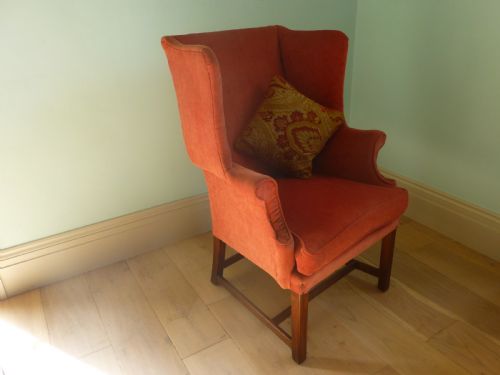
Red velvet back chairs encompass a wide variety of seating forms, including dining chairs, armchairs, and side chairs shaped by centuries of cabinetmaking. The pieces span periods from the Georgian era through the Victorian age and into the Edwardian decades, reflecting shifting domestic fashions.
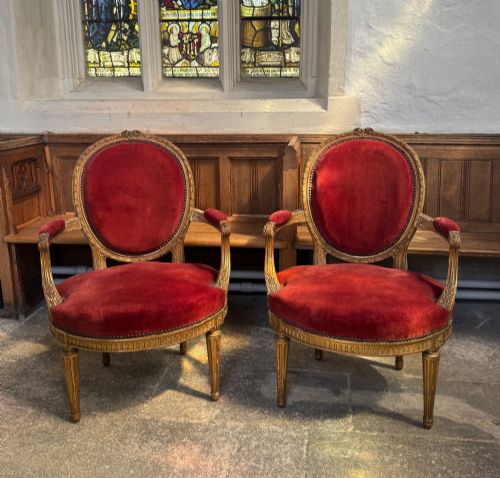
Dining chairs and large armchairs dominate the selection, often appearing in sets or as matched pairs designed for formal reception rooms. Buyers encounter frames constructed in mahogany, walnut, and oak alongside decorative giltwood examples influenced by French styles.
Origin points range from British workshops to French ateliers, showing regional preferences in carving and frame geometry. The upholstery varies from deep pile brocade to chenille and velvet, matching the period character of the wooden frames.
Materials and construction methods
Makers shaped the structural frames from dense hardwoods such as mahogany, walnut, and oak, utilising mortise and tenon joints to ensure long-term stability. Carved details on arms, legs, and crest rails required skilled hand work using chisels and gouges.
Upholstery techniques combined traditional stuffing materials with durable webbing and springs to build up the supportive backrests and seats. Velvet and complementary textiles were secured with brass tacks or piping to frame the upholstered areas cleanly.
Distinctions in craftsmanship
The refinement of the timber carving sets superior examples apart, where crisp lines and deep relief work demonstrate exceptional hand skills. Plain or mechanically produced mouldings indicate standard commercial output rather than bespoke studio production.
The integrity of the frame construction and the quality of the internal upholstery stuffing dictate the physical longevity of the piece. Well-preserved joinery and properly tensioned springs sustain daily use without introducing wobble or sag into the structure.
James Shoolbred·Howard and Sons
The Red Velvet Back Chairs Glossary
- Fauteuil
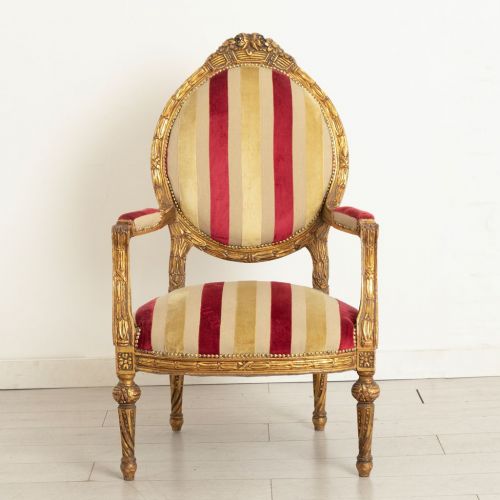
- An open-arm armchair originating in France, typically featuring an exposed wooden frame with upholstered back and arm pads. These chairs gained prominence during the Louis periods.
- Giltwood
- Timber treated with a thin layer of gold leaf applied over a prepared gesso surface. This finish created a brilliant reflective appearance on formal 19th-century salon chairs.
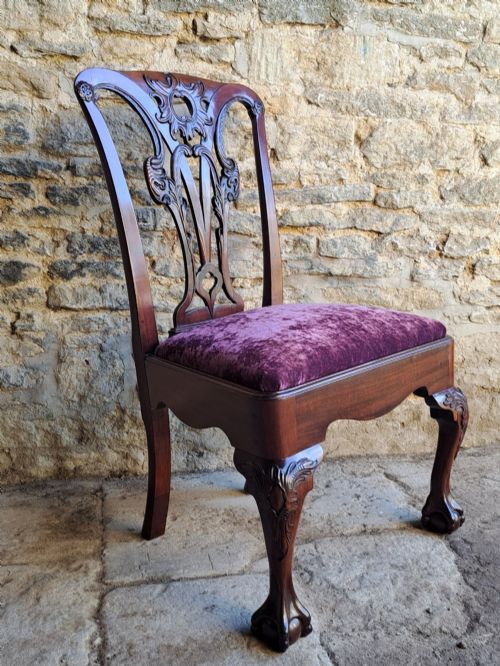
- Chippendale Style
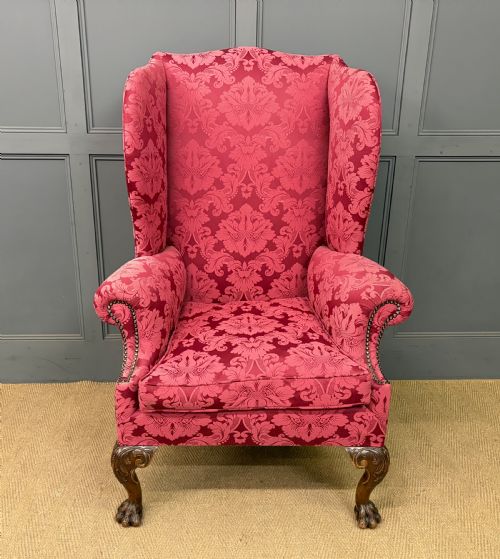
- A design vocabulary inspired by 18th-century cabinetmaker Thomas Chippendale, characterised by intricate back splats and cabriole legs ending in claw and ball feet.
- Bergere
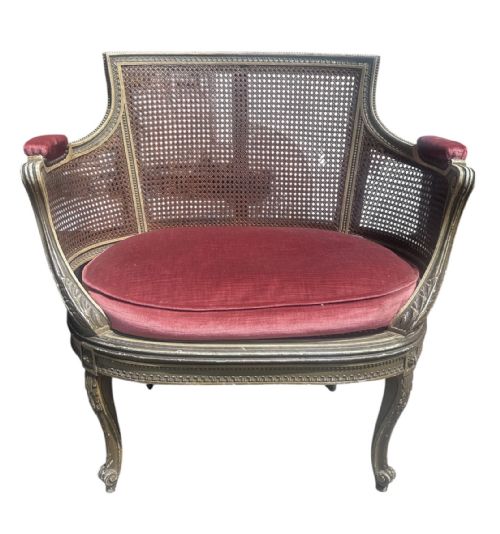
- An enclosed armchair with upholstered sides and back, often incorporating cane work into the wooden frame structure. The design provides a deep, comfortable seat.
- Brocade
- A rich shuttle-woven fabric featuring raised patterns, frequently utilised for period upholstery. It adds textural depth to chair backs and seats.
Red Velvet Back Chairs: Frequently Asked Questions
How do I clean velvet upholstery safely?
Gently brush the pile in the direction of the grain using a soft-bristled brush to remove surface dust. Avoid harsh rubbing or excessive moisture, which can crush the delicate pile.
For stubborn marks, consult a professional textile conservator specialising in historic fabrics. Spot cleaning with domestic detergents often leaves rings on vintage velvet.
Can these dining chairs withstand daily use?
Most solid hardwood frames from the Victorian and Edwardian periods are structurally robust enough for everyday seating. Check that the joints remain tight and the under-framing is secure before placing them into regular service.
Periodic inspection of the glued joints prevents minor looseness from developing into major structural damage. Avoid dragging chairs across uncarpeted floors to protect the legs.
How do I identify the period of a chair?
Examine the timber species, tool marks, and construction techniques visible beneath the upholstery or on the underside. Georgian pieces often display different framing methods and wood selections compared to later Victorian or Edwardian equivalents.
Stylistic motifs such as cabriole legs, spade feet, or carved crest rails offer strong chronological clues. Comparing the frame against dated examples helps narrow down the decade of manufacture.
Are replacement fabrics historically accurate?
Re-upholstered pieces frequently utilise modern textiles that match the weight and texture of original coverings. Brocade, chenille, and velvet variants are chosen to complement the age and style of the wooden frame.
Using period-appropriate cloth maintains the visual harmony between the textiles and the carved woodwork. High-grade modern velvet provides durability while respecting traditional aesthetics.