



Red Uzbek Ilgich
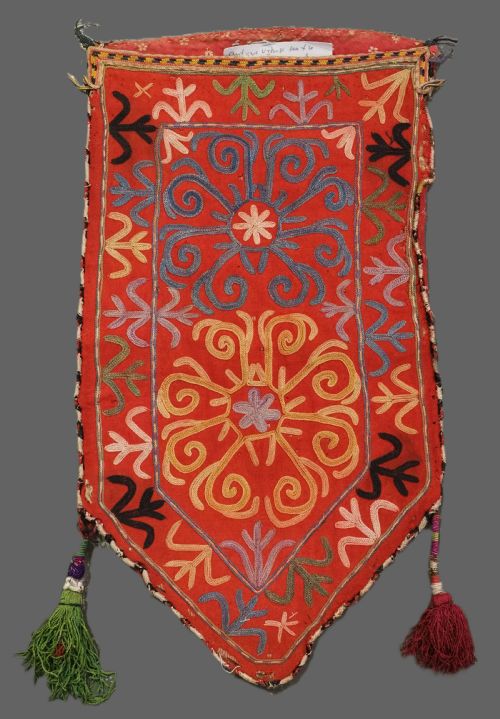
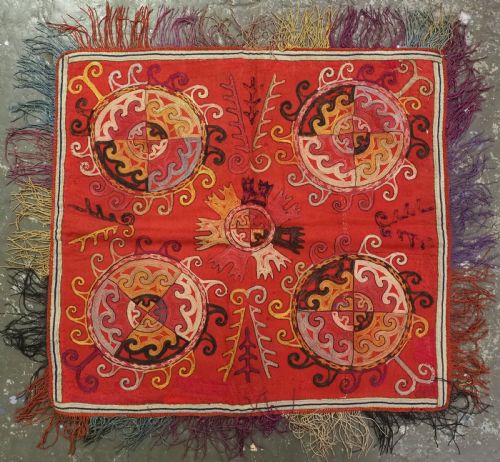
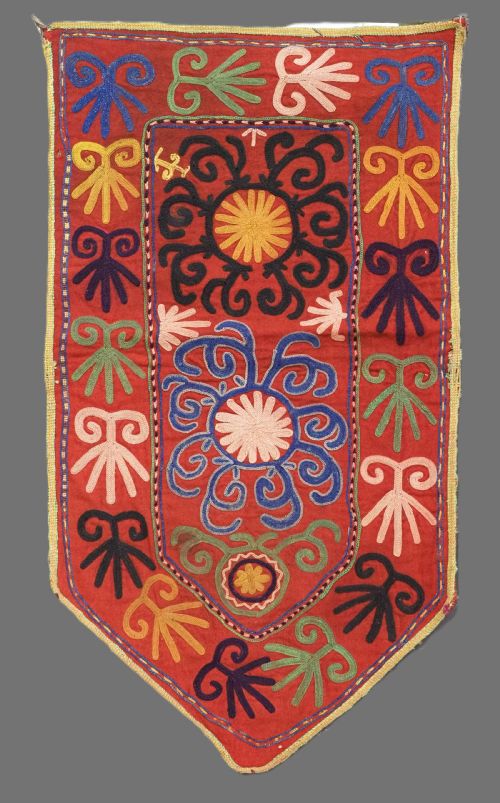
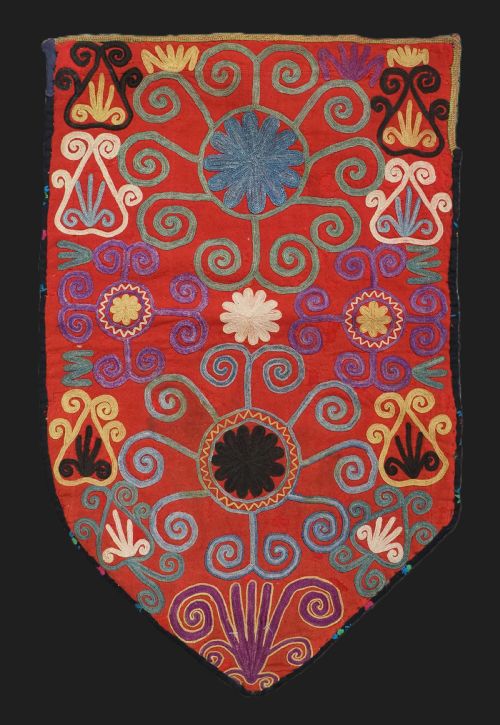
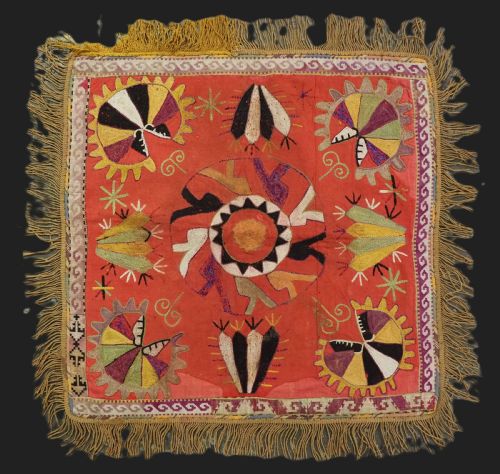
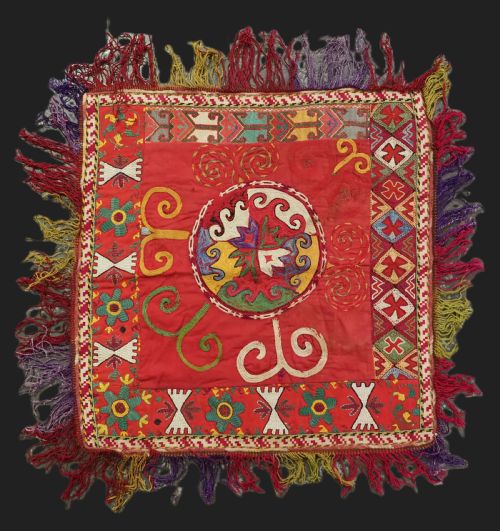
These red uzbek ilgich pieces are vibrant Central Asian tribal wall hangings created to bring rich nomadic textiles into domestic spaces.
Red Uzbek Ilgich
A red uzbek ilgich represents traditional Central Asian tribal textile art often originating from the Lakai tribe and Shakrisabz. These pieces function as wall hangings and dowry embroideries made to adorn nomadic living spaces.
The most common examples encountered on this page are double faced uut kap ilgich or at torba ilgich formats. They arrive from periods spanning the late nineteenth and early twentieth centuries, specifically around 1880 to 1900.
How They Were Made
The construction relies upon a wool ground, frequently described as Mogul red wool, which provides a vivid backdrop for the textile work. Artisans combine this wool base with supplementary silk and cotton elements.
Needlework techniques define these tribal pieces through dense embroidery. The Maker applies coloured threads onto the woven foundation to build the distinct Central Asian nomad designs seen across the surface.
Red Uzbek Ilgich Retail Price Guide 2026
Typical asking prices for red uzbek ilgich among the pieces listed under this phrase on Sellingantiques today, from the lower quarter to the upper quarter. They describe what is for sale here now, not the wider market.
Materials across the selection consistently involve wool, silk, and cotton combined on red grounds.
What Varies in Quality
The standard of a red uzbek ilgich depends upon the tightness and precision of the embroidery work across the red wool ground. Denser thread application and more intricate pattern execution distinguish finer examples.
Preservation of the original silk and cotton materials also shapes the overall character of the piece. Well-maintained surfaces retain their vivid colour contrasts and structural integrity.
The Red Uzbek Ilgich Glossary
- Ilgich
- A Central Asian tribal wall hanging or embroidery. These textiles were traditionally used to decorate the interior of nomadic tents.
- Uut Kap
- A storage bag or tent hanging associated with tribal domestic life. They form the structural basis for many related ilgich pieces.
- Torba
- A small hanging bag produced by nomadic groups. Examples often feature specialised embroidery work specific to regional tribes.
- Lakai
- A Central Asian Uzbek tribe known for distinctive nomadic embroidery. Their textile art utilises bold geometric and figurative motifs.
- Shakrisabz
- A city in Uzbekistan historically significant for textile production. Pieces originating from this region display specific local design traits.
Red Uzbek Ilgich: Frequently Asked Questions
What is a red uzbek ilgich?
A red uzbek ilgich is a traditional embroidered textile wall hanging from Central Asia. These items were produced by nomadic groups such as the Lakai tribe.
They often served as dowry embroideries or decorative elements within the home. The form includes specific types like uut kap ilgich and at torba ilgich.
How old are these textile hangings?
The pieces available date from the late nineteenth century to the early twentieth century. Specific examples align with the periods around 1880, 1890, and 1900.
This timeframe represents the era of traditional tribal production before modern commercial methods altered local craftsmanship. Dating relies on stylistic analysis and material examination.
What materials make up an ilgich?
The construction primarily utilises a wool ground, often described as Mogul red wool. This provides a sturdy base for the intricate needlework.
Silk and cotton threads are applied over the wool foundation to create the colourful patterns. These natural fibres respond best to careful handling and gentle cleaning.
How do I hang a textile piece?
Wall hangings require careful mounting to distribute the weight evenly across the fabric. A professional framer can stitch the textile to a padded backing board.
Alternatively, a sleeve can be attached to the reverse for a hanging rod. Direct sunlight should be avoided to protect the red wool and silk threads from fading.
Where were these pieces made?
Production occurred within Central Asia, specifically associated with Uzbek groups and regions like Shakrisabz in Uzbekistan. Tribal communities created these works for their own domestic use.
Nomadic lifestyles influenced the portable nature of these decorative items. Each region developed distinct colour choices and embroidery patterns.