
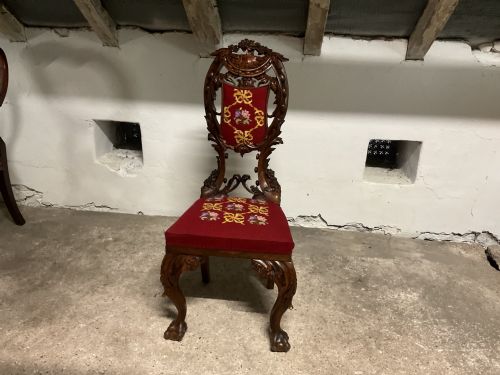
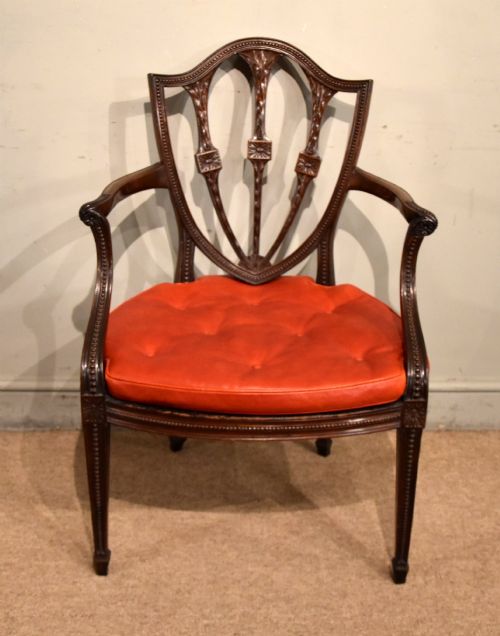


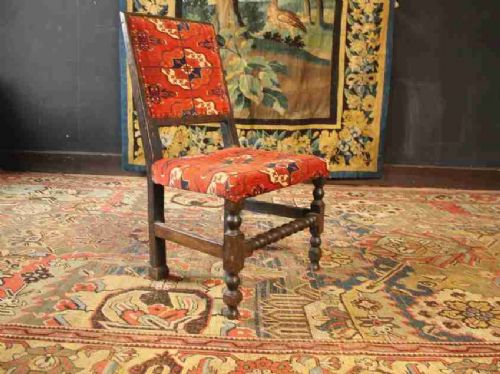


Red Upholstered Hall Chair
A red upholstered hall chair brings warmth and presence to an entryway, combining structural timber with rich textile seating.
Red Upholstered Hall Chair
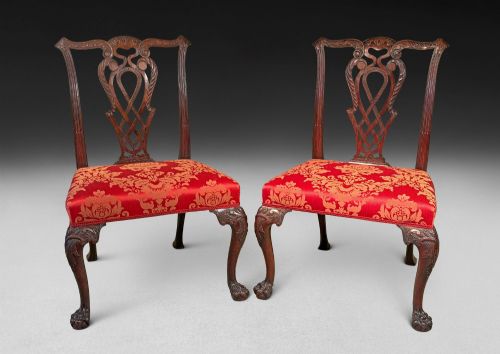
A red upholstered hall chair typically appears as a sturdy single seat or pair designed for transient use in a passage, vestibule or reception space. When searching for a red upholstered hall chair, buyers encounter pieces spanning the seventeenth century through to the Edwardian period, executed in various regional interpretations.
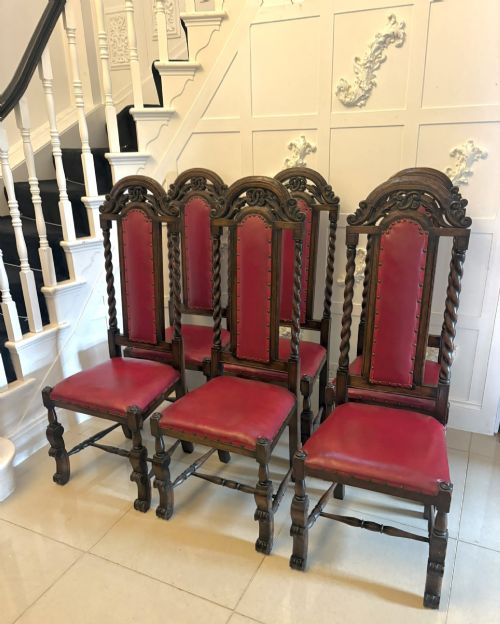
The material record shows these seats adopting multiple forms, including mahogany side chairs, walnut armchairs, and carved oak examples. Victorian and later nineteenth-century variations often display revivalist tendencies, ranging from Gothic influences to ornate continental armchair shapes.
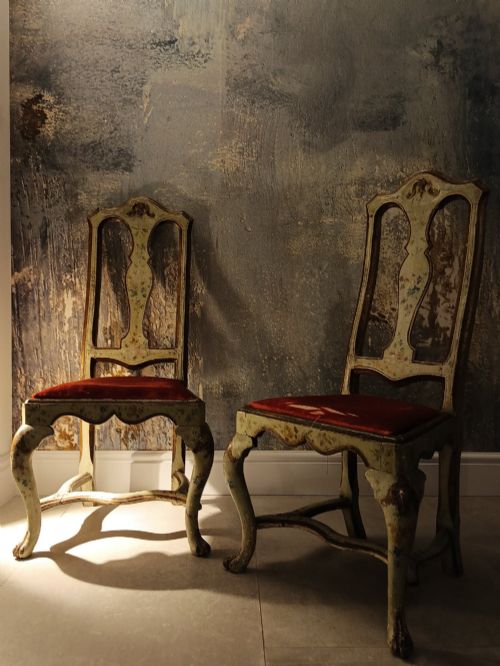
Early iterations lean towards robust timbers like English oak and walnut, while later decades favour mahogany and beechwood structures. Regional output brings distinct character, from Italian and French workshops to British cabinet makers.
Materials and construction
Makers constructed these chairs primarily using dense native and imported hardwoods, with mahogany, oak, walnut and beech forming the rigid structural framework. Joinery relied on traditional mortise and tenon methods, often reinforced with hand carving or inlaid details along the rails and splats.
Upholstery techniques applied to these frames incorporate durable fabric, leather, velvet, and hand-stitched needlepoint tapestry secured over padding. Brass elements, such as castors or decorative studs, occasionally finish the lower framework and upholstery borders.
Periods represented span from seventeenth-century English oak to Edwardian mahogany styles.
Craftsmanship and distinction
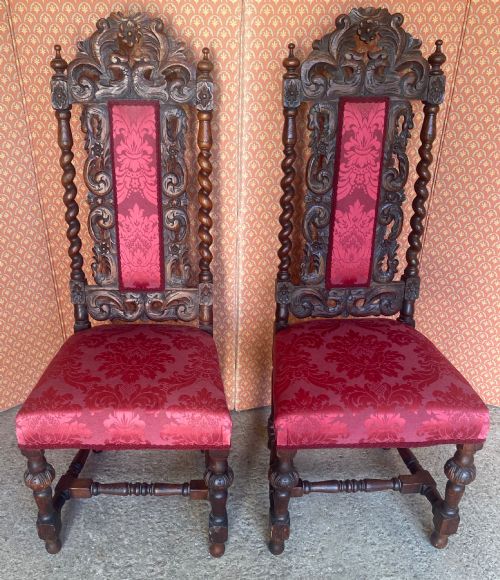
Superior examples of a red upholstered hall chair distinguish themselves through the crispness of timber carving and the integrity of the underlying joinery. Fine pieces display well-proportioned frames where decorative elements like barley twist turnings or marquetry inlay integrate harmoniously into the structure.
The grade of upholstery materials and the precision of the textile attachment further separate standard production from exceptional workshop output. Original hardware, such as stamped brass castors, adds distinct historical authority to surviving nineteenth-century examples.
Liberty & Co·Liberty of London·White, Allom & Co.
The Red Upholstered Hall Chair Glossary
- Hall chair
- A rigid wooden seat intended for occasional use in a grand entranceway, often bearing a family crest or carved decoration. These pieces prioritised upright posture over deep comfort.
- Fauteuil
- An open-armed wooden armchair originating in France, typically featuring exposed carved woodwork and upholstered arm pads. This form frequently appears in walnut or beech frames.
- Prie dieu
- A devotional chair fitted with a low seat and an upper rail designed for kneeling and prayer. Victorian iterations often incorporated barley twist supports.
- Savonarola
- A folding X-frame armchair constructed from intersecting curved wooden slats. This Renaissance revival form offers distinctive structural geometry.
- Inlay
- A decorative technique where contrasting pieces of wood or metal are inserted into recesses within the primary timber surface. This method creates flat ornamental patterns along chair backs and rails.
Red Upholstered Hall Chair: Frequently Asked Questions
Where should I place a hall chair?
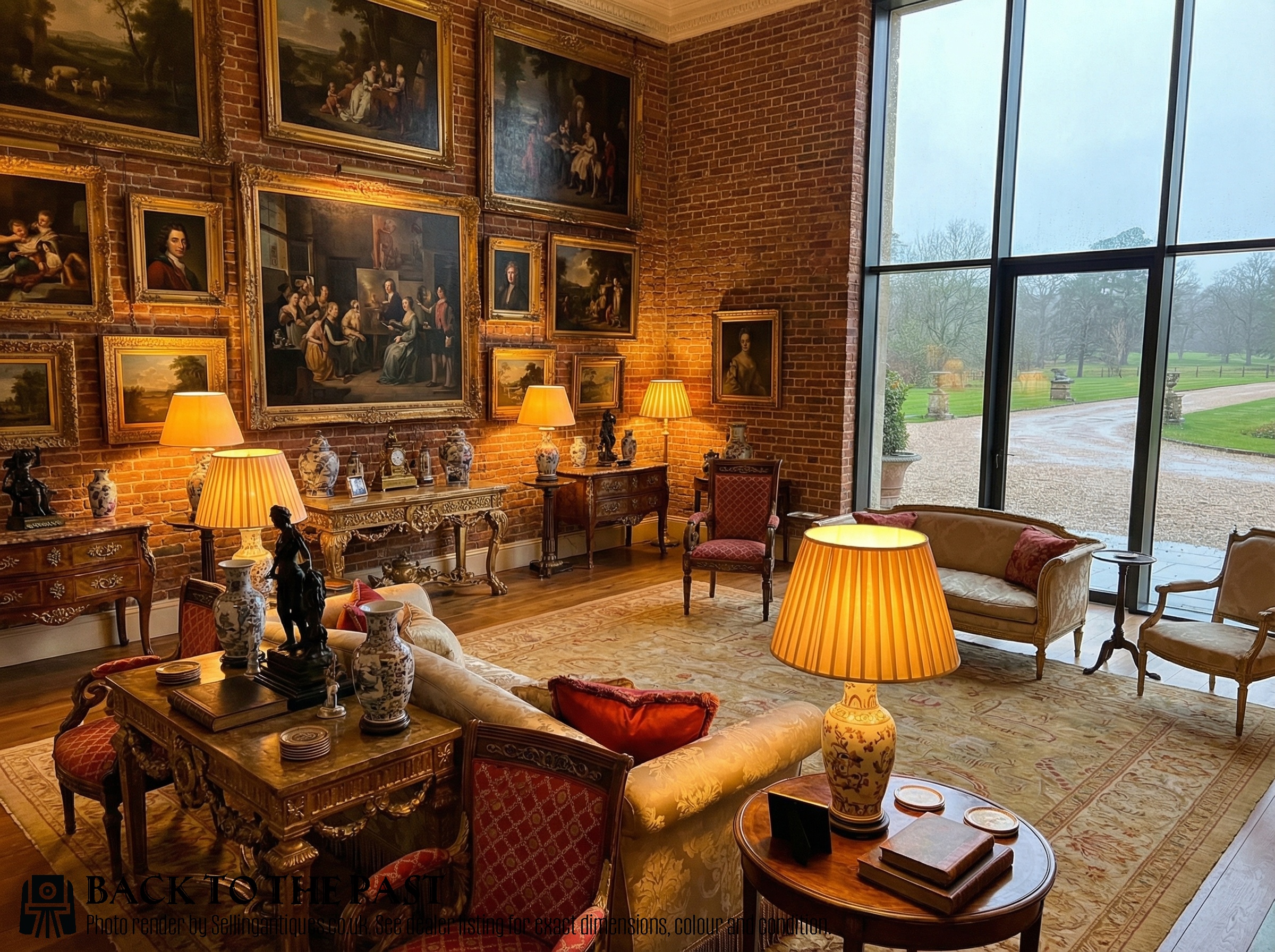
These chairs suit narrow entrance passages, landings, or reception rooms where floor space is limited. Their upright profiles allow them to sit flush against walls without obstructing movement.
They function well as singular sculptural accents or paired symmetrically beneath a mirror or console table.
How do I care for antique upholstery?
Protect the fabric from direct sunlight to prevent fading of the red dyes in textiles, velvet, or leather. Regular gentle vacuuming with a soft brush attachment removes surface dust from the fibres.
Condition leather periodically with appropriate balms while leaving antique tapestries to professional conservators.
Are these chairs comfortable for daily sitting?
Most historic hall chairs were built for brief seating rather than prolonged lounging. Their upright backs and firm padding reflect their original purpose in busy entryways and hallways.
Later Victorian and Edwardian iterations tend to offer slightly more generous proportions for occasional sitting.
How can I date an oak hall chair?
Early seventeenth-century examples display heavy pegged joinery, dense grain patterns, and hand-cut structural elements. Surface patination develops a deep, dark lustre over centuries of handling.
Victorian revival pieces often feature machine-sawn components and crisper, more uniform carving styles influenced by Gothic or Renaissance revivals.