


Gilded Victorian Chair
These gilded victorian chair examples bring ornamental grandeur and historic seating to a room, spanning revival styles and intimate bedroom forms.
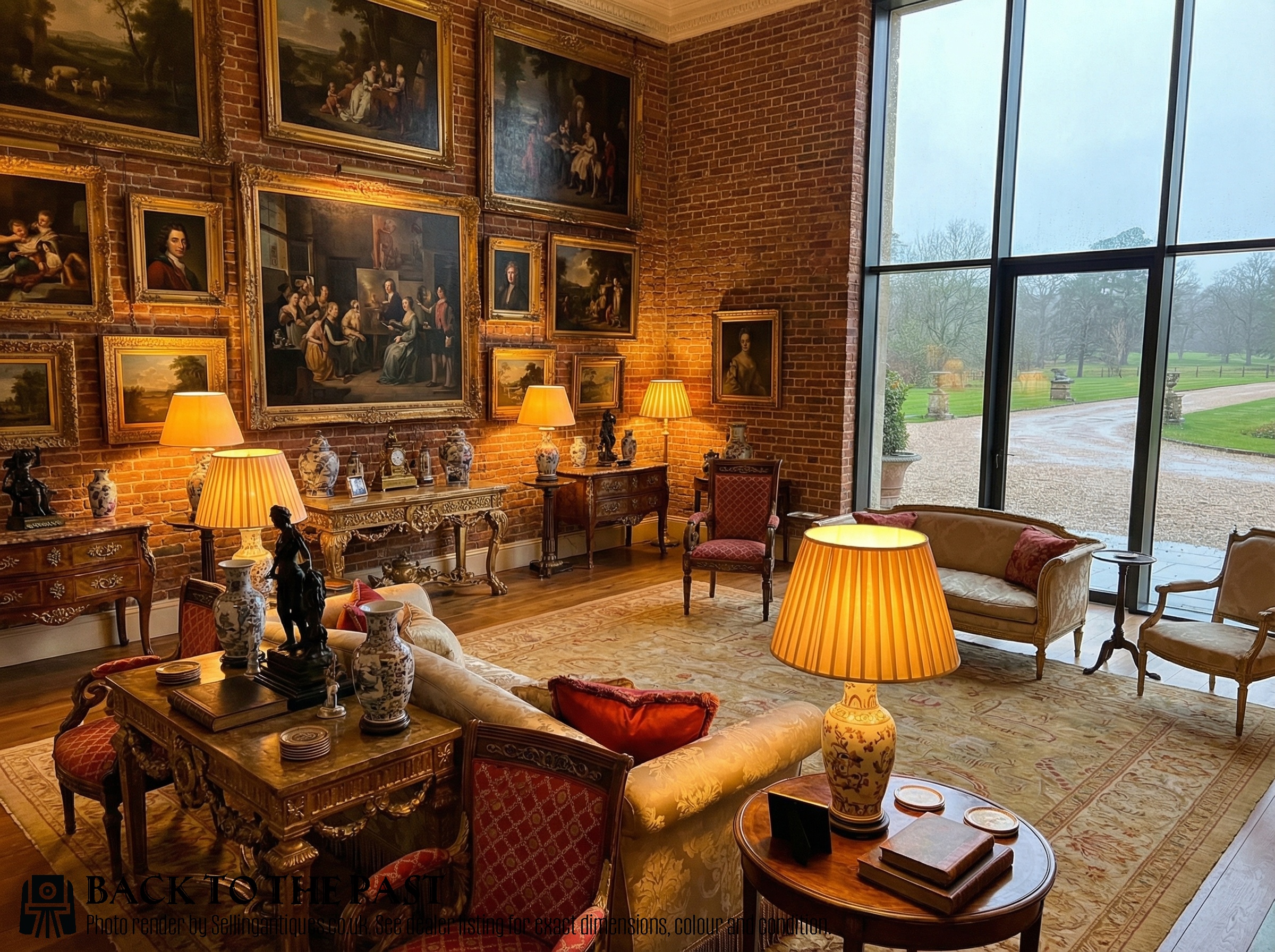
Gilded Victorian Chair
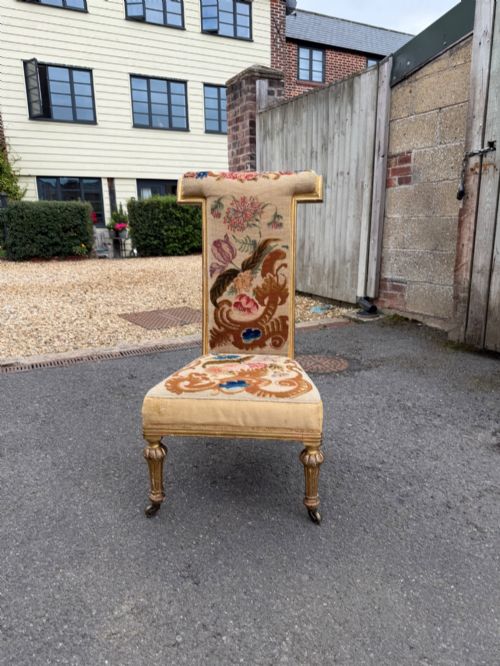
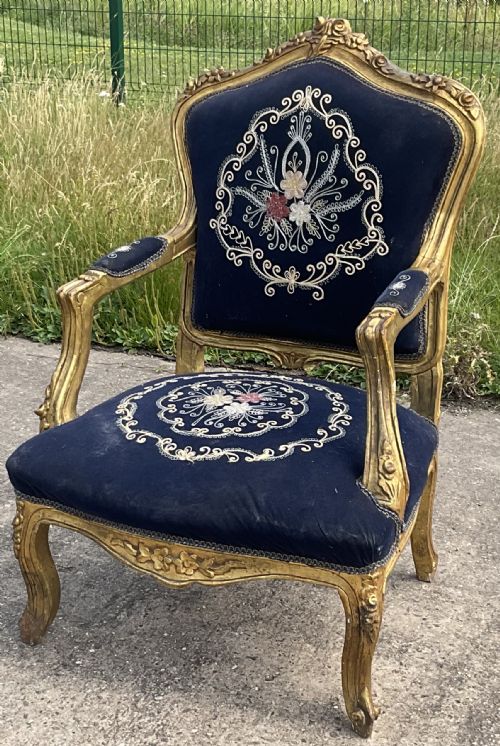
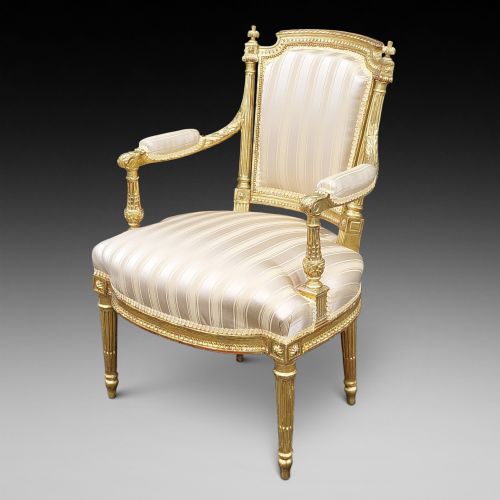
A gilded victorian chair encompasses diverse seating forms designed for nineteenth century interiors, ranging from grand salon armchairs to intimate nursing chairs. The evidence shows a strong presence of giltwood frames alongside ebonised wood and lacquered finishes, often tied to revival movements like Louis XVI and Rococo.
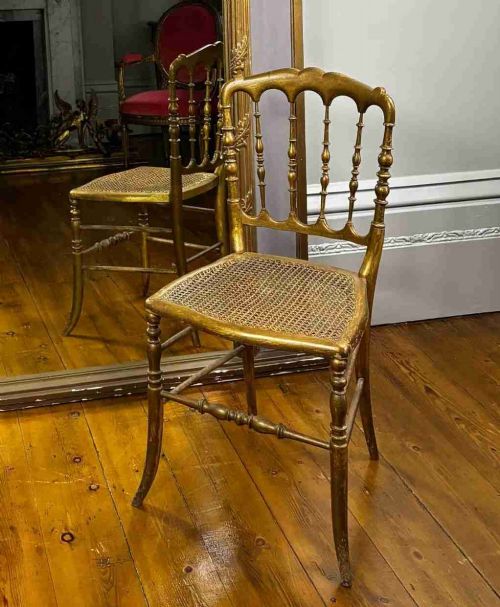
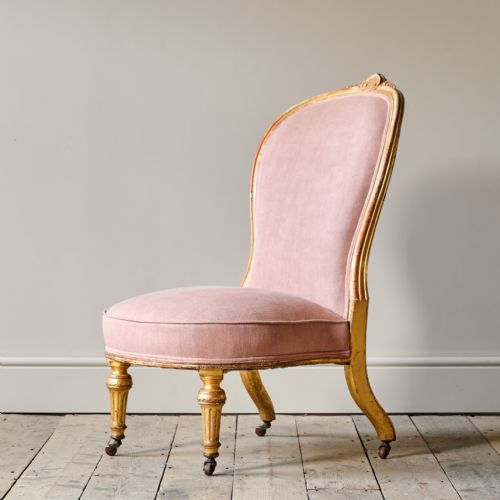
Buyers will encounter various specific types in this selection, including side chairs, slipper chairs, fauteuils, and fireside armchairs. Many pieces reflect mid to late nineteenth century production dates, accompanied by occasional Regency and French nineteenth century pieces that share similar decorative gilding.
The materials paired with these gilt frames include silk fabric, velvet, leather, and caned seats, demonstrating how these chairs served both formal reception spaces and private chambers. Anglo Indian carved wood and Chinoiserie lacquering also appear among the listed variations.
Materials and Technique
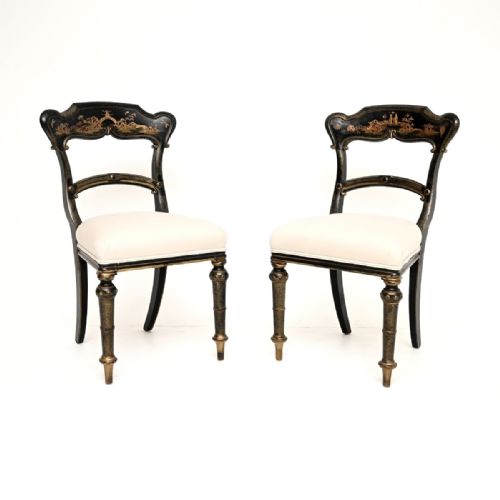
Makers shaped these frames from woods such as beech and carved giltwood, applying layers of gold leaf or surface gilding to achieve an opulent metallic sheen. Ebonised wood provides a contrasting dark ground for gilt highlights, particularly seen in Aesthetic Movement pieces.
Upholstery techniques involved traditional stuffing and springing covered in textiles like silk, velvet, and leather, while simpler variants utilised caned seats or decorated lacquer surfaces. Carved ornamentation defines the structural woodwork, incorporating shell motifs and revival styling.
Listings feature nineteenth century periods alongside Regency examples, utilising materials such as giltwood, ebonised wood, silk, and leather across various chair forms.
Evaluating Quality
Quality rests upon the crispness of the wood carving and the integrity of the original gilt surface rather than later re-gilding. Finer pieces display deeply sculpted detail on the frame and structural joinery that remains rigid through decades of use.
The selection of covering materials, whether period silk fabric, leather, or intricate caning, indicates the original commission tier of the seating. Attribution to known makers or documented workshops further elevates the standing of an individual piece.
Holland & Sons·Bruce J Talbert·Lamb of Manchester·Jennens and Bettridge
The Gilded Victorian Chair Glossary
- Giltwood
- Wood that has been coated with gold leaf or a gold-coloured finish. This material forms the primary structural and decorative basis for many formal nineteenth century salon chairs.
- Fauteuil
- An open-armed upholstered armchair with exposed wooden arms. These French-inspired seats were standard additions to nineteenth century drawing rooms.
- Nursing Chair
- A low-seated chair designed for comfort and close domestic tasks. They frequently feature carved backs and upholstered seats placed upon turned legs.
- Ebonised Wood
- Timber treated to resemble ebony, often highlighted with gilding. This dark finish gained popularity during the Aesthetic Movement.
- Duchess Brisee
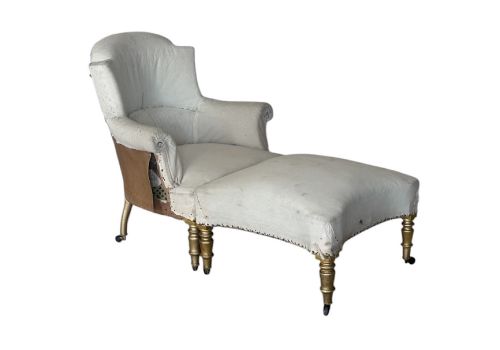
- A multi-part chaise longue or armchair combined with a stool. These pieces provide extended seating for resting within a boudoir or salon.
Gilded Victorian Chair: Frequently Asked Questions
Where were these chairs placed originally?
These chairs occupied formal reception rooms, drawing rooms, and private boudoirs within nineteenth century homes. Salon armchairs and giltwood side chairs furnished spaces for entertaining guests.
Smaller bedroom chairs and nursing chairs served private domestic quarters, offering comfortable seating near hearths or dressing areas.
How do I identify revival styles?
Revival pieces incorporate decorative motifs borrowed from earlier French and English eras, such as Louis XVI scrolling or Rococo asymmetry. Makers blended these historic ornamental elements with nineteenth century manufacturing methods.
Examining the carved woodwork and frame silhouette reveals whether a piece leans toward Gothic, Chinoiserie, or classical French aesthetics.
Are these chairs suitable for daily use?
Many of these pieces function well for seating when the structural frame and internal upholstery support remain sound. Gentle use preserves the delicate gilt surfaces and historic textiles.
Side chairs and salon chairs serve effectively as accent seating in modern interiors where heavy daily lounging is absent.
What distinguishes ebonised frames from giltwood?
Ebonised frames utilise darkened wood surfaces that provide a stark contrast to applied gold leaf highlights. This dark finish became particularly associated with the Aesthetic Movement.
Giltwood frames present an entirely golden metallic exterior achieved through the application of gold leaf over a prepared base.