




Red Tribal Cushion Cover
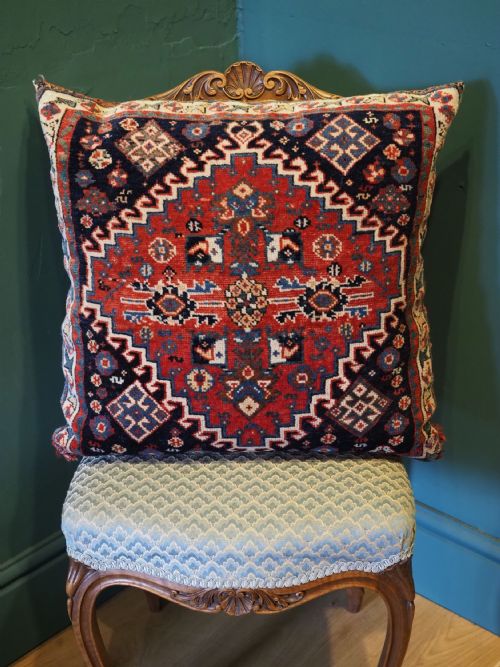
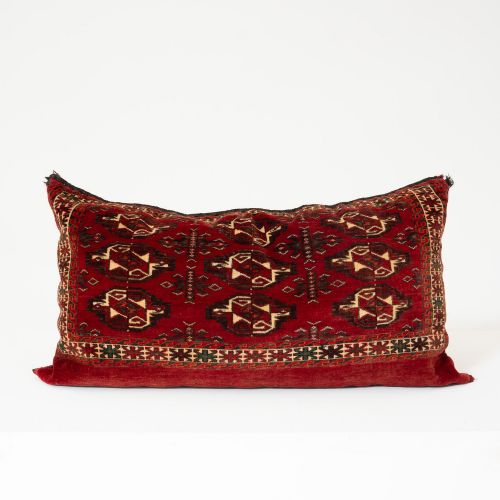
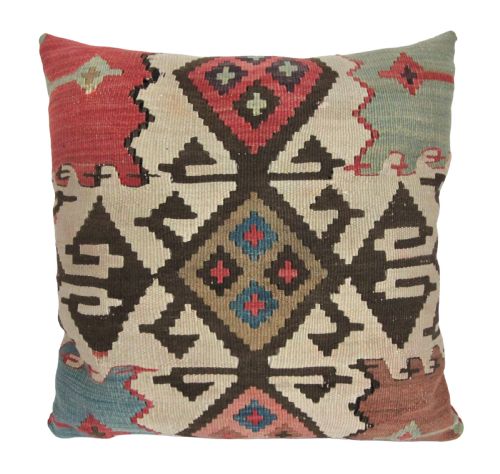
These red tribal cushion cover pieces are repurposed nomadic weavings from nineteenth- and early-twentieth-century Persia and Central Asia.
Red Tribal Cushion Cover
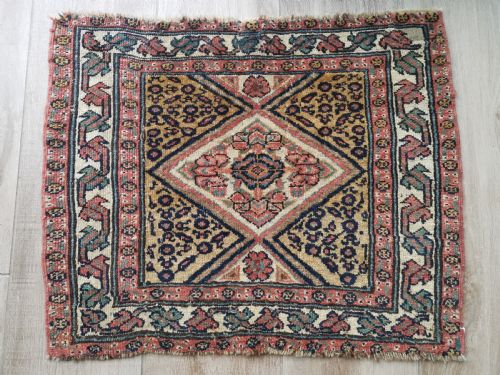
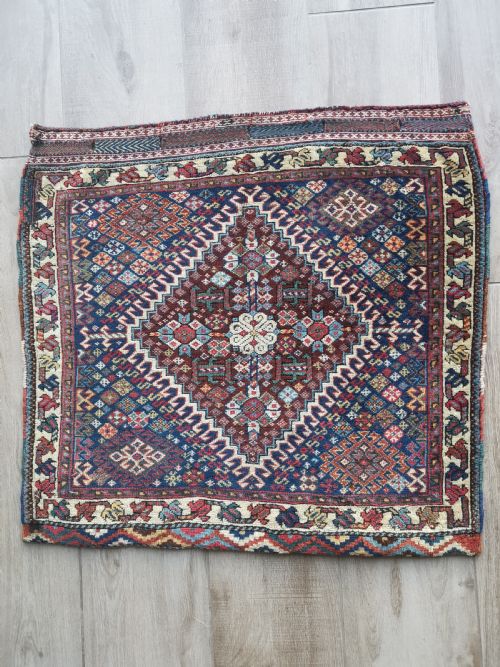
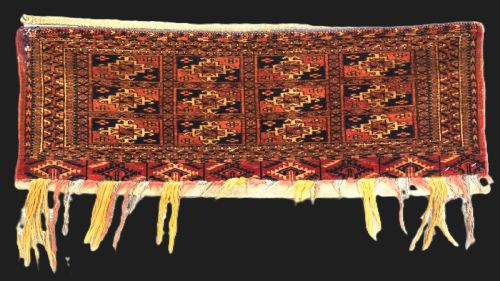
When you search for a red tribal cushion cover, you are looking at antique utilitarian bags and trapping fragments that have been converted into soft furnishings. The pieces on this page derive chiefly from nineteenth-century saddlebags, storage sacks, and bag faces created by nomadic and village weavers across Persia, Anatolia, and Turkmenistan.
Spanning periods from the mid-nineteenth century through to the early twentieth century, these textiles display the distinct geometric motifs, animal forms, and tribal emblems of their respective origins.
Materials and construction
The pieces listed on this page are constructed from hand-spun wool and occasionally goat hair, reflecting the pastoral lifestyle of the nomadic makers. Natural and vegetable dyes provide the predominant red ground colours, supplemented by contrasting tones achieved through traditional botanical and mineral colorants.
Weaving techniques include pile knotted carpets, soumak flatweaves, and banded flatweave designs. Artisans worked on portable horizontal looms, integrating durable warps and thick wefts to withstand daily nomadic travel and utility.
Red Tribal Cushion Cover Retail Price Guide 2026
Typical asking prices for red tribal cushion cover among the pieces listed under this phrase on Sellingantiques today, from the lower quarter to the upper quarter. They describe what is for sale here now, not the wider market.
Nomadic weavers frequently embedded small protective symbols and animal figures into their utility bags to ward off misfortune during long desert migrations.
Distinctions in quality
Quality in these cushion covers rests upon the fineness of the weave, the clarity and saturation of the natural dyes, and the integrity of the original tribal structure. Dense knotting or precise flatweave precision distinguish finer bag faces from coarser utilitarian examples.
The handling of the wool also determines the caliber of the piece, with lustrous, densely packed fleece yielding greater depth of colour and durability. Preservation of the original design layout, whether a Salor gul or a boteh motif, dictates the visual success of the conversion.
The Red Tribal Cushion Cover Glossary
- Bag face
- The decorative front panel of a nomadic storage sack or saddlebag, which is typically the portion preserved and converted into a cushion. These faces display the primary motifs and tribal identity of the weaver.
- Chuval
- A large Turkmen storage bag traditionally used for bedding and household goods inside a yurt. Surviving examples often feature rows of guls.
- Torba
- A smaller Turkmen tent bag utilised for domestic storage. They frequently present rectangular formats well suited for modern cushion conversion.
- Gul
- A repeating medallion or octagonal design element used by Turkmen and other tribal groups to signify clan lineage. Each tribe utilised distinct variations of these primary motifs.
- Soumak
- A historic flatweave technique involving wrapping weft threads over and under warp threads to produce a textured, durable surface. This method creates crisp geometric patterns without cut pile.
Red Tribal Cushion Cover: Frequently Asked Questions
What is a red tribal cushion cover made from?
These items are constructed using hand-spun wool and occasionally goat hair, reflecting the materials available to nineteenth-century nomadic weavers. Natural and vegetable dyes supply the rich red tones that dominate the palette.
The textiles are repurposed from older saddlebags, storage sacks, and flatweaves rather than being manufactured originally as cushions. This heritage accounts for the dense weave and durable foundation materials.
How were these tribal pieces originally used?
Nomadic groups such as the Qashqai, Turkmen, and Baluch utilised these woven bags for transporting and storing household possessions during seasonal migrations. They served as saddlebags, storage sacks, and utility pouches.
Over time, surviving fragments and complete bag faces have been backed and stuffed to function as decorative cushions while preserving the historical weaving.
How can I tell the different tribal designs apart?
Design attribution relies on specific structural patterns, colour palettes, and characteristic motifs such as the octagonal gul used by Turkmen weavers or the boteh patterns found in Afshar work. Regional origins also dictate the weave type, ranging from pile carpets to soumak flatweaves.
Familiarity with the distinct visual vocabulary of groups like the Shahsevan or Yomut helps identify the provenance of each individual piece.
How do I care for an antique cushion cover?
Gentle vacuuming without a rotating brush helps remove surface dust from the wool pile or flatweave surface. Keeping the cushion away from direct sunlight prevents the natural red vegetable dyes from fading.
Professional textile cleaning is recommended for any deeper maintenance to preserve the integrity of the nineteenth-century materials.