

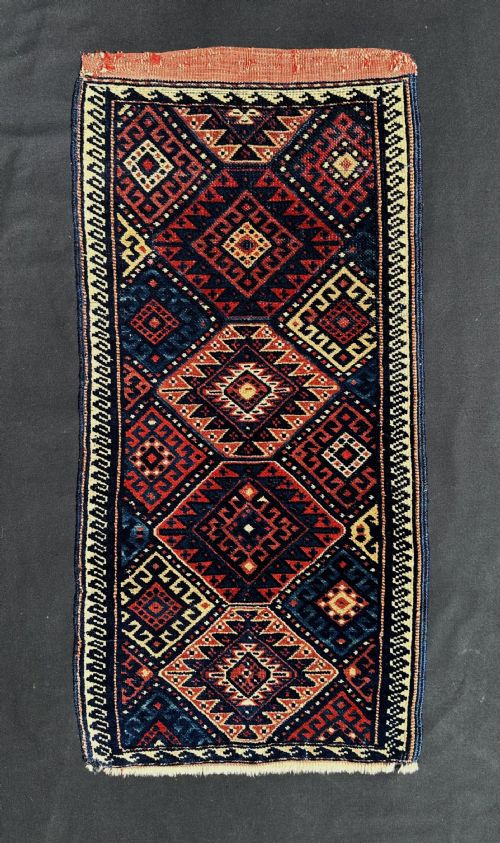


Hand Knotted Rug Cushion
A hand knotted rug cushion brings historical tribal textile fragments into modern interiors as tactile seating accents.
Hand Knotted Rug Cushion
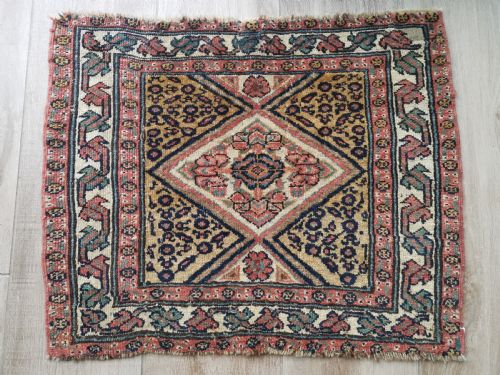
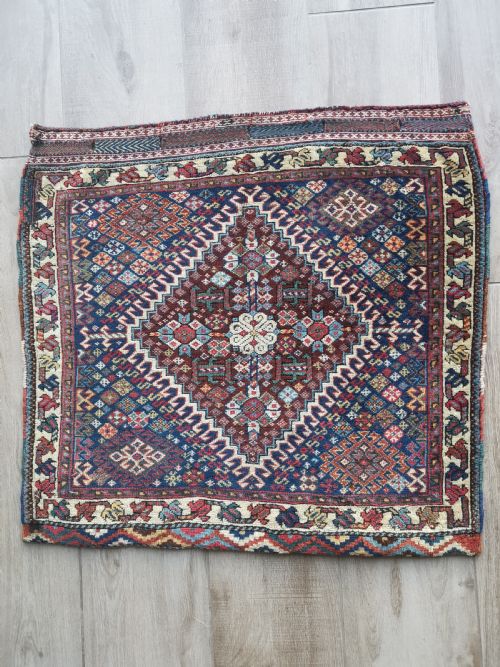
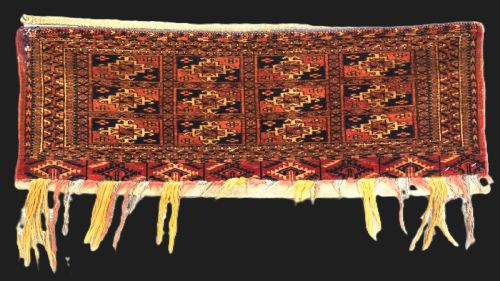
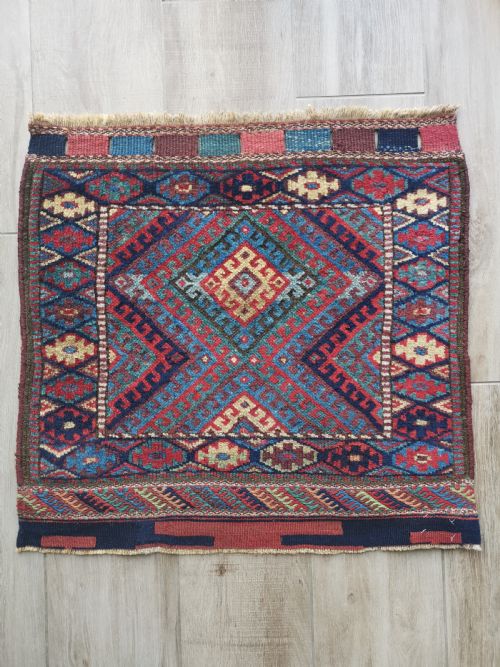
A hand knotted rug cushion adapts antique tribal weaving into functional home accessories. These pieces typically derive from nineteenth and early twentieth century nomad baggage, including bagfaces, torbas, and saddlebags originating from Persian, Kurdish, and Turkmen groups.
The objects on this page rely on authentic fragments repurposed into comfortable cushions. Buyers encounter pieces spanning periods from 1880 to 1920, reflecting regional nomadic aesthetics from Central Asia and Persia.
Forms range from square cushion layouts to rectangular formats adapted from storage bags and seating mats. Each item preserves traditional motifs woven by specific tribal confederations and nomadic weavers.
Factors determining quality
Quality rests upon the fineness of the knotting and the lustre of the wool utilised in the original textile. Lustrous wool surfaces and crisp, saturated natural dyes elevate certain examples above others.
The integrity of the surviving tribal iconography and the precision of the geometric or tribal designs also distinguish finer pieces. Preservation of the original pile depth and structural cohesion shapes the overall character of the cushion.
Hand Knotted Rug Cushion Retail Price Guide 2026
Typical asking prices for hand knotted rug cushion among the pieces listed under this phrase on Sellingantiques today, from the lower quarter to the upper quarter. They describe what is for sale here now, not the wider market.
Nomadic weavers packed their belongings in these very bags before they found new life as cushions.
The Hand Knotted Rug Cushion Glossary
- Bagface
- The decorative front panel of a nomadic storage bag or saddlebag. This portion usually displays the primary tribal design and finest knotting.
- Torba
- A wide Turkmen storage bag used for household goods inside a yurt. Fragments of these bags often become cushions.
- Pushti
- A small Persian rug or mat intended for lean or sitting upon. They share similar proportions with many decorative cushion fronts.
- Gul
- A medallion pattern used repeatedly in Turkmen rug design. Each tribal group utilises distinct variations of this motif.
- Natural Dyes
- Colourants derived from plants, insects, and minerals before the introduction of synthetic alternatives. They produce the complex, mellow tones seen in older textiles.
Hand Knotted Rug Cushion: Frequently Asked Questions
What is a hand knotted rug cushion?
A hand knotted rug cushion is a decorative home accessory made by converting antique tribal textile fragments, such as bagfaces and saddlebags, into cushion covers.
These pieces preserve historic nomadic weaving traditions while offering functional use on seating or beds.
How old are these cushions typically?
The textiles used for these cushions generally date from the late nineteenth century up to the early twentieth century, specifically spanning the 1880s to the 1920s.
They originate from various Persian, Kurdish, and Turkmen nomadic groups who produced them for everyday tribal utility.
What materials were used to make them?
The primary material is wool, frequently hand-spun, combined with cotton foundations that provide structural support for the dense pile.
Natural dyes impart the rich, varied colours characteristic of these antique nomadic weavings.
How do I care for an antique rug cushion?
Gentle care helps preserve the fragile antique wool pile and natural dyes over time. Light vacuuming without a beater bar and professional textile cleaning maintain the condition of the fabric.
Protecting the cushion from direct, prolonged sunlight prevents the natural colours from fading.