





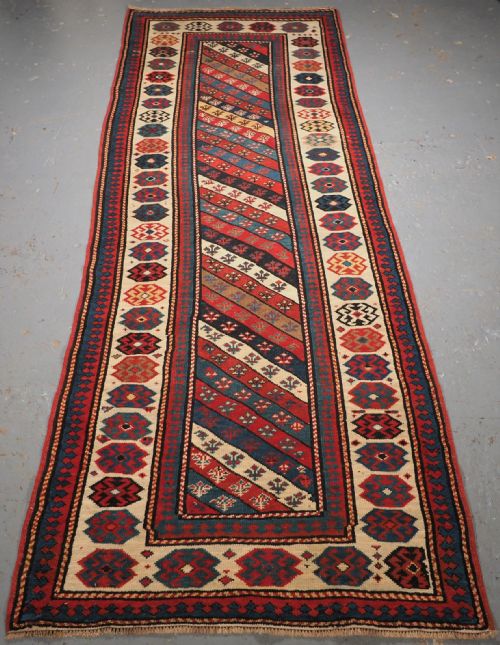

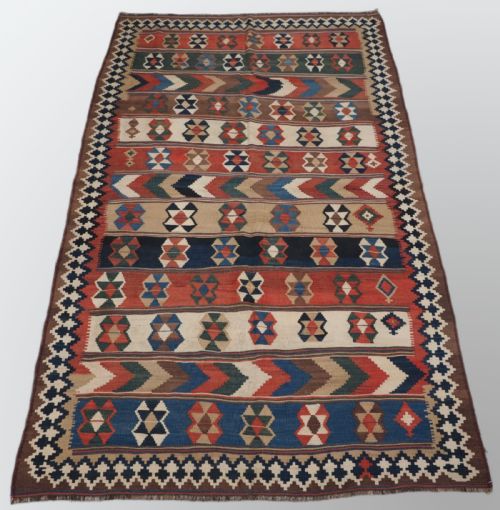
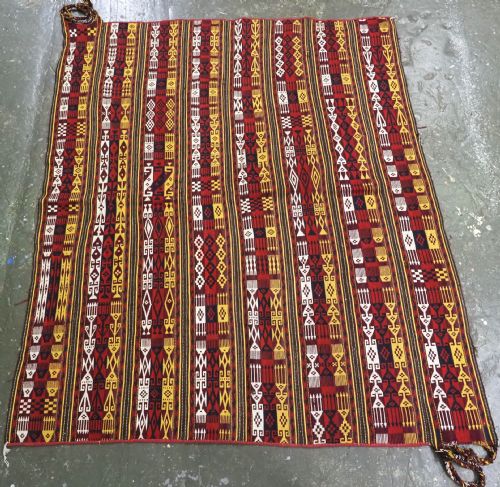


Red Striped Carpet
A red striped carpet brings bold linear rhythm to a room, offering tribal character through distinctive bands of colour.
Red Striped Carpet
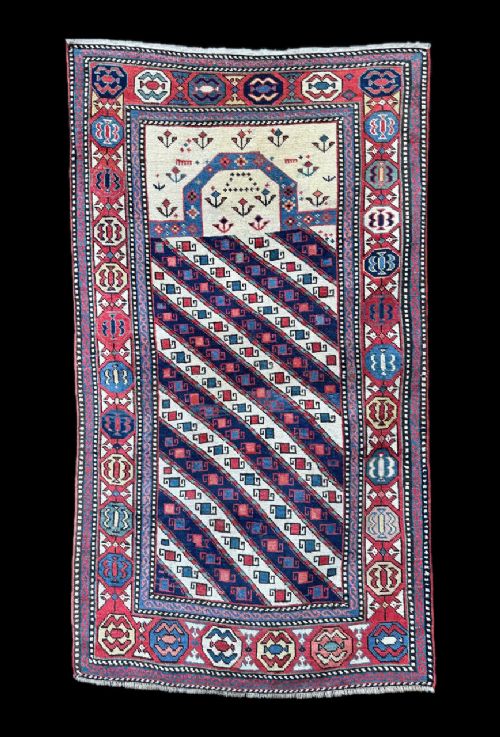
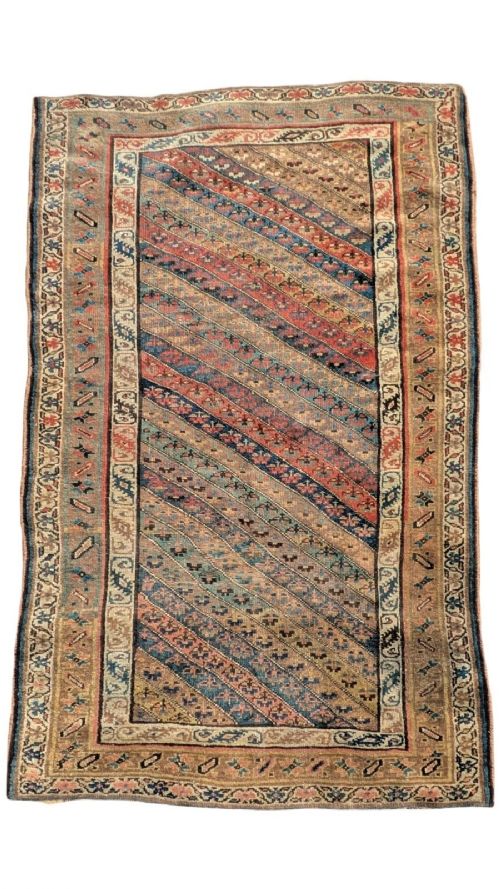
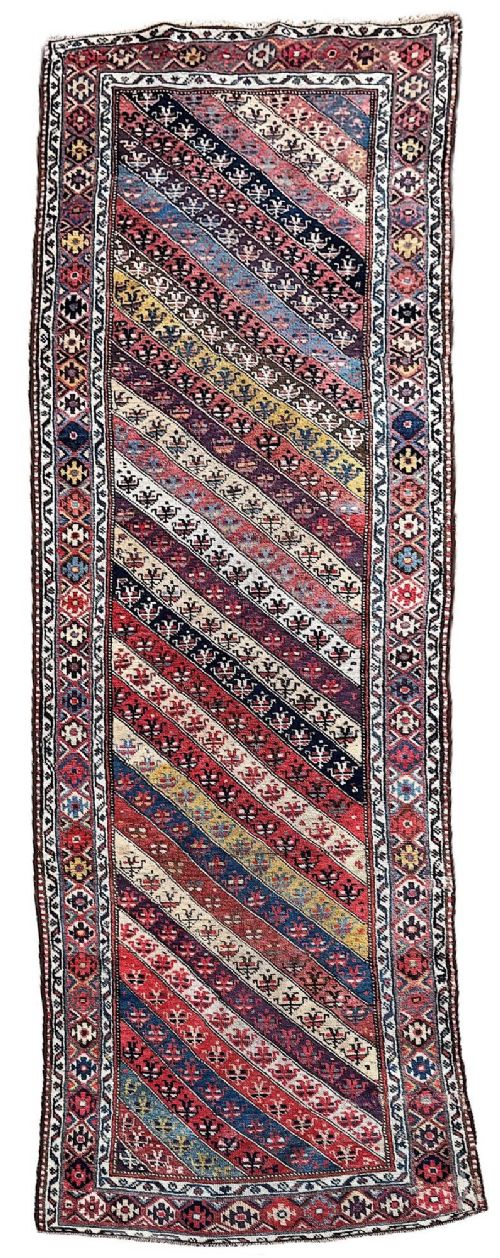
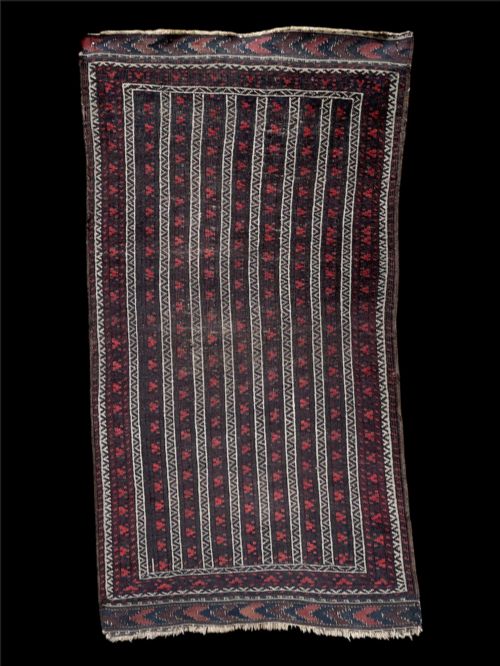
A red striped carpet in this selection usually takes the form of a tribal runner, kilim, or flatweave panel originating from Caucasian, Central Asian, or Persian makers. These pieces span the late nineteenth and early twentieth centuries, featuring linear bands, chevrons, or diagonal stripes.
Buyers seeking a red striped carpet encounter works produced by nomadic and village weavers, including Yomut Turkmen, Uzbek, Gendje, and Qashqai groups. The format ranges from long runners to small tent bands and saddle rugs, defined by repeating bands of rich colour.
The characteristic red striped carpet relies on traditional village and tribal weaving methods, manifesting as piled rugs or flatwoven kilims. The graphic impact comes from disciplined rows of geometric patterns running the length of the textile.
How they were made
These carpets are constructed primarily from hand-spun wool, utilising natural dyes to achieve deep reds and contrasting linear tones. The foundation and surface rely on durable wool and cotton fibres spun by hand before weaving.
Weavers employed traditional pile knotting and flatweave techniques, creating structures such as banded kilims, mafrash panels, and sturdy runners. The meticulous alignment of stripes requires precise counting of warp and weft threads during production.
Red Striped Carpet Retail Price Guide 2026
Typical asking prices for red striped carpet among the pieces listed under this phrase on Sellingantiques today, from the lower quarter to the upper quarter. They describe what is for sale here now, not the wider market.
Some narrow striped panels began life as camel bags before finding new roles on the floor.
What varies in quality
Quality in these tribal textiles depends upon the crispness of the graphic design and the fineness of the weave. Tightly packed rows and precise geometric execution distinguish superior examples from simpler work.
The complexity of the dye work and the integrity of the hand-spun wool further differentiate the pieces. Strong, harmonious colour retention and disciplined structural symmetry define the higher tier of these carpets.
The Red Striped Carpet Glossary
- Kilim
- A flatwoven carpet or rug produced without a pile. These pieces rely on interlocking weft techniques to create sharp geometric patterns.
- Runner
- A long, narrow carpet format traditionally suited for hallways or corridors. They display repeating motifs or linear bands along an extended axis.
- Mafrash
- A storage bag face or side panel woven by nomadic groups. These items often feature strong banded designs.
- Warp
- The vertical threads stretched tightly on a loom before weaving begins. The weft threads pass horizontally through them to form the cloth.
- Natural Dyes
- Colourants derived from plants, insects, and minerals rather than synthetic compounds. They yield rich, complex tones that age with subtlety.
Red Striped Carpet: Frequently Asked Questions
Where were these striped carpets made?
The pieces originate from tribal and village workshops across the Caucasus, Central Asia, and Persia. Specific regions include Shirvan, Gendje, and Varamin.
Nomadic groups such as the Yomut Turkmen, Uzbeks, and Qashqai produced these distinctive linear textiles for domestic and ceremonial use.
How do I clean a wool kilim?
Gentle surface brushing and careful vacuuming without a rotating beater bar help maintain the textile. Professional specialist cleaning remains the safest method for dealing with historic wool.
Harsh detergents and excessive moisture must be avoided to protect the natural dyes and hand-spun fibres.
Are these carpets durable for hallways?
Many of these tribal runners and flatweaves were built for everyday nomadic life, using sturdy hand-spun wool. Their dense construction allows them to handle moderate corridor foot traffic.
Utilising an appropriate underlay helps protect the historic foundation fibres from unnecessary wear.
How do I date a nineteenth century carpet?
Dating relies on examining the specific dye palette, wool preparation, and structural characteristics typical of a given decade. Natural colour variations and hand-spinning irregularities offer strong clues to age.
Comparisons with documented tribal weaving structures help narrow the period of origin between eighteen eighty and nineteen twenty.