
Red Side Table
A red side table brings rich colour and compact utility to a room, drawing the eye with painted pigments or warm walnut tones.
Red Side Table
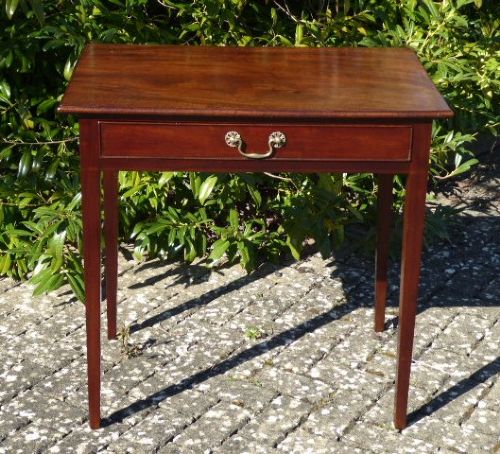
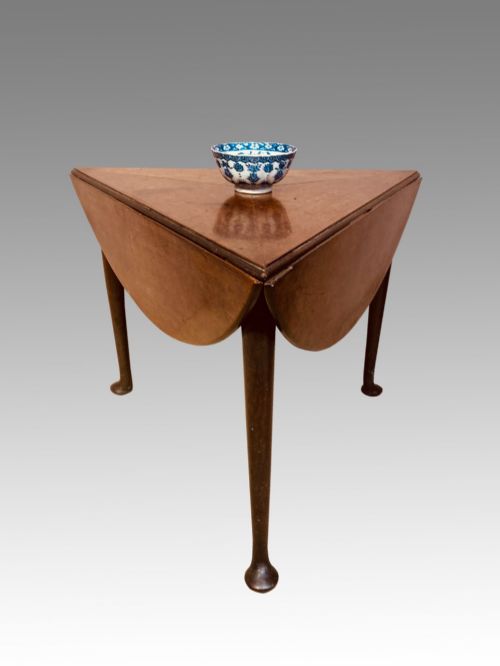
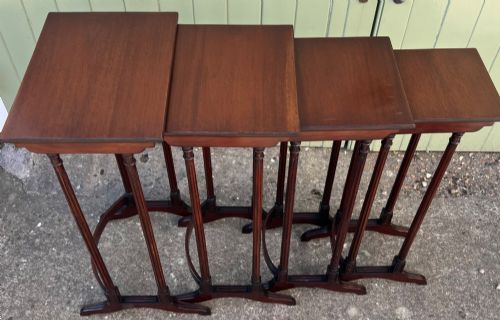
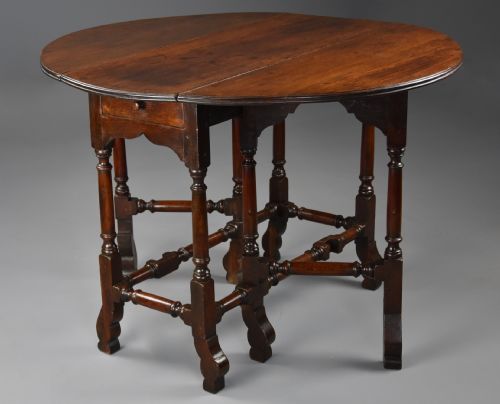
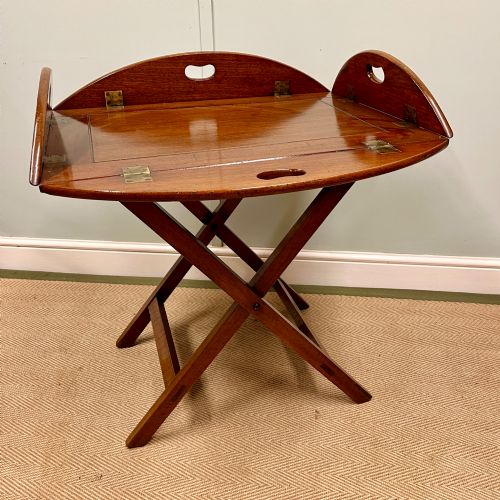
A red side table encompasses a diverse group of occasional furniture spanning the Georgian, Victorian, and Edwardian eras through to the early twentieth century. Buyers searching for a red side table will encounter forms ranging from drop-leaf and gateleg tables to console tables and nests of tables.
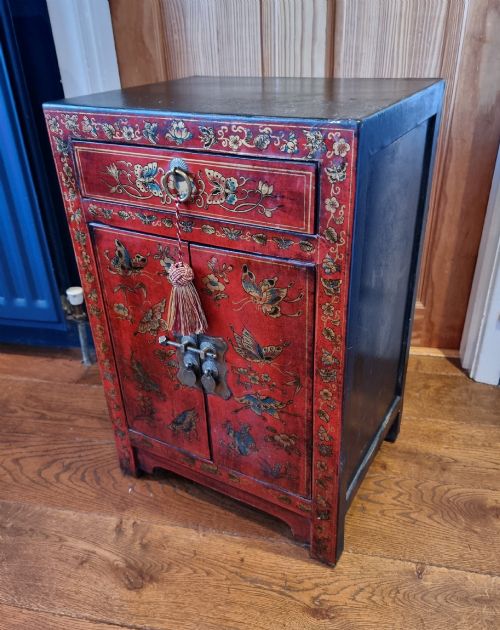
Many pieces trace their lineage to eighteenth-century traditions, while others display later revivals or orientalist influences such as Chinoiserie lacquering and Japanning. The selection includes regional painted pine tavern tables, Scandinavian pieces finished in Falu red, and delicate Georgian red walnut designs.
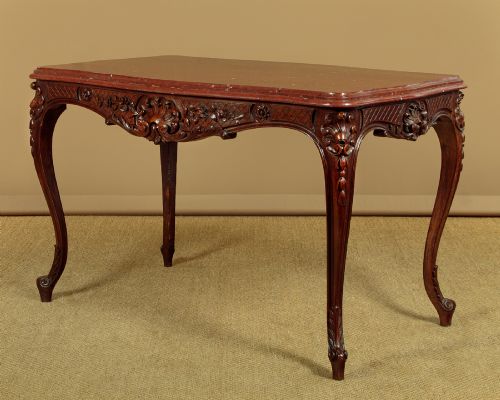
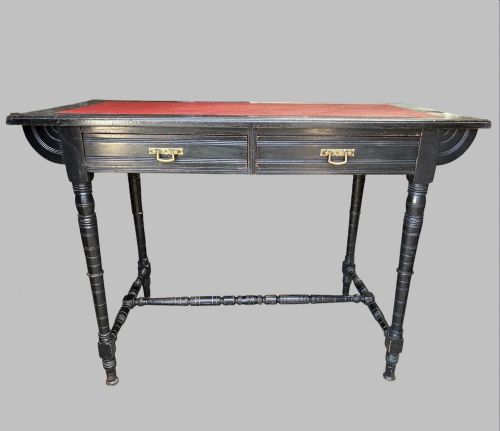
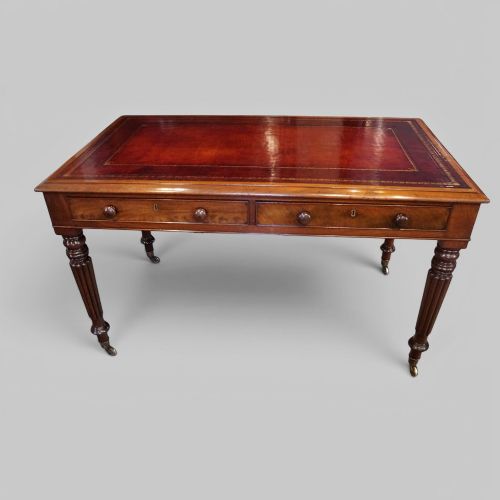
Console tables, writing tables, and lamp tables frequently appear alongside lowboys and bedside cupboards. Whether finished with rich crimson lacquer or the deep reddish-brown hues of figured walnut and mahogany, these tables serve practical functions in hallways, drawing rooms, and studies.
Materials and Construction
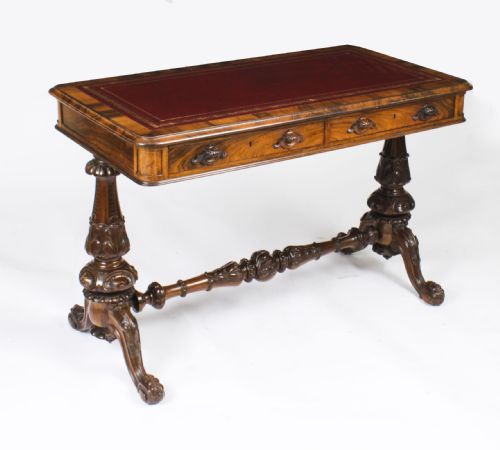
Makers utilised dense timbers such as mahogany, walnut, and red walnut, often selecting figured grains to provide natural warmth and visual depth. Secondary woods like pine appear in regional and painted examples, supporting applied surface schemes.
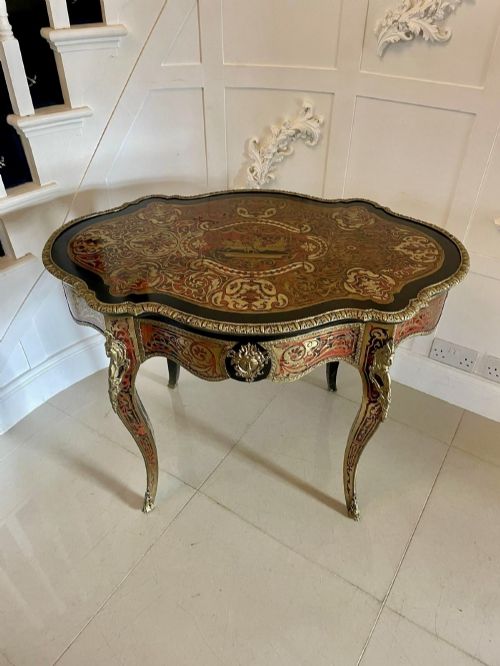
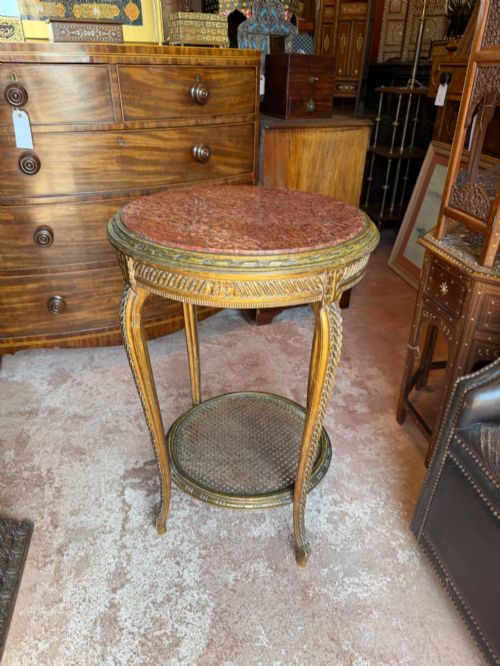
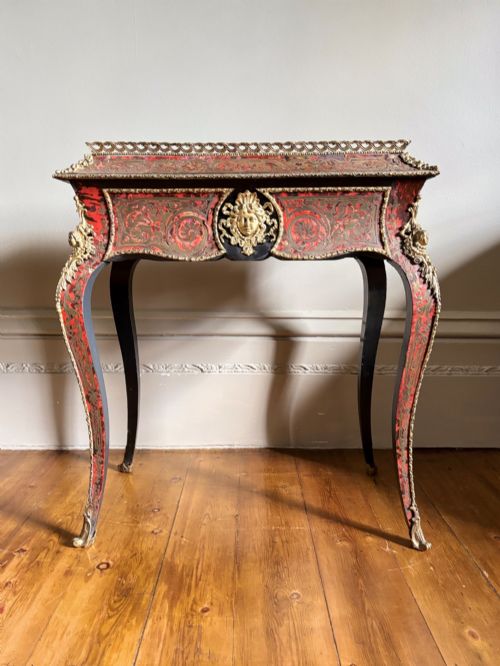
Surface decoration frequently involves red paint, lacquer, or Vernis Martin techniques, sometimes paired with hand-painted floral motifs or Chinoiserie detailing. Brass galleries, ormolu mounts, marble tops, and tooled leather inserts complete the construction of high-status pieces.
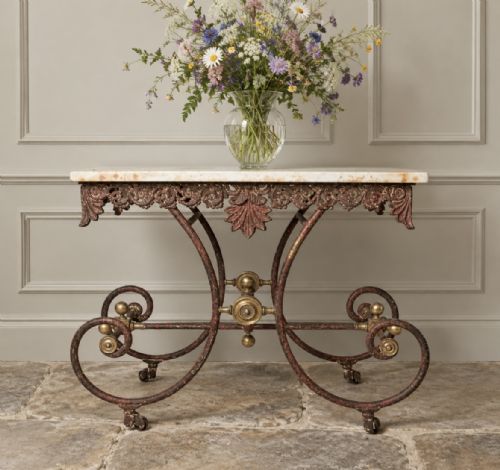
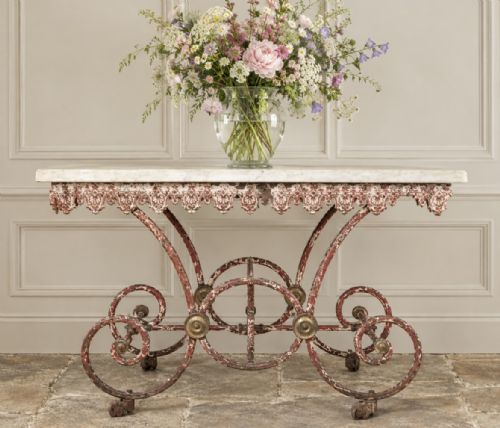
Some nineteenth-century French butchers found themselves pressed into service as red-painted tables, proving that a sturdy block easily outlives its original cleaver.
Distinguishing Quality
The standard of a red side table rests on the depth and integrity of its surface finish, whether hand-applied lacquer, regional paint, or polished wood. Original patination and the survival of delicate gilt mounts or hand-painted details elevate a piece significantly.
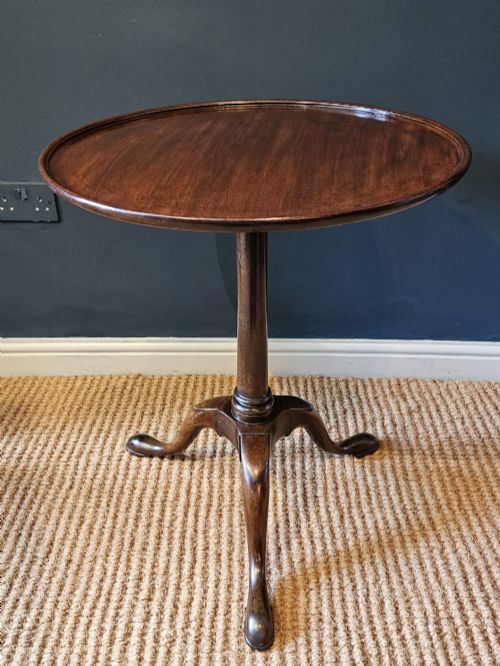
Structural refinement also dictates value, seen in crisp joinery, well-proportioned cabriole or tripod legs, and the clever deployment of secondary materials like rouge marble and brass hardware.
Edwards and Roberts·L Martin
The Red Side Table Glossary
- Gateleg table
- A table with hinged leaves supported by swing legs. This form allows the surface to expand for use and contract against a wall.
- Ormolu
- Gilded bronze mounts applied to furniture. It provides bright metallic contrast against dark woods or lacquered surfaces.
- Lowboy
- A small seventeenth or eighteenth-century dressing table or side table fitted with drawers. They typically stand on slender cabriole legs.
- Falu red
- A deep red paint derived from copper mine waste. It is traditionally used on Scandinavian vernacular woodwork.
Red Side Table: Frequently Asked Questions
What defines a red side table?
A red side table is any small occasional surface finished in red paint or lacquer, or constructed from reddish timbers like red walnut and mahogany. These pieces span multiple centuries and include forms like console tables, lamp stands, and nests of tables.
They derive their character from both structural period design and the distinct coloration of their surfaces. Collectors value them for introducing a bold splash of colour or warm wood grain into domestic interiors.
How do I style a red side table?
These tables adapt easily to modern and traditional interiors alike, serving as bedside stands, hallway consoles, or lamp tables in living rooms. Their compact proportions allow them to fit into awkward corners or tight spaces where larger furniture fails.
Pair a lacquered Chinoiserie or painted piece with neutral backdrops to let the colour stand out. Walnut and mahogany variants blend naturally with classic upholstery and antique collections.
How can I tell the period?
Dating relies on observing construction methods, timber choices, and stylistic markers such as cabriole legs, brass galleries, or ormolu mounts. Georgian pieces often display restrained lines and figured walnut, while Victorian and Edwardian examples show greater decorative eclecticism.
Later pieces from the early twentieth century frequently emulate earlier eighteenth-century aesthetics, requiring careful inspection of the wood age and hardware fixings to confirm actual manufacture dates.
Were red tables used for games?
Many smaller tables served dual purposes as card or games tables, featuring fold-over tops or specialised compartments. Lacquered surfaces often provided a smooth area for playing cards or displaying decorative objects.
Examples from the eighteenth and nineteenth centuries include dedicated chess tables and occasional stands designed for drawing room leisure activities.