

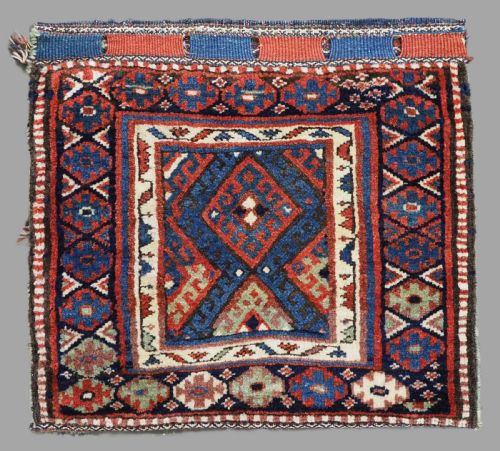


Red Rug Cushion
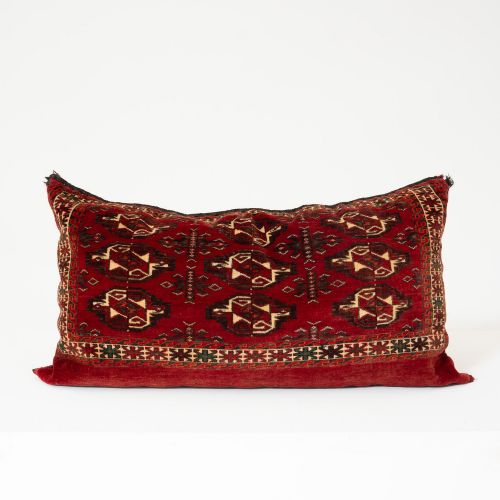
A red rug cushion brings tactile nomadic history into a room, formed from repurposed tribal bags and kilims.
Red Rug Cushion
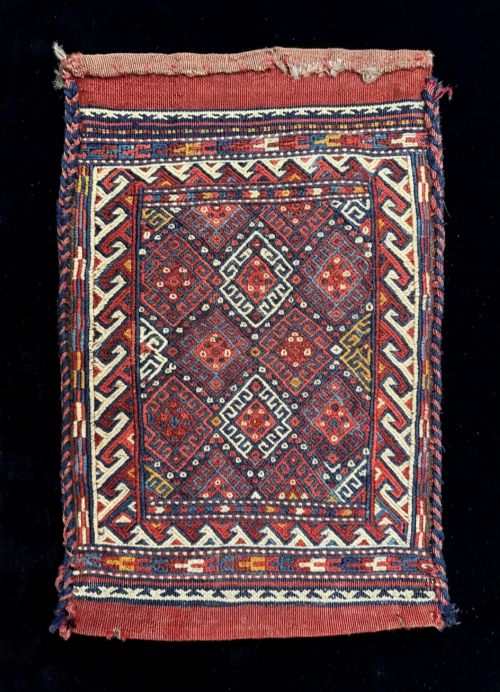
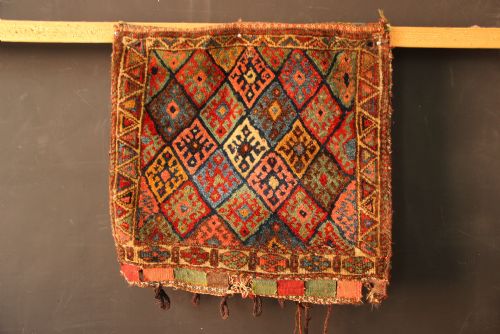
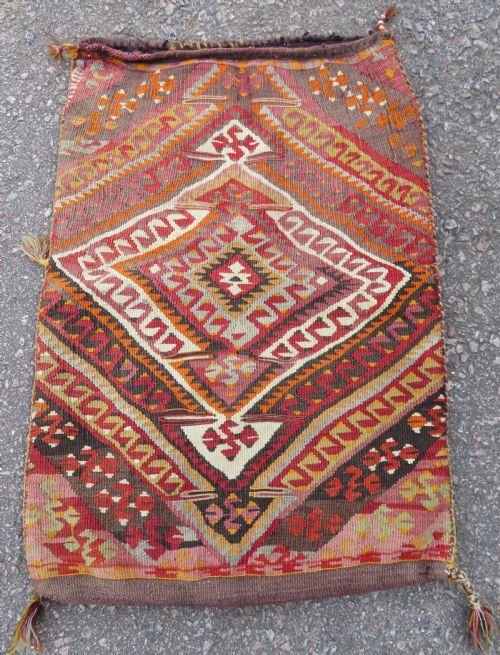
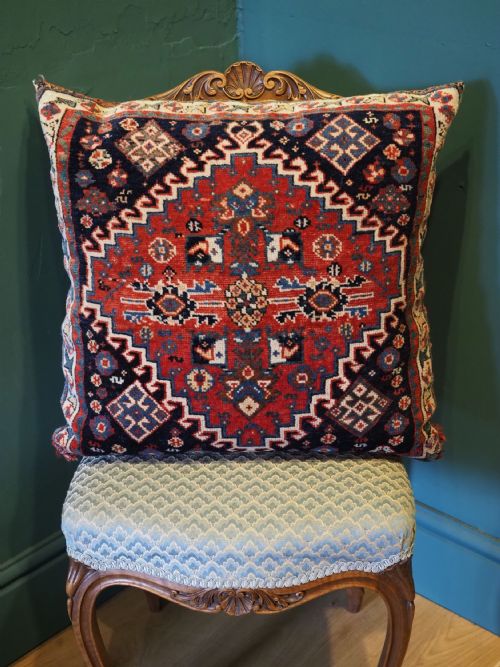
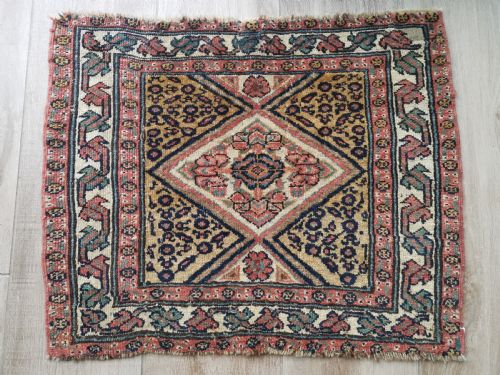
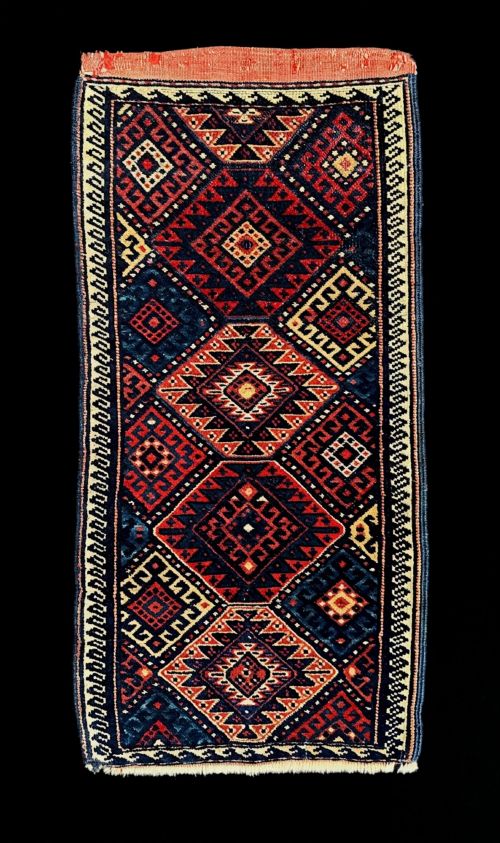
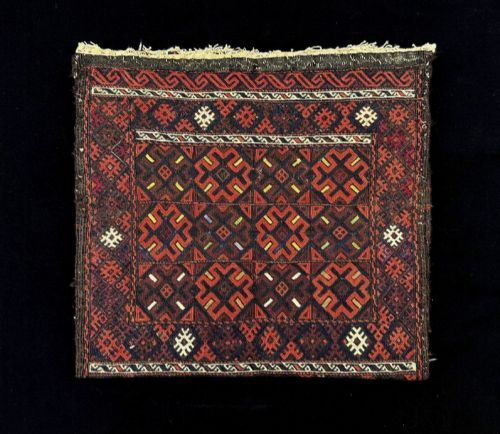
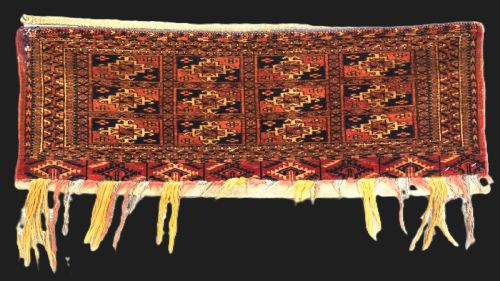
A red rug cushion repurposes historic nomadic bag faces, salt bags, saddlebags, and grain sacks into functional home textiles. These pieces originate from Persian, Anatolian, Turkmen, and Central Asian tribal groups, spanning the nineteenth and early twentieth centuries.
Buyers encounter items fashioned from front panels of chuvals, torbas, and balisht pillows, paired with plain weave backs or matching kilim textiles. The predominant crimson, madder, and brick hues derive from traditional dyeing methods utilised by nomadic weavers.
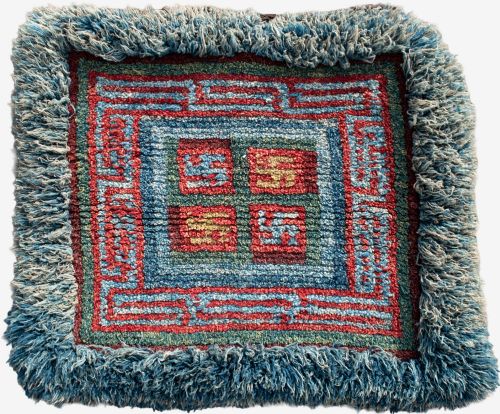
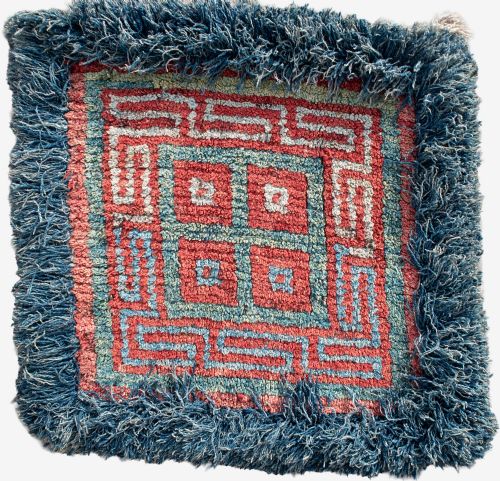
Forms vary from square pillow formats to elongated bolster shapes, retaining the original geometric motifs, guls, and banded flatweave designs created for practical desert or mountain life.
Materials and construction methods
Makers utilised hand-spun wool and goat hair, employing sturdy pile knots or flatweave techniques to withstand rigorous daily nomadic use. Natural dyes, including plant and insect extracts, produced deep red colourways that mellow gracefully over decades.
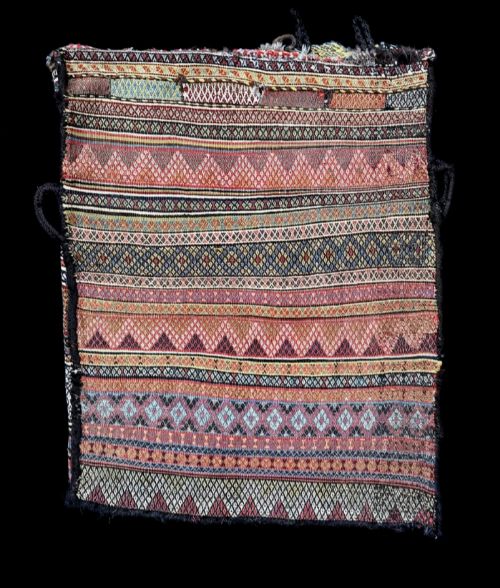
Weavers constructed structural foundations using robust cotton or wool warps, securing the edges with overcast stitching. Many cushions incorporate the original utilitarian backings from the parent bags, maintaining authentic structural integrity.
Red Rug Cushion Retail Price Guide 2026
Typical asking prices for red rug cushion among the pieces listed under this phrase on Sellingantiques today, from the lower quarter to the upper quarter. They describe what is for sale here now, not the wider market.
Listings feature nineteenth and early twentieth century nomadic weavings from Persian, Anatolian, and Turkmen tribal groups.
Quality factors in tribal cushions
Quality rests upon the fineness of the weave, the complexity of the tribal design, and the retention of natural dye vibrancy. Pieces exhibiting dense knotting, crisp geometric detailing, and intact original structural components command greater regard among collectors.
The condition of the wool, the integrity of the pile, and the skill demonstrated in adapting a utilitarian sack into a cushion shape determine the overall success of the textile conversion.
The Red Rug Cushion Glossary
- Chuval
- A large Turkmen storage bag used domestically inside yurt tents for bedding and household possessions. These form prominent rectangular cushion faces.
- Torba
- A smaller Turkmen hanging bag traditionally used for storing smaller household items. Their compact proportions suit scatter cushion formats.
- Balisht
- A traditional nomadic pillow or sleeping bag face. These items provide particularly soft wool textures suited to interior furnishings.
- Gul
- A repeating medallion or octagonal floral motif characteristic of Turkmen and Central Asian tribal weaving. Each design often identifies a specific tribal clan.
- Mafrash
- A rectangular trunk or carriage bag used during nomadic migrations. The flatweave or pile panels are frequently adapted into durable cushions.
Red Rug Cushion: Frequently Asked Questions
How do I clean a rug cushion?
Surface dust should be gently removed using a soft brush or low-suction vacuum without a beater bar.
Professional specialist cleaning is recommended for deep maintenance to protect historic natural dyes and hand-spun wool fibres.
Are these cushions made from authentic old rugs?
Authentic examples are constructed using genuine nineteenth and early twentieth-century tribal bag faces, saddlebags, and storage sacks.
Craftspeople repurpose these historic woven textiles into cushions while preserving the original face designs and patination.
How do I identify the tribal origin?
Origin is determined by specific structural characteristics, colour palettes, and characteristic motifs such as Turkmen guls or Persian boteh patterns.
Regional weaving traditions from groups including the Qashqai, Yomut, and Baluch exhibit distinct wool qualities and knotting styles.
Can these cushions withstand daily use?
Historic nomad textiles constructed from sturdy hand-spun wool and goat hair remain surprisingly durable for normal seating environments.
Gentle placement away from direct continuous friction helps preserve the fragile pile and natural dyes over time.