





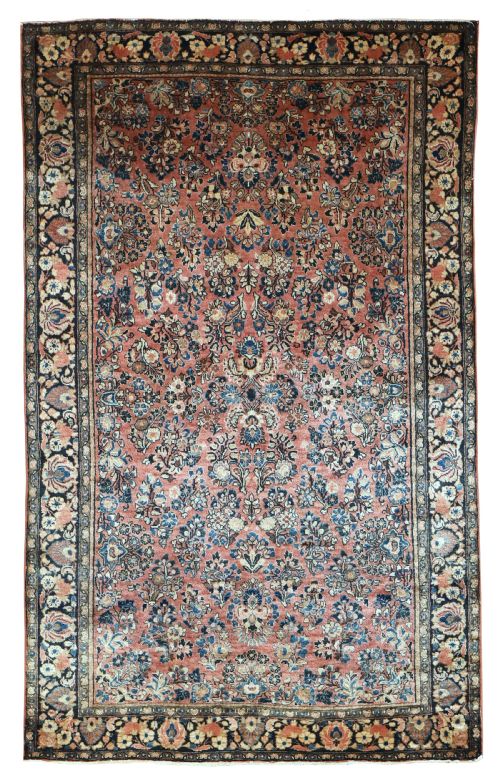
Red Rose Wool Rug
These red rose wool rugs bring enduring floral warmth to a room, spanning styles from Bessarabian flatweaves to Persian carpets.
Red Rose Wool Rug
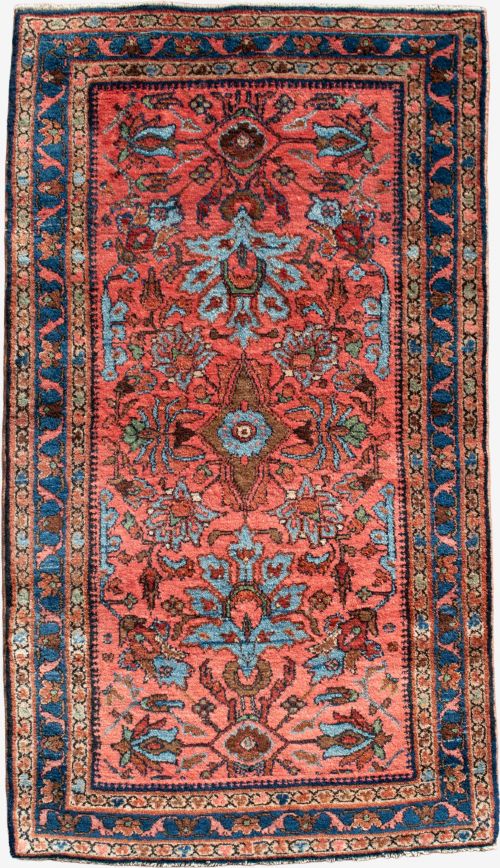
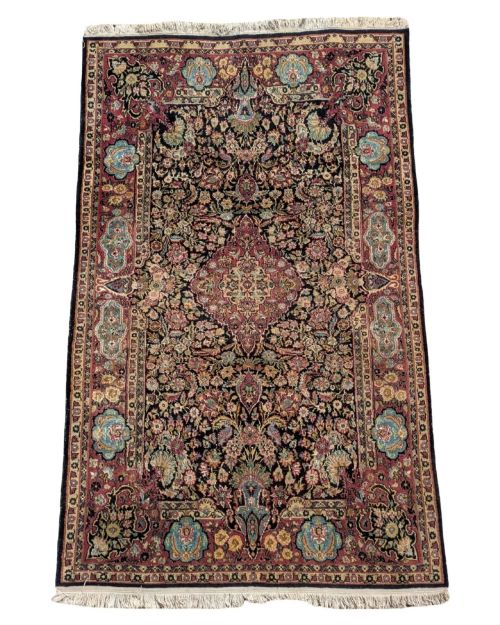
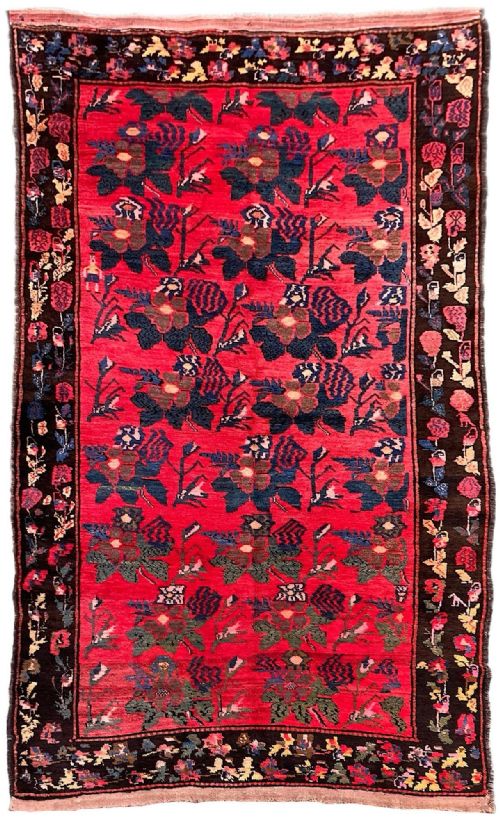
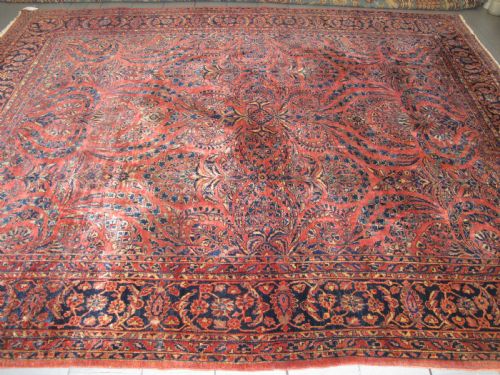
When you search for a red rose wool rug, you encounter hand-knotted and flatwoven floor coverings originating from diverse traditions, including Persian, Caucasian, Bessarabian, and French workshops. The examples found here range across several decades, bringing distinct regional motifs and floral patterns into domestic spaces.
The version you are most likely to meet on this page is an antique Bessarabian kilim or a Persian carpet featuring wool construction. These pieces incorporate traditional dyeing methods and floral imagery, reflecting the aesthetic priorities of their respective periods.
How they were made
The construction of these textiles relies primarily on wool, often combined with cotton foundations and occasionally silk highlights. Artisans employed hand-knotting and flatweaving techniques to build durable structures capable of handling daily use.
Dyes derived from natural sources yielded the rich rose pink colours and deep tones seen across the inventory. Skilled weavers integrated these palettes into intricate floral designs, such as French-inspired rose arrangements.
Red Rose Wool Rug Retail Price Guide 2026
Typical asking prices for red rose wool rug among the pieces listed under this phrase on Sellingantiques today, from the lower quarter to the upper quarter. They describe what is for sale here now, not the wider market.
Some nineteenth-century weavers borrowed French garden aesthetics, ensuring your floor stays in eternal bloom regardless of the British weather outside.
What varies in quality
Quality in these textiles depends on the density of the weave and the precision of the design execution. Tighter knots and finer flatweave construction produce greater structural integrity and sharper definition in the floral patterns.
The nuance of the colour palette and the quality of the wool fibres further distinguish individual examples. Superior pieces display harmonious tonal transitions and resilient materials that maintain their character over generations.
The Red Rose Wool Rug Glossary
- Kilim
- A flatwoven carpet or rug made without a pile. These pieces are produced by tightly interweaving warp and weft strands to create a flat surface.
- Karabagh
- A type of rug originating from the Caucasus region. They frequently incorporate regional geometric motifs alongside floral elements.
- Sarouk
- A style of Persian rug known for its dense wool construction and refined floral ornamentation. These carpets often utilise balanced compositions.
- Aubusson
- A style of French tapestry-woven rug traditionally produced in the Creuse valley. They are characterised by neoclassical and floral designs.
Red Rose Wool Rug: Frequently Asked Questions
How do I clean a wool rug?
Maintenance requires gentle vacuuming without a beater bar to protect the wool fibres and flatweave structure. Professional cleaning is recommended for deep dirt removal to preserve the integrity of the dyes.
Avoid excessive moisture and harsh chemical treatments, which can damage natural wool and alter the rose pink tones.
Are these rugs suitable for high traffic?
Wool possesses natural resilience and lanolin content that helps resist dirt and wear, making these rugs durable for everyday use. Proper placement on an appropriate underlay reduces friction against the floorboards.
Heavier traffic areas benefit from denser pile carpets or robust flatweaves, while delicate silk highlight pieces suit lighter placement.
How do I date an antique rug?
Dating relies on examining the specific weave structure, material composition, and characteristic dye palettes associated with particular periods. Stylistic indicators, such as French-inspired floral motifs, offer clues to the era of production.
Comparing construction techniques with documented examples from regions like Bessarabian or Persian workshops helps narrow the timeframe.
Where were Bessarabian kilims made?
Bessarabian kilims originated in the historical region situated between the Prut and Dniester rivers, encompassing parts of modern Moldova and Ukraine. Weavers there adapted local traditions to incorporate European floral influences.
These flatweaves frequently display dark grounds offset by naturalistic rose designs influenced by French textiles.