

Red Patterned Wool Rug
A red patterned wool rug brings centuries of tribal and traditional craft into a room, offering warmth and complex geometric or floral motifs underfoot.
Red Patterned Wool Rug
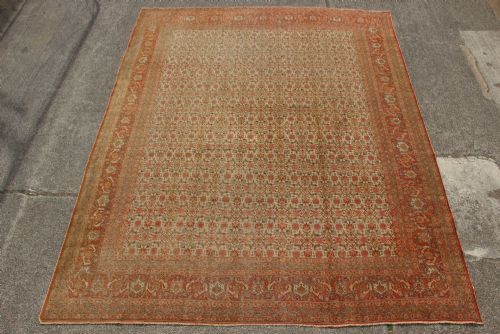
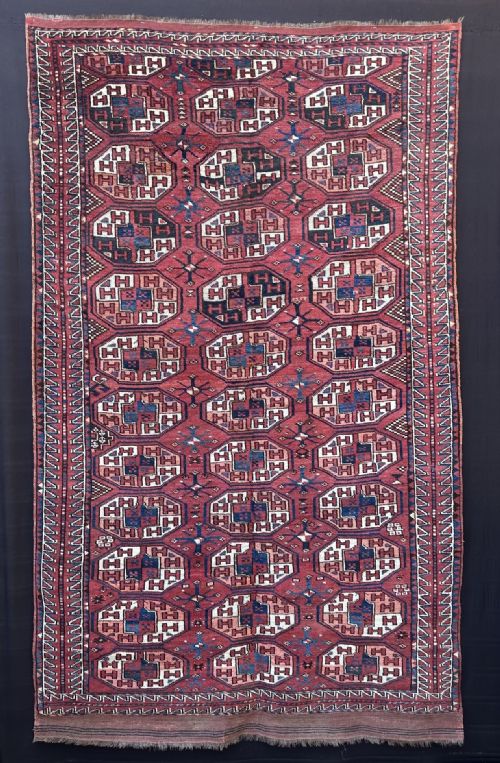
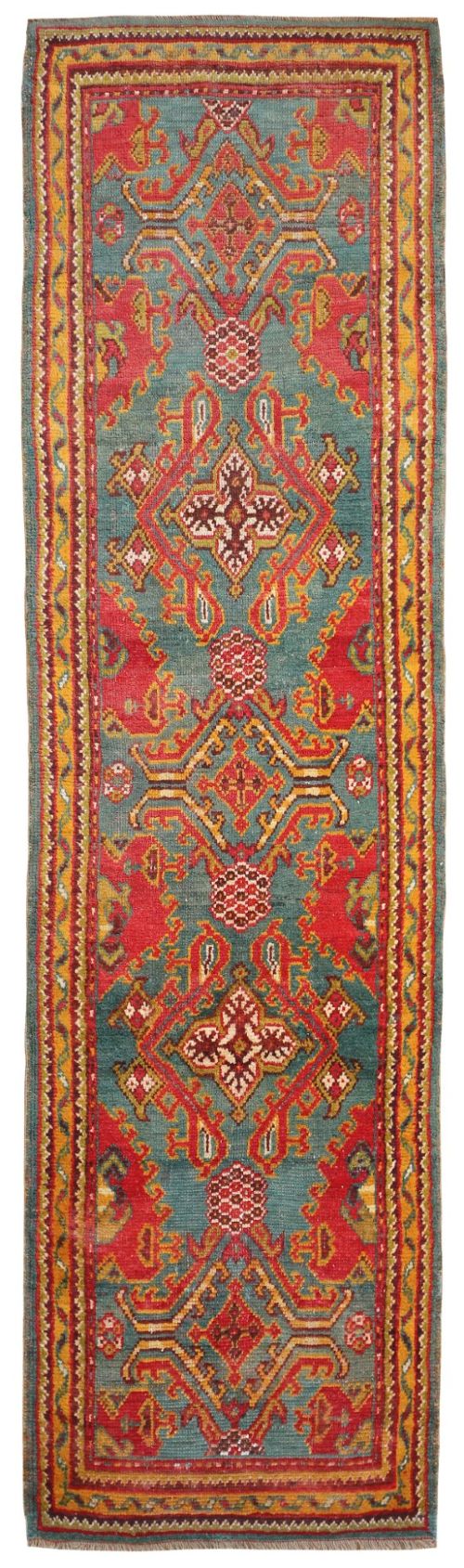
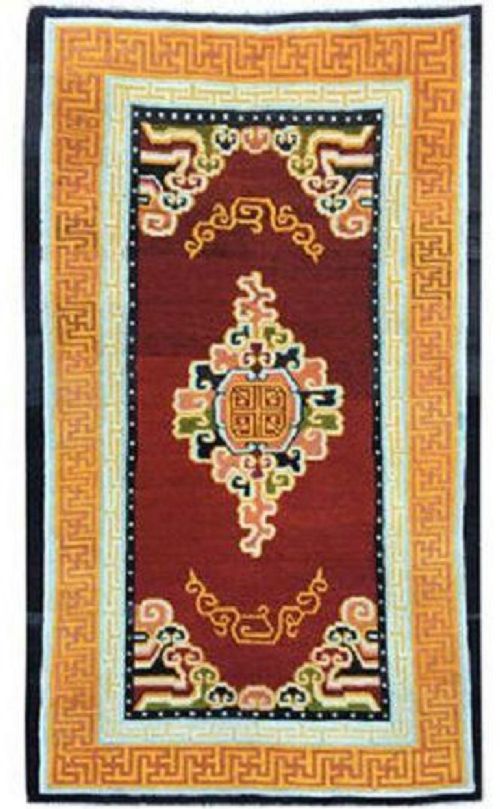
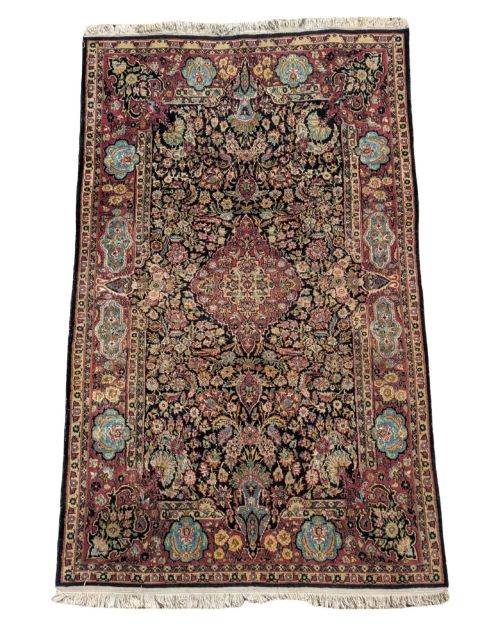
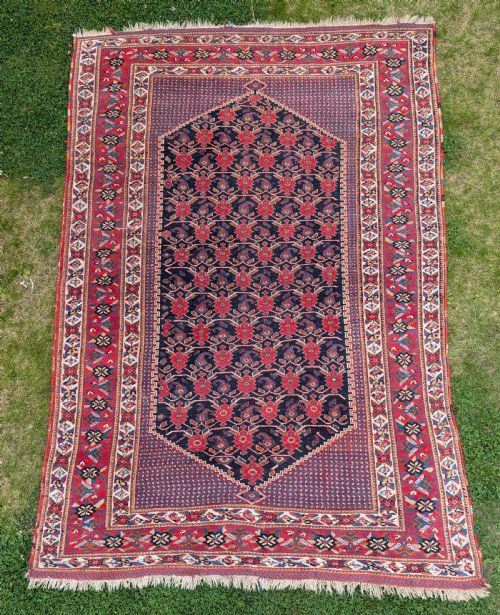
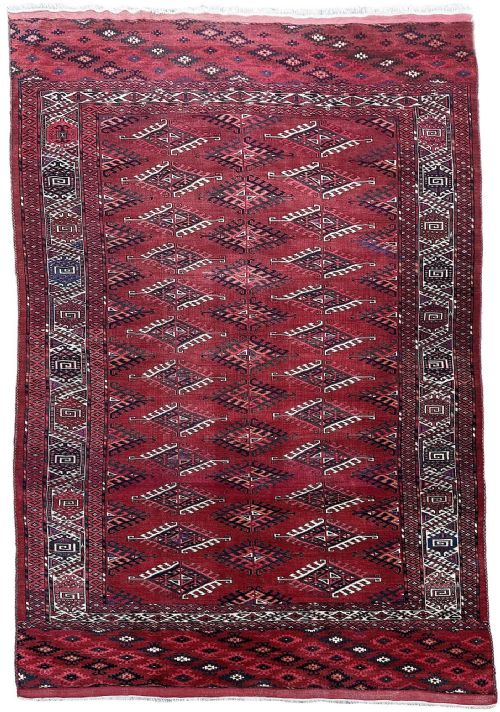
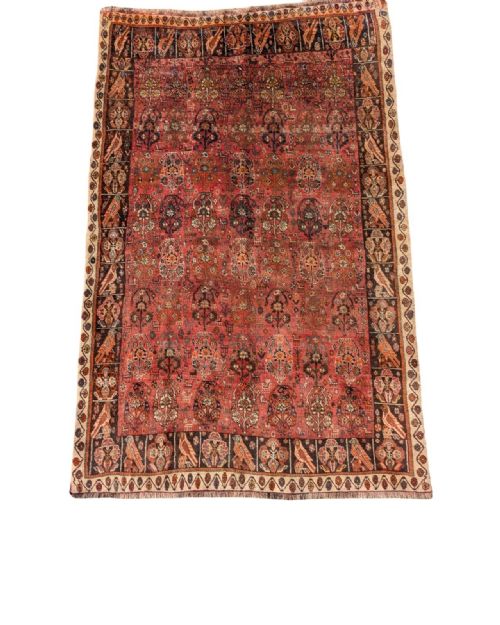
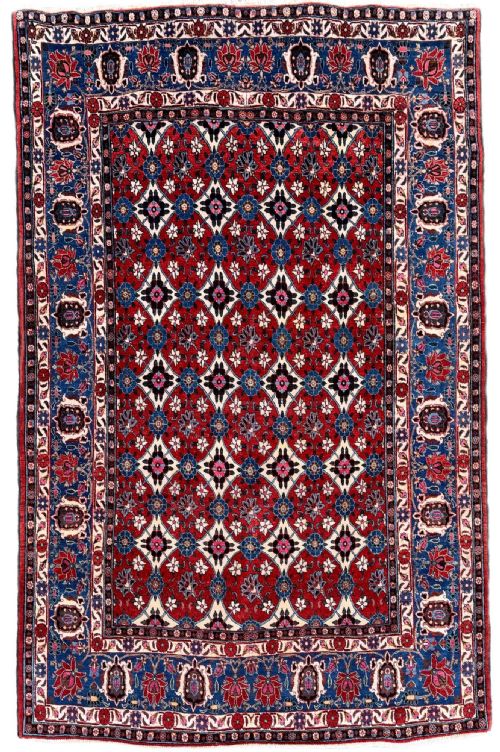
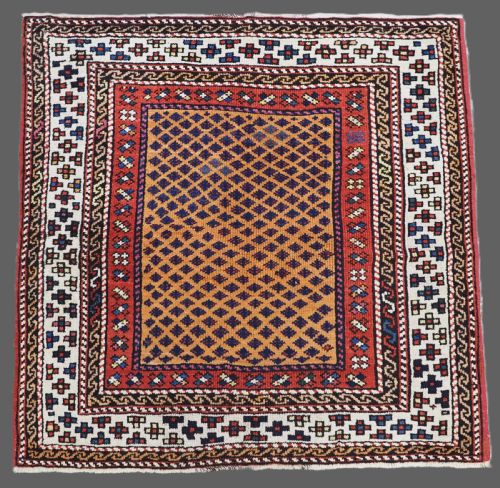
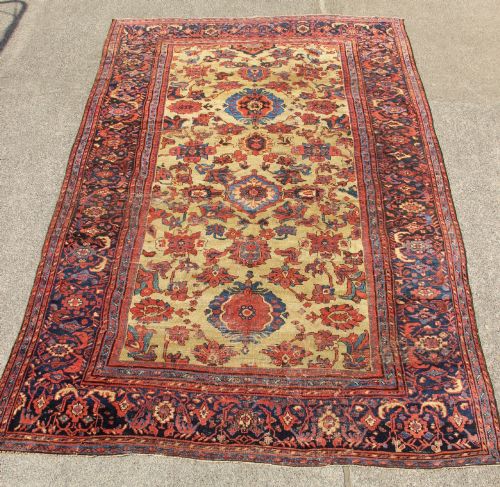
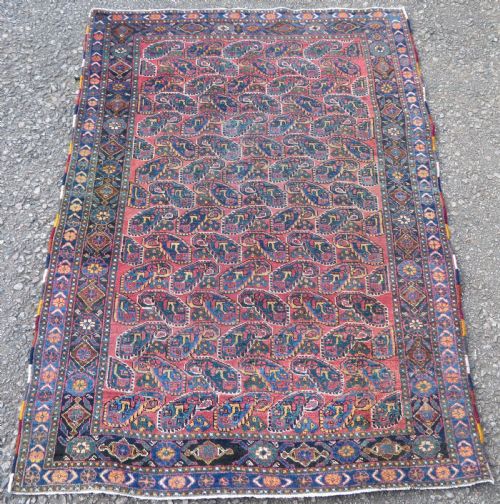
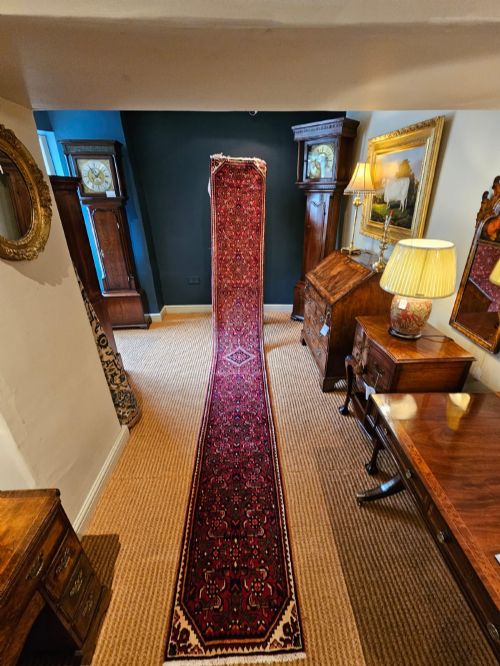
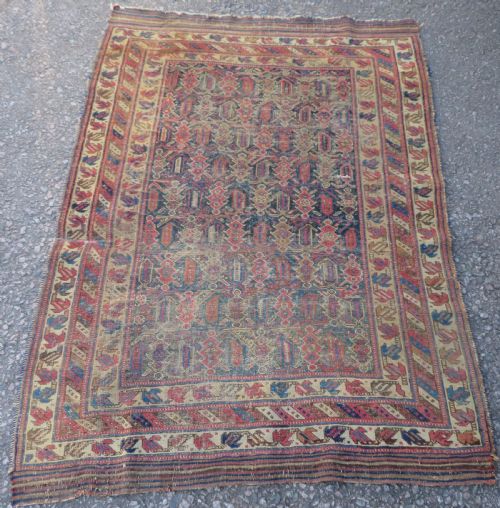
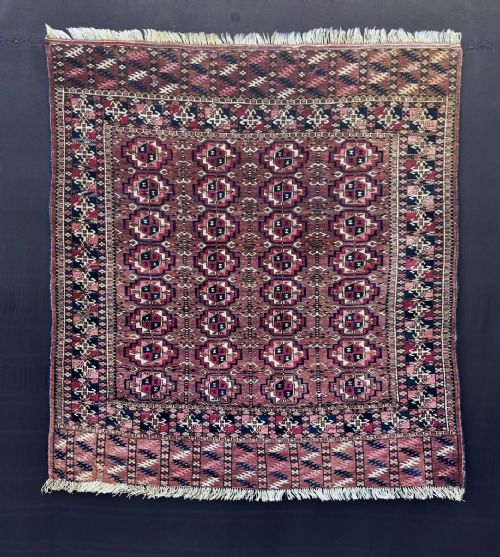
A red patterned wool rug represents a rich tradition of hand-knotted textile production originating primarily from Persian, Turkmen, Caucasian, and Central Asian workshops and tribal communities. When searching for a red patterned wool rug, buyers encounter pieces spanning from the mid-nineteenth century through the early twentieth century, encompassing village works, nomadic weavings, and large city carpets. The examples available on this page reflect diverse regional aesthetics, from the geometric medallions of Kazak and Afshar pieces to the repeating floral fields of Kashan and Fereghan carpets.
Regional styles dictate the character of these textiles, showing distinct structural and visual traits tied to their specific origins. Turkmen and Central Asian pieces often display deep madder red grounds paired with characteristic tribal guls, whereas Persian town and village rugs incorporate boteh motifs, latticework, and intricate central medallions. Runners and area rugs alike demonstrate the durable formats required for domestic use, utilising heavy wool piles designed to withstand generations of foot traffic.
Materials and construction methods
The foundation of these textiles relies heavily on natural wool, occasionally supplemented by cotton foundations and silk highlights in finer town pieces. Artisans employed hand-spun wool and natural dyes to achieve the deep, enduring reds that define the palette of these rugs, derived from sources such as madder root. The knotting technique is entirely hand-knotted, creating a dense pile that secures the intricate patterns while providing structural resilience.
Weavers constructed these carpets on upright vertical or horizontal looms, binding the warp and weft threads by hand before finishing the edges with sturdy side cordings. The integration of natural dyes ensures that the colours mellow gracefully over time, developing a soft patina rather than fading uniformly. Each region maintained distinct weaving densities and knot counts, which directly influenced the crispness of the geometric and floral designs.
Judging quality and execution
Quality in these textiles stems from the precision of the knotting, the fineness of the wool, and the complexity of the dye work. Higher quality examples exhibit a tighter knot density that allows intricate motifs to remain sharp and well-defined on the reverse and surface alike. The choice of materials also plays a role, with lustrous hand-spun wool and rich natural dyes separating superior tribal and village pieces from simpler commercial output.
Structural integrity and the retention of original borders and ends dictate the desirability of an antique carpet. Superior specimens maintain even pile height across the field, faithful proportions, and vibrant, saturated red tones that show depth rather than flatness. The skill of the weaver is evident in how successfully traditional tribal symbols or curvilinear floral layouts are executed without distortion.
The Red Patterned Wool Rug Glossary
- Boteh
- A stylised almond, pear, or floral motif of Persian origin that appears frequently across traditional rugs. It is often interpreted as a symbol of life and eternity.
- Gul
- A repeating octagonal or medallion-like motif used predominantly in Turkmen and Central Asian tribal weaving. Each design often identifies a specific tribe or clan.
- Madder
- A natural dye extracted from the roots of the Rubia plant, producing deep, rich reds and earthy tones. It remains a hallmark of authentic antique oriental carpet production.
- Warp
- The vertical threads stretched lengthwise on a loom that form the structural skeleton of a rug. The exposed warps often terminate in fringes at either end of the piece.
- Weft
- The horizontal threads passed across the warp threads after each row of knots to bind the structure together. Wefts are typically beaten down firmly with a comb to ensure a compact weave.
Red Patterned Wool Rug: Frequently Asked Questions
How do I clean an antique rug?
Gentle vacuuming without a rotating brush roll helps remove surface dust without stressing the antique wool pile. Professional specialist cleaning remains essential for deep washing to protect natural dyes and fragile foundations.
Avoid using modern chemical detergents or household stain removers, as these can permanently damage natural fibres and alter historic colour schemes. Promptly blot liquid spills with a clean, dry white cloth rather than rubbing the affected area.
Can I place these rugs in high traffic areas?
Traditional hand-knotted wool rugs were built for daily domestic use and handle moderate hallway or living room traffic very well. The natural lanolin in hand-spun wool provides inherent resistance to dirt and everyday wear.
Finer silk-highlighted pieces or very delicate nineteenth-century fragments benefit from placement in lower traffic zones to preserve their historic condition. Using a quality underlay helps prevent slipping and reduces friction between the rug and the floorboards.
How do I identify tribal versus city rugs?
Tribal rugs typically feature bold geometric patterns, spontaneous design variations, and heavy wool foundations woven by nomadic or village communities. Their layouts often rely on memory rather than precise cartoon drawings.
City carpets display refined curvilinear motifs, precise floral medallions, and extremely high knot counts produced in established urban workshops like Kashan or Tabriz. These pieces use finer materials and exhibit a formal symmetry absent in nomadic weavings.
What causes colour variation in antique wool?
Natural dye batches varied depending on plant harvests, mineral water content, and the duration of the dyeing process. This subtle shift in shade along the length of a rug is known by collectors as abrash.
Rather than being a fault, abrash adds depth and organic character to the red fields, proving the use of traditional dyeing methods. Exposure to sunlight over many decades can also create gentle, natural tonal softening across the surface.