
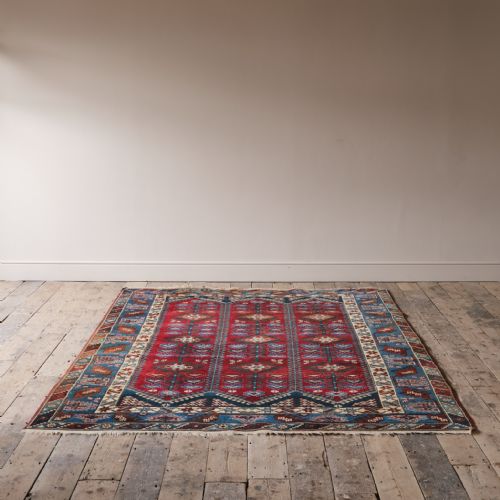
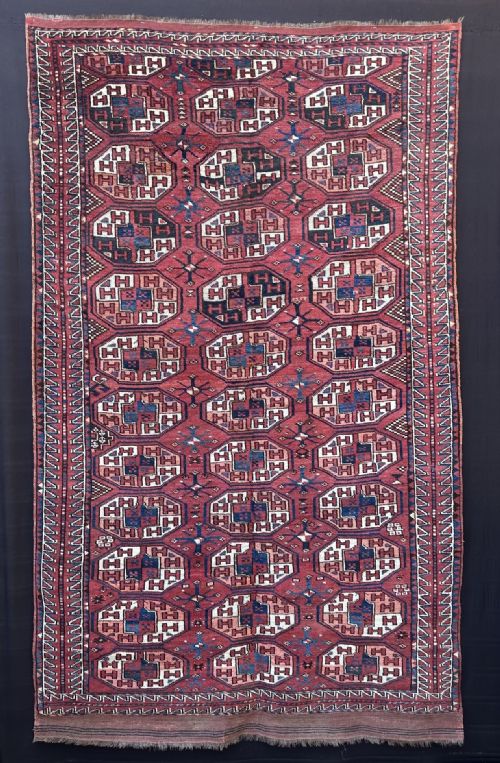

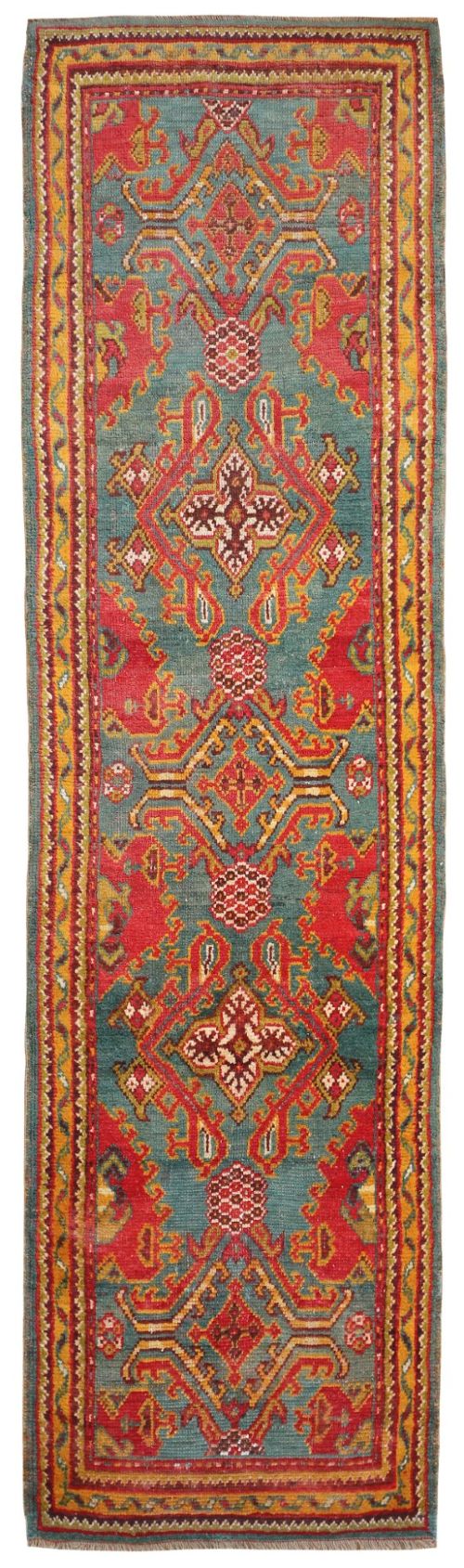
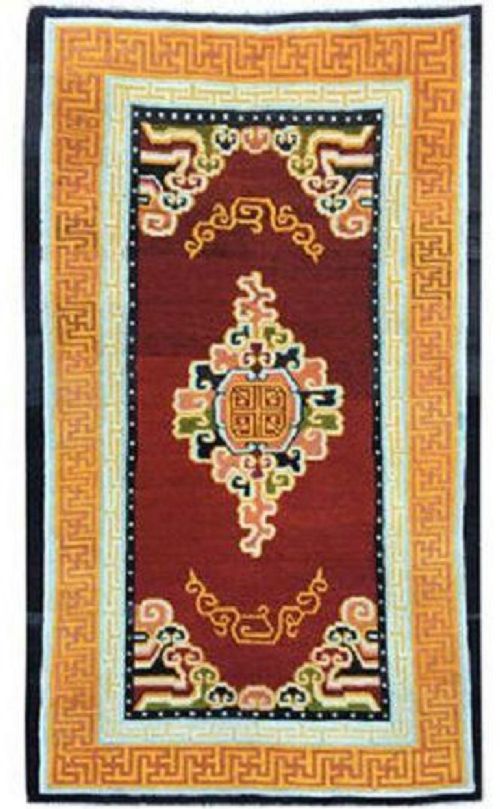
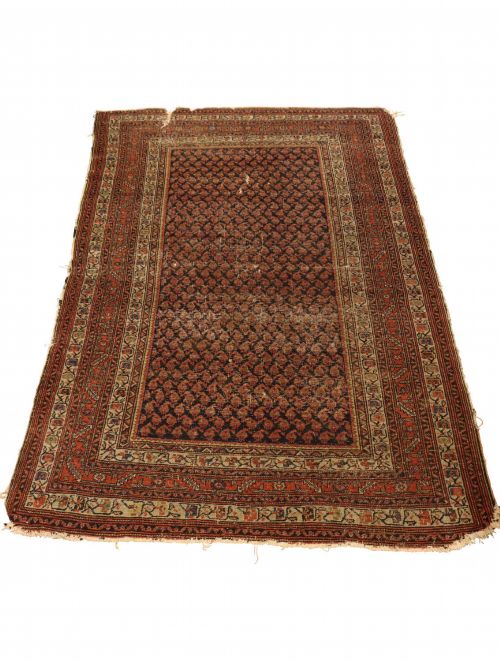


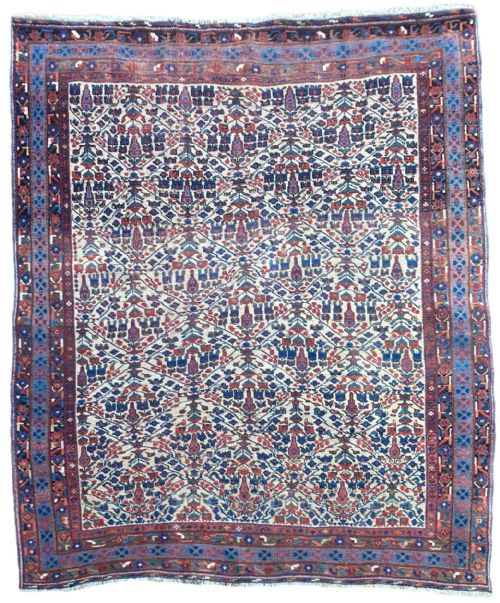
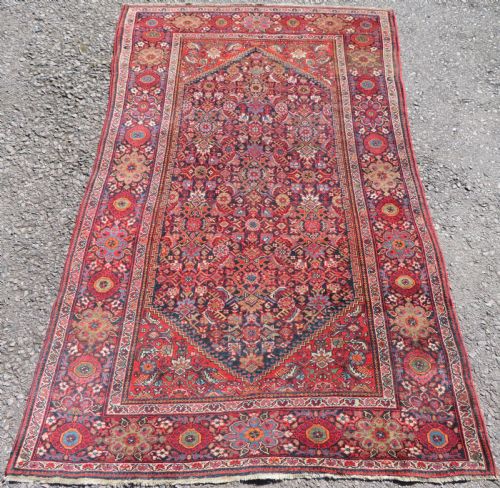

Red Patterned Runner
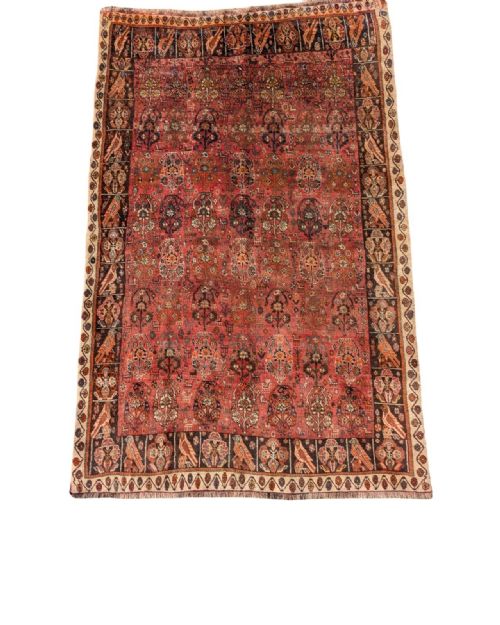
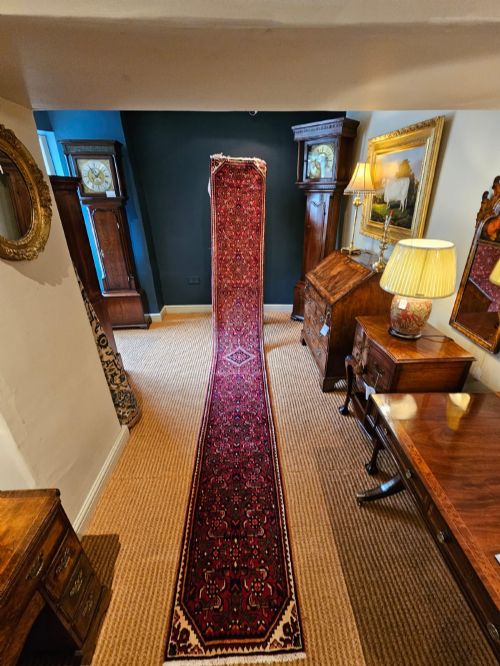
A red patterned runner brings warmth and traditional craftsmanship to a hallway, drawing the eye along long spaces with rich tribal designs.
Red Patterned Runner
A red patterned runner represents a specific category of floor coverings designed for corridors and narrow spaces, typically displaying elongated formats. These textiles emerge primarily from nineteenth and early twentieth-century weaving traditions across Persia, the Caucasus, and Central Asia.
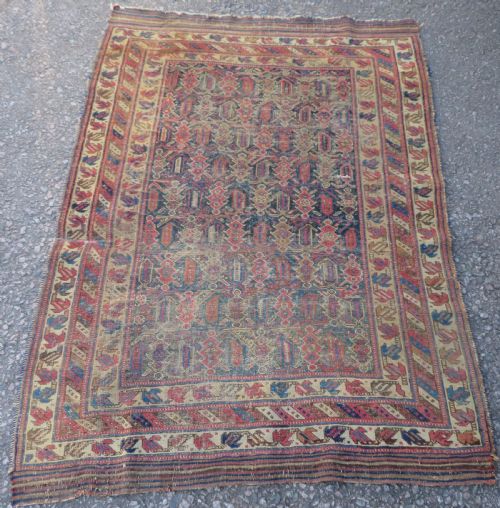
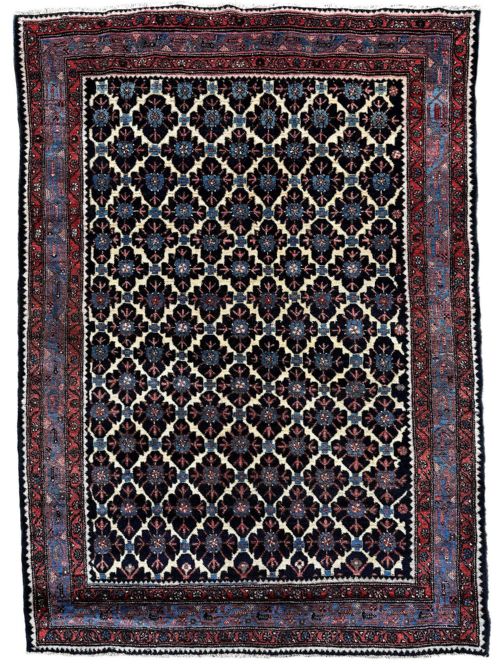
The selection on this page centres on wool and cotton foundations decorated with traditional motifs such as boteh, shrub designs, and geometric tribal patterns. Buyers frequently encounter pieces originating from tribal workshops and village weavers in regions like Ushak, Hamadan, and Kurdistan.
Older examples incorporate hand-spun materials and natural dyes that yield softer, deeper shades of crimson and madder over time. The formatting ranges from room-length corridor carpets down to compact village runners.
Materials and construction
Weavers constructed these runners using wool pile knotted onto wool or cotton warp and weft foundations, occasionally utilising flat-weave kelim techniques for lighter coverings. The yarn came from hand-spun fleece, processed locally and dyed using natural colourants derived from plants and minerals.
Nomadic and village artisans tied the knots by hand on vertical looms, creating dense structures designed to withstand heavy foot traffic in domestic interiors. This traditional method ensures the longevity and resilience visible in surviving nineteenth-century examples.
Listings feature wool and cotton runners from nineteenth and early twentieth-century Persian, Caucasian, and Central Asian traditions.
Evaluating quality and execution
Knot density and the precision of the tribal geometry distinguish finer examples from standard village production, reflecting the weaver's skill and time investment. Finer pieces demonstrate tighter packing of the foundation and more intricate rendering of motifs like the gul or shrub design.
The choice of dyestuffs significantly alters the visual depth of the wool, with natural dyes producing subtle tonal variations across the field. Early pieces with intact borders and uniform wear show superior material selection compared to heavily worn counterparts.
The Red Patterned Runner Glossary
- Boteh
- A stylised almond or pear-shaped motif representing a shrub or floral spray. This ancient Persian design appears frequently across tribal and village carpets.
- Gul
- A medallion or floral octagonal stamp repeated across Turkmen and Central Asian weaving. Each tribe utilised distinct variations to identify their specific lineage.
- Kelim
- A flat-woven carpet or rug produced without a pile by tightly interweaving warp and weft threads. These lightweight textiles serve as floor coverings or hanging torbas.
- Warp
- The vertical foundation threads stretched tightly on the loom before knotting begins. The visible fringes at either end of a runner are the secured ends of these threads.
- Weft
- The horizontal threads passed back and forth across the warp strings to lock the knots in place. This grid forms the structural backing of the rug.
Red Patterned Runner: Frequently Asked Questions
Where should I place a runner?
These long carpets suit hallways, landings, and corridors where narrow floor spaces benefit from grounding colour and linear geometry.
They also function effectively in kitchens or beside beds, providing soft texture underfoot in high-traffic residential areas.
How do I clean an antique wool rug?
Gentle surface vacuuming without a rotating brush roll removes everyday dust and loose debris from the wool pile.
Professional specialist cleaning remains necessary for deeper washing to protect natural dyes and fragile foundations.
How do I identify a tribal design?
Tribal designs typically feature geometric medallions, repeating geometric motifs, and less rigid symmetry than city-made workshop carpets.
Weavers from nomadic groups like the Afshar, Bakhtiar, and Baluch drew upon memorised patterns rather than pre-planned cartoon drawings.
What is natural dye?
Natural dye refers to colour extracted from organic sources such as madder root, walnut shells, and insect bodies before synthetic aniline dyes became widespread.
These traditional colourants age gracefully, developing rich patinas and subtle tonal shifts known as abrash across the wool.