

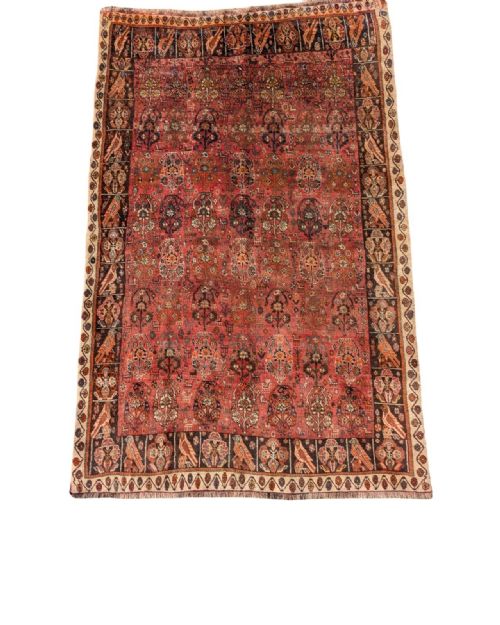
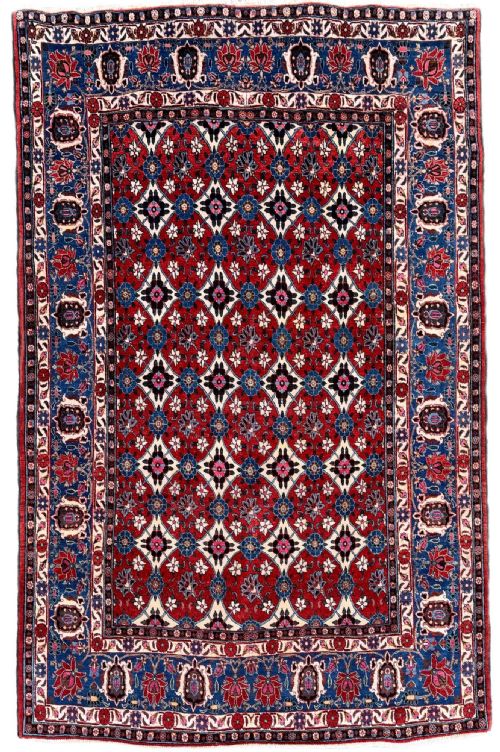
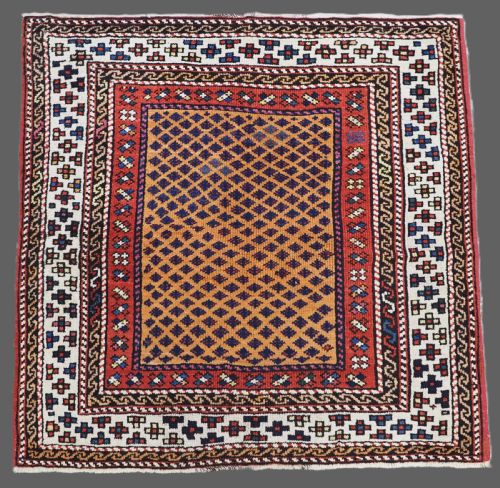
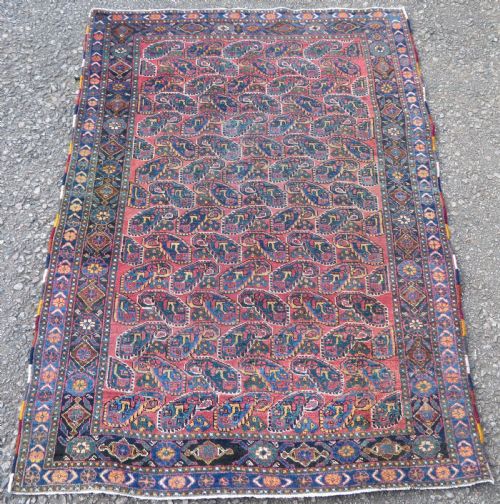
Red Patterned Rug
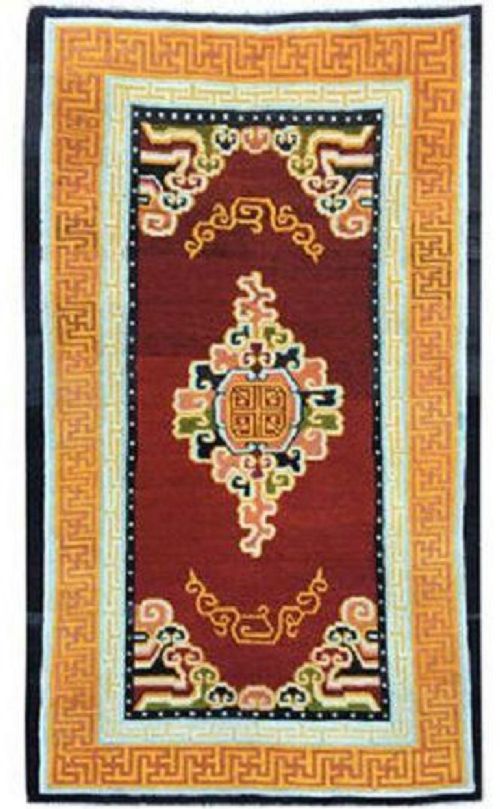
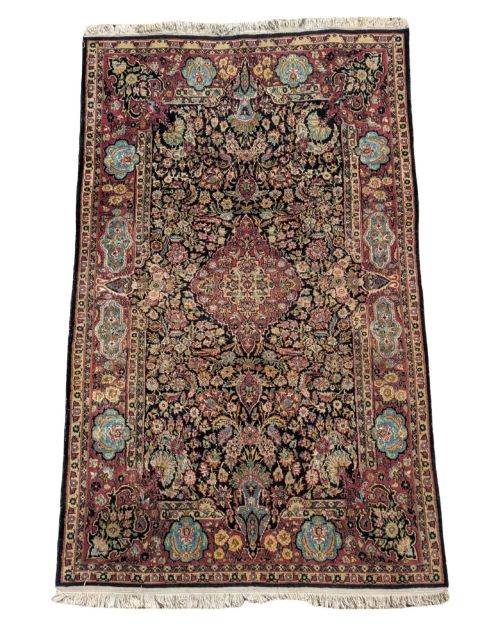
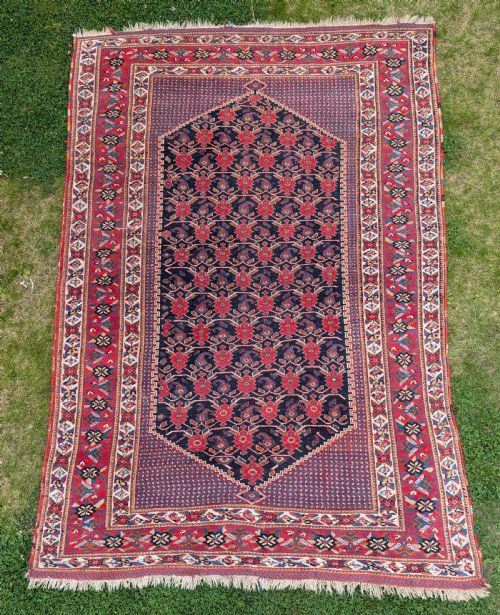
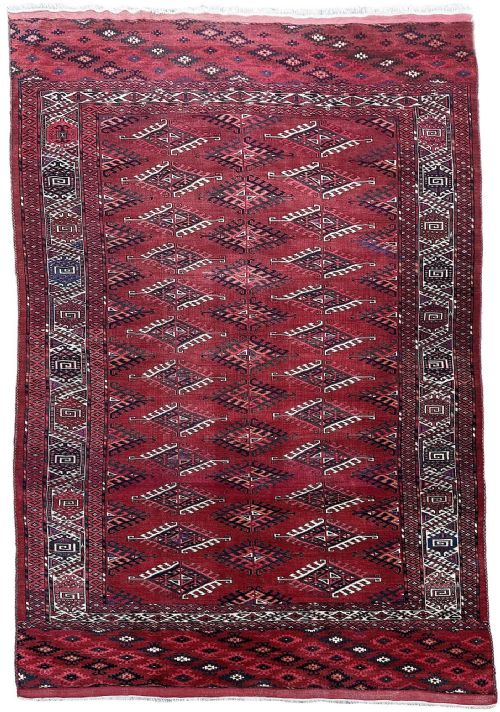
A red patterned rug brings warmth and structured geometry to a room, drawn from traditions spanning Persian, Caucasian and Central Asian workshops.
Red Patterned Rug
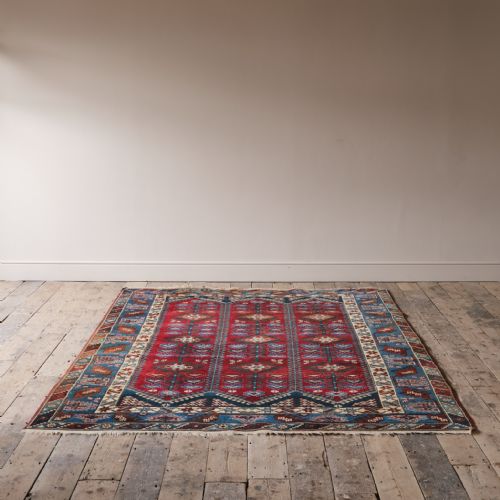
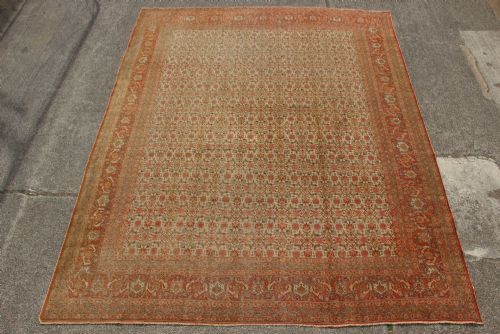
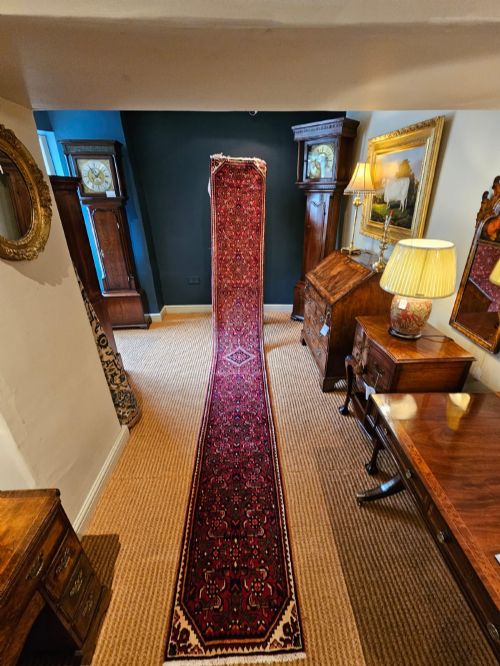
When someone searches for a red patterned rug, they encounter floor coverings originating from nineteenth- and early twentieth-century weaving traditions. The selection includes large carpets, smaller area pieces, long runners, and specialised formats such as tent door rugs and saddle bag faces.
Tribal and village workshops predominate, alongside city pieces from centres such as Tabriz, Kashan and Isfahan. Many specimens hail from Persian, Turkish, Caucasian and Turkmen origins, reflecting distinct regional motifs and knotting techniques.
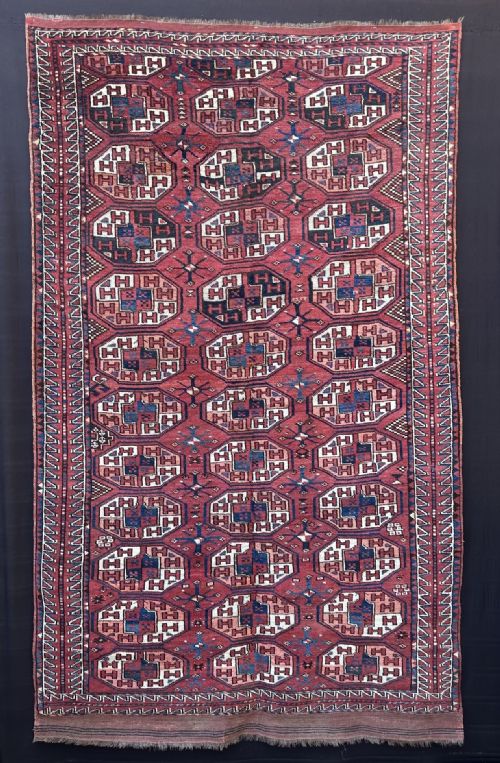
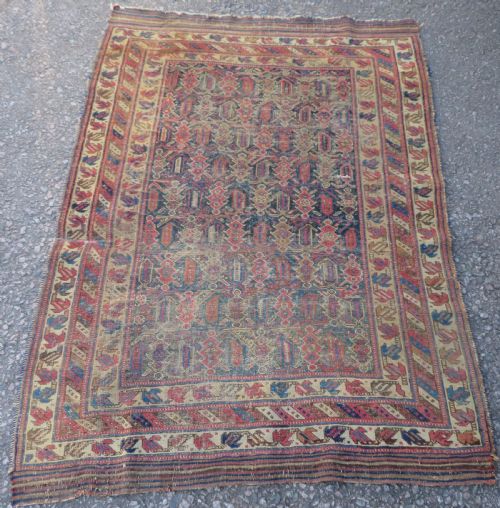
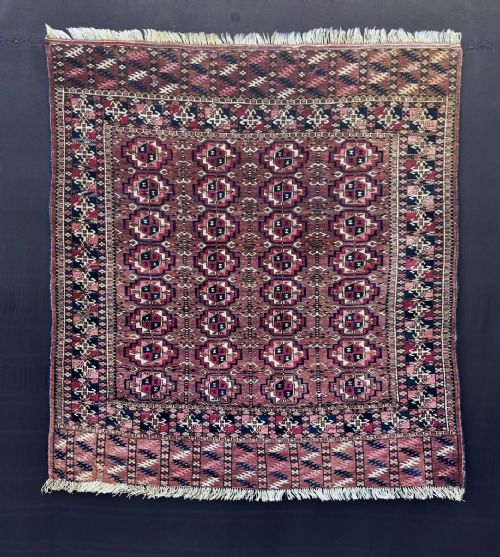
The palette relies heavily on madder red grounds paired with secondary tones of indigo, ivory and madder brown. Buyers find pieces bearing geometric lattice work, all-over boteh patterns, pictorial hunting scenes and tribal gul motifs.
How they were made
Weavers relied on natural dyes extracted from plants and minerals, paired with wool, hand-spun wool, cotton and occasional silk highlights. Hand-knotted construction created dense, resilient piles designed for daily use.
Foundation threads of cotton or wool support the pile, while natural dyestuffs yield varied, complex shades that mature gracefully over decades. Certain specialised formats incorporate structural elements such as flatwoven ends or piled panels intended for specific domestic functions.
Several nomadic weavers tucked tiny stray tufts of contrasting wool into plain borders, leaving a quiet fingerprint of the hand at work.
What varies in quality
The distinction between tiers rests upon knot density, precision of tribal design execution and the depth of natural dye colour. Finer examples display crisp geometric boundaries and balanced proportions across the field and border.
Material choice alters the character of a piece, from coarse, heavy tribal wools to finely spun wool and delicate silk highlights. Wear patterns and historical alterations also divide utilitarian survivals from well-preserved domestic centerpieces.
The Red Patterned Rug Glossary
- Gul
- A primary octagonal medallion motif repeated across Turkmen and Central Asian tribal weaving. It serves as an identifying badge for specific tribes and clans.
- Boteh
- A teardrop or pine-cone motif of Persian origin representing a floral spray or cypress tree. It appears in all-over field repeats or stacked rows.
- Engsi
- A specialised Turkmen tent door rug featuring a cross-shaped design dividing the field into four panels. These pieces hung at the entrance of yurt dwellings.
- Torba
- A small decorative wall-hanging bag or face used within nomadic tents for storage. They often exhibit intricate primary guls and detailed borders.
- Madder
- A natural red dye derived from the root of the Rubia plant. It provides the foundational crimson tones seen across Persian and Caucasian textiles.
Red Patterned Rug: Frequently Asked Questions
How do I identify a tribal rug?
Tribal rugs display geometric motifs, memory-driven designs, and heavier hand-spun wools rather than the formal curves of city workshops. Their palettes often incorporate rich madder reds and indigo blues arranged in repeating tribal symbols.
These pieces reflect the nomadic or village origins of their weavers, frequently showing slight irregularities in symmetry that point to manual execution without fixed paper cartoons.
Where were antique runners used?
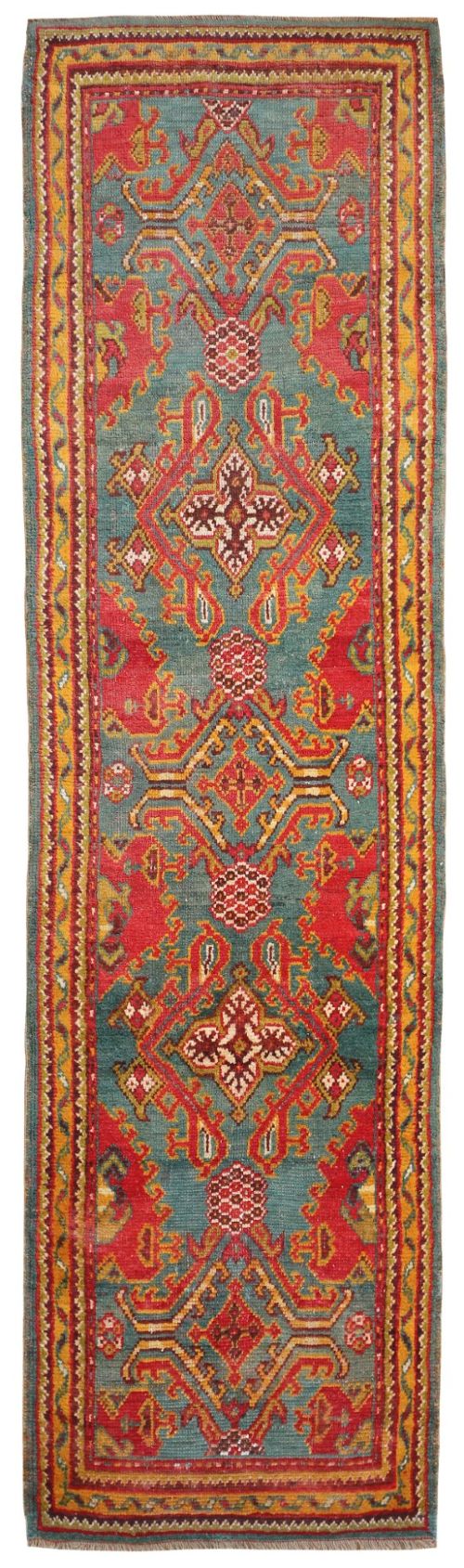
Long runner formats served narrow corridors, staircases, and gallery spaces within period homes. Their elongated proportions accommodated high-traffic transit areas while adding warmth to wooden floorboards.
Weavers structured these pieces with repeating central medallions or continuous geometric lattices to guide the eye along narrow architectural spans.
How do I care for an old wool rug?
Place a breathable underlay beneath the piece to prevent slipping and reduce friction against the floorboards. Vacuum gently with suction only, avoiding rotating brush heads that can catch the wool pile.
Keep the textile out of direct, harsh sunlight to protect natural dye integrity, and consult a specialist familiar with antique textiles for occasional professional cleaning.
What is a Turkmen carpet?
Turkmen carpets originate from Central Asian nomadic groups such as the Yomut, Teke, Saryk and Ersari tribes. They are instantly recognisable by deep madder red colourways and repeating octagonal gul motifs.
These dense woollen textiles functioned as floor coverings, tent furnishings, and dowry pieces, constructed with durable materials suited to nomadic life.