



Red Nomadic Rug
When you set out to find a red nomadic rug, you are looking for hand-woven textiles made by tribal groups across Persia, Central Asia, and the Caucasus.
Red Nomadic Rug
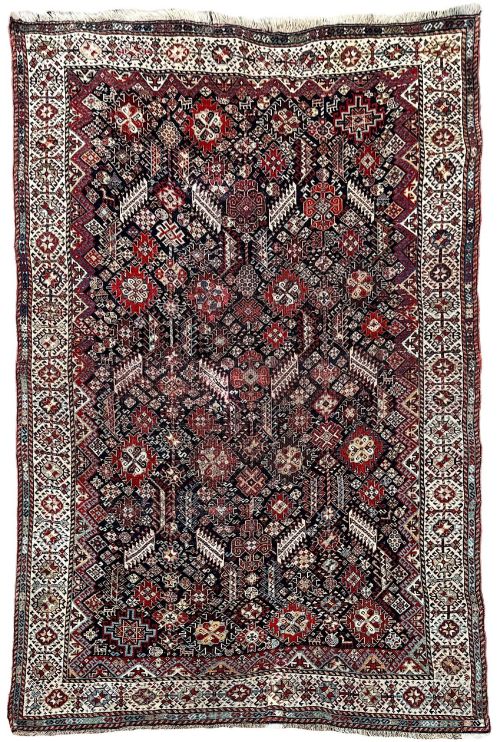
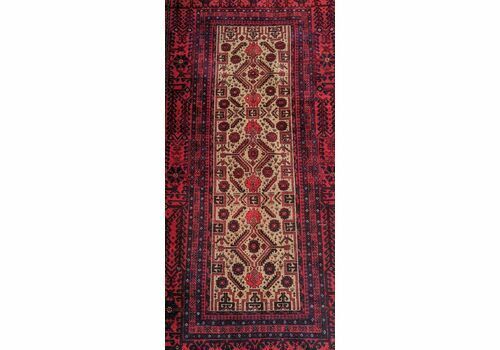
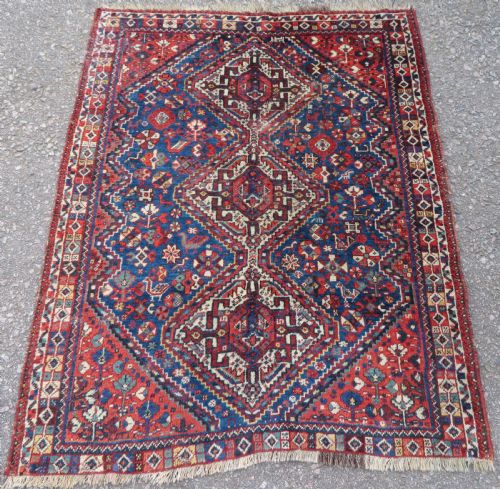
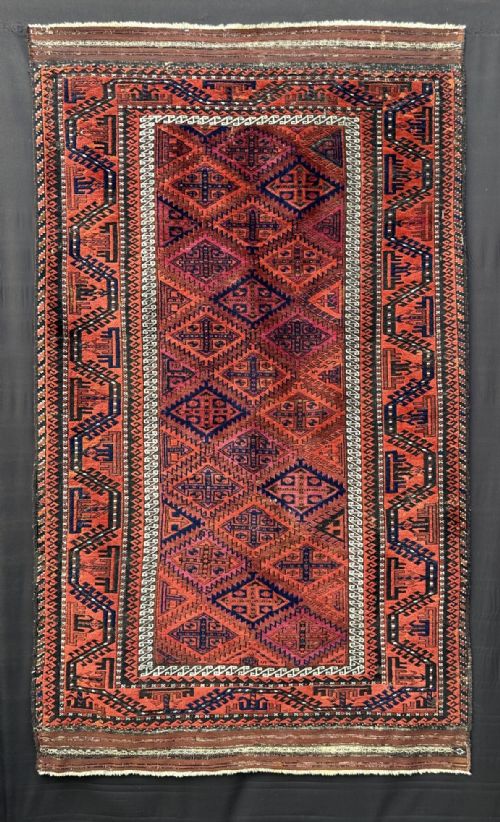
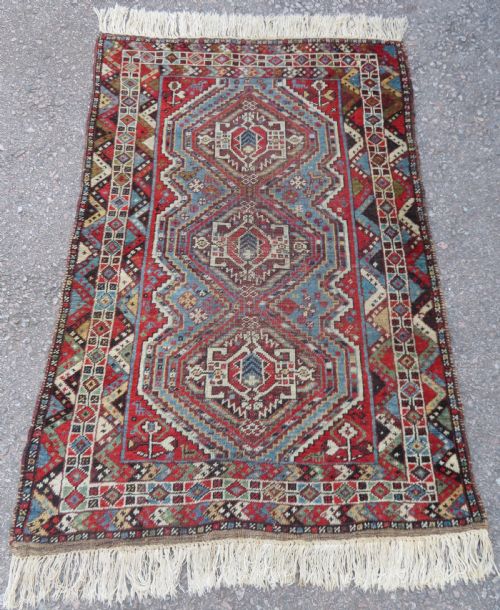
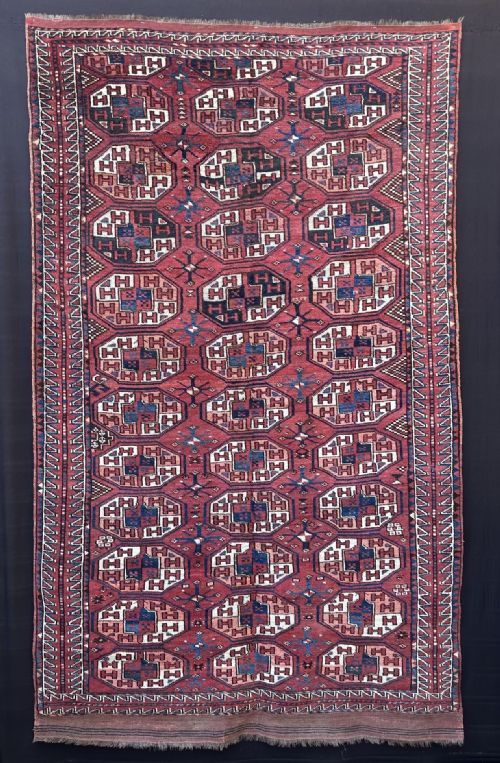
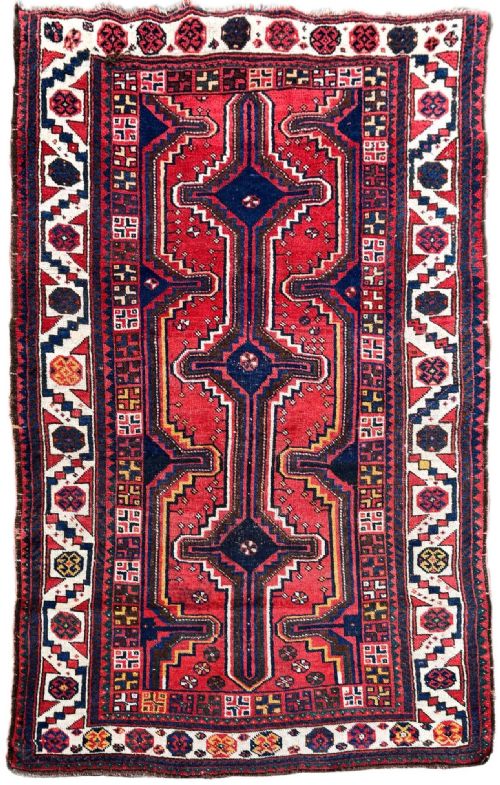
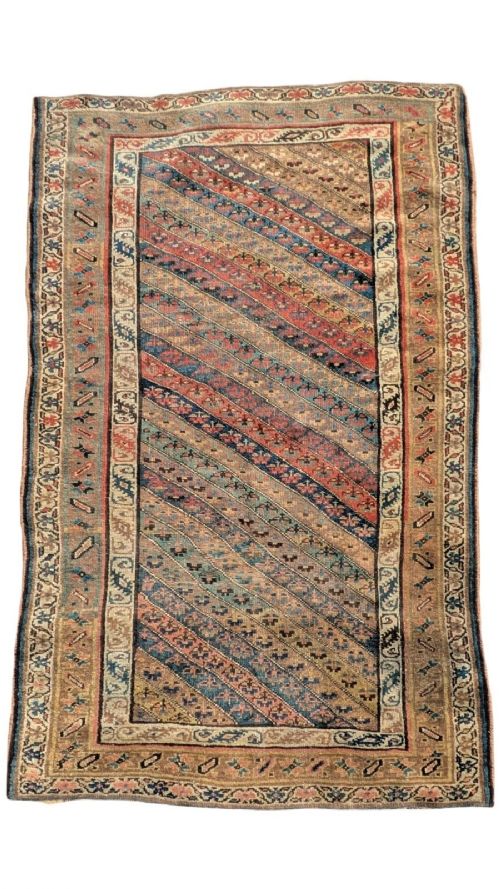
A red nomadic rug encompasses floor coverings, wall hangings, and functional bags created by tribal weavers from groups such as the Qashqai, Khamseh, Baluch, Turkmen, and Lori. These pieces reflect the distinctive design traditions and daily lives of nomadic and semi-nomadic communities working across Persia, Turkmenistan, and surrounding regions.
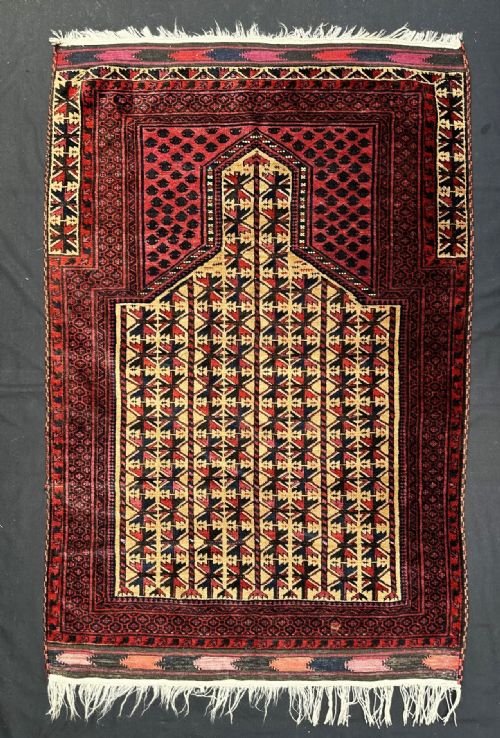
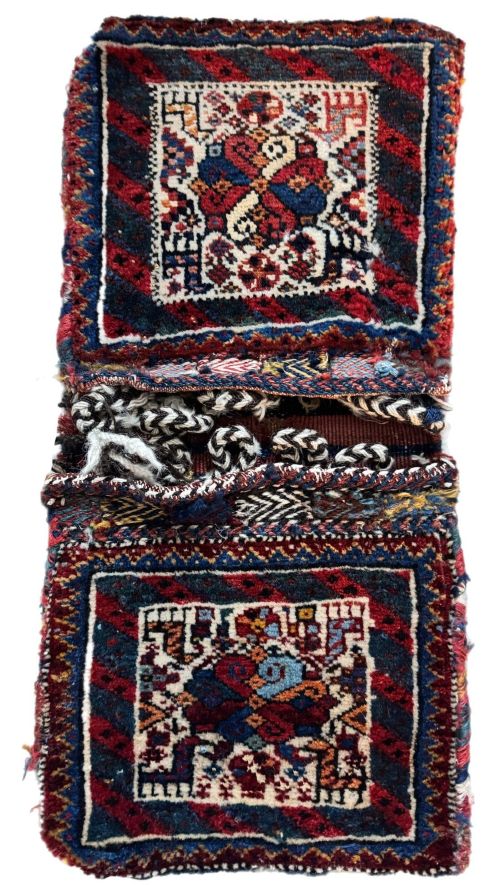
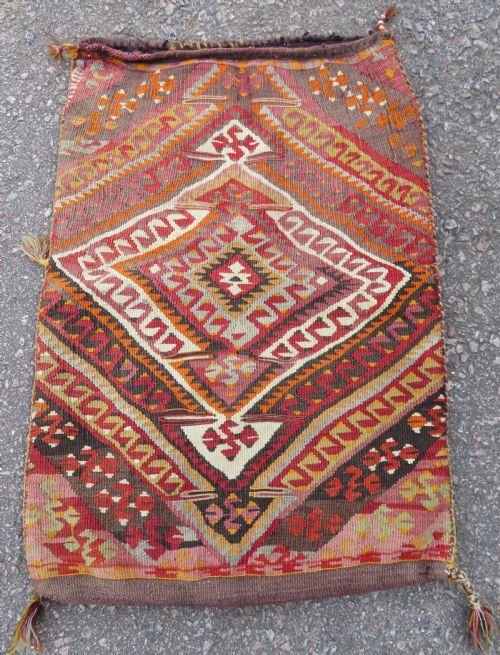
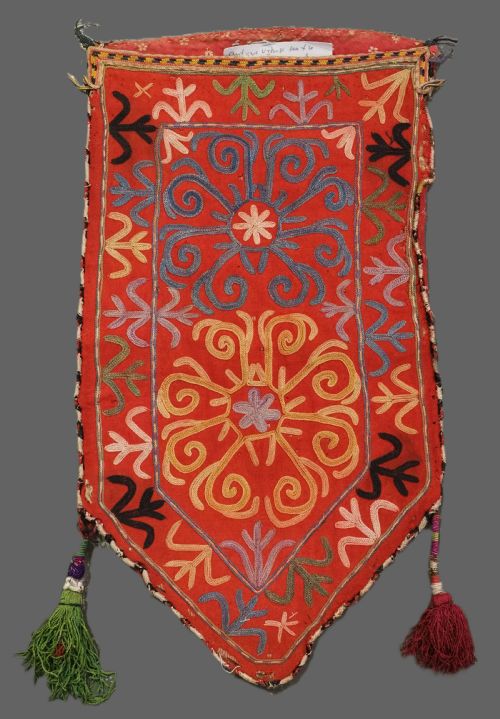
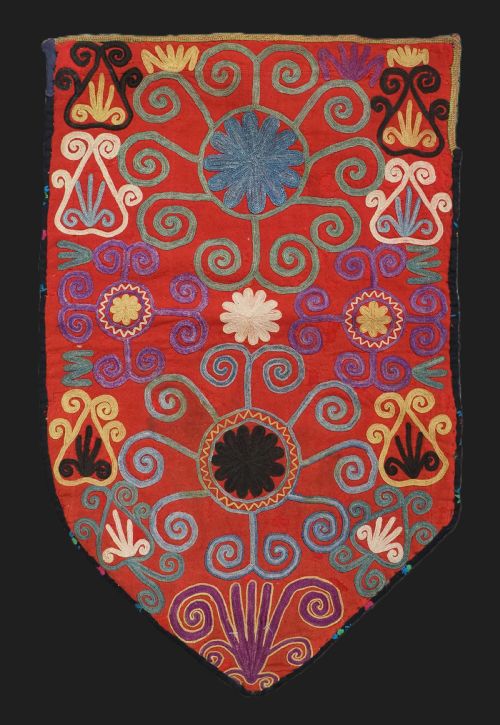
You will encounter various forms on this page, ranging from full-sized area rugs and carpets to smaller utilitarian items including saddle bags, grain sacks, prayer rugs, and ceremonial horse covers. The predominant red palette unites these diverse objects, grounding them in the rich earthen and madder tones favoured by tribal makers.
The dating of these textiles spans from the nineteenth century into the early decades of the twentieth century. Examples from this timeframe display the organic variations and traditional motifs handed down through generations before commercial dyes and standardised looms transformed production.
How they were made
The construction of these textiles relies primarily on wool, cotton, and silk, with hand-spun wool providing the durable foundation and pile for many tribal carpets and bags. Weavers utilised natural dyes to achieve deep red hues, often working on portable horizontal looms set up in camps or settlements.
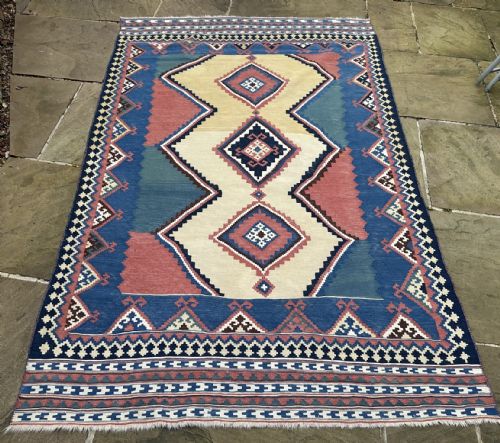
Specialist techniques extend beyond standard pile weaving to include kilim flatweaves, embroidery, and felted wool construction, particularly in pieces originating from Uzbek and Turkmen tribes. Cotton thread frequently appears in the foundational warps and wefts, adding structural stability to the wool surface.
Red Nomadic Rug Retail Price Guide 2026
Typical asking prices for red nomadic rug among the pieces listed under this phrase on Sellingantiques today, from the lower quarter to the upper quarter. They describe what is for sale here now, not the wider market.
Nomadic weavers occasionally included tiny intentional errors in their geometric patterns to ward off the evil eye.
What varies in quality
The distinction between tiers of these textiles rests on the handling of materials and the mastery of colour. Finer examples display tightly spun wool and complex natural dye baths that yield rich, multifaceted red tones with subtle variations across the surface.
Structural integrity and the precision of tribal motifs also define the standing of a piece. Well-executed symmetry in geometric field patterns and securely bound edges indicate skilled handiwork passed down through specific weaving lineages.
The Red Nomadic Rug Glossary
- Kilim
- A flat-woven carpet or rug produced without a pile. These pieces rely on interlocking weft threads to create sharp geometric patterns.
- Khorjin
- A traditional tribal storage bag or saddle bag woven in pairs for practical transport on animals. They frequently feature intricate face designs.
- Asmalyk
- A large, pentagonal ceremonial trapping produced by Turkmen tribes to decorate the flanks of wedding camels. They are distinguished by rich field ornamentation.
- Mihrab
- A niche design element found on prayer rugs, representing the direction of prayer. It guides the layout of the central field.
- Warp
- The vertical threads stretched tightly on a loom before weaving begins. The pile knots are tied around these foundational strands.
Red Nomadic Rug: Frequently Asked Questions
How were these tribal bags used originally?
Nomadic groups utilised these woven pieces for practical storage and transport during seasonal migrations. Items such as khorjins and grain sacks held household possessions, food, and personal belongings.
Over time, these utilitarian objects became expressions of tribal identity and artistic skill within the community.
What regions produced these textiles?
Weavers across Persia, Central Asia, and the Caucasus created these rugs and bags. Specific tribal confederations and groups, including the Qashqai, Khamseh, Baluch, and Yomut Turkmen, worked in distinct geographical territories.
Each region and tribe developed a recognisable repertoire of symbols, structures, and colour palettes.
How do I care for an antique wool rug?
Protect these textiles by placing them in areas away from direct, harsh sunlight to preserve the natural dyes. Gentle, regular vacuuming without a rotating brush helps remove dust from the wool pile.
Professional cleaning suited to antique textiles should be sought when deep maintenance is required.