
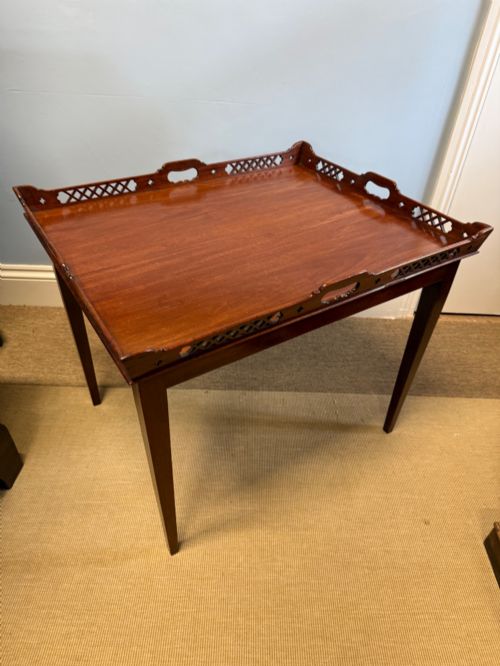


Red Mahogany Occasional Table
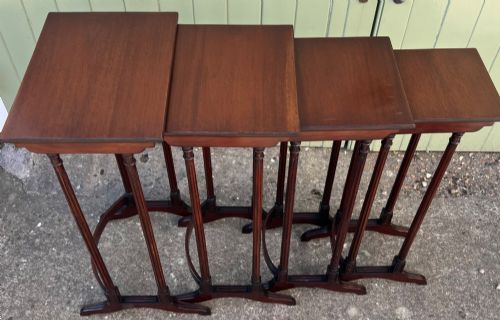
A red mahogany occasional table offers a compact surface with deep timber grain, ranging from Georgian tripod wine tables to Edwardian nests.
Red Mahogany Occasional Table
When searching for a red mahogany occasional table, buyers encounter versatile small furniture designed for specific domestic tasks rather than grand dining. The forms span side tables, lamp tables, wine tables, nests, tea tables, and low coffee tables from various eras.
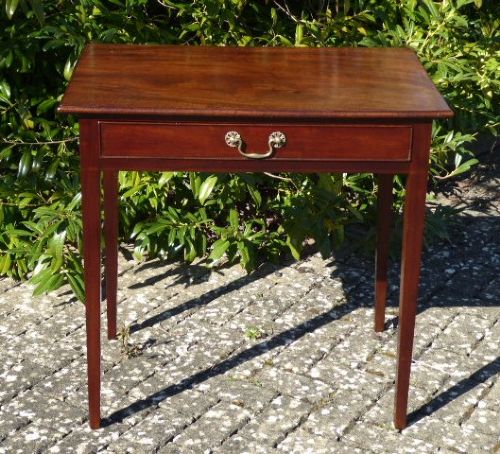
The versions most commonly met on this page originate in the Georgian, Victorian, and Edwardian periods. Examples include tilt-top tripod tables, dropleaf Pembroke pieces, two-tier étagères, and single-drawer side tables.
These pieces serve flexible functions in modern rooms, functioning beside seating or in hallways. Their scale allows them to fit tight spaces while providing a warm timber surface.
How they were made
Cabinet makers utilised solid mahogany and figured mahogany veneers applied to secondary timbers to achieve rich, deep red tones and striking grain patterns. Turning, carving, and joinery formed the structural bases, particularly on pillar and tripod supports.
Advanced examples incorporate brass castors, boxwood stringing, marquetry inlay, and ormolu mounts to accent the timber surfaces. Tilt-top mechanisms and drop leaves required precise hinge work and pivoting catches.
Some nineteenth-century coaching tables fold completely flat for travel, proving that portable convenience predated modern flat-pack furniture.
What varies in quality
The selection of mahogany timber dictates the visual depth of the surface, with highly figured grain and book-matched veneers marking out superior examples. Plain, flat planks sit at the other end of the scale.
Hand-cut joinery, crispness of carved details such as piecrust or serpentine edges, and original brass hardware elevate the status of a piece. Finer proportions and stable, balanced tripod or pedestal bases distinguish the better workshop output from utility items.
The Red Mahogany Occasional Table Glossary
- Tripod table
- A small circular table supported by a central pillar and three legs. This form gained popularity during the Georgian period for tea or wine service.
- Pembroke table
- A drop-leaf table with hinged flaps on two opposing sides. It often includes one or two drawers and rests on four legs or a central pedestal.
- Étagère
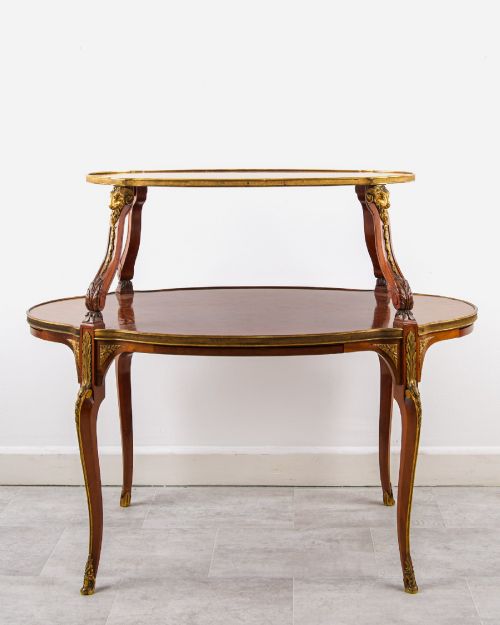
- A set of open shelves for displaying small objects. French examples from the late nineteenth century frequently feature multiple tiers and metal mounts.
- Gallery top
- A raised rim surrounding the edge of a table top to prevent items from sliding off. These rims appear in fretted wood or shaped brass.
- Tilt-top mechanism
- A hinge and catch system allowing the table top to pivot vertically. This mechanism enabled tables to stand flat against walls when not in use.
Red Mahogany Occasional Table: Frequently Asked Questions
What is an occasional table used for?
These pieces serve as movable surfaces for lamps, drinks, or books beside seating. Their compact scale suits them to corners and hallways throughout the house.
Historically, specific versions held tea, wine, or writing materials. Today, buyers use them flexibly in living spaces.
How do I identify a Georgian table?
Georgian examples often feature simpler, classical proportions with solid mahogany timbers, tripod pillar bases, or tapered legs. Details like snap-tops and wine table proportions point toward the eighteenth century.
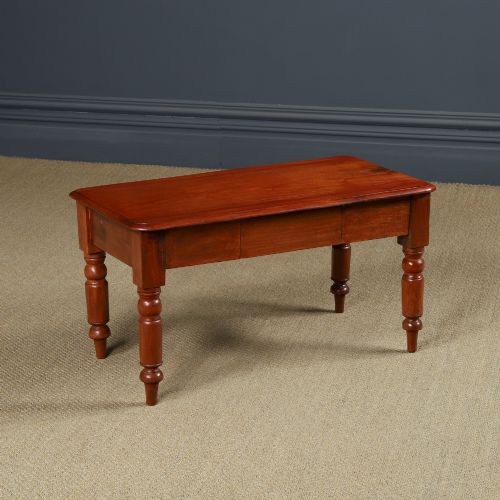
Later Victorian and Edwardian pieces frequently introduce heavier turnings, applied veneers, or marquetry inlay. Comparing the leg structure and edge moulding helps separate the periods.
What is plum pudding mahogany?
This descriptor refers to timber with a mottled, circular grain pattern resembling the texture of a traditional Christmas pudding. It results from branch junctions or specific growth characteristics in the tree.
Cabinet makers reserved this heavily figured wood for premium surfaces, often paired with ormolu mounts.
Can I use a wine table as a lamp table?
Small tripod wine tables provide adequate surface area for a bedside or reading lamp. Their stable three-legged bases fit onto smaller floor spaces.
Buyers should check the top diameter against the base of the lamp to ensure a secure fit.