


Red Lacquered Furniture
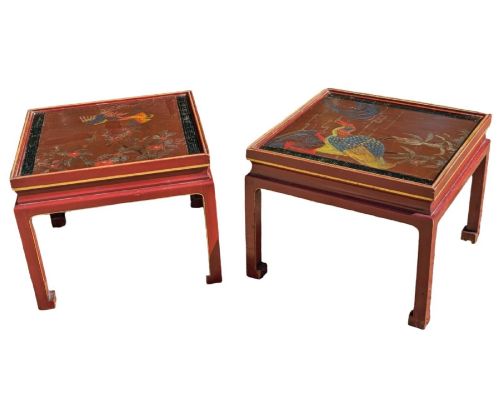
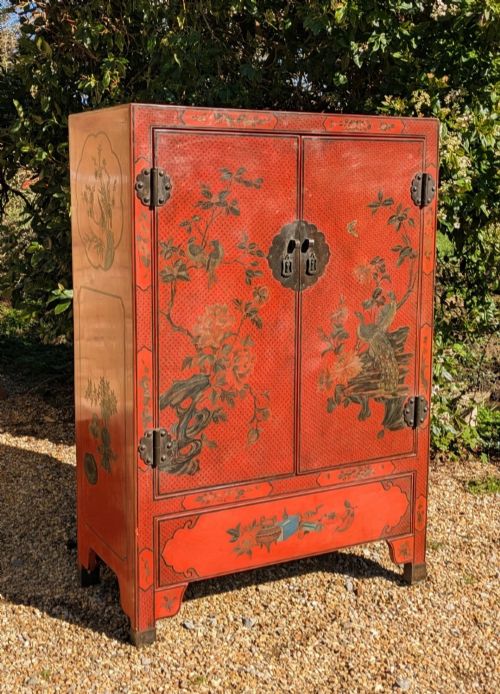
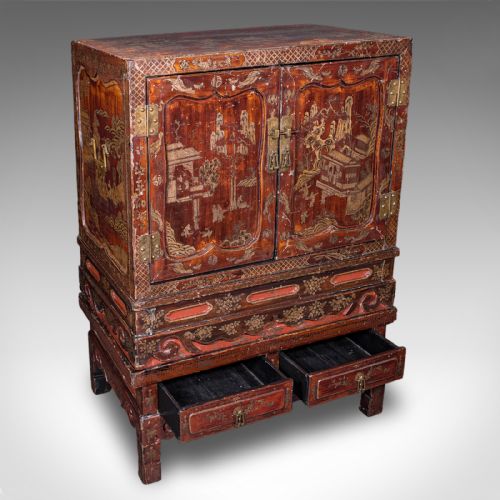
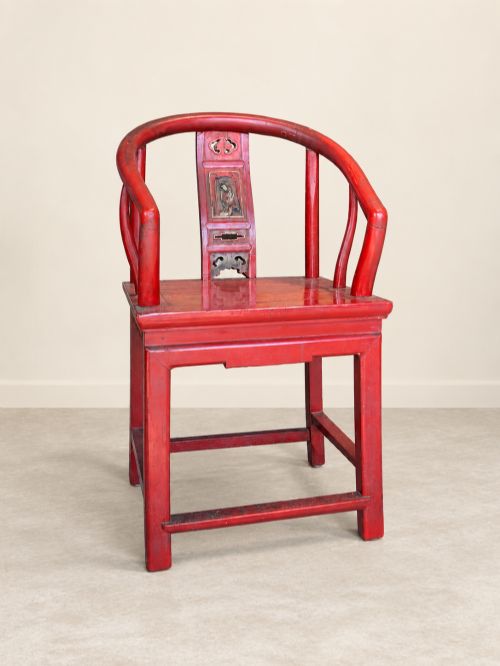
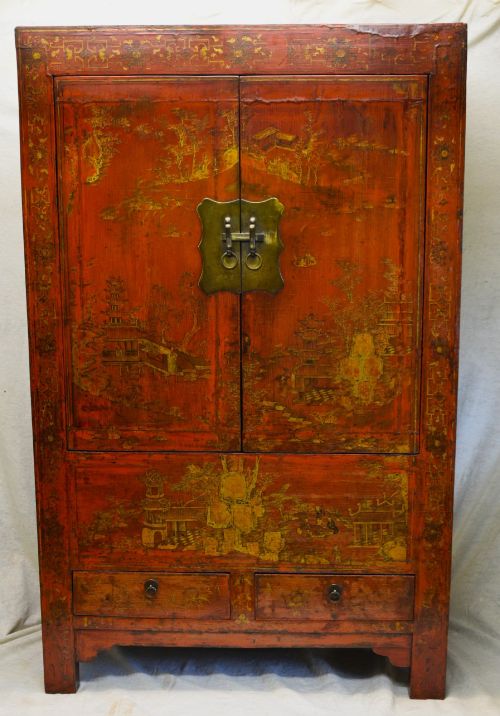
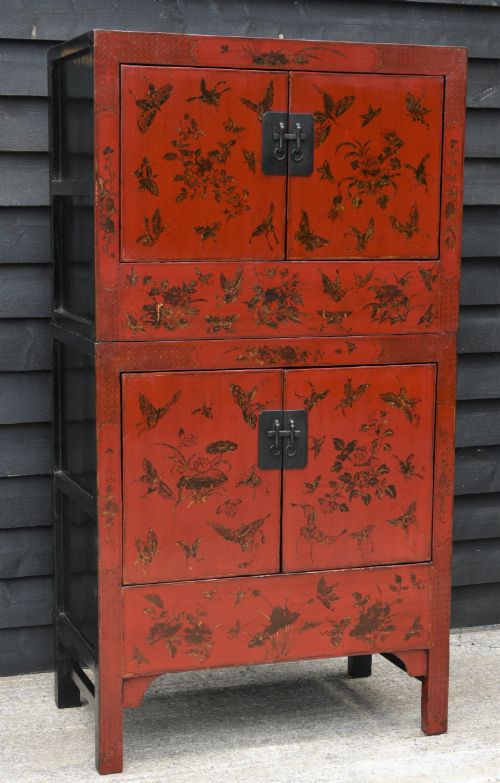
These red lacquered furniture pieces bring rich crimson pigments and intricate gilt decoration into a room, offering both bold colour and practical storage.
Red Lacquered Furniture
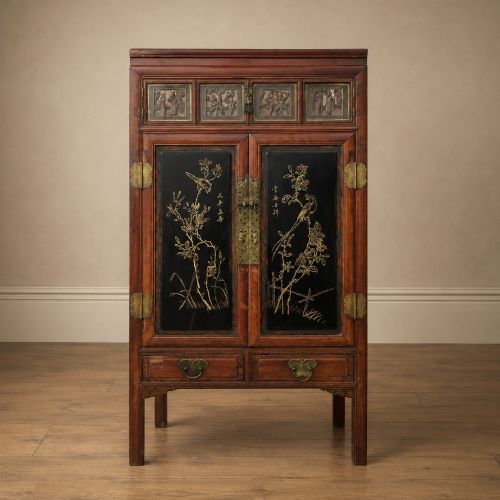
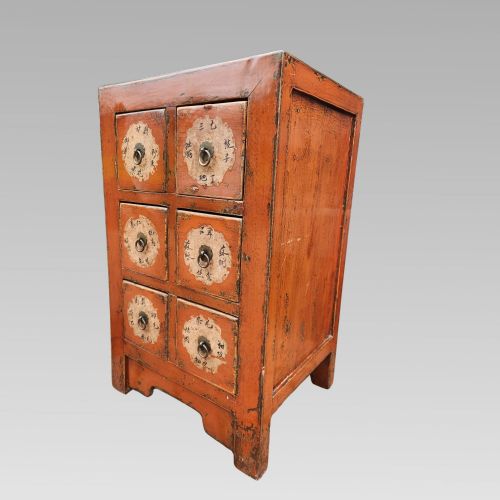
When searching for red lacquered furniture, buyers encounter a diverse selection spanning cabinets, side tables, and seating from various global traditions. Chinese wedding cabinets, altar tables, and lowboys form a significant portion of these listings, often dating to the nineteenth century and showcasing traditional Qing Dynasty or provincial designs.
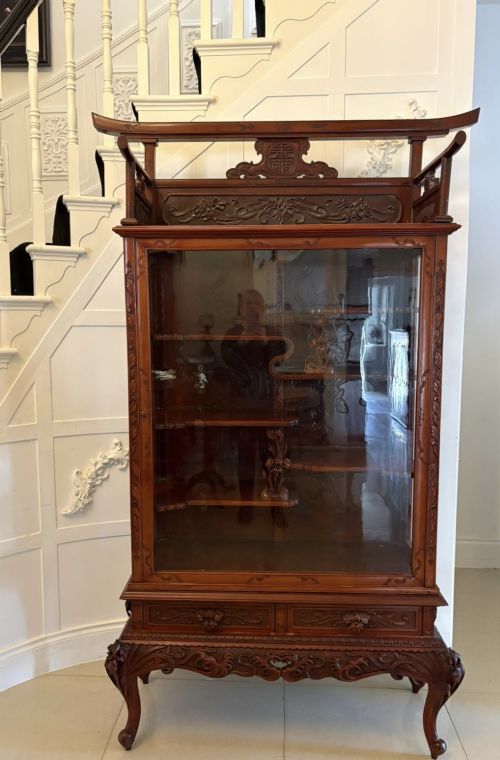
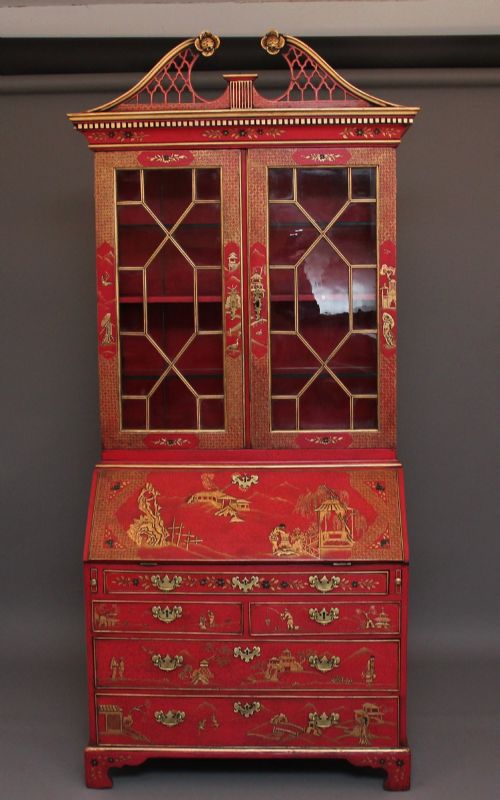
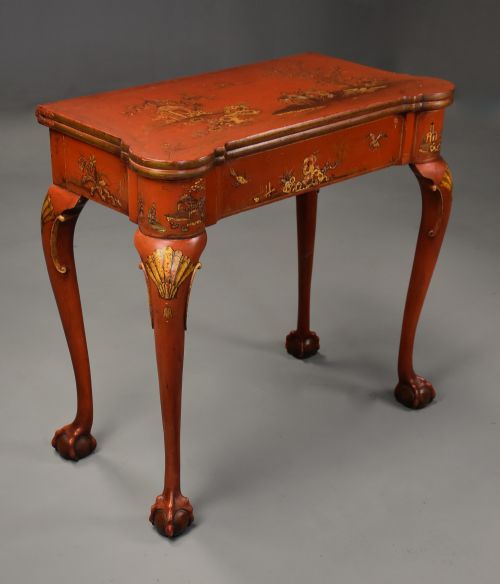
Alongside Asian imports, European makers produced Chinoiserie and Japanned pieces during the Victorian, Edwardian, and early twentieth-century periods. These domestic interpretations include bureau bookcases, card tables, and display cabinets decorated with oriental motifs upon red painted surfaces.
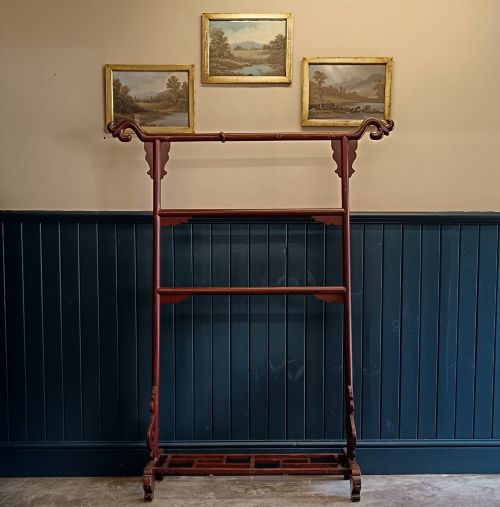
Functional items such as robe stands, tansu chests, and opium beds sit alongside decorative plant stands and nested tables. The selection demonstrates how workshops adapted the striking red finish to numerous domestic uses across different centuries.
Materials and Technique
Makers built these pieces primarily from timber substrates such as elm, kiri wood, and general hardwoods before applying successive layers of lacquer. Artisans often embellished the finished red surfaces with gold leaf detailing, carving, and painted oriental motifs.
Hardware components frequently incorporate brass and iron for hinges, drawer pulls, and locking plates, contrasting against the red lacquer body. Glass panels appear in later display cabinets and bookcase doors from the Edwardian and early twentieth-century periods.
Listings feature eighteenth, nineteenth, and early twentieth-century pieces utilising lacquer, wood, brass, iron, and gold leaf.
Assessing the Pieces
The standard of a piece rests upon the preservation of the lacquer surface and the crispness of any gilt or carved detail. Examples displaying intact gold leaf and minimal flaking across high-wear areas demonstrate superior original execution and careful subsequent handling.
Construction methods and timber selection also differentiate the inventory. Solid joinery in structural elements like console tables and wedding cabinets ensures stability, separating robust functional items from purely decorative ones.
The Red Lacquered Furniture Glossary
- Chinoiserie
- European decorative style imitating Chinese artistic traditions, popular in furniture and interior design during various historical periods. It typically employs painted motifs and lacquered surfaces.
- Japanned
- European imitation of East Asian lacquerwork, created through layers of varnish and paint often finished with gilt decoration. English workshops utilised this technique on settees and cabinets.
- Tansu
- Traditional Japanese mobile storage chest constructed from timber such as kiri wood, featuring iron fittings. These pieces served various domestic storage needs.
- Altar Table
- Long, narrow Chinese table traditionally placed against a wall for ceremonial purposes, featuring distinct upturned flange ends. Surviving examples often display carved wooden details.
- Qing Dynasty
- The last imperial dynasty of China, spanning the seventeenth to early twentieth centuries, known for prolific furniture production in carved red lacquer and provincial styles.
Red Lacquered Furniture: Frequently Asked Questions
How do I care for red lacquered wood?
Keep these pieces away from direct sunlight and extreme temperature fluctuations to prevent the lacquer from cracking or fading. Dust gently with a soft, dry cloth without applying modern chemical polishes.
Maintaining a stable indoor climate preserves the integrity of both the timber substrate and the delicate surface finish over time.
How can I tell the period?
Dating relies upon examining construction methods, timber types, and stylistic indicators such as Qing Dynasty carving conventions or Victorian proportions. European Chinoiserie pieces often show manufacturing traits typical of nineteenth or early twentieth-century British joinery.
Hardware elements like brass hinges and iron lock plates also offer clues regarding the likely date of manufacture.
Can I use these cabinets daily?
Many items, including side cabinets, wedding chests, and lowboys, were built for practical storage and function effectively in modern rooms. Care should be taken with delicate surfaces, particularly when placing items on top of altar tables or sideboards.
Internal shelving and robust joinery allow pieces like apothecary cabinets and bookcase bureaus to serve contemporary storage needs.