

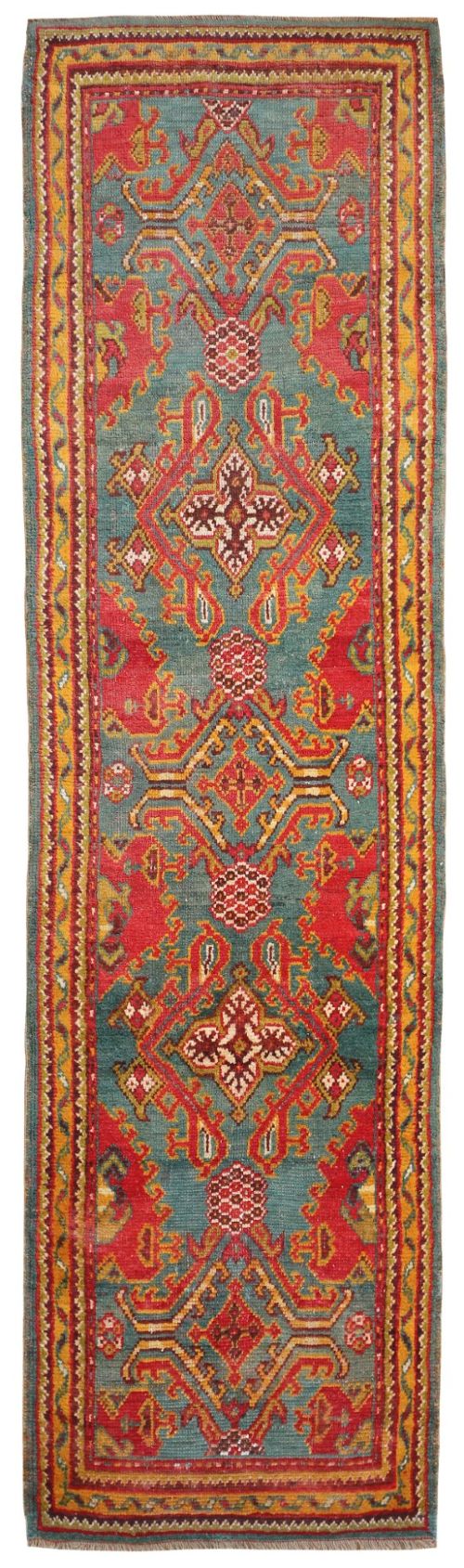
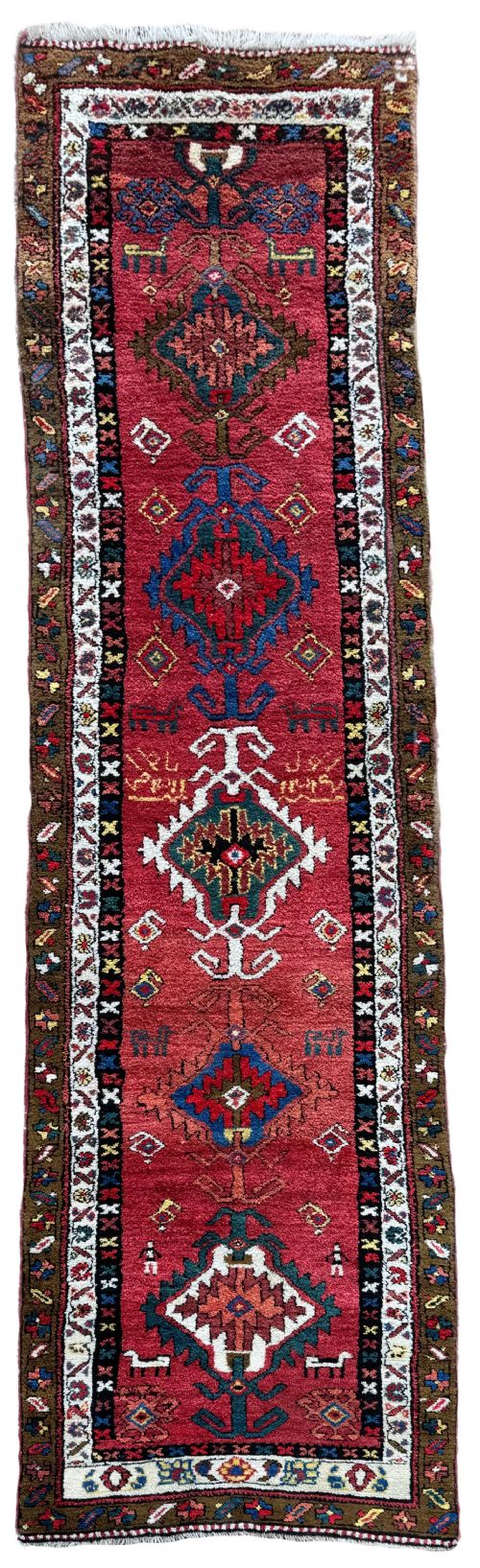
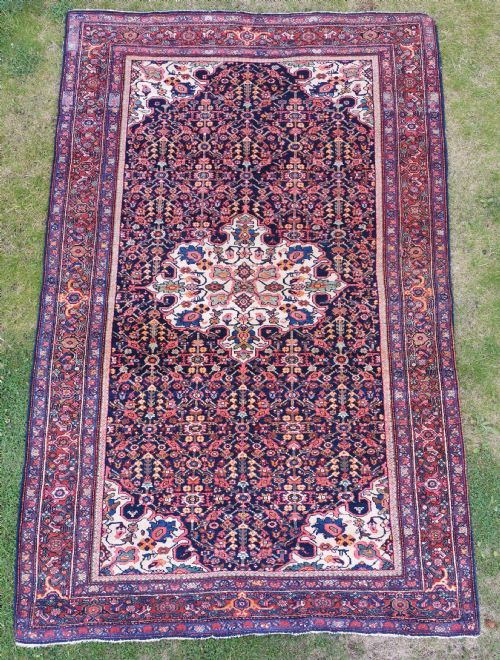
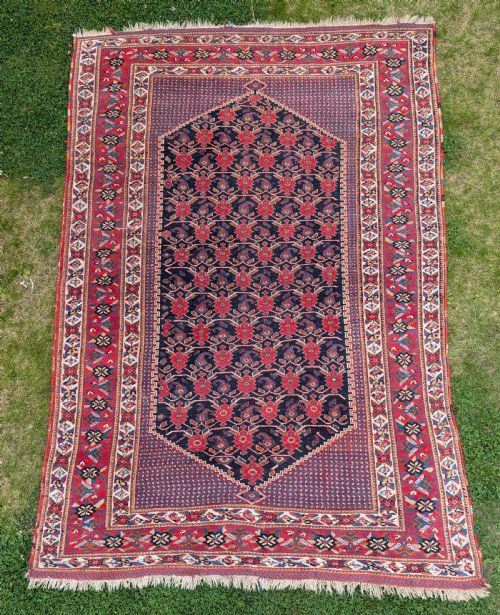
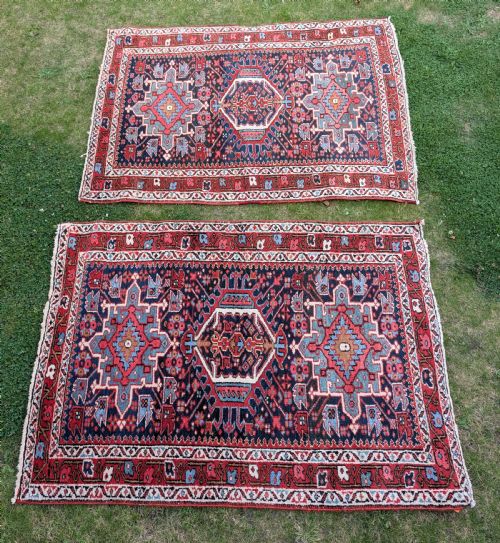
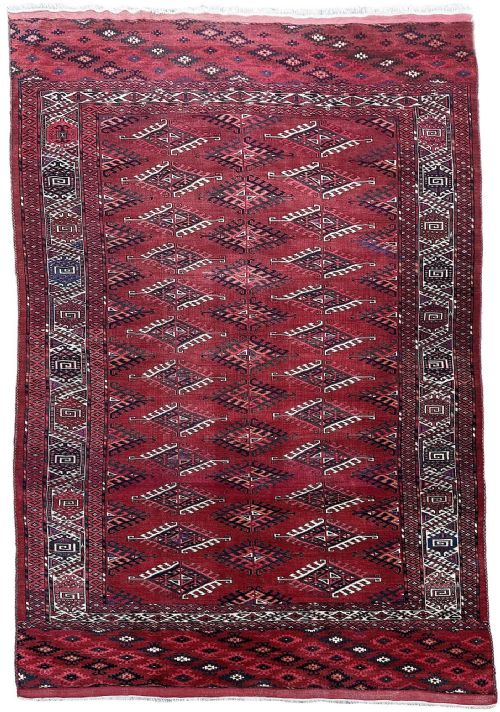
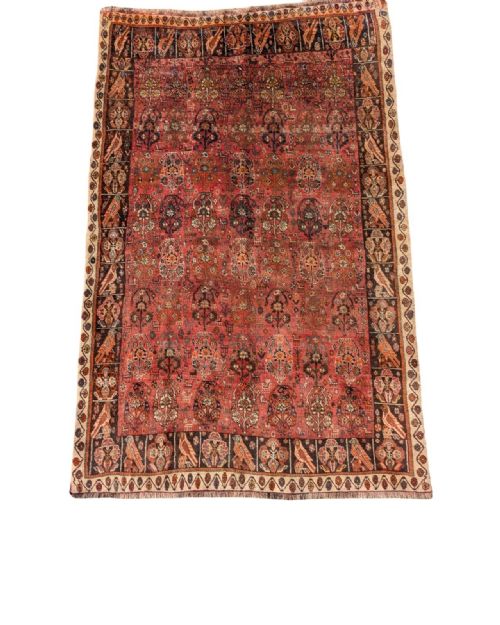
Red Handwoven Rug
A red handwoven rug brings grounded warmth and centuries of nomadic skill directly onto your floor.
Red Handwoven Rug
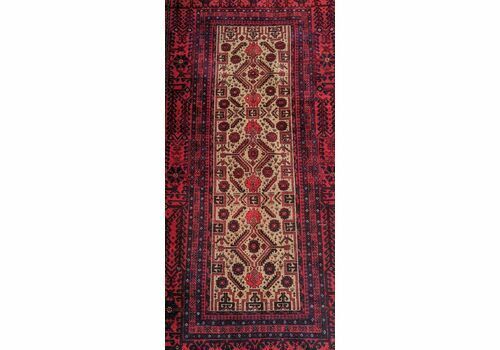
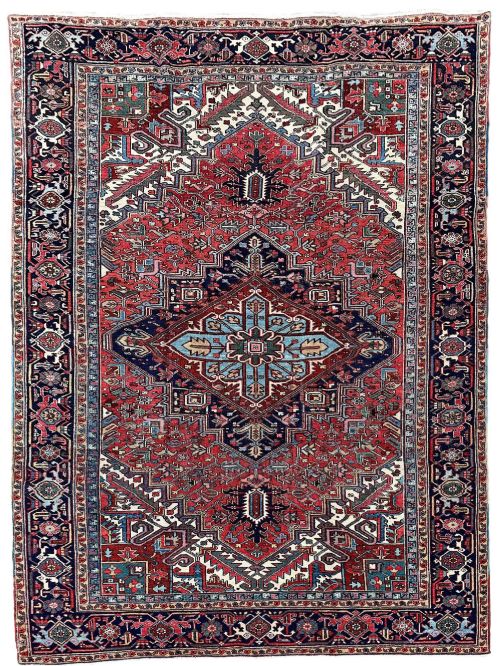
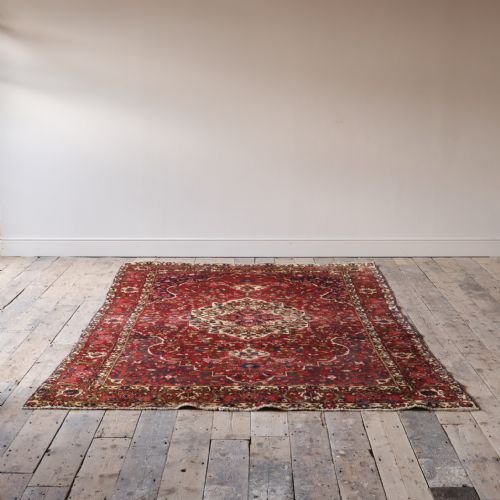
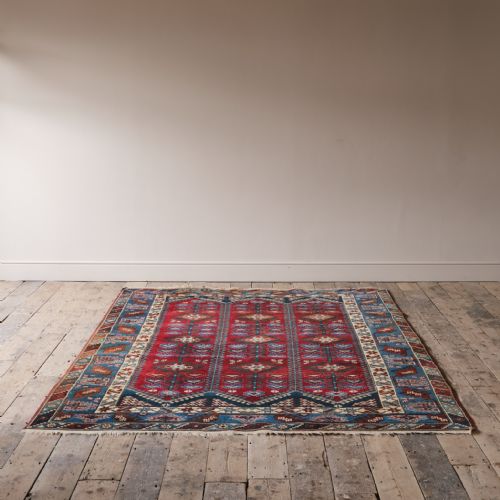
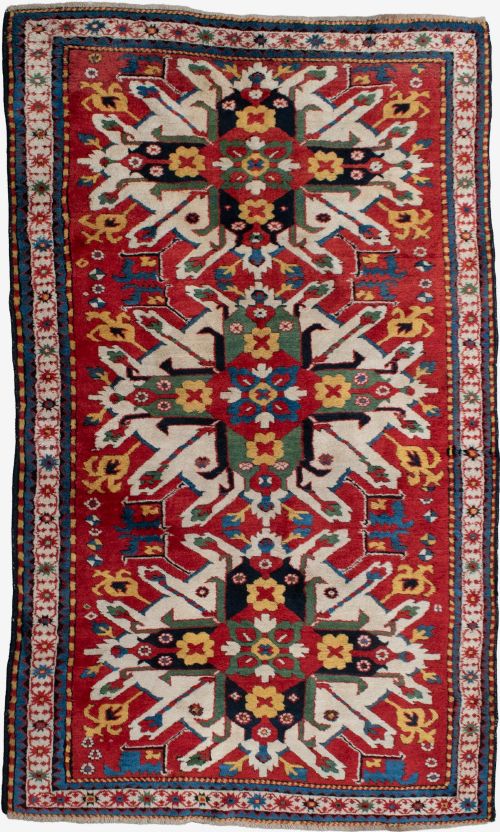
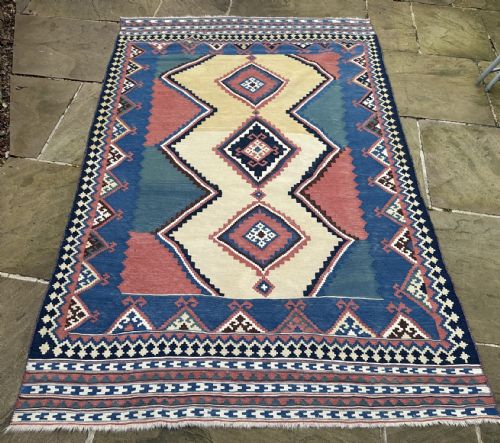
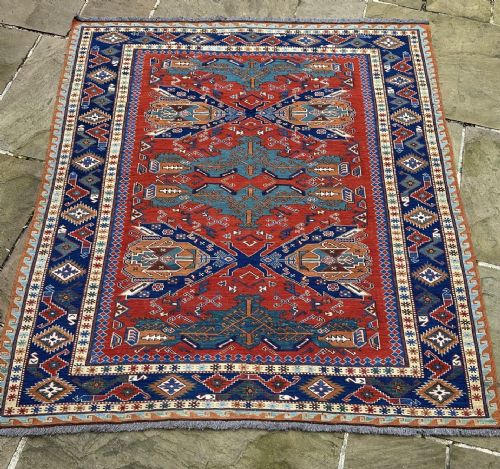
A red handwoven rug spans village, tribal, and town workshops from Persia, the Caucasus, and Turkmenistan. When searching for a red handwoven rug, buyers encounter floor coverings and smaller utilitarian textiles made by nomadic and settled weavers alike. The inventory includes room-sized carpets, long runners, square rugs, and functional bags.
The prevalent examples range from the nineteenth century into the mid-twentieth century. Production centres on wool foundations embellished with deep madder reds, rust backgrounds, and rich warm tones. Pieces frequently display traditional Persian, Caucasian, and Turkmen tribal motifs including medallions and geometric repeats.
Materials and construction
Makers construct these textiles using wool, hand-spun wool, and cotton foundations. Natural dyes provide the enduring palette, yielding deep reds, rusts, and polychrome accents that age with character.
Weavers employ traditional hand-knotting and flatweaving techniques depending on the regional tradition. Pile carpets utilise sturdy wool knots tied onto cotton or wool warp and weft threads, while bags and covers incorporate specialised tribal methods.
Nomadic weavers transported entire looms on pack animals, occasionally weaving personal vanity bags while travelling across Central Asian steppes.
Assessing quality and craftsmanship
Quality rests in the precision of the knotting and the handling of the wool. Finer examples display high knot densities and responsive, lustrous piles spun by hand.
The depth and nuance of the natural dyes dictate the visual merit. Superior pieces exhibit subtle variations in tone known as abrash, arising from batch-dyed wool rather than uniform chemical colours.
The Red Handwoven Rug Glossary
- Abrash
- Natural colour variation within a field of dye resulting from separate dye lots or yarn batches. This subtle shading is valued by collectors as a sign of genuine hand-dyeing.
- Warp
- The vertical foundation threads stretched tightly on the loom before weaving begins. Weft threads pass horizontally between them to secure the knots.
- Weft
- The horizontal threads interlaced with the warp across the width of the textile. They bind the rows of knots in place.
- Medallion
- A central ornamental design motif placed in the middle of the carpet field. These motifs often take geometric, cruciform, or floral shapes depending on the weaving region.
- Prayer rug
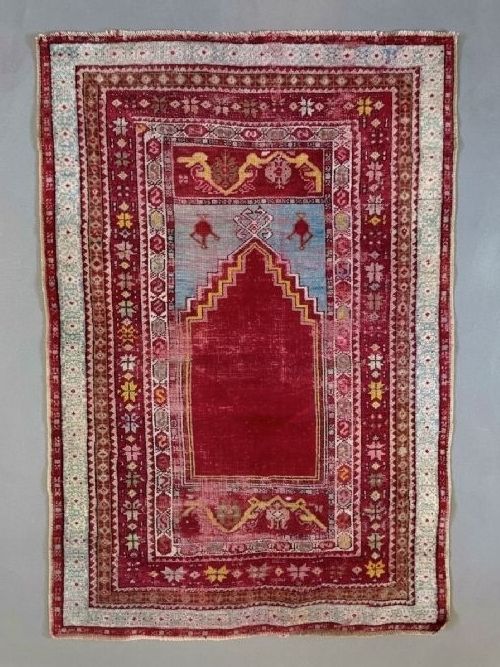
- A small rug featuring a mihrab or arch design at one end, traditionally pointed towards Mecca during daily prayers. These portable mats served devotional purposes.
Red Handwoven Rug: Frequently Asked Questions
How do I clean a antique rug?
Gentle surface cleaning and regular vacuuming without the beater bar protect the delicate wool pile. Professional specialist cleaning remains essential for deep maintenance.
Avoid harsh chemical detergents and excessive moisture, which can damage natural dyes and weaken hand-spun foundations.
Can I place these rugs in high traffic areas?
Durable wool construction allows these textiles to handle moderate walking traffic in living spaces and hallways. Placing a quality underlay beneath the textile prevents slipping and reduces friction.
Delicate smaller bags and older flatweaves are better suited to lighter use or wall display to preserve their structure.
How do I distinguish Persian from Caucasian pieces?
Persian weaving frequently employs curvilinear floral designs, intricate Heriz geometries, and softer Saroq or Kerman palettes. Regional variations depend on specific tribal groups.
Caucasian pieces lean towards crisp, bold geometric medallions, cruciform motifs, and saturated primary colours typical of Daghestan and Shirvan production.
What causes colour variation in the wool?
Hand-spun wool absorbs natural dyes like madder root differently from batch to batch, producing tonal shifts known as abrash. These natural variations indicate traditional artisan dyeing methods.
Chemical dyes introduced later tend to remain flat and uniform across the entire surface of the rug.