



Red Glass Mirror
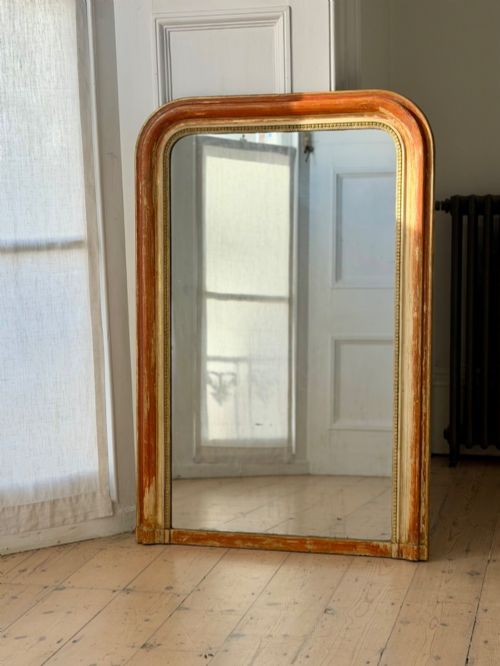
These red glass mirror pieces bring striking colour and reflective depth into a room, combining antique frames with distinctive tinted plates.
Red Glass Mirror
A red glass mirror brings together period frames and decorative tinted surfaces, spanning wall mirrors, cheval mirrors, and dressing table mirrors. The listings here showcase centuries of craftsmanship, including Victorian, Regency, and Georgian periods alongside French Louis Philippe and Art Deco designs.
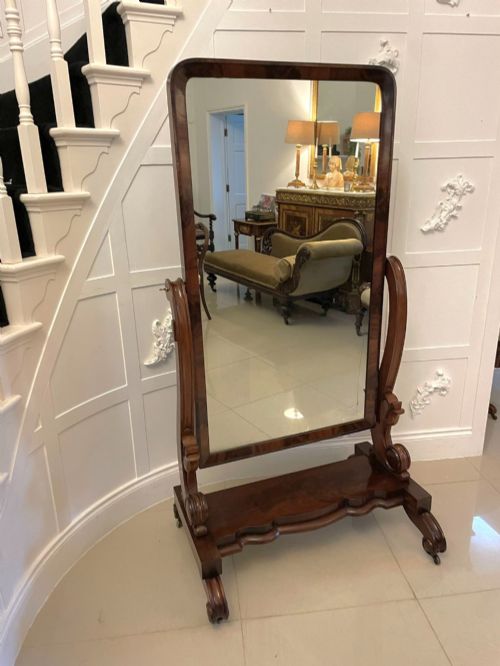
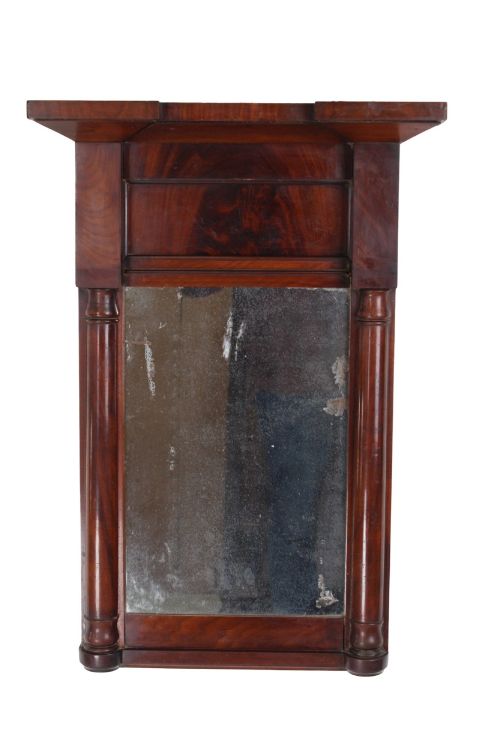
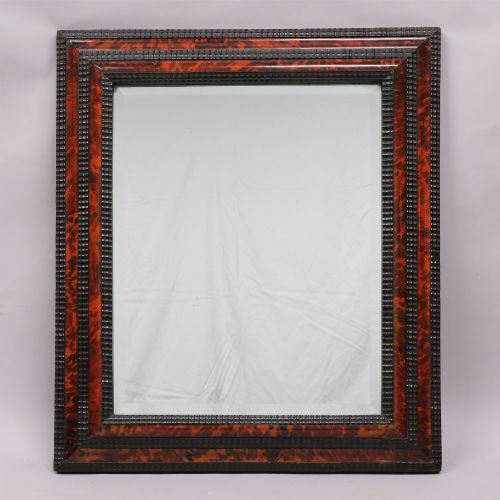
Buyers will encounter various forms, from large cheval mirrors in flame mahogany to smaller pier mirrors and velvet multi convex wall mirrors. These pieces originate from the eighteenth and nineteenth centuries, featuring styles such as Flemish Revival, Georgian Chinoiserie, and Empire.
The selection ranges from elaborate giltwood and gesso frames to lacquered and painted finishes, often incorporating materials like brass and velvet. Each object serves as both a practical looking glass and a statement decorative element.
How they were made
Makers constructed these frames using solid timbers like mahogany, walnut, and giltwood, often applying gesso to create intricate moulded details. Artisans utilised techniques such as japanning, reverse painting, and etching to adorn the surfaces.
Early mirrors frequently incorporated mercury glass or specialised tinted plates within wood or brass structures. Velvet coverings and delicate paintwork further enhanced the aesthetic of dressing and wall mirrors.
Red Glass Mirror Retail Price Guide 2026
Typical asking prices for red glass mirror among the pieces listed under this phrase on Sellingantiques today, from the lower quarter to the upper quarter. They describe what is for sale here now, not the wider market.
The listings on this site span the eighteenth and nineteenth centuries, featuring mahogany, giltwood, brass, and velvet materials.
What varies in quality
The standard of a piece rests upon the crispness of the frame carving and the depth of the timber, particularly in flame mahogany and walnut examples. Finer items display meticulous attention to detail in their japanning, etching, and reverse painting.
Construction methods and original materials define the higher tier of these pieces, where cabinetmakers employed superior joinery and high-grade giltwood or brass mounts. Preserved original glass and intact velvet linings further distinguish exceptional examples from simpler utilitarian objects.
Paul Sormani
The Red Glass Mirror Glossary
- Cheval mirror
- A freestanding mirror supported by a frame with vertical posts and pivots, allowing the glass to swing. These large pieces were designed for bedrooms and dressing rooms.
- Pier mirror
- A tall, narrow mirror traditionally hung on the pier or wall space between windows. They often sat above console tables in period reception rooms.
- Japanning
- A European imitation of East Asian lacquerwork, applied to furniture and frames using layered varnishes and paints. This technique produced glossy, decorative finishes seen on Georgian and later pieces.
- Mercury glass
- An early form of double-walled silvered glass created by pouring a liquid mercury amalgam between glass layers. It yields a characteristic cloudy reflection and dark pooling.
- Gesso
- A plaster-like mixture applied to wood frames as a base for gilding or painting. Skilled artisans carved and moulded this material to achieve ornate relief ornamentation.
Red Glass Mirror: Frequently Asked Questions
Where should I hang a pier mirror?
Pier mirrors work best in narrow wall spaces, particularly between windows or above low console tables where they reflect natural light.
Their elongated proportions make them suitable for hallways and drawing rooms, drawing the eye upward and enhancing the sense of space.
How do I care for antique glass?
Clean antique mirror plates gently with a soft, dry microfibre cloth to remove dust without damaging the surface.
Avoid spraying liquids directly onto the glass or frame, as moisture can seep behind the plate and degrade the silvering or mercury backing.
What is a cheval mirror used for?
Cheval mirrors provide a full-length reflection, making them practical additions to dressing rooms and bedrooms.
The pivoting mechanism allows the user to tilt the glass angle as needed for grooming.
How can I tell a Victorian mirror from a Georgian one?
Georgian mirrors often feature rich mahogany, walnut, or intricate japanned chinoiserie designs, reflecting earlier neoclassical and baroque tastes.
Victorian examples frequently display heavier proportions, elaborate giltwood, or distinctive decorative techniques like reverse painting and etching.