




Red Framed Silk Panel
These red framed silk panel examples are textile fragments and embroideries preserved behind glass in wood or gilded wood frames.
Red Framed Silk Panel
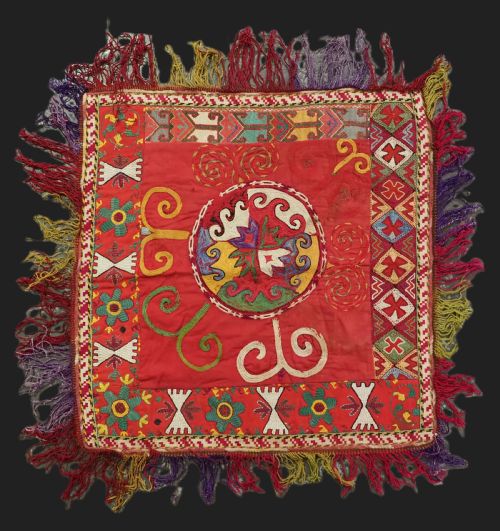
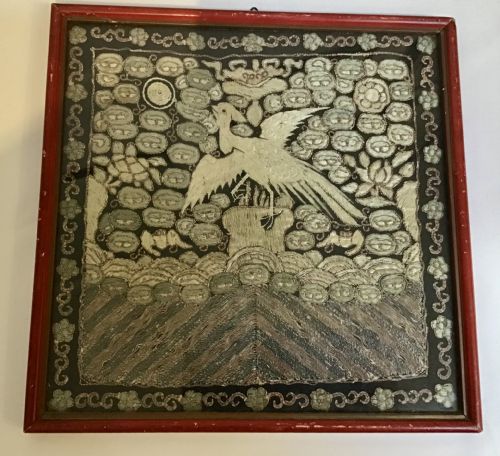
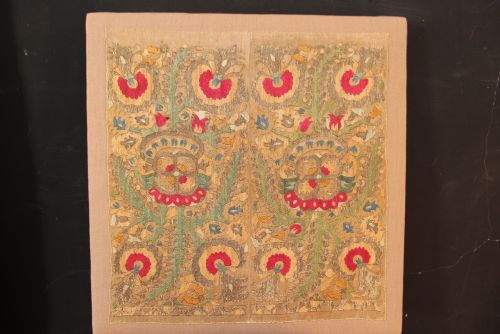
When you search for a red framed silk panel, you are looking at textile art and wall hangings drawn from global traditions. These pieces include Ottoman embroideries, Chinese rank badges, and Greek folk art fragments.
You are most likely to meet nineteenth-century examples and eighteenth-century border panels mounted for display. The forms range from wall hangings and table screens to framed needlework panels.
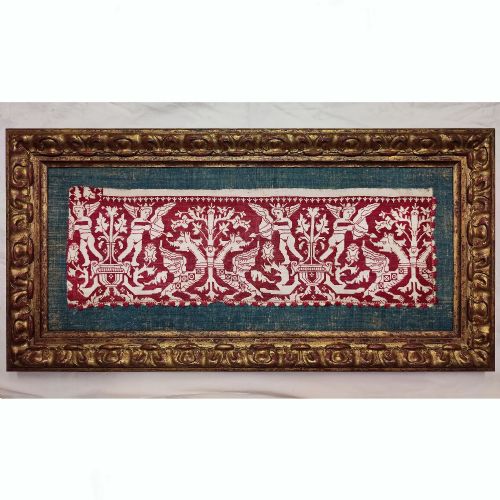
The origins span Central Asian tribal work, Italian borders, and French needlework, reflecting centuries of textile decoration.
How They Were Made
The makers utilised silk, cotton, and linen as foundations for intricate needlework. Metallic thread often highlights the embroidered designs across these textiles.
Wood and gilded wood provide the structural framing, while glass protects the delicate fabrics. Many pieces incorporate wool alongside silk within tribal and folk traditions.
Styles recorded span Ottoman, Greek folk art, Qing dynasty, Central Asian tribal, and seventeenth-century Italian.
What Varies in Quality
The finesse of the needlework and the complexity of the embroidered motifs dictate the visual weight of each piece. Finer threadwork and well-preserved metallic details set apart superior examples.
The integrity of the original textile fragment and the craftsmanship of the carved or gilded frame contribute to the overall standard of the object.
The Red Framed Silk Panel Glossary
- Rank badge
- A square insignia worn on official robes in imperial China to denote civil or military status. These embroidered textiles are frequently mounted for display.
- Suzani
- A type of embroidered and decorative tribal textile made in Tajikistan, Uzbekistan, and other Central Asian nations. They often feature bold floral patterns on linen or cotton grounds.
- Needlepoint
- A form of canvas work embroidery where yarn or silk is stitched through a mesh canvas. It creates a dense, durable surface suitable for decorative panels.
- Jajim
- A traditionally woven flatweave textile produced in strips and joined together. They utilise wool, cotton, or silk to form geometric stripes.
- Fragment
- A surviving portion of a larger historical textile or garment. These pieces are mounted to preserve their remaining craftsmanship.
Red Framed Silk Panel: Frequently Asked Questions
What is a red framed silk panel?
It is a textile fragment, embroidery, or needlework piece mounted and preserved behind glass within a wood or gilded wood frame.
These works derive from diverse traditions including Ottoman, Chinese, and Greek folk art.
How are these panels displayed?
Most pieces function as wall hangings or decorative textile art secured within protective frames. Some variations include table screens with carved wooden stands.
They allow fragile historical fabrics to be exhibited safely on walls or surfaces.
How old are these textile pieces?
The examples span from the seventeenth century through to the nineteenth century. Common periods represented include the seventeen-fifties and nineteen-hundreds.
Dates are determined by the textile techniques and stylistic origins of the specific culture.
Where do these panels originate?
The listings show origins across the Ottoman Empire, China, Greece, and Central Asia. Italian and French needlework traditions are also represented.
Each regional style employs distinct embroidery methods and motifs.