





Antique Chinese Textile Art
Antique chinese textile art brings centuries of handwork into a room, offering rich silks and detailed needlework that collectors prize for their intricate imagery.
Antique Chinese Textile Art
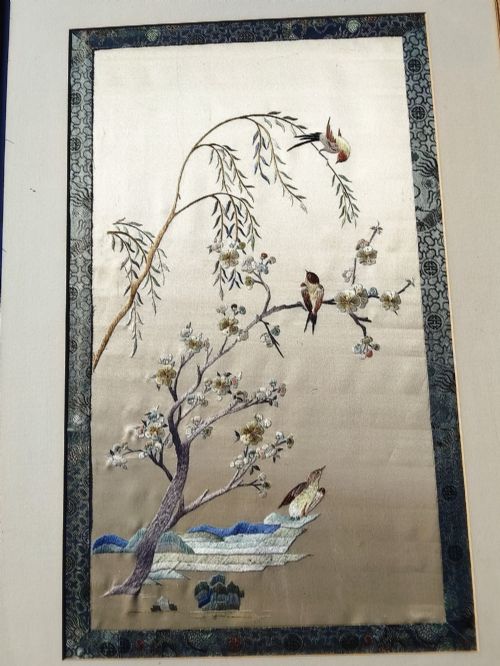
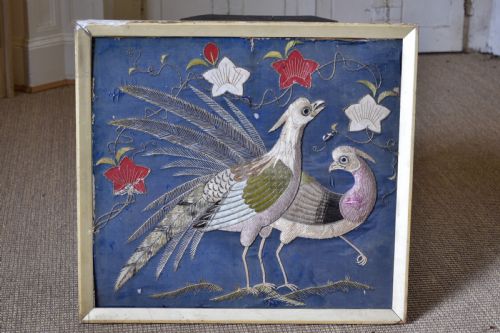
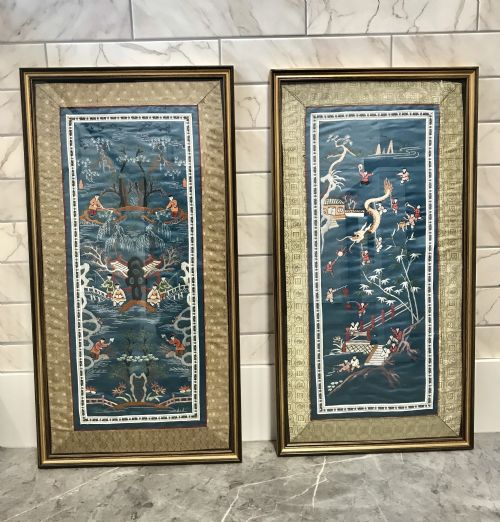
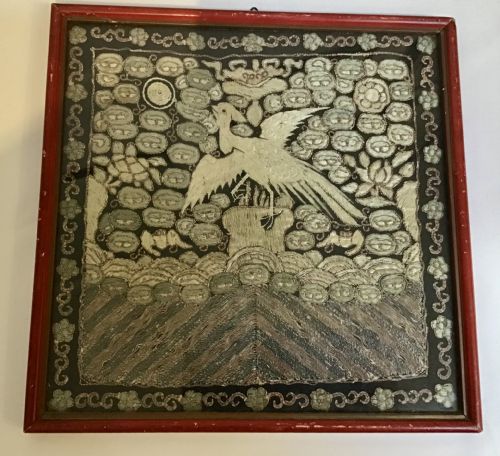
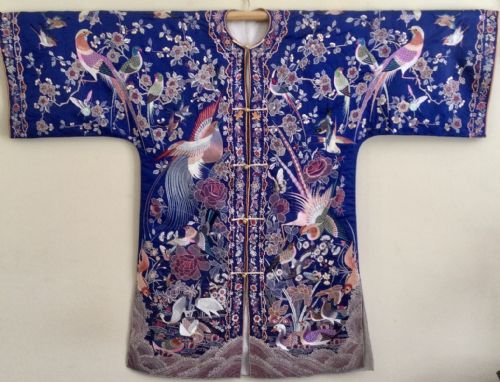
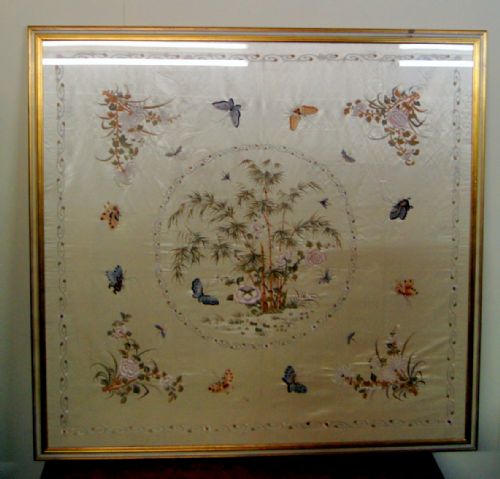
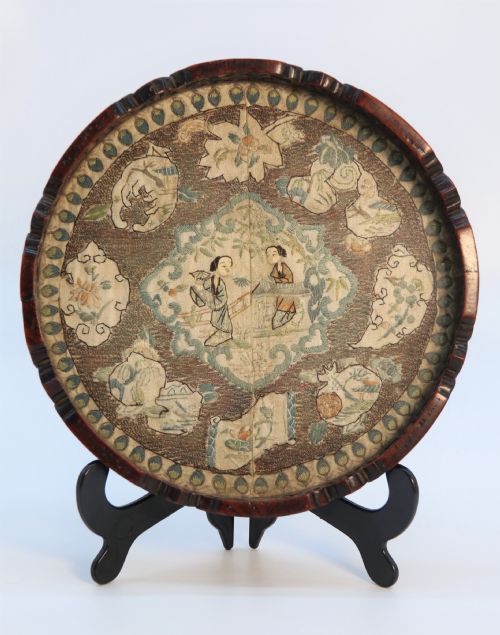
When you search for antique chinese textile art, you encounter a range of framed panels, rank badges, rugs, and trays dating from the nineteenth century. These objects include hand sewn figures, dragons, trees, and flowers rendered in fine thread.
The most common versions met here are framed silk panels and embroideries depicting garden birds, mandarin ducks, or court scenes. Many pieces from the Qing dynasty period arrive preserved under glass or mounted within hardwood frames.
Other forms include pillar rugs from northern China and hand painted silk portraits of ladies. Each item reveals traditional motifs and precise needlework techniques passed down through generations.
Materials and construction
The maker builds these works primarily on a ground of woven silk, incorporating metallic thread and pigment to add depth and lustre to the imagery. Cotton and wool appear in structural elements and carpets such as the Ningshia pillar rugs.
Needleworkers execute the surface designs through careful hand sewing, often combining embroidery with painted details on silk. Selected pieces are set into carved hardwood frames or integrated into functional objects like serving trays.
Listings feature silk, hardwood, and metallic thread across nineteenth century Qing dynasty styles.
Judging quality and execution
Quality rests upon the precision of the hand sewing and the complexity of the rendered figures, birds, or dragons. Superior examples display dense, varied stitchwork and well-preserved pigments on the silk ground.
The integration of the textile into its housing also dictates the standard of the piece, whether mounted cleanly under glass or fitted securely into carved hardwood.
The Antique Chinese Textile Art Glossary
- Qing Dynasty
- The final imperial dynasty of China, lasting from sixteen forty-four to nineteen twelve. Pieces from this era often feature imperial symbols and traditional court motifs.
- Rank Badge
- A square embroidered patch worn on the robes of officials to denote their social standing. These textiles depict specific birds or animals corresponding to civil and military grades.
- Pillar Rug
- A specialised carpet woven in northern China designed to wrap around architectural columns in temples or halls. They typically feature vertical dragon designs.
- Chinoiserie
- A European artistic style reflecting Chinese motifs and techniques. It appears in decorative arts produced both in Asia and the West during the nineteenth century.
Antique Chinese Textile Art: Frequently Asked Questions
How do I hang embroidered silk panels?
Keep framed textiles away from direct sunlight to protect delicate silk threads and painted pigments from fading. Ensure the hanging environment maintains stable humidity levels.
Use secure wall fixings suited to the weight of the hardwood frames and glass protection typically found on these pieces.
What periods do these textiles represent?
The pieces span the nineteenth century, including works from the Qing dynasty and the year nineteen hundred. Dating relies on stylistic conventions and material analysis.
Earlier examples often showcase specific imperial iconography and traditional hand sewing methods characteristic of nineteenth-century workshops.
How were rank badges used?
Officials wore these embroidered squares on the front and back of their ceremonial robes to indicate their precise rank in the imperial hierarchy. Each animal or bird signified a specific grade.
Collectors today typically find them removed from garments and framed for display as independent works of art.
Are pillar rugs meant for floors?
Northern Chinese pillar rugs were originally woven to wrap around wooden structural columns in important buildings rather than lie flat on the floor. Their dimensions and vertical designs reflect this architectural purpose.
Today they function as wall hangings or decorative textiles within a room.