

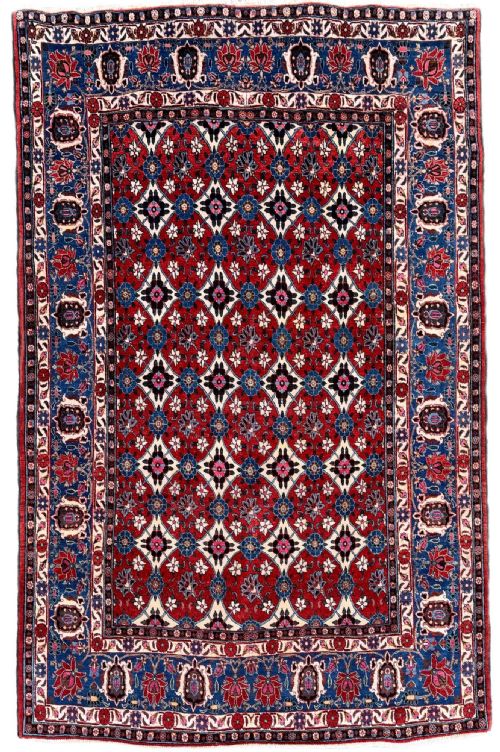

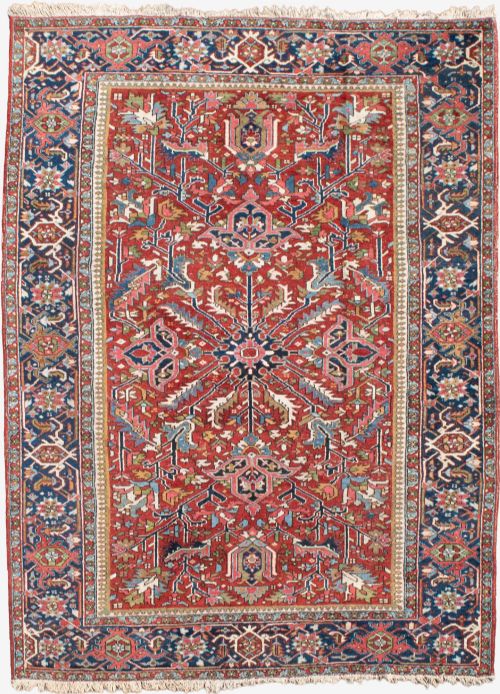
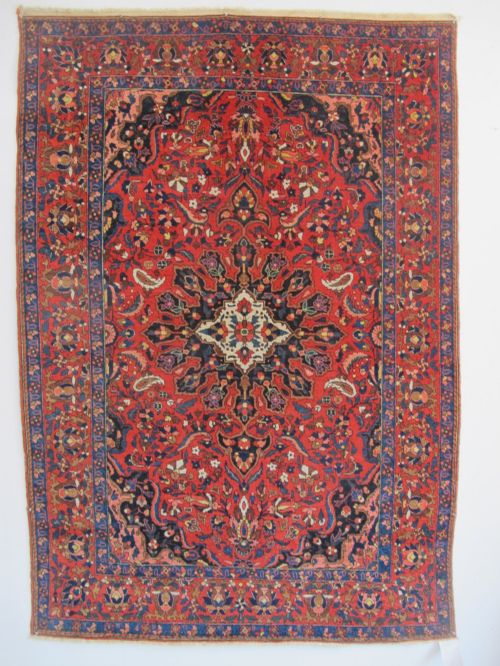
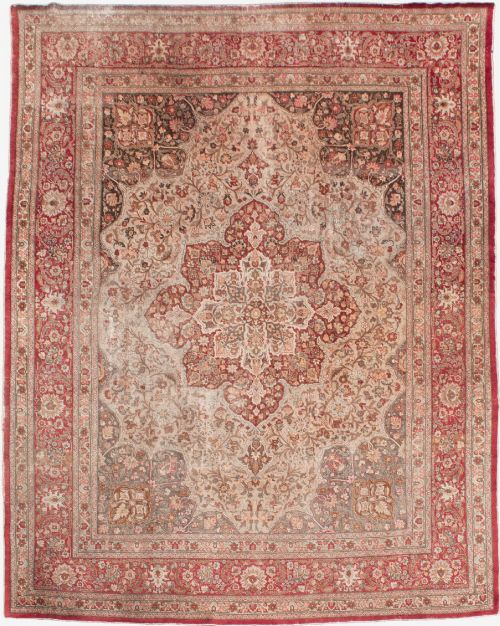
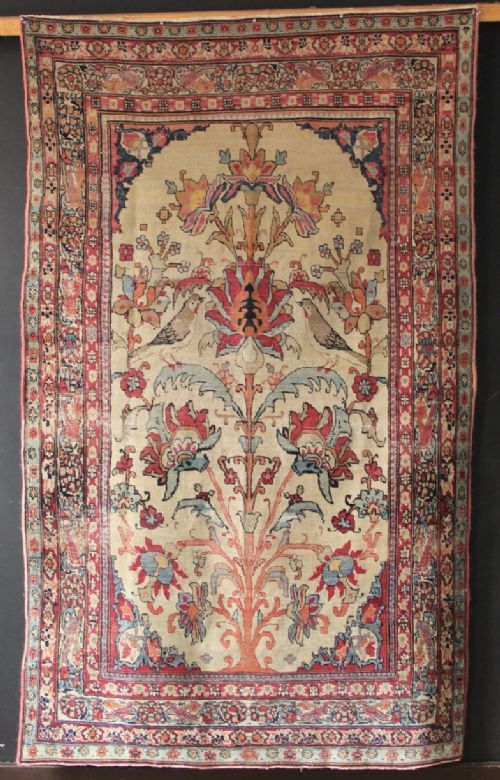
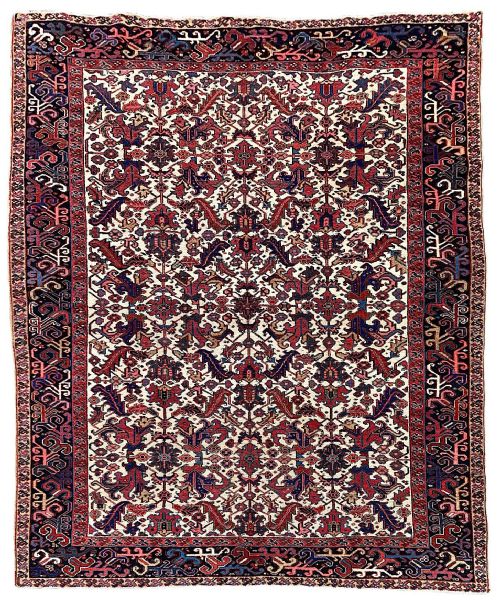
Red Floral Persian Rug
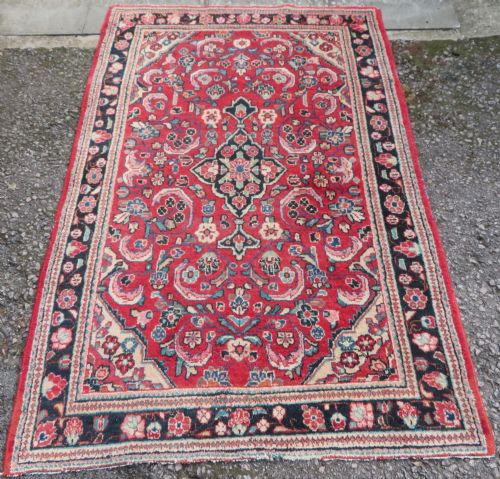
A red floral persian rug brings centuries of woven artistry into a room, offering rich botanical motifs and deep crimson tones.
Red Floral Persian Rug
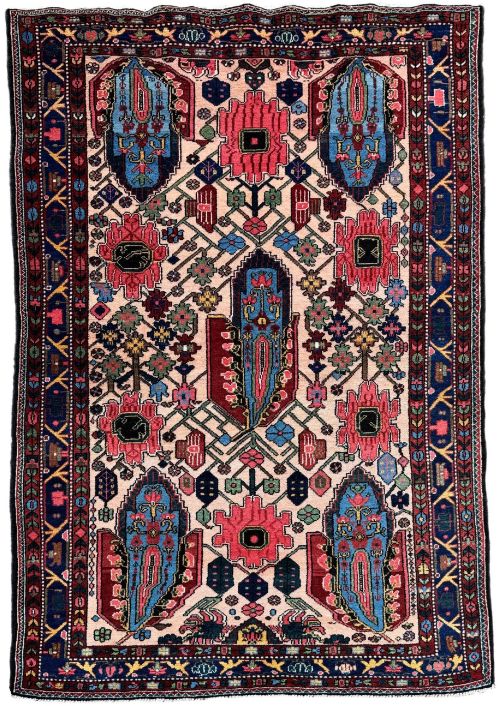
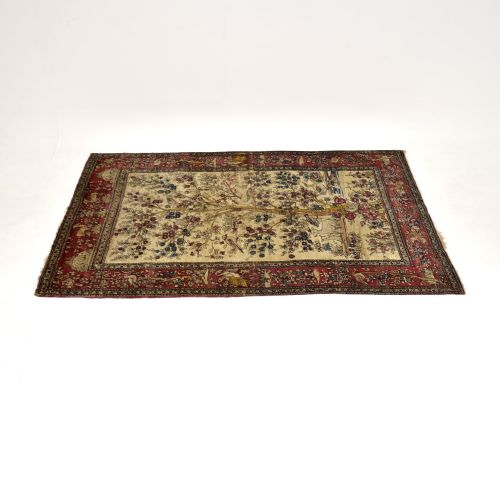
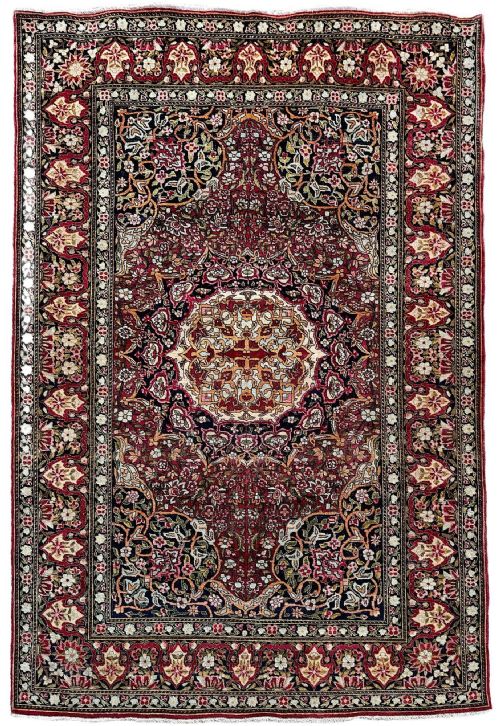
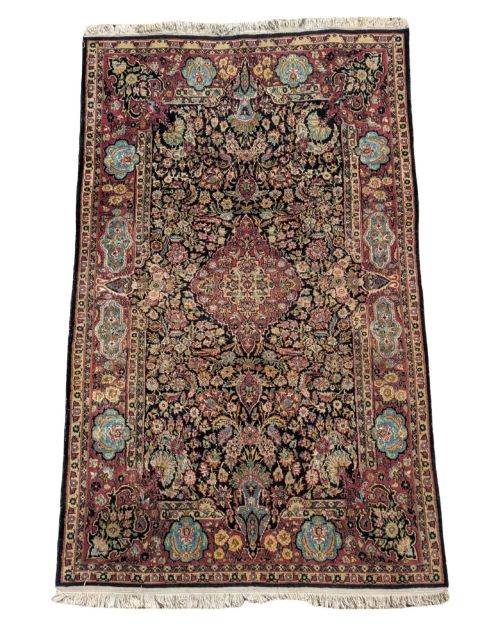
A red floral persian rug encompasses hand-knotted room-size carpets, area rugs, and runners originating from workshops and villages across Persia. These floor coverings bridge centuries of weaving traditions, spanning periods from the late nineteenth century through the mid-twentieth century.
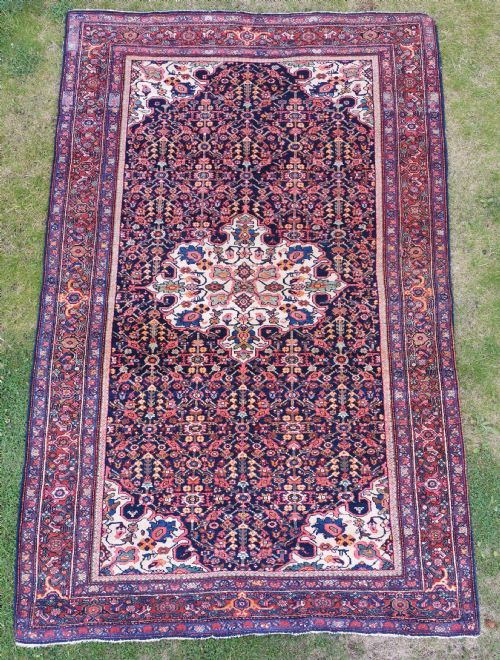
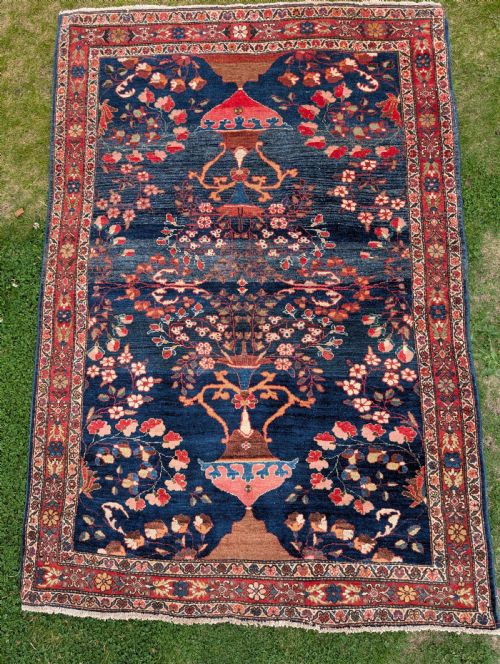
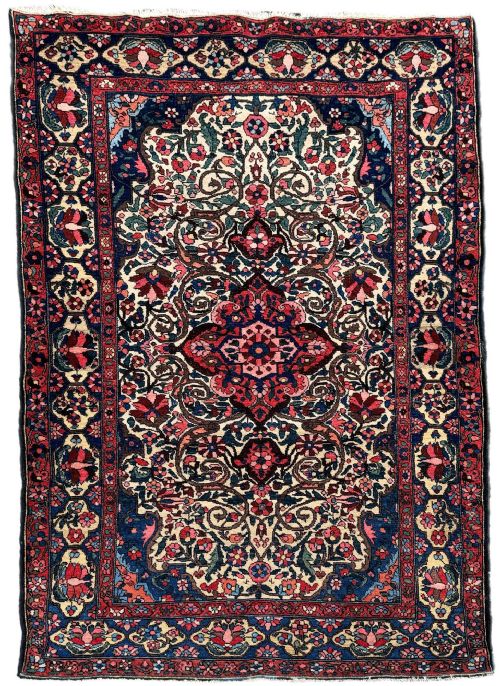
Buyers encounter regional forms such as Heriz, Kashan, Bakhtiar, Sarouk, and Isfahan, each presenting distinctive floral arrangements and medallion layouts. The palette relies heavily on madder-dye reds, complemented by botanical motifs of vines, palmettes, and vases.
Scales range from compact village rugs suitable for hallways to large country house carpets designed for principal reception rooms. The enduring appeal lies in the integration of natural dyes and traditional floral iconography developed across Persian provinces.
Materials and Construction Methods
These floor coverings are built on sturdy cotton foundations, providing structural stability for the dense pile woven above. Wool forms the primary pile material across the majority of village and city examples, chosen for resilience and warmth.
Selected finer city pieces integrate silk highlights to illuminate specific floral details within the design. Hand-knotting techniques secure the pile firmly to the warp and weft threads, producing a textile capable of enduring generations of daily use.
Village weavers occasionally incorporated whimsical animal motifs and stray floral stems into traditional prayer designs, adding a personal touch to the symmetry.
Evaluating Quality and Execution
Knot density and the precision of the floral drawing dictate the execution tier of each piece. Finer city workshops achieve intricate curvilinear patterns with immense clarity, whereas village pieces often display bolder, more rectilinear interpretations of botanical themes.
The depth and nuance of the red ground depend on natural dye preparation, particularly the use of madder root. Superior examples exhibit subtle abrash, where tonal variations occur naturally across the wool as dye lots shift during production.
Ahmadi Isfahan
The Red Floral Persian Rug Glossary
- Abrash
- Natural variations of shade within a single colour field caused by distinct batches of dyed wool. This tonal shift occurs organically across the rug surface.
- Warp
- The vertical foundation threads stretched lengthwise on the loom before knotting begins. All horizontal weft threads and vertical pile knots intertwine around these structural strands.
- Weft
- The horizontal threads passed back and forth between warp threads to secure the rows of knots. They provide structural firmness across the width of the textile.
- Medallion
- A symmetrical ornamental design centred in the middle of the carpet field. It often mirrors the corner spandrels in its floral composition.
Red Floral Persian Rug: Frequently Asked Questions
How do I identify a Heriz carpet?
Heriz carpets are distinguished by bold, geometric interpretations of floral motifs anchored by large central medallions. Their robust wool and sturdy structure set them apart from finer, curvilinear city weaves.
They frequently display powerful corner spandrels and a distinct architectural clarity in the drawing of vines and palmettes.
Where were Kashan rugs made?
Kashan rugs originated in the historic central Iranian city renowned for master weavers and refined urban workshops. These pieces typically showcase intricate floral vase designs and sophisticated medallion layouts.
The urban production centres utilised high knot counts and superior wool to achieve exceptionally detailed botanical compositions.
How should I care for an antique rug?
Protect the textile by placing a quality underlay beneath it to prevent slipping and reduce friction against the floor. Regular gentle vacuuming without a beater bar keeps dust from settling into the wool pile.
Position the piece away from direct, harsh sunlight to preserve the natural red dyes and prevent uneven fading over the years.
What is the difference between city and village rugs?
City rugs emerge from organised urban workshops featuring professional designers, master weavers, and precise curvilinear floral patterns. Village rugs are woven on domestic looms in smaller communities using memory or simple cartoons, resulting in charmingly direct, slightly more geometric designs.
Both categories share traditional Persian iconography, but the execution reflects the structured environment of the workshop versus the spontaneous expression of the village.