


Red Dress Portrait Painting
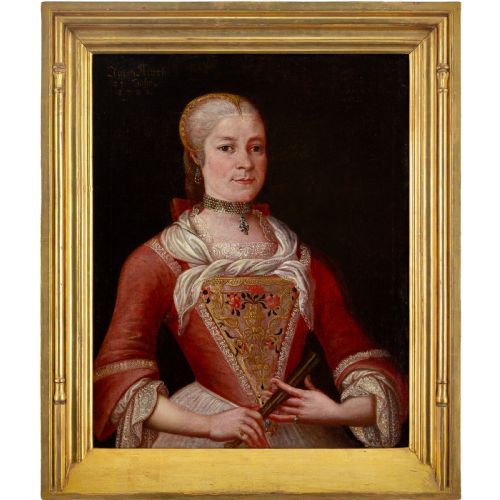
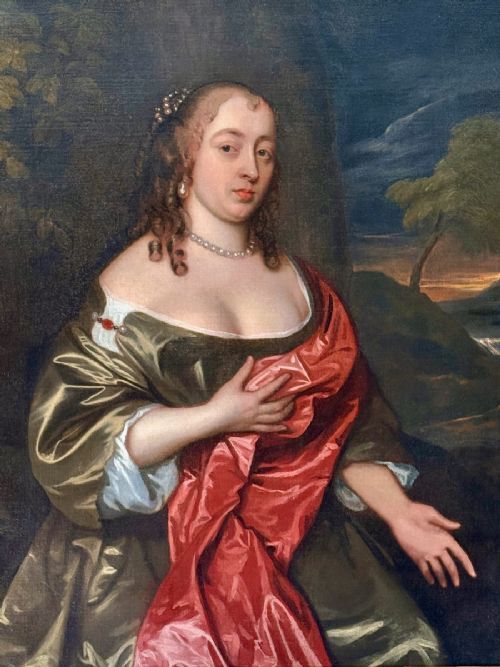
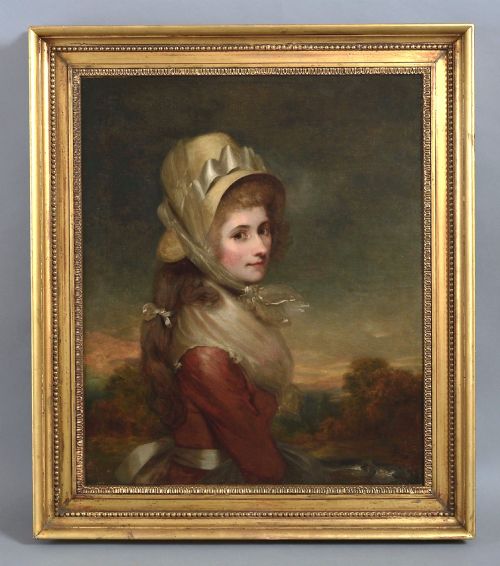
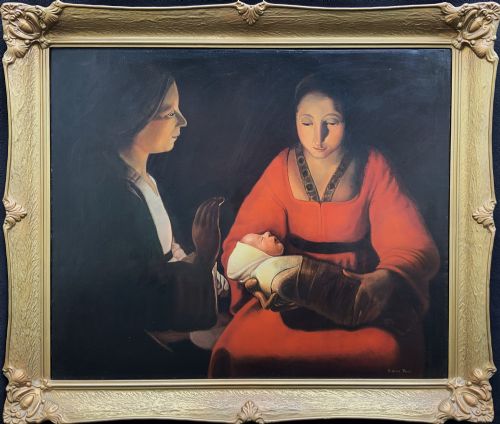
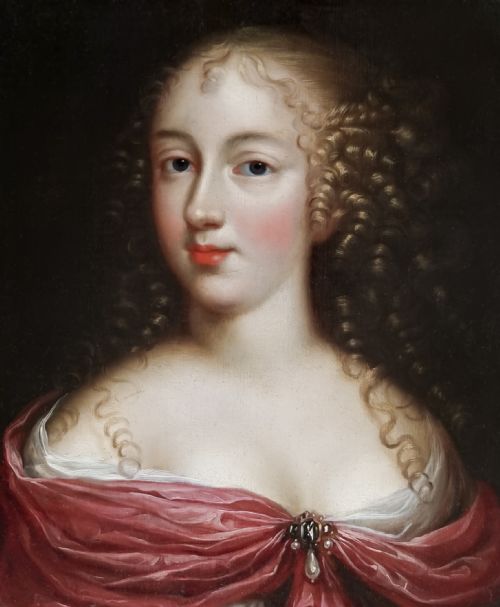
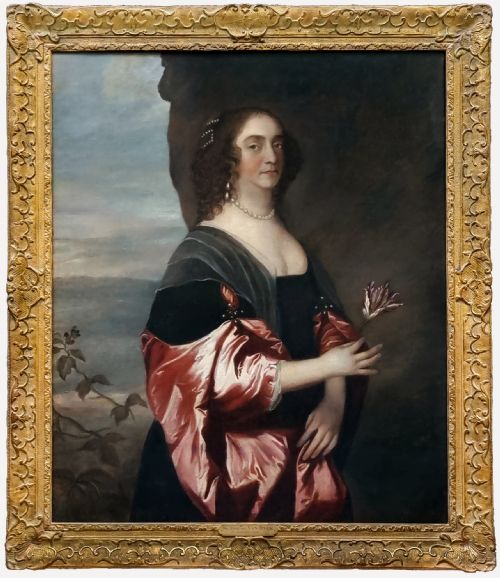
A red dress portrait painting captures attention through rich crimson garments and historical presence, ranging from seventeenth-century nobility to twentieth-century folk art.
Red Dress Portrait Painting
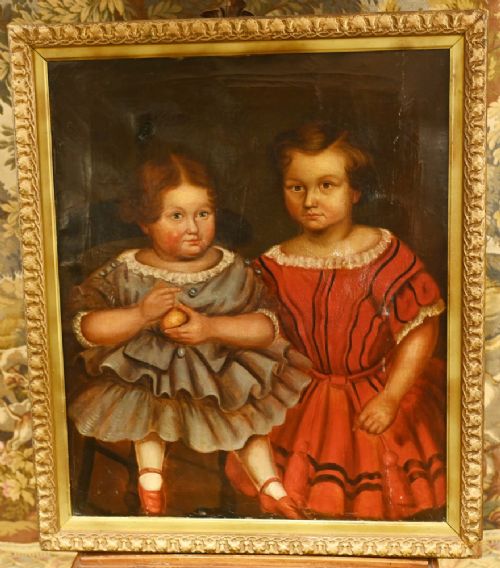
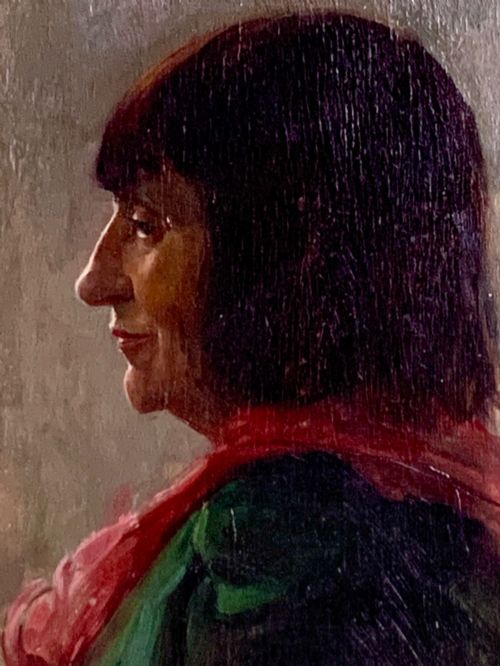
A red dress portrait painting focuses on subjects depicted in striking crimson gowns, court dress, or tartan kilts, spanning from the seventeenth century through to the mid-twentieth century. Buyers searching this phrase encounter diverse formats including formal oil on canvas, delicate watercolours on paper, and charming folk art representations.
The selections on this page showcase both grand aristocratic commissions and intimate portrayals of children, judges, and military gentlemen. Styles range from Baroque and Georgian traditions to nineteenth-century realism and American primitive folk art.
Many works capture sitters in domestic interiors or expansive rural landscapes, often holding symbolic items such as birds, letters, or domestic animals. The presence of vibrant red textiles serves as a unifying visual element across centuries of portraiture.
Materials and construction
Traditional pieces utilise oil paint applied to woven canvas surfaces, occasionally mounted on wooden panels or historic boards. Master painters built up rich red drapery through layered glazes, creating depth within satin sleeves, court robes, and silk mantles.
Red Dress Portrait Painting Retail Price Guide 2026
Typical asking prices for red dress portrait painting among the pieces listed under this phrase on Sellingantiques today, from the lower quarter to the upper quarter. They describe what is for sale here now, not the wider market.
Listings feature works created across nine distinct decades, spanning from the seventeen-hundreds through to nineteen-fifty.
Distinguishing quality in portraiture
Quality reveals itself in the handling of facial expression, hands, and the intricate folds of heavy fabrics like velvet and silk. Superior works demonstrate anatomical confidence and subtle play of light across the sitter's red garments.
Condition of the canvas and historical preservation also set pieces apart, with untouched surfaces or sympathetic past restorations ranking higher than heavily repainted examples. The reputation of the artist or specific school associated with the piece influences desirability.
Sir Martin Archer Shee·Georges de La Tour·Pierre Mignard·Sir Peter Lely·Michael Dahl·Philip Naviasky·Pieter Nason·William Owen·Adolphe-Alexandre Lesrel·George Perfect Harding·Henry Scott·John Irvine·John Vanderbank·William Wissing·Sir Godfrey Kneller·Jonathan Richardson
The Red Dress Portrait Painting Glossary
- Oil on Canvas
- A traditional painting medium where pigmented oil paints are applied to a stretched fabric support. This surface allows for smooth blending and rich colour saturation.
- Giltwood
- Wood that has been coated with a thin layer of gold leaf or gold paint. This finish frequently appears on ornate antique frames surrounding historical portraits.
- Gesso
- A paint mixture consisting of a chalk, pigment, and binder used to prepare wood or canvas surfaces. It provides a smooth base for oil or tempera application.
- Baroque
- An artistic style prevalent from the seventeenth to mid-eighteenth century characterised by drama, deep colour, and ornate detail. Portraits from this era often feature rich drapery and theatrical lighting.
- American Primitive
- A style of painting created by artists with little formal training, typical of the nineteenth century. These works emphasise flat perspective and direct, honest depiction.
Red Dress Portrait Painting: Frequently Asked Questions
What periods do these portraits cover?
The collection spans several centuries, with particular strength in seventeenth-century aristocratic works, eighteenth-century academic portraits, and nineteenth-century naive or realist studies.
Twentieth-century examples also appear, reflecting changing artistic movements up to the nineteen-fifties.
Who are the typical sitters?
Subjects range from aristocracy and military figures in ceremonial court dress to children, novelists, and everyday rural workers.
Many portraits record specific historical individuals, while others depict anonymous sitters or genre subjects.
How do I care for an oil painting?
Keep historical canvases away from direct sunlight, extreme temperature fluctuations, and high humidity to prevent cracking in the paint and canvas.
Dust gently with a soft, dry brush and consult a professional conservator for any cleaning.
How do I identify the era of a portrait?
Costume design, hairstyles, and framing styles offer the most reliable clues for dating historical paintings.
Stylistic techniques, canvas types, and artist signatures or attribution notes provide further historical context.