

Red Coat Painting
A red coat painting captures officers, aristocrats, and sportsmen in brilliant scarlet, bringing centuries of military and sporting history straight to the wall.
Red Coat Painting
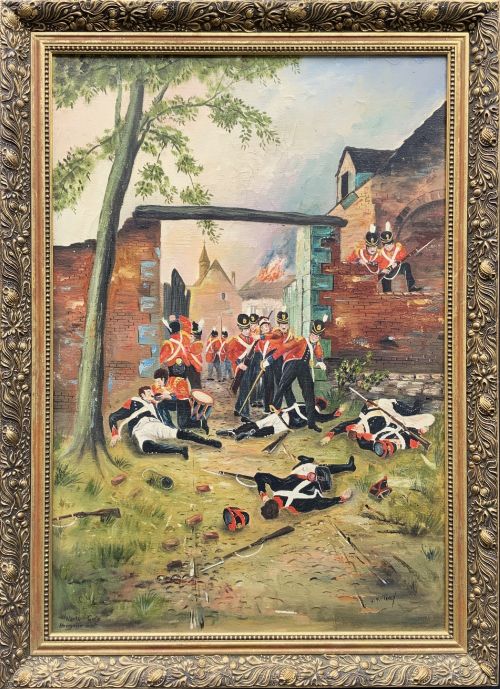
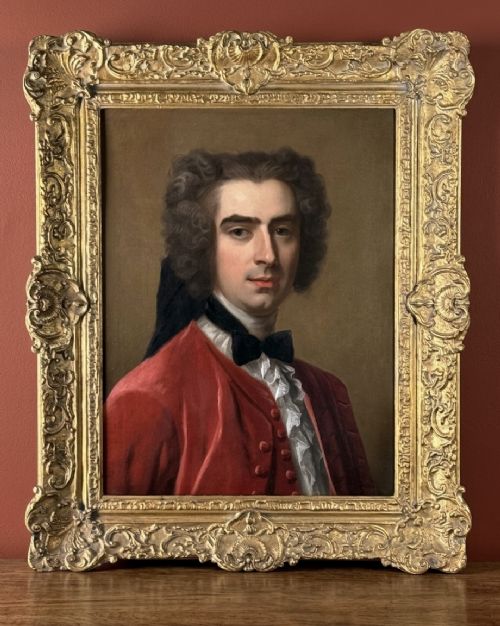
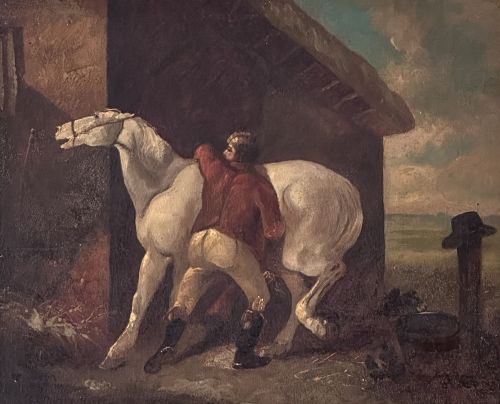
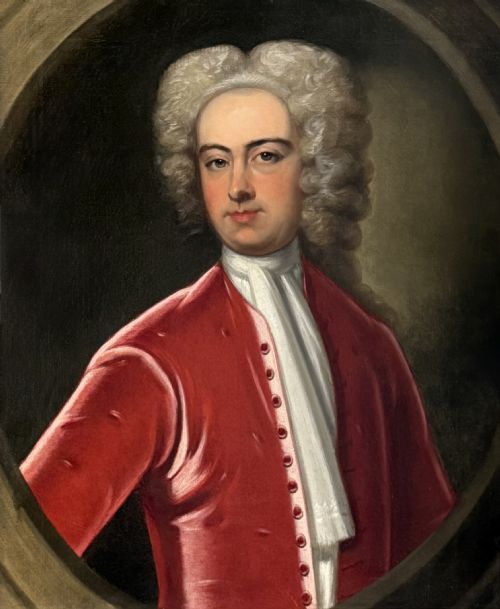
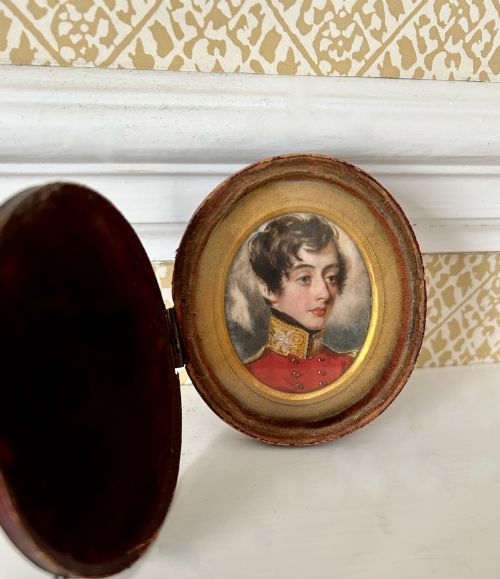
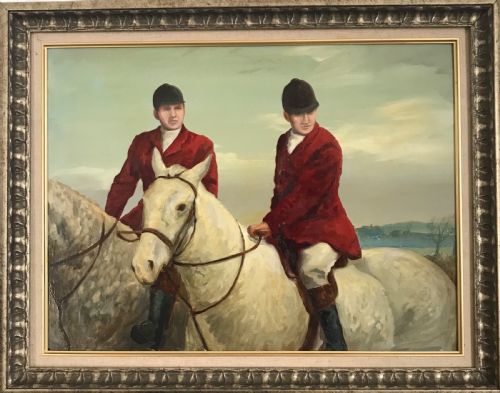
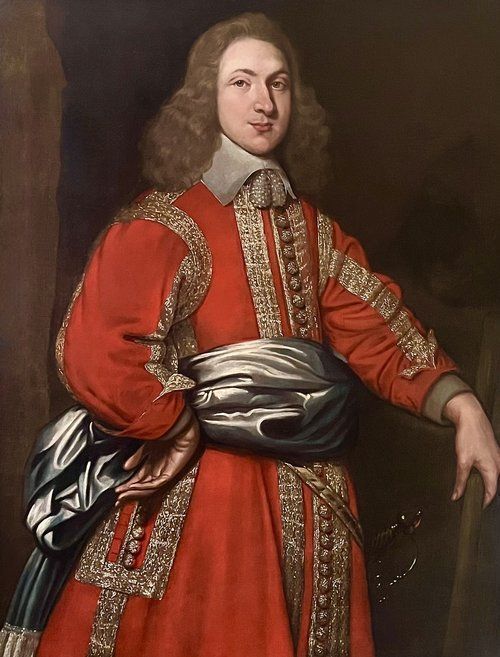
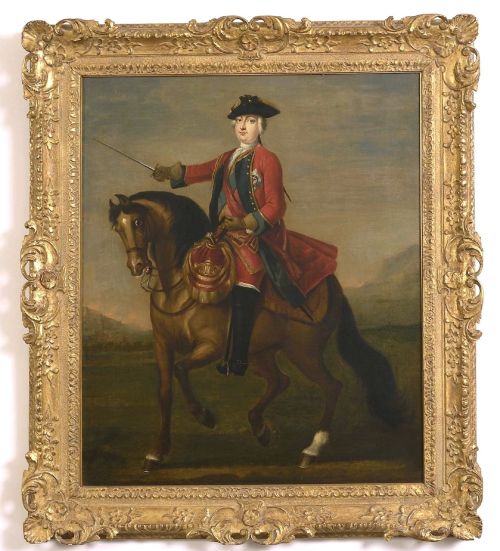
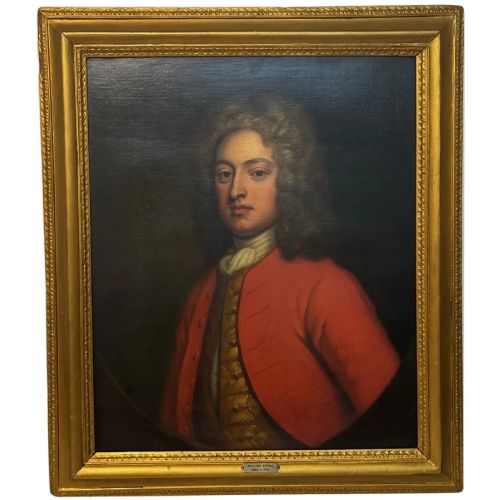
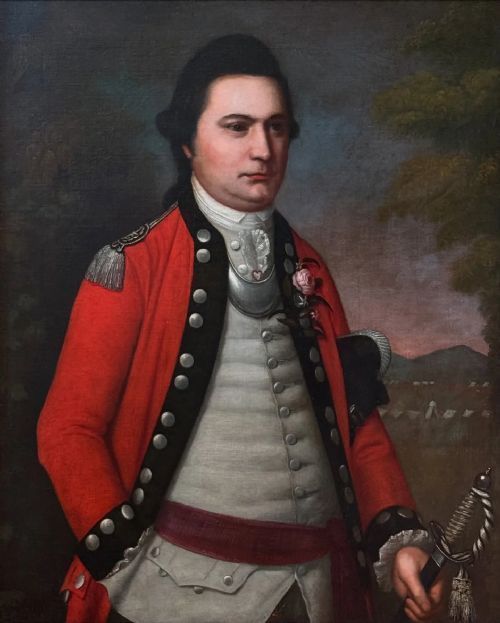
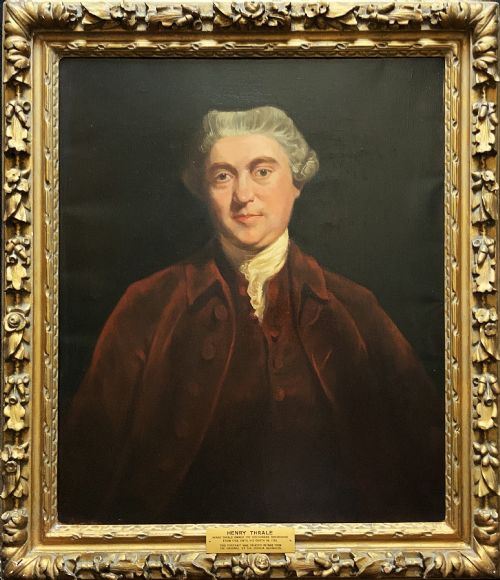
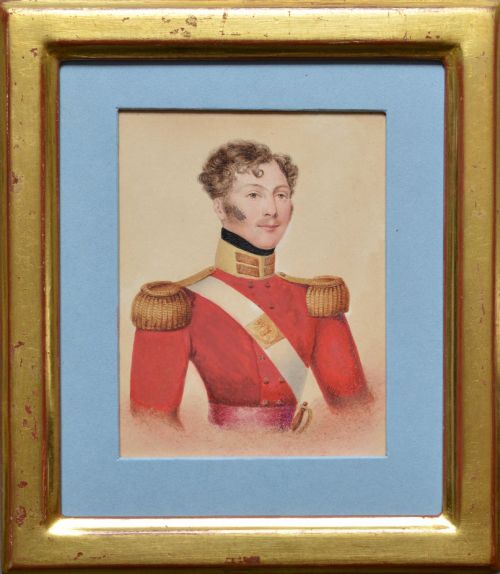
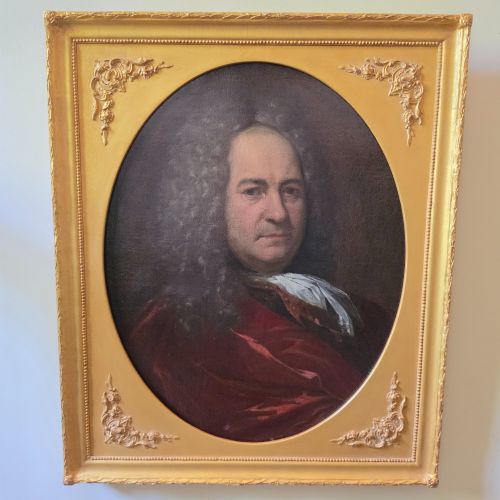
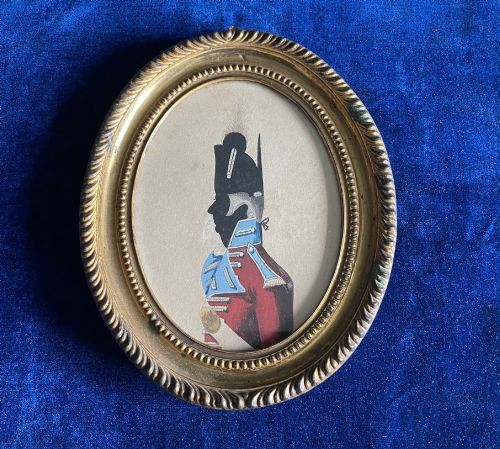
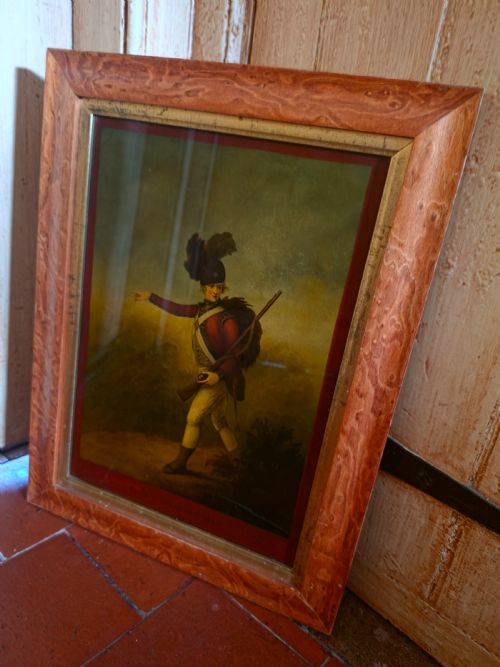
A red coat painting depicts officers, gentlemen, and huntsmen dressed in striking military red or scarlet hunting jackets. These works range from formal Georgian and Victorian oil portraits to delicate watercolour miniatures and reverse glass pictures.
The selections span the seventeenth, eighteenth, and nineteenth centuries, alongside traditional British sporting art. Buyers encounter military officers, cavalrymen, and regional regiments captured on canvas, panel, and paper.
How they were made
Artists painted these subjects primarily using oil on canvas, applying rich pigments to build deep coats of scarlet and crimson. Watercolour on paper and delicate reverse glass paintings also appear, alongside framed works housed in period giltwood moulding.
Makers utilised traditional brushwork and layering techniques to capture the texture of military wools, heavy leather, and glossy horse coats. Gilt frames often complement the warmth of the red pigments within the main composition.
Red Coat Painting Retail Price Guide 2026
Typical asking prices for red coat painting among the pieces listed under this phrase on Sellingantiques today, from the lower quarter to the upper quarter. They describe what is for sale here now, not the wider market.
Several gentlemen in these portraits wear expressions suggesting they would rather be inspecting their horses than sitting still.
What varies in quality
Quality rests upon the precision of the facial likeness, the handling of uniform details, and the depth of the red pigment used for the coat. Master painters defined lace, medals, and facial expressions with sharp clarity, whereas naive or provincial works rely on simpler, flatter brushwork.
The preservation of the canvas, the originality of the frame, and the documented identity of the sitter or regiment elevate the standing of a piece. Stronger examples maintain vibrant colour saturation without excessive overpainting or structural compromise.
Charles Jervas·Jean Baptiste Van Loo·Stickland Lowry·Sir Joshua Reynolds·John Wootton·Thomas Hudson·Allan Ramsay·Ferdinand Victor Leon Roybet·John Arthur Lomax·Basil Nightingale·Gilbert Scott Wright·Michael Dahl·Charles Clifford Turner·John Sanderson Wells·Snaffles·Thomas Ivester Lloyd·Charles Johnson Payne·Heywood Hardy·George Goodwin Kilburne
The Red Coat Painting Glossary
- Portrait miniature
- A small, detailed painting on ivory, vellum, or card, often depicting an individual bust in military attire.
- Reverse glass painting
- An image painted directly onto the back of a glass panel so the final picture is viewed through the front.
- Sporting art
- Fine art depicting hunting, horses, hounds, and countryside pursuits, prominent in British tradition.
- Giltwood
- Wood carved and covered with a thin layer of gold leaf, commonly used for traditional picture frames.
- Oil on canvas
- Pigment mixed with drying oil applied to stretched woven fabric, the dominant medium for historical portraits.
Red Coat Painting: Frequently Asked Questions
What periods do these paintings cover?
The selections span from the seventeenth century through the Georgian and Victorian eras up to mid-century works. Early examples feature seventeenth and eighteenth-century sitters, while nineteenth-century pieces showcase regimental officers and sporting scenes.
Makers and schools from various decades utilise oil, watercolour, and mixed media to record these historic subjects.
How do I identify a military red coat?
Military jackets display specific regimental facings, brass buttons, epaulettes, and braided collars that denote an officer's rank and unit. Portraits often name the regiment or sitter within the title or accompanying documentation.
Artists carefully rendered these details to signify the precise branch of service, such as infantry, cavalry, or dragoons.
Where should I hang a red coat painting?
These works suit traditional studies, libraries, or living rooms where rich tones complement wood paneling and antique furniture. Placing the piece away from direct sunlight protects the oil pigments and watercolours from fading.
Pairing the canvas with appropriate period lighting enhances the depth of the scarlet jacket.
What is the difference between sporting and military portraits?
Military portraits focus on formal officer commissions, medals, and regimental uniforms, often emphasising rank and duty. Sporting paintings place sitters outdoors alongside horses, hounds, and hunting landscapes.
Both genres utilise the iconic red coat, but military works record historical service while sporting art captures rural tradition.