
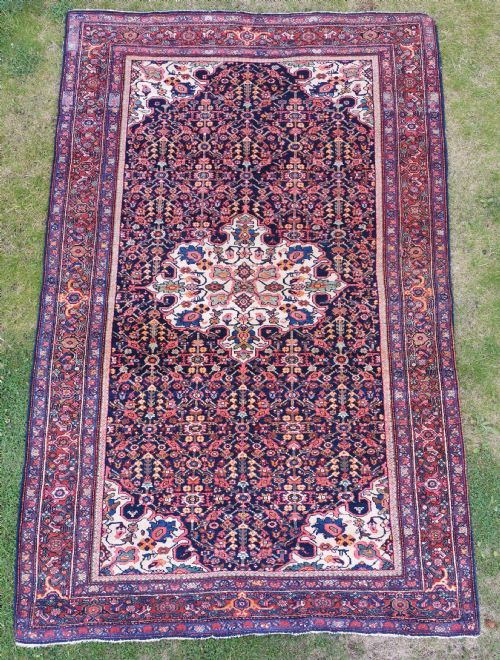
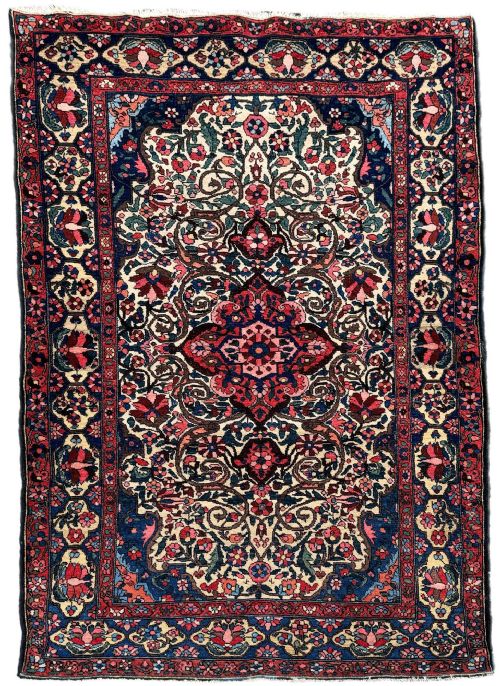
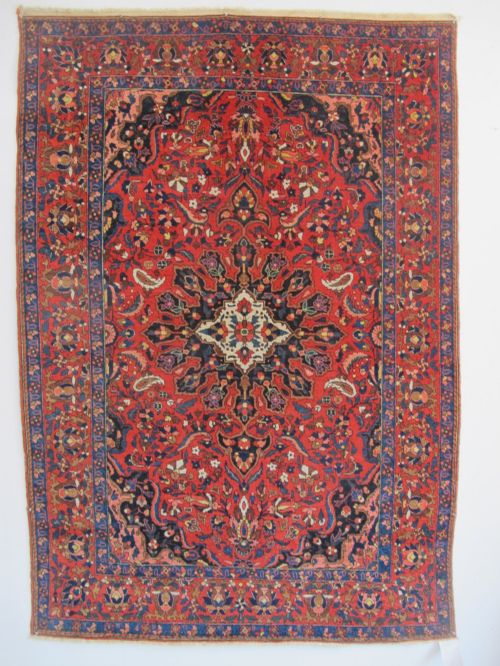
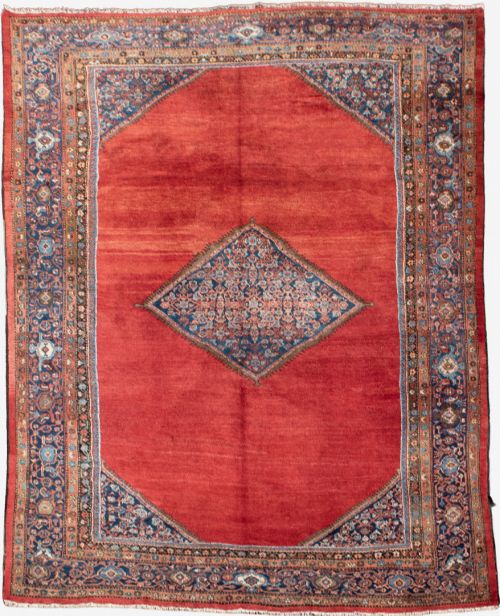
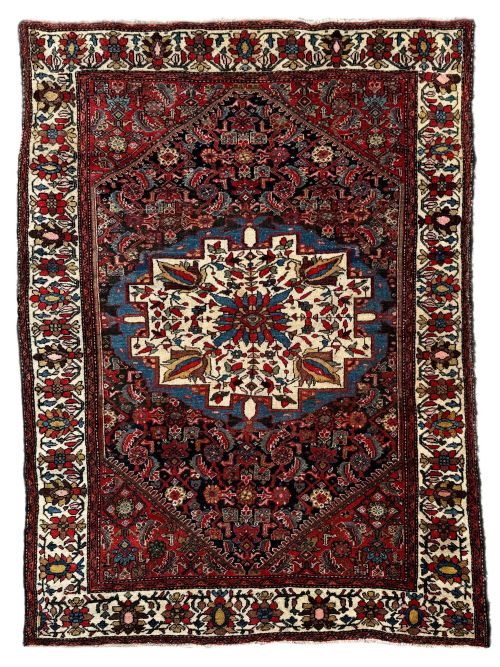


Red Central Medallion Carpet
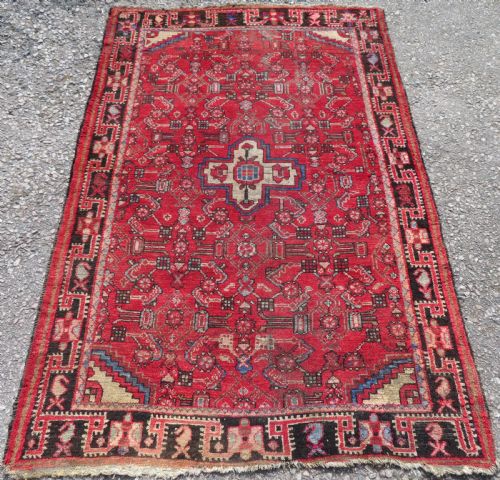
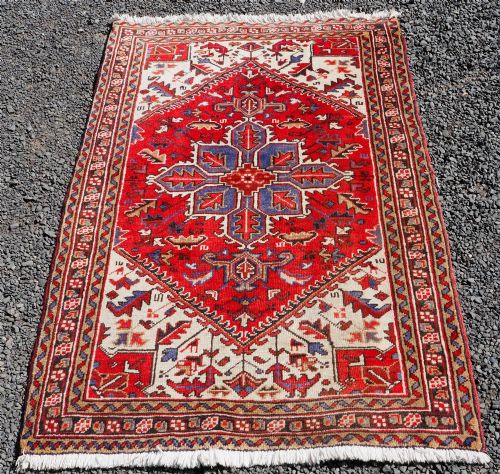
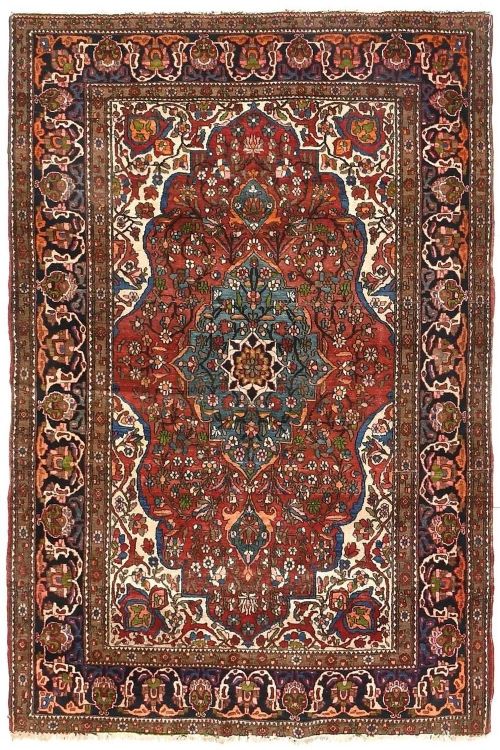
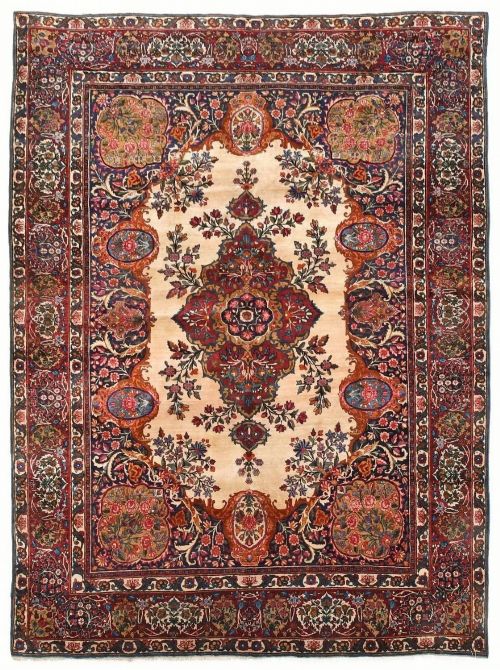
A red central medallion carpet anchors a room with traditional Persian artistry, offering intricate motifs and rich ground colours.
Red Central Medallion Carpet
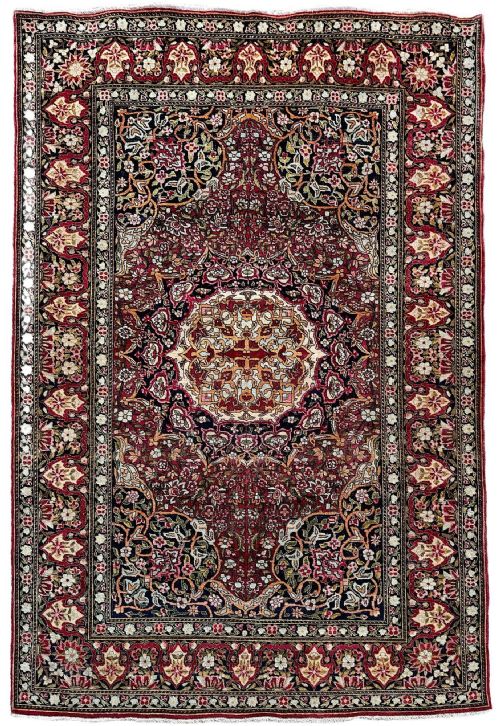
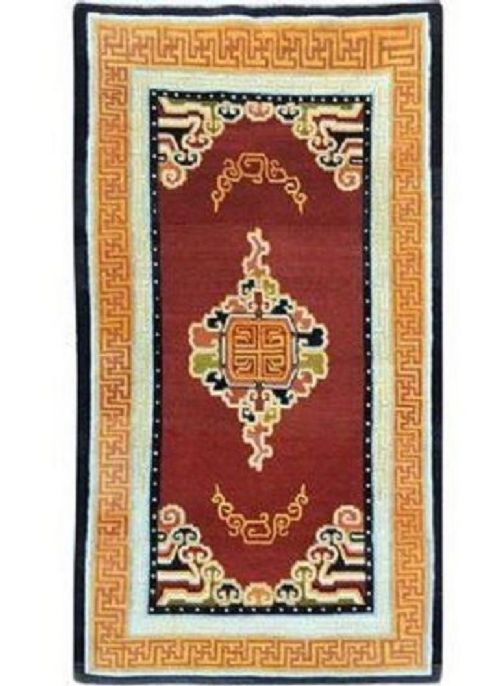
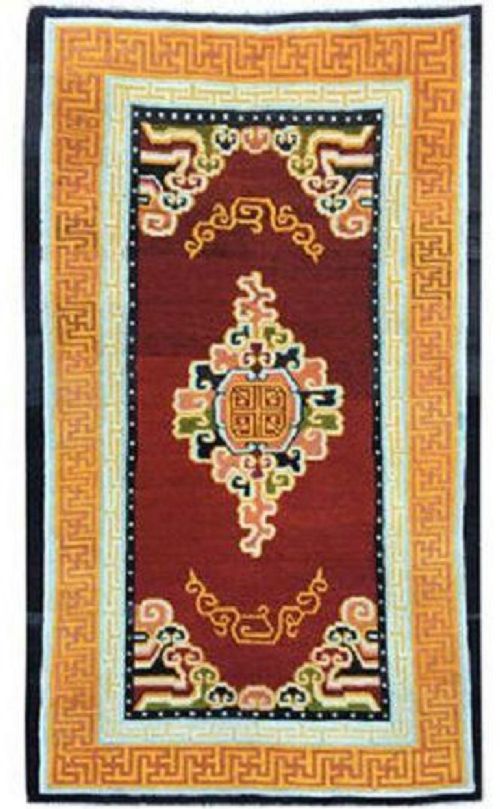
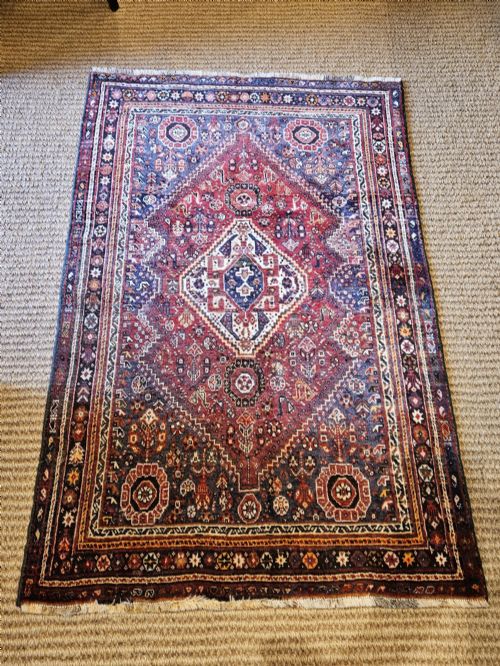
A red central medallion carpet centres the composition around a prominent focal motif, typically set against a rich red ground. These woven pieces derive primarily from Persian and Tibetan traditions, spanning from the nineteenth century into the twentieth century.
Buyers encounter regional variations such as Isfahan, Tabriz, Kashan, and Bakhtiar formats. These rugs and carpets range from smaller area dimensions up to substantial room sizes suitable for extensive floor spaces.
Materials and Construction
Makers utilised natural materials, predominantly durable wool on cotton foundations, occasionally incorporating silk and angora wool for finer pieces. Hand-knotting techniques allowed weavers to articulate complex geometric and floral patterns with precision.
Dye stuffs and weaving density determined the resilience and handle of each textile. The interplay of wool piles and cotton warps created robust floor coverings designed for daily use.
Current listings span from the nineteenth century through the 1930s, featuring Persian and Tibetan regional traditions.
Factors of Quality
Quality rests in the precision of the knotting and the complexity of the design execution. Tighter knot counts allow for sharper delineation of the central medallion and surrounding field details.
The choice of materials also divides the range, with fine silk examples and superior wool grades offering greater lustre and tactile depth compared to standard commercial weaves.
The Red Central Medallion Carpet Glossary
- Medallion
- The central ornamental motif found in the middle of the carpet field. It serves as the primary focal point of the design composition.
- Warp
- The vertical threads stretched lengthwise on the loom before knotting begins. Cotton is the standard material used for these foundational strands.
- Weft
- The horizontal threads passed across the warp strands to hold the knots in place. They contribute to the structural stability of the rug.
- Pile
- The upright cut ends of the knotted threads that form the soft surface of the carpet. Wool, silk, and angora wool comprise this upper layer.
Red Central Medallion Carpet: Frequently Asked Questions
How do I place a carpet in my room?
Position the piece in a low-traffic sitting area or beneath a central coffee table to showcase the medallion design without excessive wear.
Ensure the surrounding furniture frames the rug rather than concealing its primary decorative field.
How are different regional styles told apart?
Examine the drawing style and floral motifs, as workshops in Tabriz, Isfahan, and Kashan each employed distinct compositional rhythms.
Tribal pieces like Qashqai or Bakhtiar often display bolder geometric interpretations compared to urban workshop carpets.
What materials were used in these carpets?
Traditional construction relies on wool piles set onto cotton foundations, providing a durable surface for everyday domestic environments.
Finer examples occasionally incorporate silk to highlight specific botanical details within the design.
How should an antique carpet be maintained?
Vacuum gently with a brushless suction attachment to remove surface dirt without catching the wool pile.
Rotate the textile periodically to ensure even exposure to foot traffic and ambient light.