




Red Brown Wool Rug
When searching for a red brown wool rug, collectors encounter tribal and village textiles originating from Central Asian, Persian, and Afghan regions.
Red Brown Wool Rug
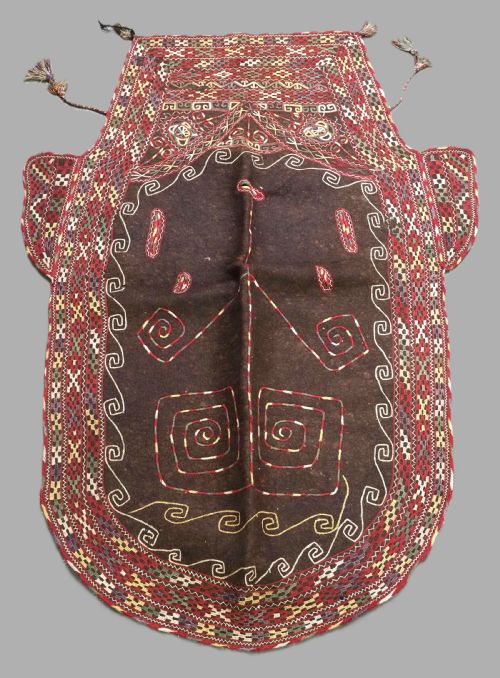
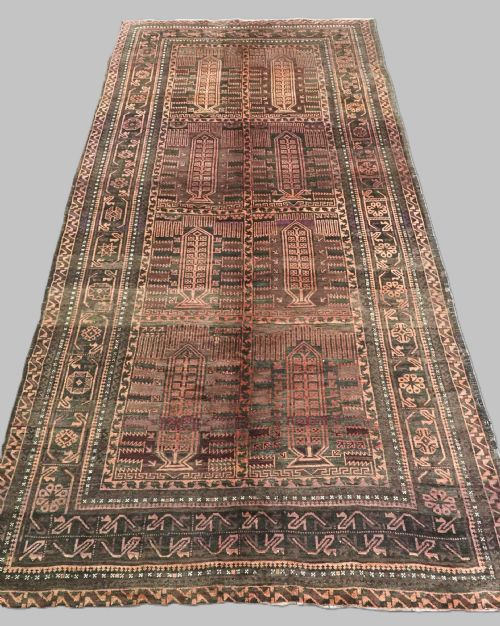
A red brown wool rug encompasses tribal weavings such as Turkmen main carpets, Baluch prayer rugs, and Kurdish long rugs produced across the nineteenth and early twentieth centuries. These pieces function as floor coverings, tent furnishings, and wall hangings, displaying geometric motifs like guls and mihrab designs.
Buyers frequently encounter Yomut, Ersari, and Timuri pieces displaying characteristic deep madder red and earthy brown tones derived from traditional colour palettes. The inventory spans compact torba face pieces and larger room-sized carpets woven by nomadic and village makers.
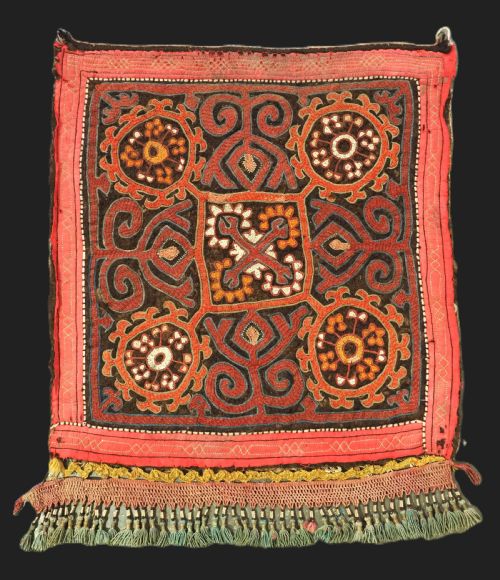
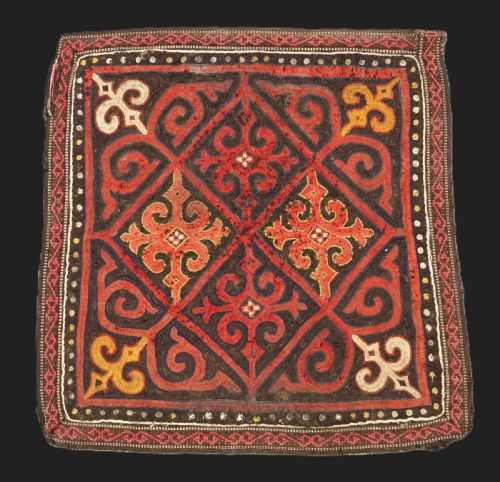
The regional diversity spans from Western Afghanistan to the Trans-Caspian steppes, incorporating flatweaves, pile carpets, and embroidered felt panels. Each piece reflects the specific tribal iconography and structural methods of its maker.
Materials and construction
Construction relies heavily on hand-spun wool pile secured to wool or cotton foundations, utilising natural dyes to achieve stable red and brown hues. Artisans incorporate subsidiary materials such as goat hair and felted wool, particularly in nomadic animal trappings and yurt rugs.
Weaving techniques include symmetrical and asymmetrical knotting alongside flatweave bandings and embroidered felt applications. The integration of hand-spun wool and natural dyestuffs produces variations in texture across individual panels and strips.
Listings feature pieces spanning from eighteen-seventy through the nineteen-thirties, utilising wool, natural dyes, and felt.
Evaluating craftsmanship
Quality separates through the integrity of the natural dyes, the fineness of the wool spinning, and the precision of the tribal patterning. Superior examples exhibit saturated madder reds, supple handle, and tightly packed knots that retain structural stability.
The balance of the design layout, the crispness of the gul or lattice motifs, and the preservation of original kilim ends influence the standing of a piece. Greater tribal authenticity and intact structural elements distinguish exceptional weaves from standard village production.
The Red Brown Wool Rug Glossary
- Gul
- A primary octagonal medallion motif repeated across Turkmen and Central Asian carpets. This emblem often identifies specific tribal groups and regional weaving traditions.
- Torba
- A small storage bag or trapping produced by nomadic tribes. These items were traditionally used inside tents for domestic organisation.
- Kilim
- A flatwoven textile lacking a raised pile surface. Artisans utilise slit-weave techniques to create sharp geometric patterns along the ends of carpets.
- Mihrab
- An architectural prayer niche design mirrored in the field of specific village rugs. This motif points toward Mecca during ritual use.
- Mafrash
- A rectangular storage sack or chest panel woven in banded flatweave or pile techniques. These transport containers formed part of nomadic household furnishings.
Red Brown Wool Rug: Frequently Asked Questions
Where were these rugs made?
These textiles originate from nomadic and village communities across Central Asia, Afghanistan, Persia, and the Trans-Caspian steppes.
Tribal groups such as the Yomut, Ersari, Baluch, and Kurdish populations produced these pieces for domestic use and ceremonial purposes.
How do I care for an old wool rug?
Gentle, regular vacuuming without a rotating brush protects the wool pile from abrasive dust accumulation. Professional cleaning suited to antique textiles preserves the natural dyes and structural integrity.
Keep the rug away from prolonged direct sunlight to prevent fading of the red and brown tones. Using a breathable underlay prevents slipping and reduces friction against hard floors.
What is a tribal gul?
A gul is an octagonal or stylized floral medallion repeated symmetrically across the field of Central Asian carpets. Different tribes utilised distinct gul variations to signify lineage and regional identity.
These emblems anchor the geometric composition of Turkmen and Baluch weaving traditions.
How are prayer rugs identified?
Prayer rugs feature a prominent mihrab arch at one or both ends of the field, creating a directional niche. This architectural motif guided the user during daily devotions.
Village weavers across Afghanistan and Persia incorporated these sacred designs into compact formats.