


Red Blue Imari Platter
These red blue imari platter examples combine rich cobalt underglaze with vibrant enamel and gold leaf, offering centuries of decorative tradition for the collector.
Red Blue Imari Platter
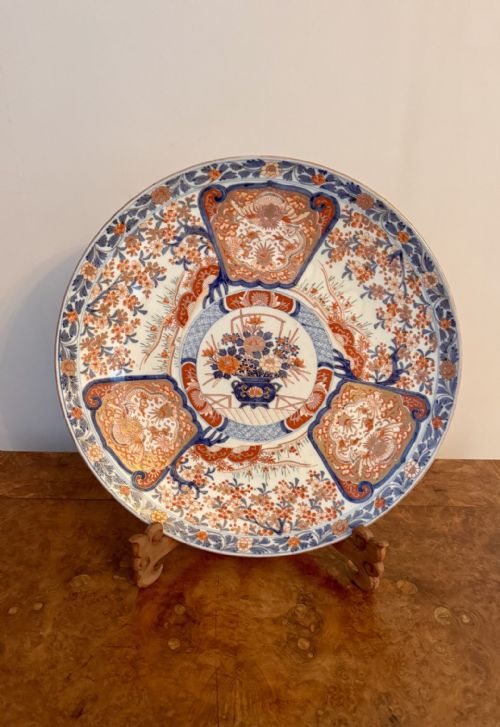
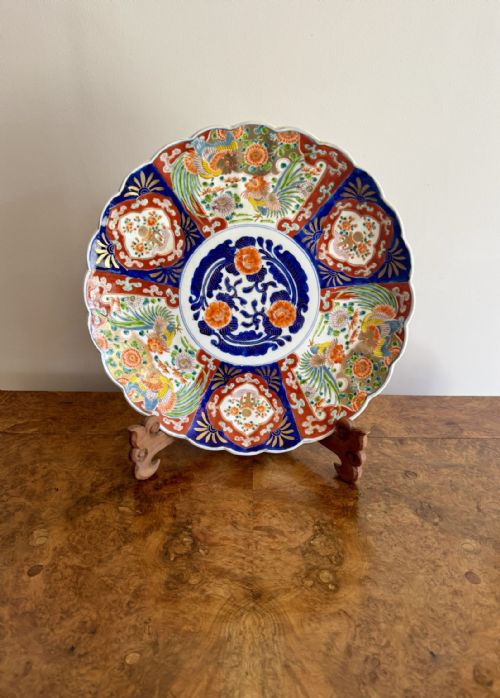
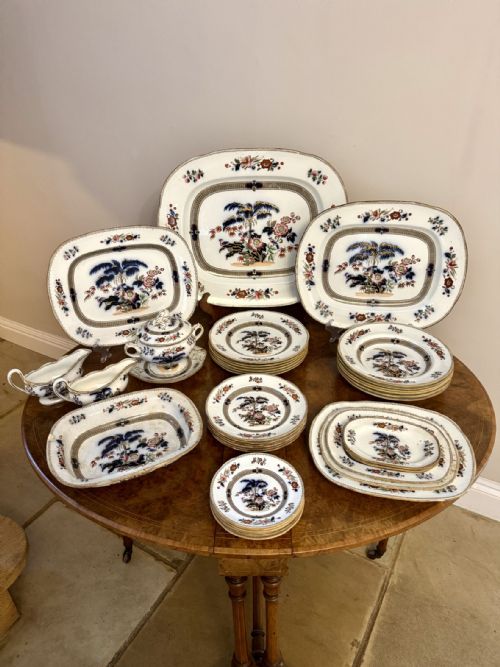
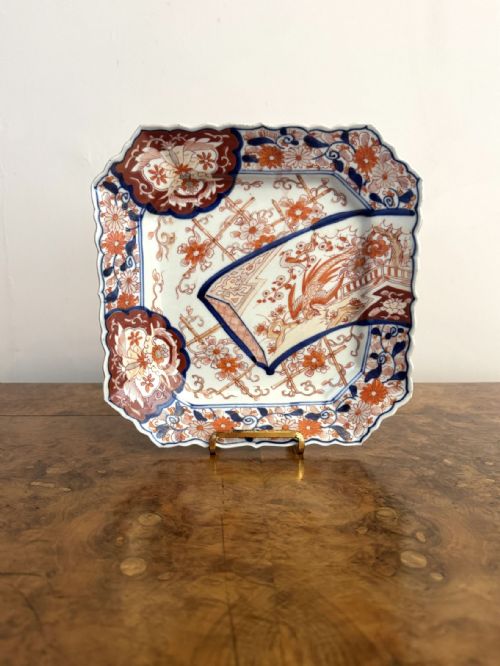
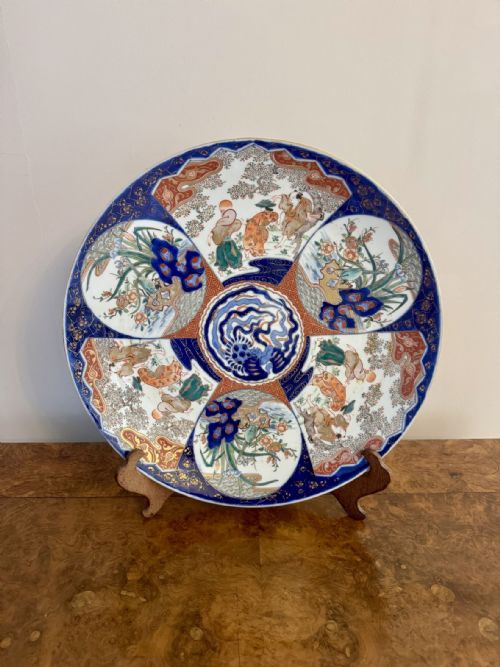
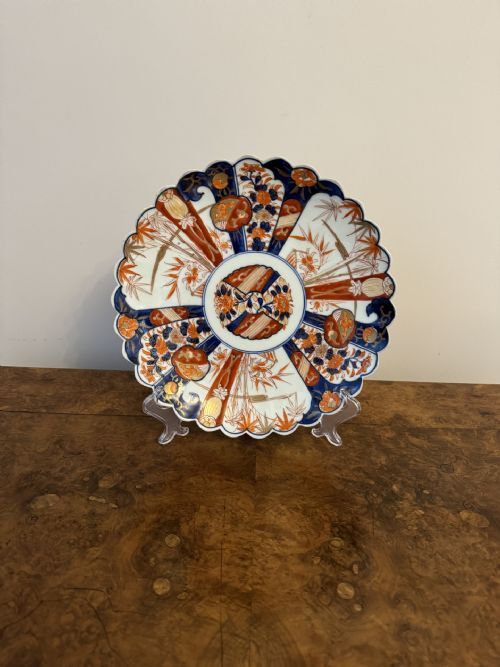
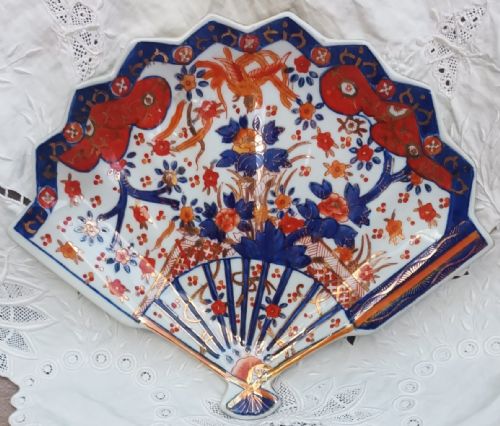
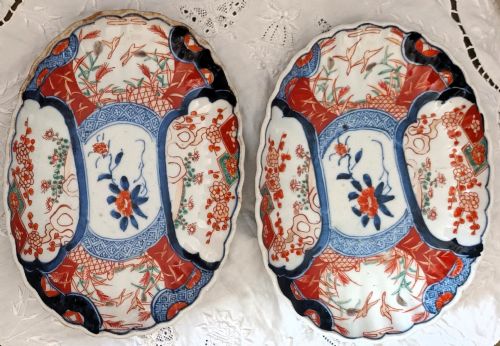
A red blue imari platter brings together decorative plates, chargers, and serving dishes created across the nineteenth and twentieth centuries. Buyers encounter diverse regional interpretations, from Japanese Meiji period exports to English porcelain and Chinese export pieces.
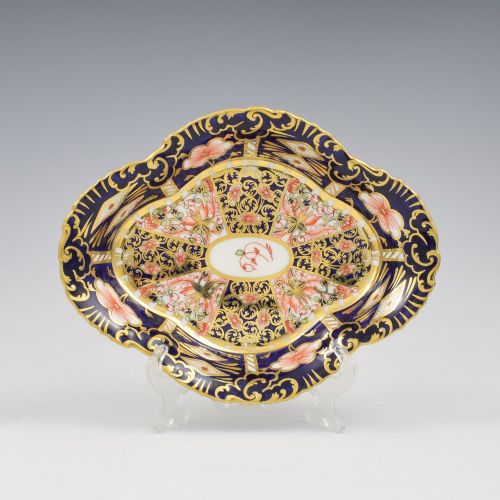
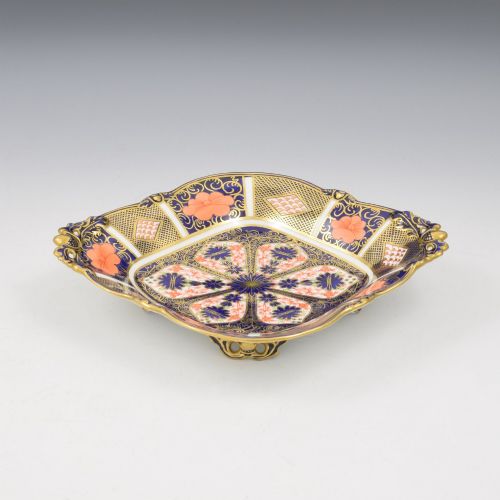
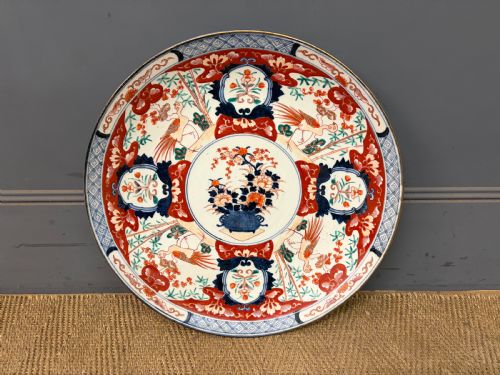
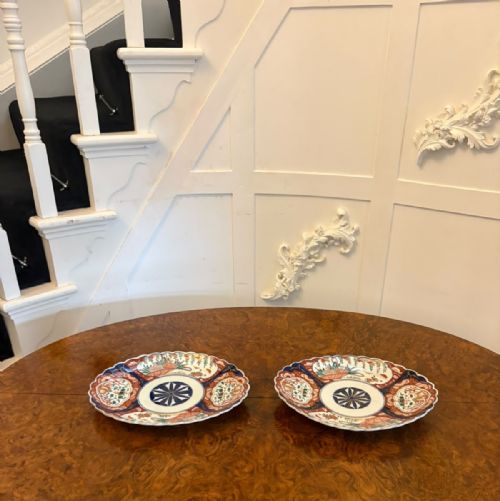
The Japanese examples dominate the selection, often appearing as large chargers, scalloped plates, and unusual square or fish-shaped dishes. Alongside these, English makers like Royal Crown Derby and Wedgwood provide alternative expressions of the imari palette.
How They Were Made
The foundation relies on ceramic or porcelain bodies, shaped into platters, chargers, and trays before receiving cobalt underglaze painting. Artisans then apply enamel colours and gold leaf, sometimes supplemented by gilding or ormolu mounts.
Firing techniques lock the deep blues and contrasting reds beneath a clear glaze, while subsequent low-temperature firings fix the delicate enamel details and metallic highlights onto the surface.
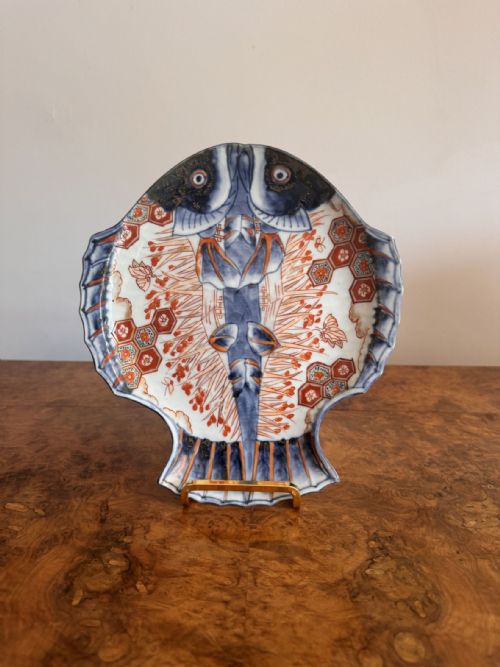
Among the round chargers and square plates, a single ceramic fish swims through the collection as an unusual Japanese imari serving dish.
What Varies in Quality
The crispness of the hand-painted floral, bird, and figural designs dictates the visual impact of each piece. Finer examples display meticulous brushwork in the cobalt underglaze and precise application of enamel and gilding.
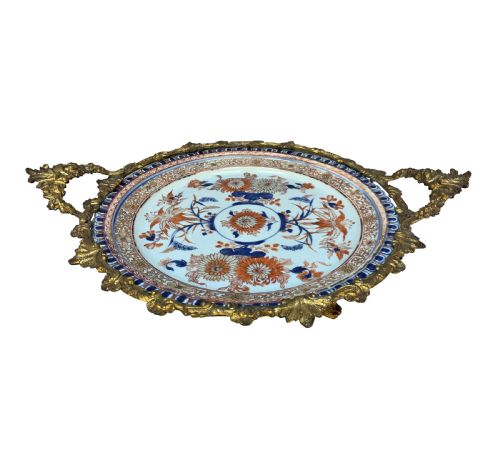
Form also distinguishes the range, moving from standard circular chargers to labour-intensive scalloped edges, square plates, and moulded forms like fish or pierced serving trays.
Royal Crown Derby·Wedgwood
The Red Blue Imari Platter Glossary
- Imari
- A style of ceramic decoration originating in Japan and subsequently copied in Europe, typically characterised by a palette of cobalt blue, iron red, and gold. This aesthetic spread through export trade during the Qing dynasty and later periods.
- Charger
- A large decorative plate or platter used historically for service or display on a sideboard. In imari ware, these large formats showcase complex narrative scenes and intricate floral borders.
- Cobalt Underglaze
- A blue pigment applied to the ceramic body before glazing and firing, capable of withstanding high temperatures. It provides the deep, permanent blue foundation characteristic of traditional imari pieces.
- Enamel
- Opaque glass-like colours applied over the fired glaze and fixed at a lower temperature. This technique adds vibrant reds, greens, and other hues to complement the underglaze blue.
- Meiji Period
- The era of Japanese history spanning from 1868 to 1912, corresponding with a prolific output of export porcelain. Pieces from this time often feature detailed hand-painted designs depicting traditional motifs and deities.
Red Blue Imari Platter: Frequently Asked Questions
How are red blue imari platters displayed?
These pieces frequently incorporate bracket feet, wall mountings, or rest safely on plate stands for vertical display. Chargers and large plates suit sideboard placement where their rich colour palette remains visible.
Smaller trays and shaped dishes function well on tables or within cabinets alongside other ceramic collections.
What periods do these platters date from?
The selection spans from eighteenth-century Chinese export wares through nineteenth-century Japanese Meiji production to early twentieth-century examples. Victorian and Edwardian English reinterpretations also appear among the offerings.
Dating relies on stylistic conventions, ceramic bodies, and historical export markers associated with specific dynasties and reigns.
How do Japanese and English imari differ?
Japanese examples, particularly from the Meiji period, typically employ traditional hand-painted motifs such as the Seven Lucky Gods, floral arrangements, and birds on a porcelain body. English pieces adapt this distinct aesthetic onto domestic ceramic bodies.
Firms like Royal Crown Derby produced stamped patterns that translated the traditional cobalt and iron-red palette into Victorian dining services.
Were these pieces used for dining?
Larger chargers and platters served both functional dining roles and decorative display purposes in formal reception rooms. Over time, many transitioned into purely ornamental objects due to their intricate hand-painted surfaces.
Pierced trays and shaped dishes accommodated specific serving functions within nineteenth-century dinner services.