


Red and Navy Rug
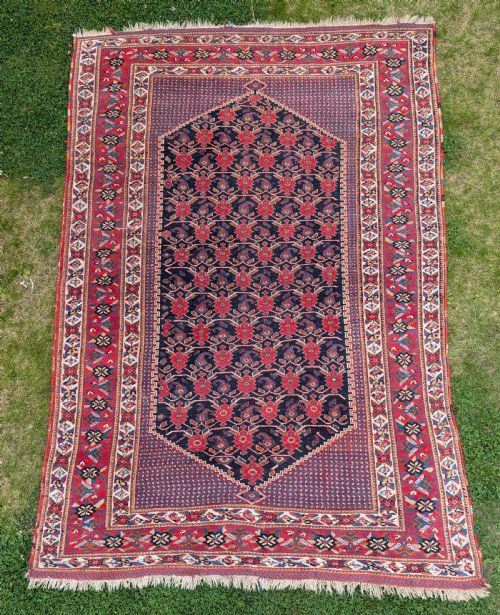
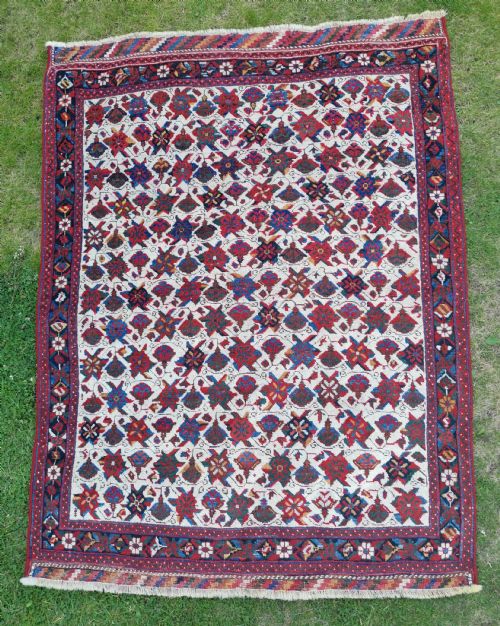
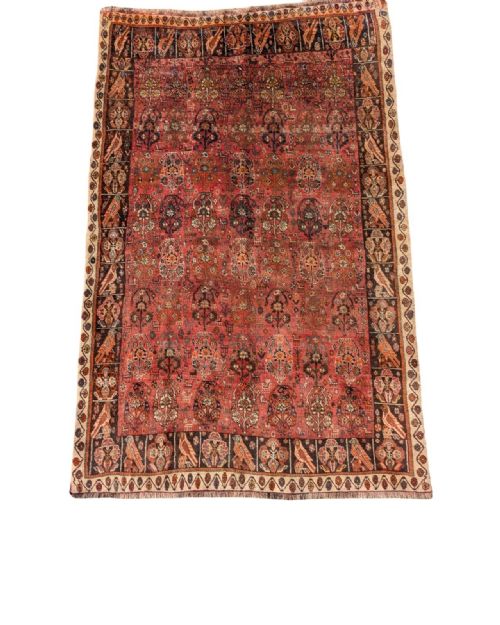
A red and navy rug brings warmth and deep grounding contrast to a room through centuries of traditional tribal design.
Red and Navy Rug
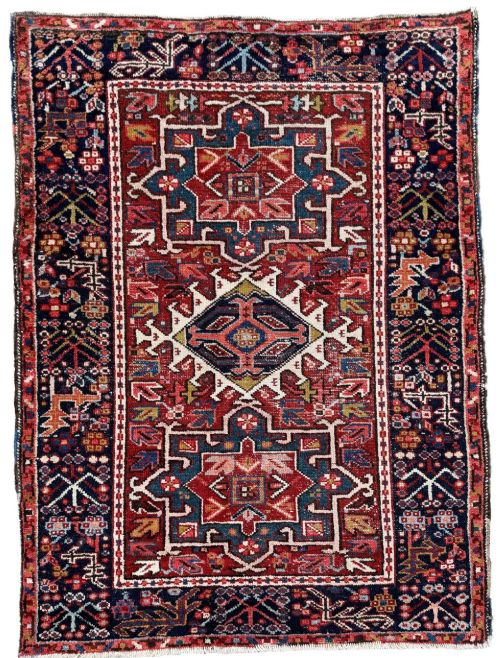
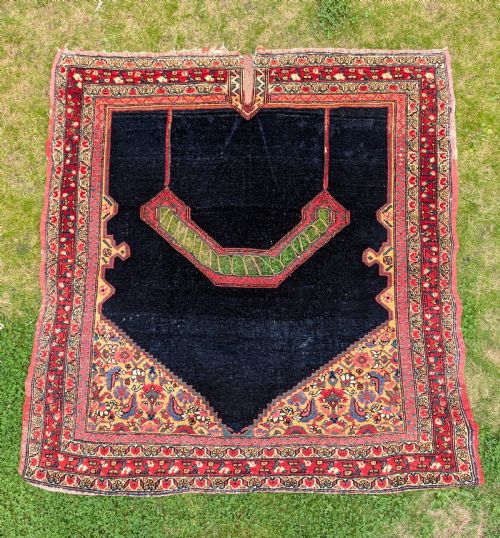
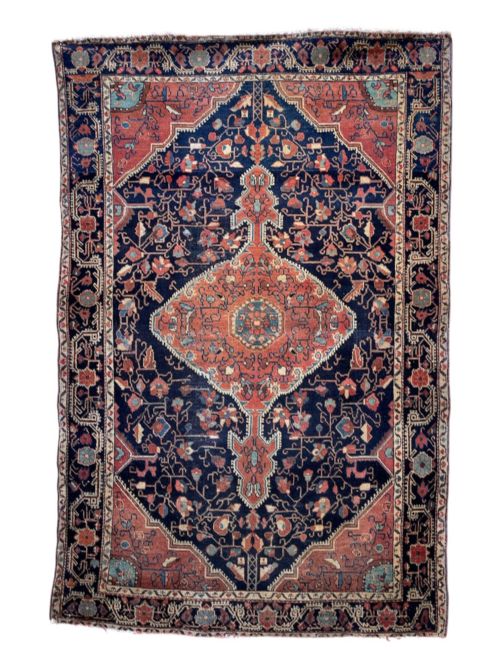
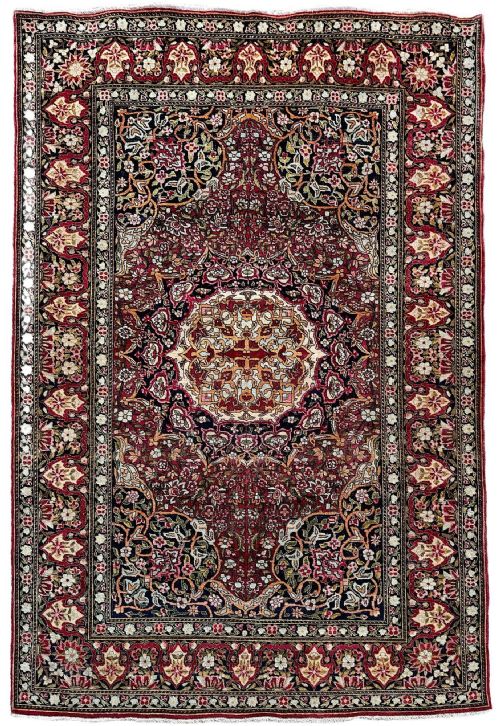
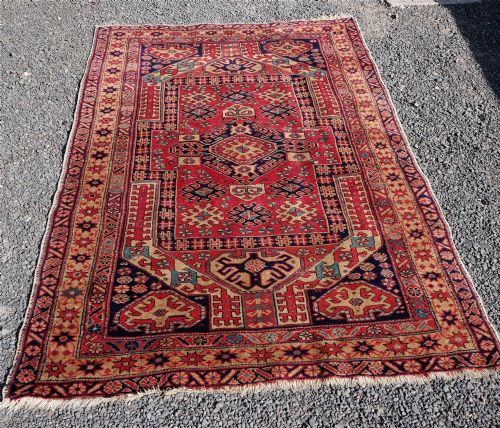
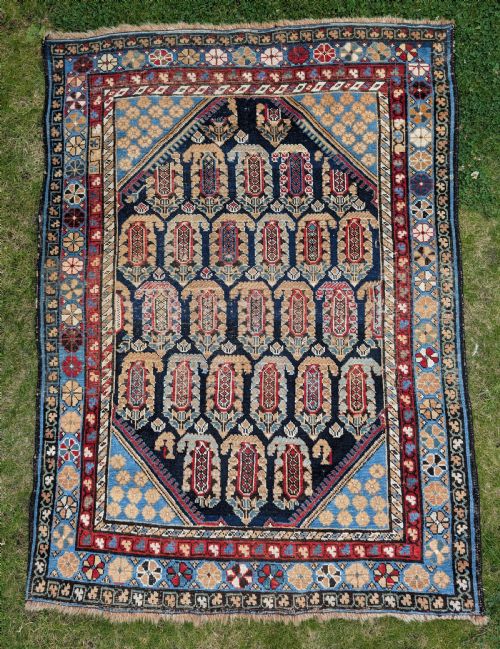
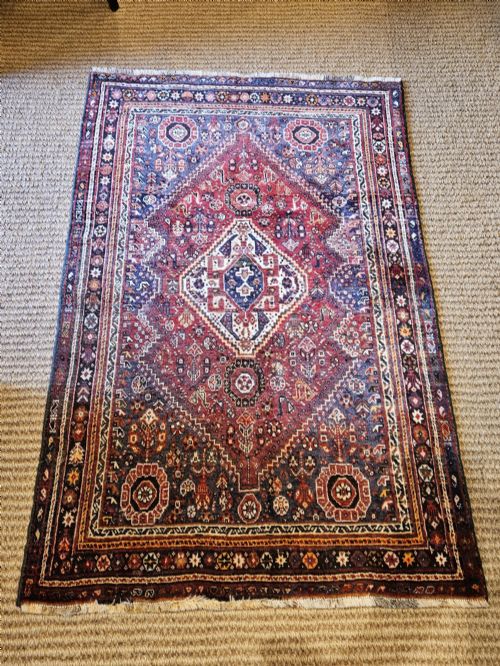
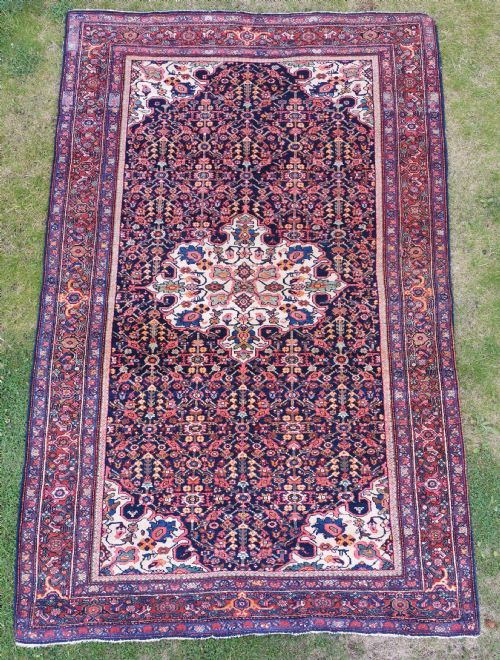
A red and navy rug encompasses hand-knotted floor coverings spanning the nineteenth and early twentieth centuries, drawing upon Persian tribal, Caucasian, and traditional village origins. Buyers exploring this category encounter varied formats ranging from substantial area carpets and long runners down to smaller prayer rugs, saddle covers, and cushions.
The aesthetic bridges bold crimson fields with contrasting indigo or deep blue borders, structured through geometric medallions, intricate floral motifs, or directional prayer designs. Pieces originate from distinct regional weaving traditions such as Heriz, Afshar, Baluch, and Bakhtiar, each carrying specific tribal iconography.
Materials and construction methods
Weavers constructed these textiles primarily using hand-spun wool for the pile, complemented by cotton or wool foundations for structural integrity. The incorporation of natural dyes yielded the characteristic deep reds and robust navies that age gracefully over decades of use.
Makers employed traditional hand-knotting techniques, translating intricate geometric medallion designs and Mina Khani patterns directly from memory or regional convention onto upright looms. Durable construction allowed these carpets and runners to withstand generations of daily floor traffic.
Some antique rugs retain minor weaver errors in symmetry, reminding us of the human hand behind the loom.
Assessing craftsmanship and execution
Quality separates along the precision of knot density and the crispness of linear geometry within the medallion or field. Finer examples display meticulous handling of natural dyes, ensuring colour variation possesses depth rather than flatness.
Structural integrity of the foundation and the uniformity of the wool pile dictate long-term durability. Artisanal execution in regional workshops or nomadic tents determines whether a textile maintains precise proportions and balanced symmetry.
The Red and Navy Rug Glossary
- Medallion
- A central ornamental motif positioned in the middle of the rug field, commonly seen in Heriz and Persian carpets. It anchors the symmetrical layout of the surrounding geometric patterns.
- Prayer rug
- A small format textile featuring a mihrab or arch design indicating the direction of prayer. These pieces were historically utilised for personal devotion.
- Runner
- A long, narrow carpet format designed specifically for hallways, corridors, or alongside beds. They maintain repetitive border patterns adapted to restricted widths.
- Natural dye
- Colouring derived from plant, insect, or mineral sources rather than synthetic chemical alternatives. These dyes produce complex, muted patination as the wool ages.
Red and Navy Rug: Frequently Asked Questions
Where should I place a red and navy rug?
These rugs suit high-traffic areas such as hallways, living rooms, and studies where the strong contrast between red and navy anchors the surrounding furniture. Smaller formats like prayer rugs or cushions work well as accent pieces on wooden floors or seating.
The durability of hand-spun wool and natural dyes allows these textiles to handle everyday movement while retaining their structural integrity and visual depth over time.
How do I care for antique wool rugs?
Regular gentle vacuuming without a rotating brush prevents dust accumulation within the wool pile. Professional cleaning suited for antique textiles preserves the natural lanolin and protects the foundation fibres.
Avoiding direct, prolonged sunlight prevents the natural dyes from fading unevenly across the crimson and indigo areas.
How can I tell different tribal styles apart?
Regional weaving groups utilised distinct visual vocabularies, such as the bold geometric corners of Heriz carpets or the finer, repeating floral networks found in Kurdish runner rugs. Examining the specific border motifs and medallion shapes reveals the geographic origin of the piece.
Nomadic groups like the Baluch or Afshar incorporated characteristic darker palettes and tribal iconography distinct from larger workshop productions.
What does a mihrab design mean?
The mihrab represents a prayer niche, usually indicated by a pointed arch at one or both ends of the rug field. This traditional element guided the user during daily prayer.
In surviving textiles, this architectural motif adds a strong directional focus to the composition of the piece.