

Red Accent Armchair
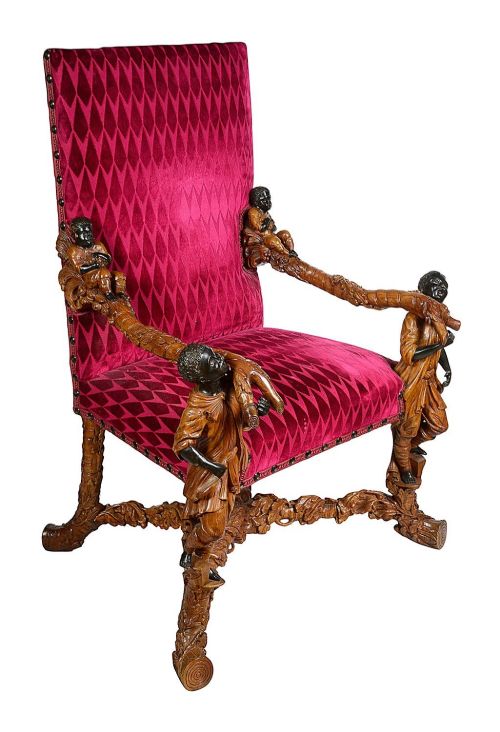
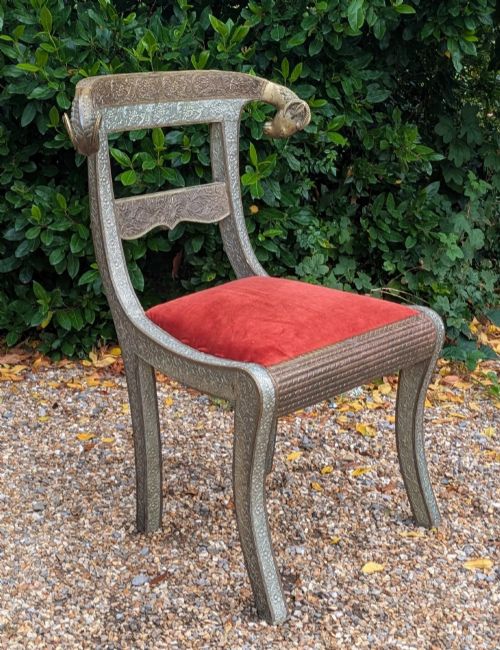
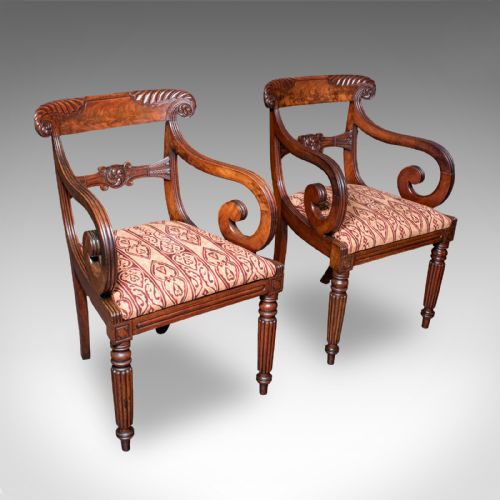
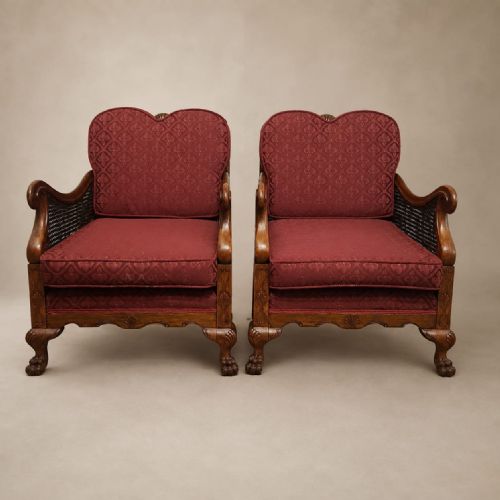
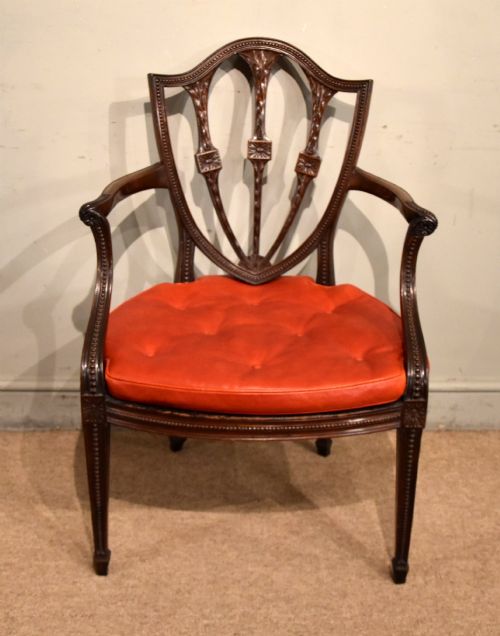
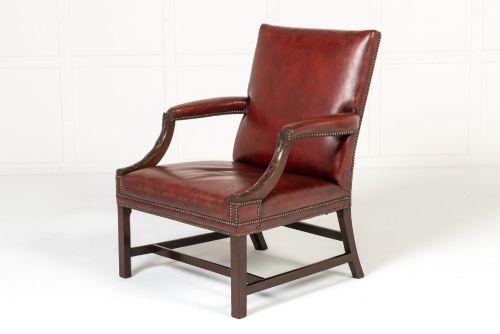
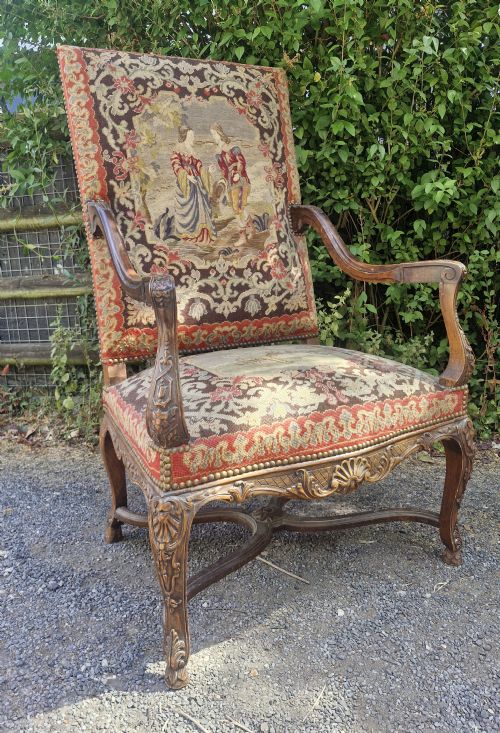
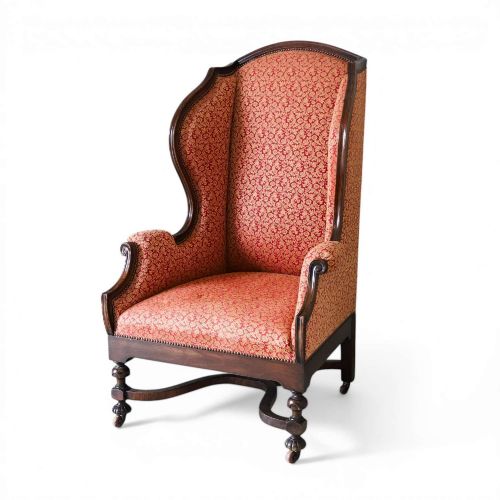
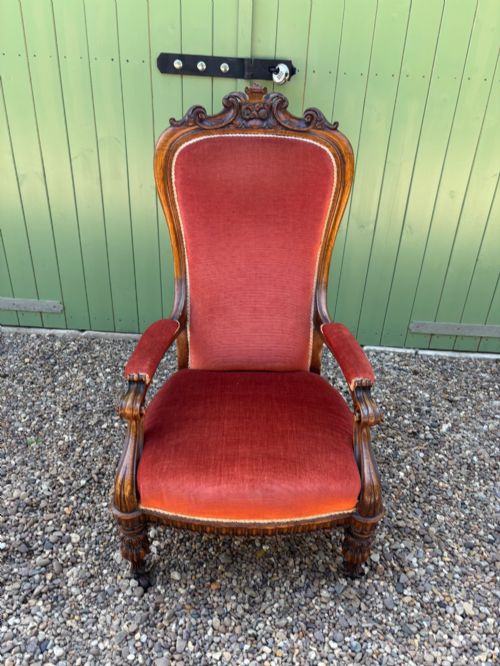
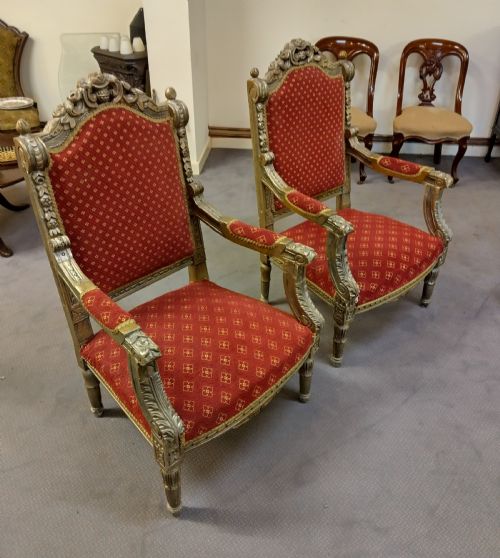
A red accent armchair brings strong colour and period character to a room, whether you choose a mahogany Gainsborough chair or a carved giltwood Louis XVI style frame.
Red Accent Armchair
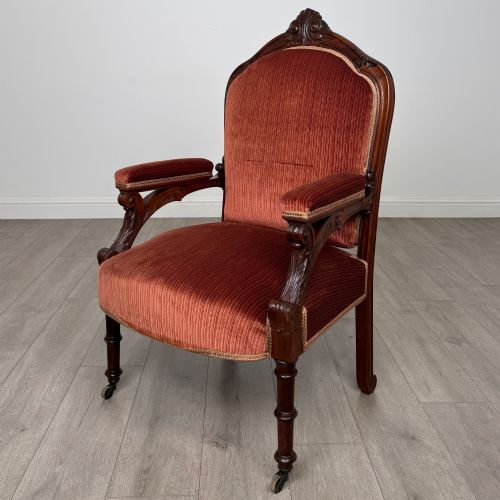
A red accent armchair is a seating piece designed to draw the eye with its vivid upholstery or lacquer, spanning forms from library armchairs to low slipper chairs. When you search for a red accent armchair, you encounter centuries of woodworking and upholstery traditions, from 18th-century mahogany frames to later Victorian velvet designs.
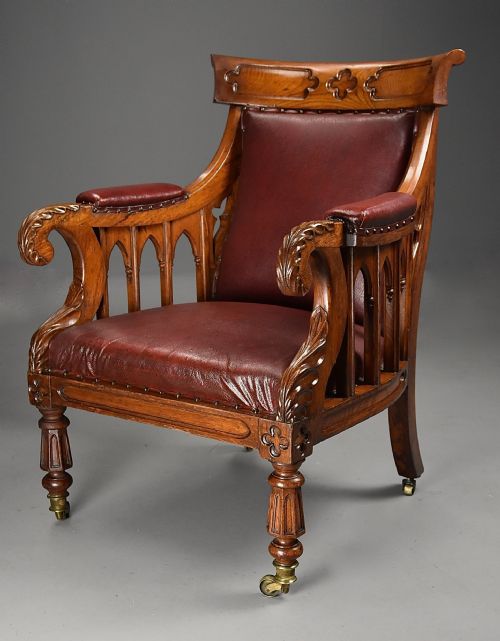
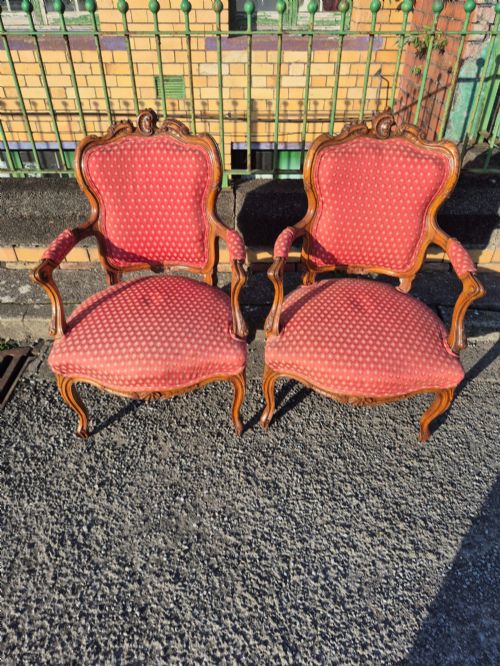
The most frequent versions on this page are 19th-century and 18th-century English and French frames, often upholstered in red leather, velvet, or needlework. These pieces served as library seats, drawing-room chairs, and occasional parlour seating.
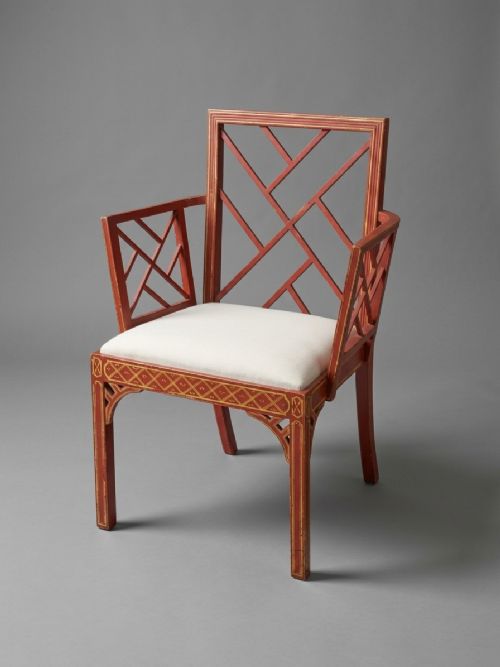
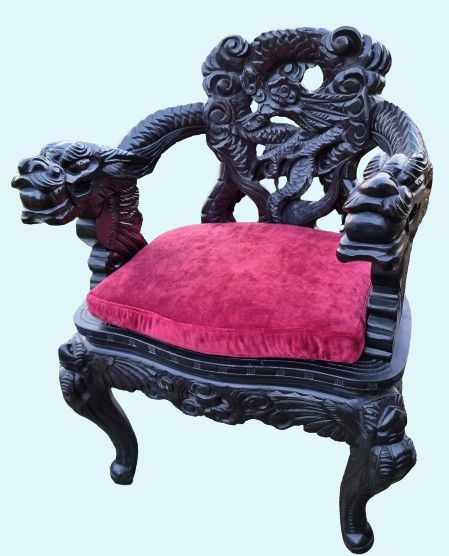
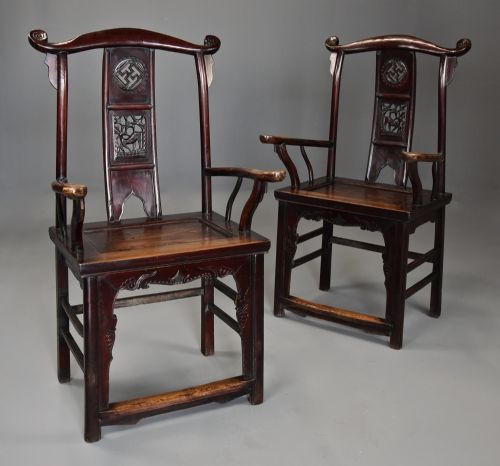
Makers and craftsmen utilised robust timbers such as mahogany, oak, walnut, and giltwood to build these chairs, adding carved details, brass accents, and split cane panels. The red element arrives either through contemporary or old upholstery like leather and velvet, or through original red lacquer on Chinese elm frames.
What varies in quality
The distinction between ordinary and superior pieces lies in the crispness of the hand-carved details on the wooden frames and the selection of timber grain. Heavy proportions, balanced structural symmetry, and original surface patination separate finer library and parlour chairs from simpler utilitarian seating.
Upholstery standard varies according to the historical accuracy of the materials used, the weight and depth of the textile, and the precision of the stitching and buttoning. Original leather or lacquer retains a tactile depth that machine-produced alternatives lack.
Red Accent Armchair Retail Price Guide 2026
Typical asking prices for red accent armchair among the pieces listed under this phrase on Sellingantiques today, from the lower quarter to the upper quarter. They describe what is for sale here now, not the wider market.
Listings feature woods like mahogany, oak, walnut, elm, and giltwood, paired with red upholstery in leather, velvet, and fabric.
The Red Accent Armchair Glossary
- Gainsborough armchair
- A wide, open-armed library chair originating in the 18th century, typically featuring a mahogany frame and upholstered seat and back. It allows room for voluminous period clothing.
- Fauteuil
- An open-arm armchair with an exposed wooden frame, originating in France. The arms usually have upholstered pads for comfort.
- Bergère
- An enclosed armchair with upholstered sides and a tight seat cushion, often incorporating exposed wood and cane panels. The frame is typically French or English in origin.
- Yokeback armchair
- A traditional Chinese chair style featuring a top rail that curves like a yoke. Some examples retain original red lacquer finishes.
- Giltwood
- Wood that has been coated with gold leaf or a gold-coloured finish. It is common on decorative 19th-century French and revival frames.
- Patina
- The surface sheen and texture developed through age, handling, and use. Good patina shows the natural warmth of old mahogany, oak, or elm.
Red Accent Armchair: Frequently Asked Questions
Where should I place a red accent armchair?
These chairs suit studies, libraries, and drawing rooms where their colour creates a focal point against neutral walls. Pair them with reading lamps or position them as standalone occasional seats.
Ensure there is adequate physical clearance around the chair to display its carved wooden arms and legs without crowding other furniture.
How do I identify a Georgian armchair?
Look for dense mahogany construction, restrained hand-carving on the knees or top rail, and classic proportions designed for 18th-century interiors. Styles often follow Chippendale or George III design conventions.
Check for traditional joinery methods and patination on the wood surfaces that indicate genuine age rather than later reproduction work.
Can I use these chairs for daily seating?
Most antique armchairs are structurally robust enough for daily use, provided the internal webbing and joints remain sound. Victorian library chairs and upholstered armchairs offer supportive proportions for regular sitting.
Consider the seat height and depth relative to your modern living space to ensure comfort for extended periods of use.
How do I care for antique wood and leather?
Maintain wooden frames by dusting with a soft cloth and occasionally applying appropriate wax to nourish the grain. Avoid placing furniture in direct sunlight or near heat sources to prevent timber splitting.
Treat leather upholstery with specialised balms to keep the hide supple and prevent cracking over time while preserving the original red tone.