


Rectangular Wooden Dining Table
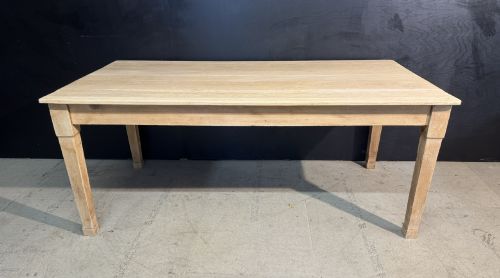
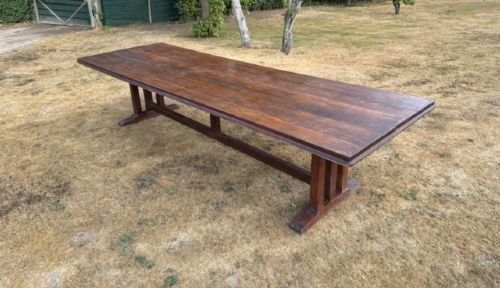
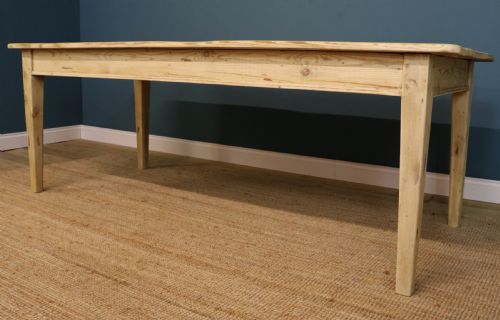
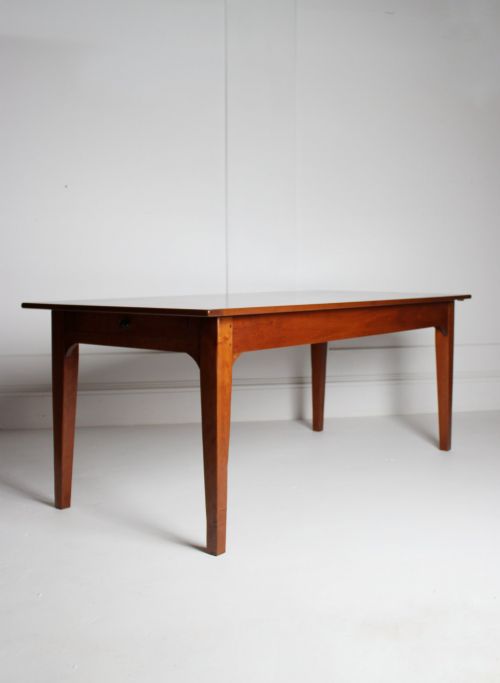
A rectangular wooden dining table grounds a room with timber character, spanning periods from Georgian to 1920s country forms.
Rectangular Wooden Dining Table
A rectangular wooden dining table serves daily meals and large gatherings, appearing on this page across periods from the eighteenth century to the early twentieth century. These pieces range from substantial Victorian mahogany extending designs and Georgian drop-leaf tables to rustic pine farmhouse kitchens and French bistro variants.
How they were made
Makers utilised solid timbers such as mahogany, oak, walnut, pine, cherrywood, and satinwood, often combining these woods with brass fittings or cast iron elements. Construction methods varied from simple pegged pine frames to complex extending mechanisms and tilt-top pivots housed in mahogany.
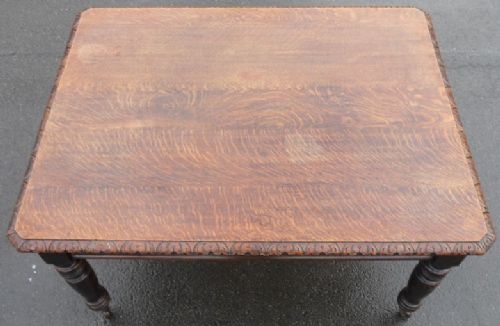
Surfaces received finishes appropriate to their period, ranging from French bleached pine treatments to polished mahogany and carved oak details. Structural joining relied on traditional cabinetmaking techniques suited to the particular wood and intended daily function.
The listings here feature oak, mahogany, pine, walnut, cherrywood, satinwood, and yew wood across Georgian, Victorian, Edwardian, and 1920s periods.
What varies in quality
Quality rests upon the selection of timber and the integrity of the original construction rather than surface condition alone. Solid mahogany and finely figured walnut or satinwood denote finer formal pieces, while dense pine and heavy oak distinguish robust working tables.
Refinement in carving, the smoothness of extending mechanisms, and the retention of original brass or iron hardware elevate certain examples above simpler vernacular pieces. The proportional harmony of drop-leaf actions and tilt-top pedestals further separates standard utilitarian items from superior craftsmanship.
The Rectangular Wooden Dining Table Glossary
- Drop Leaf
- A table with hinged flaps on the sides that fold down to save space when not in use. These flaps are supported by swing legs or brackets.
- Refectory Table
- A long, narrow dining table traditionally used in monastic refectories and later adapted for domestic dining. They often feature strong stretcher bases.
- Tilt-Top
- A table top mounted on a mechanism that allows it to tilt vertically against the pedestal when not in use. This clever design saved valuable floor space in historical homes.
- Extension Table
- A dining table engineered to expand in length through the addition of internal leaves or pull-out mechanisms. This design accommodated varying numbers of guests for formal meals.
Rectangular Wooden Dining Table: Frequently Asked Questions
How do I choose the right size?
Consider the daily seating requirements alongside the maximum capacity needed for hosting guests.
Account for surrounding clearance space so chairs pull out comfortably without hitting walls.
Are pine tables suitable for everyday use?
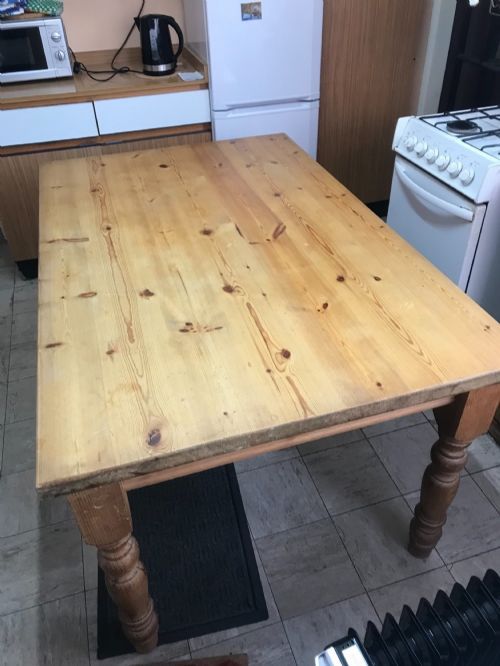
Solid pine farmhouse tables were built precisely for heavy daily labour in kitchens and dining spaces.
Their robust timber construction handles regular family life while accumulating a desirable patina over the decades.
What is a tilt-top table used for?
A tilt-top mechanism allowed historical owners to pivot the surface upright and push the table against a wall.
This saved considerable floor space in period rooms when dining was finished for the day.