
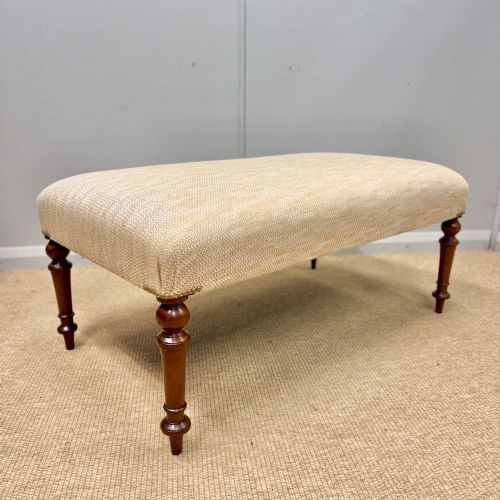
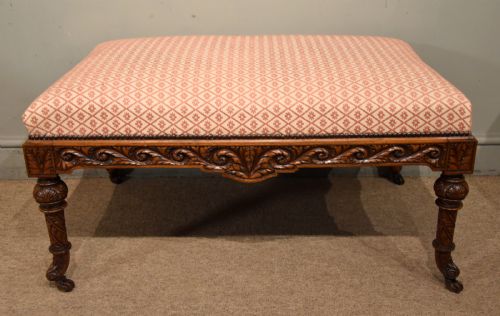
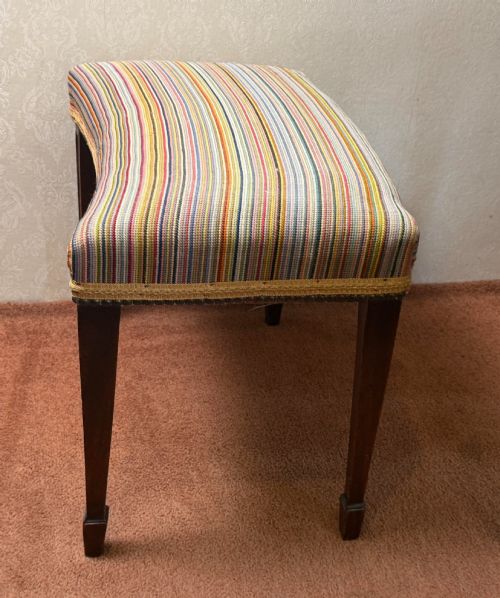
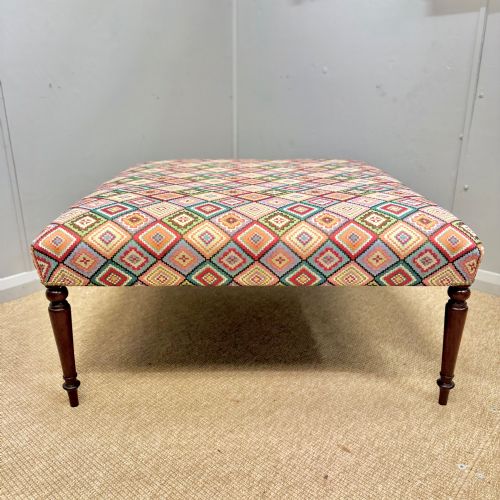




Rectangular Low Stool
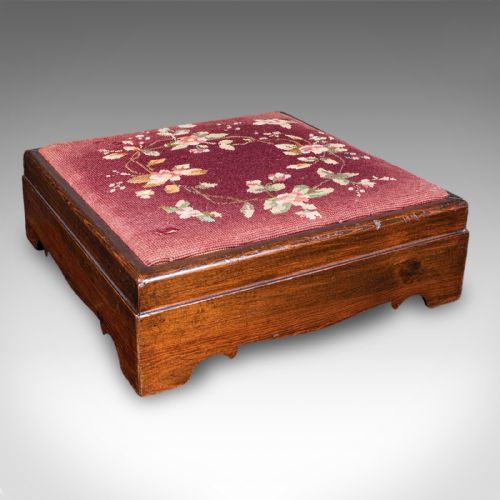
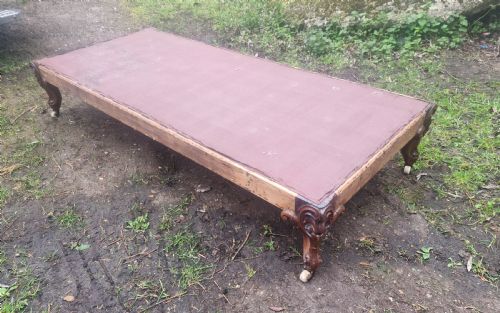
These rectangular low stool examples bring low-profile seating and foot support, spanning centuries of cabinet-making traditions.
Rectangular Low Stool
A rectangular low stool serves various domestic functions, appearing across periods from the eighteenth century through to the twentieth century as footstools, dressing table seats, and salon benches. You will frequently encounter nineteenth-century mahogany and rosewood examples alongside oak and walnut iterations.
Makers designed these items for fireside utility or bedroom dressing areas, often incorporating upholstered tops covered in fabric, tapestry, or wool. Styles range from plain English country house designs to ornate George III and Victorian revivals.
The selection includes cane and woven rattan variants alongside solid timber frames fitted with cross stretchers or brass castors. Proportions remain low to the ground, prioritising comfort and support for the feet or relaxed seating.
Materials and construction methods
Cabinet-makers relied on dense hardwoods such as mahogany, rosewood, oak, and walnut to build sturdy frames that withstand regular weight and movement. Joints were traditionally tenoned and pinned, ensuring structural integrity across decades of domestic use.
Upholstered versions combine internal webbing or padding with durable textiles, wool, tapestry, or newly applied fabrics. Wood surfaces received hand-rubbed finishes that highlight the natural grain of the timber.
Some nineteenth-century pieces come with castors ready to roll away from overly enthusiastic fireside heat.
Determinants of build quality
Superior examples display crisp carving on the timber frame, well-proportioned legs - such as square tapering or fluted supports - and tight joinery that remains rigid. The weight of the timber and the depth of the carving separate standard utilitarian seating from refined salon pieces.
Hardware additions like original brass castors or retained lift-out seats elevate the integrity of a piece. Finer items exhibit balanced proportions and thoughtful decorative elements like cross stretchers or aesthetic movement influences.
Howard and Sons·Gillows of Lancaster
The Rectangular Low Stool Glossary
- Cross stretcher
- An interconnecting length of timber running horizontally between the legs to provide structural stability. These are often shaped or turned for decorative effect.
- Brass castor
- A small swivelling wheel mounted in a brass housing attached to the base of a leg. It allows heavy wooden furniture to move smoothly across floor coverings.
- Cane seat
- A woven mesh surface created from split rattan or cane strips. This technique provides lightweight, flexible support for seating.
- Fireside stool
- A low stool designed specifically for placement near a hearth. They offer a comfortable height for warming the feet.
- Lift-out seat
- An upholstered drop-in frame that fits neatly into the wooden recess of the stool top. This construction simplifies reupholstering.
Rectangular Low Stool: Frequently Asked Questions
How were these stools used?
These pieces served multiple domestic purposes, primarily functioning as footstools by firesides or as low seats near dressing tables. Their modest height made them versatile additions to nineteenth-century parlours and bedrooms.
Over time, owners also utilised them as occasional seats or low benches for resting legs while seated in larger armchairs.
Are most of these stools upholstered?
Many examples feature upholstered tops covered in wool, tapestry, or modern fabric, though some variants utilise woven cane or rattan. Timber frames remain exposed around the edges, showing the grain of mahogany, oak, or rosewood.
Upholstery often dates from various restoration periods, ranging from recent fabric updates to older coverings.
How do I identify a Victorian piece?
Victorian examples frequently showcase denser timbers like rosewood or walnut, often enhanced with carved wooden details and sometimes mounted on brass castors. The presence of shaped frames and darker wood finishes points toward nineteenth-century production.
Design influences from this era also include salon-specific forms and sturdy oak seat stools built for heavy domestic use.
Can I use these on carpets?
Stools fitted with brass castors move easily across both carpets and hard floors, allowing for convenient repositioning by the hearth or dressing table. Frames resting directly on wooden feet stay stationary during use.
Consider the floor surface type when selecting a model with or without castors to protect your interior flooring.