






Reclaimed Wooden Cabinet
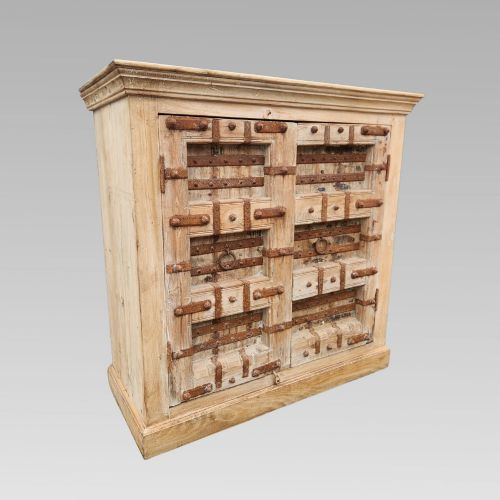
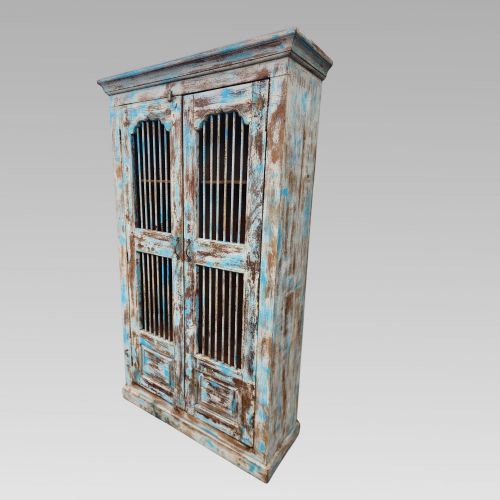
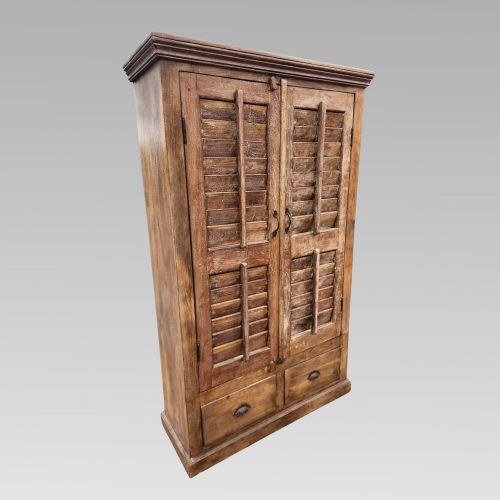
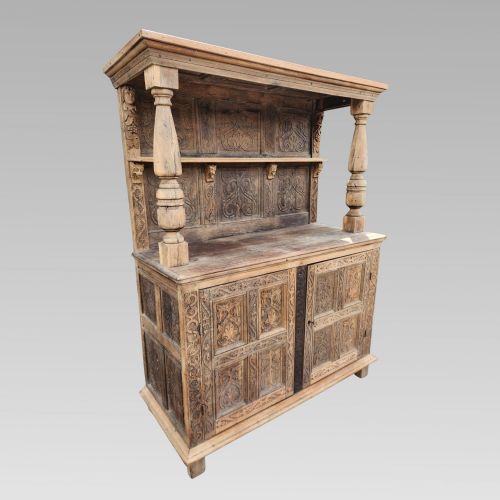
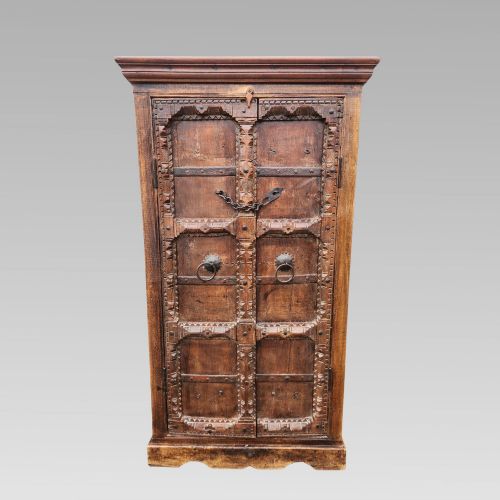
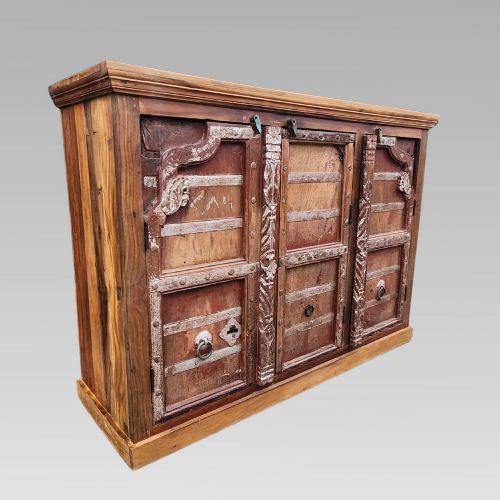
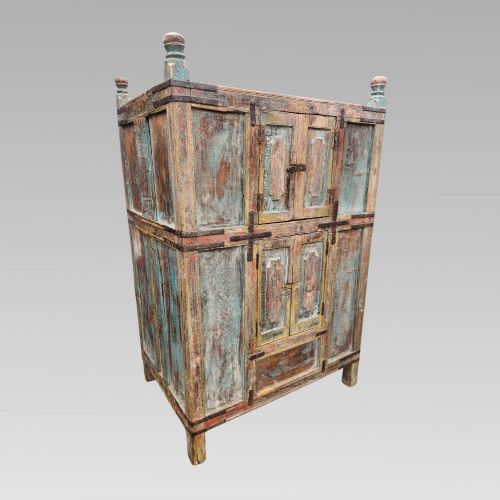
These reclaimed wooden cabinet examples bring history and character into a room through salvaged timbers and time-worn patinas.
Reclaimed Wooden Cabinet
A reclaimed wooden cabinet covers everything from Indian storage cupboards and almirahs to French sideboards, Swedish pine workbenches, and English dresser bases. These items emerge from various historical eras, including the eighteenth and nineteenth centuries, alongside pieces dated around nineteen-hundred and nineteen-thirty.
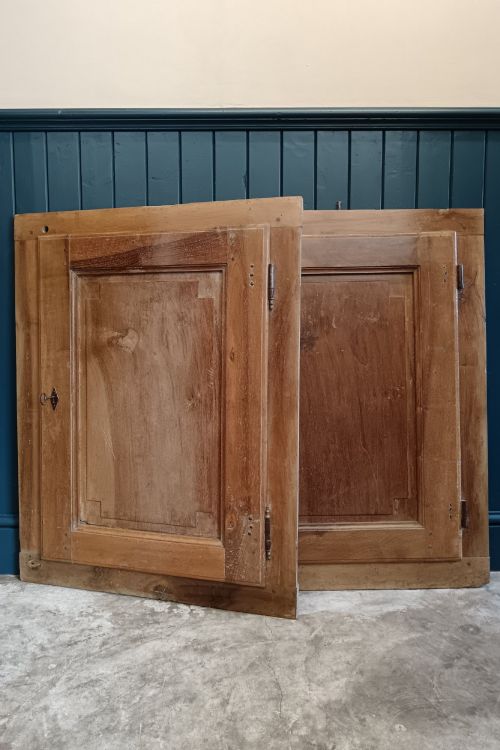
The selections span traditional and rustic Indian designs, French provincial and renaissance revival styles, Italian provincial work, and Scandinavian country forms. Buyers will frequently encounter storage cupboards, wardrobes, sideboards, and architectural salvage components such as paired doors.
Objects range from substantial painted pine drapers counters and waxed Victorian chests of drawers to rich teak and cedar storage units. Each item repurposes older materials to create functional storage with a distinct historical narrative.
Materials and Construction
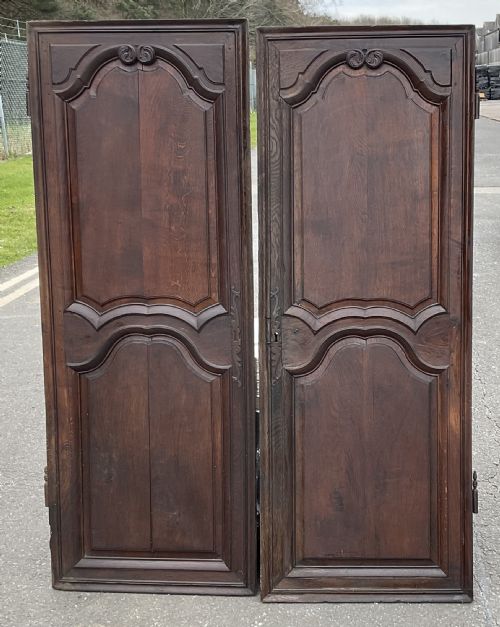
Construction relies heavily on robust timbers like pine, oak, walnut, and teak, often integrated with iron hardware and painted finishes. Artisans built these pieces using traditional joinery methods suited to the demands of domestic storage and workshop use.
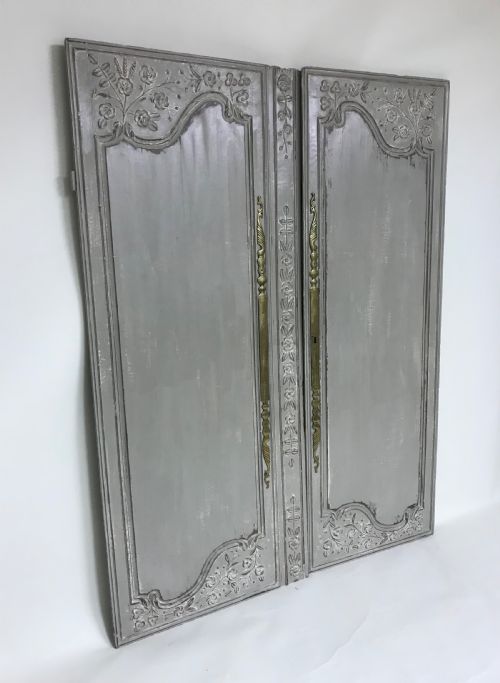
Many examples incorporate salvaged or repurposed elements, such as reclaimed cedar and teak utilised in Indian cupboards, or antique walnut architectural panels repurposed into doors and frames. Surface treatments vary from natural wax finishes to layered historical paintwork.
Reclaimed Wooden Cabinet Retail Price Guide 2026
Typical asking prices for reclaimed wooden cabinet among the pieces listed under this phrase on Sellingantiques today, from the lower quarter to the upper quarter. They describe what is for sale here now, not the wider market.
Several pieces retain layers of historic paint that hint at decades of domestic service before finding a second life as statement furniture.
Assessing Quality and Character
Quality rests in the integrity of the timber, the stability of the structure, and the preservation of original surface finishes like old paint or polished wax. Superior examples exhibit harmonious proportions and sound joinery despite decades or centuries of use.
The character of the patina sets finer pieces apart, where natural wear, grain depth, and honest signs of age enhance the visual appeal. Lesser items may lack the balanced integration of salvaged components or display unsympathetic modern alterations.
The Reclaimed Wooden Cabinet Glossary
- Almirah
- A freestanding cupboard or wardrobe, commonly found in Indian domestic architecture. These units typically feature heavy doors and internal shelving for storage.
- Drapers Counter
- A long retail counter traditionally used in fabric shops for displaying and measuring goods. These pieces usually feature banks of drawers or open shelving.
- Architectural Salvage
- Building elements such as doors, panels, and frames rescued from older structures for reuse in interior decoration or new construction.
- Buffet
- A sideboard or cabinet designed for storing and serving food. French variants often incorporate decorative carving and panel work characteristic of regional chateaux.
- Patina
- The surface sheen and coloration developed by wood and paint over long periods of handling, exposure, and age. This quality signals genuine historical depth.
Reclaimed Wooden Cabinet: Frequently Asked Questions
Where do reclaimed wooden cabinets originate?
The pieces originate from diverse geographic traditions, encompassing workshops and domestic spaces across India, France, Italy, Sweden, and England. Each region contributes distinct stylistic traits and native timbers to the overall selection.
Craftsmanship reflects local architectural vernaculars, ranging from robust Scandinavian pine workbenches to intricately detailed Indian teak almirahs and French chateau sideboards.
How can I tell the age of a cabinet?
Dating relies on examining construction techniques, tool marks, timber species, and the natural ageing of the surface finish. Older pieces often display hand-cut joinery and hardware appropriate to their specific century of manufacture.
Comparing the style of mouldings and panel construction against known historical periods helps narrow down the production era, supported by any surviving paint layers or wax patination.
How do I integrate a reclaimed cabinet into a room?
These versatile storage pieces function effectively as focal points in kitchens, living spaces, and hallways, providing practical storage while adding tactile warmth. Pairing a rustic timber cupboard with contemporary or traditional surroundings creates a balanced interior.
Consider the scale of the piece and the existing colour palette of the room to ensure the wood grain and painted finishes complement the surrounding space.
What maintenance do these cabinets require?
Routine care involves dusting with a soft cloth and occasionally applying appropriate natural waxes to nourish unpainted wooden surfaces. Avoiding direct sunlight and extreme humidity fluctuations protects the historic timber from warping or drying out.
Painted or waxed finishes benefit from gentle cleaning methods that preserve the original surface character without stripping away accumulated layers of historical patina.