





Ram Head Urns
Ram head urns bring classical neoclassical balance and sculptural livestock masks to interior surfaces.
Ram Head Urns
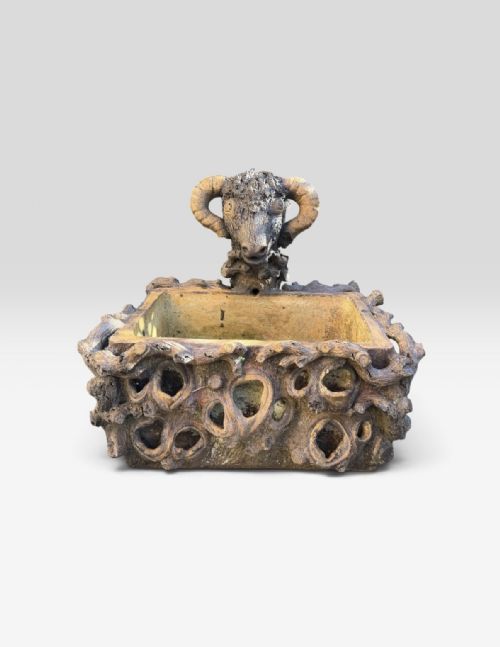
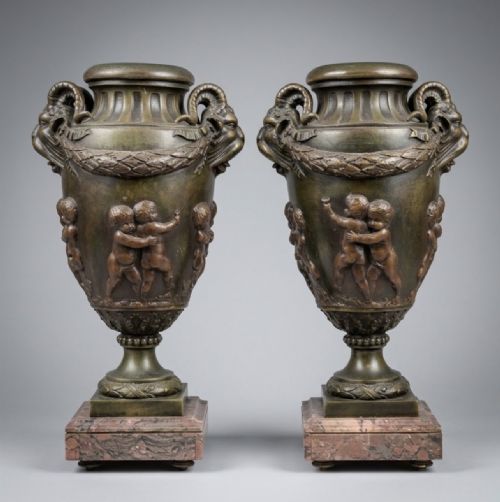
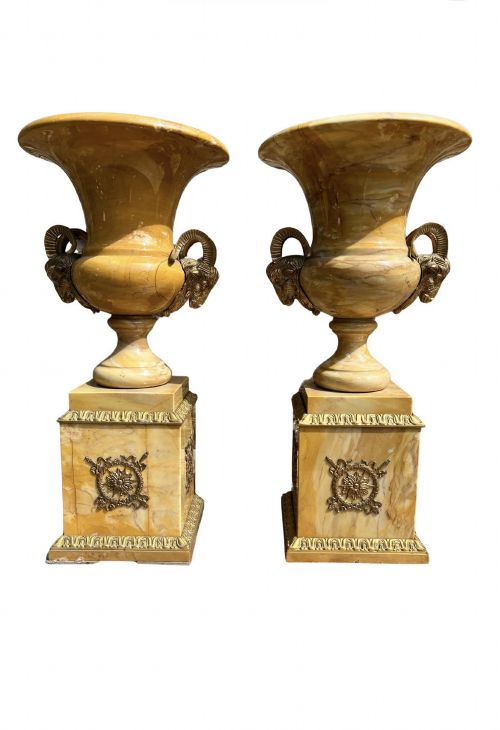
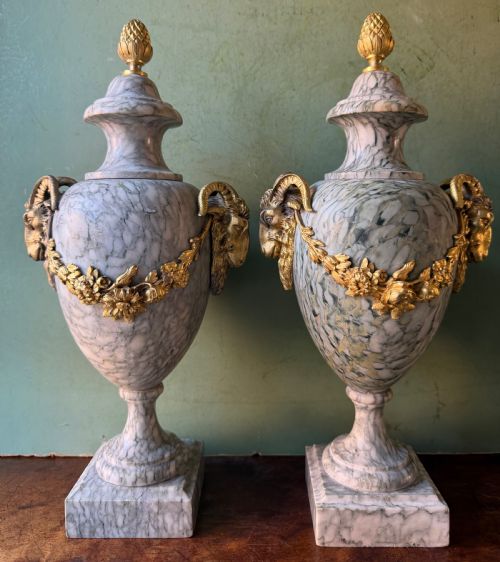
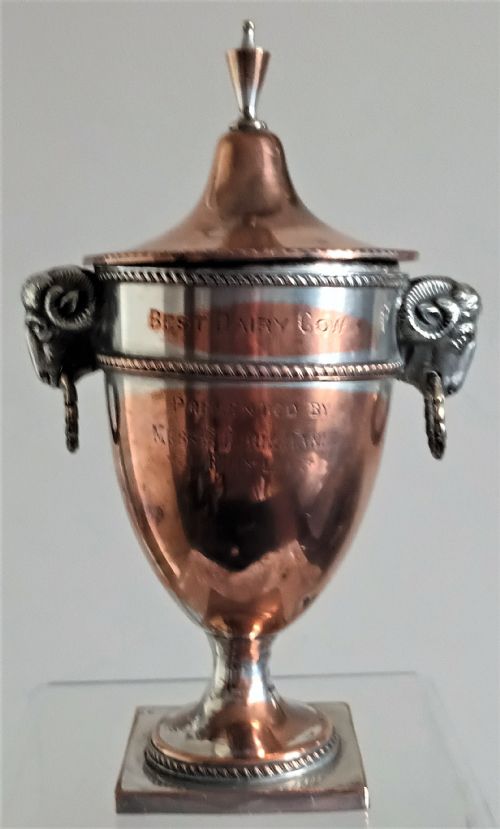
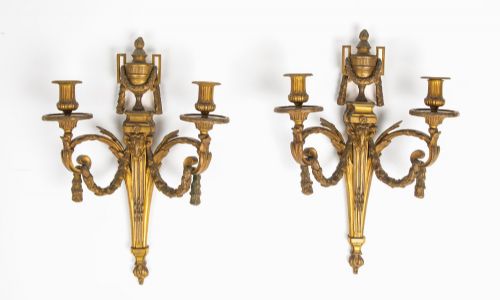
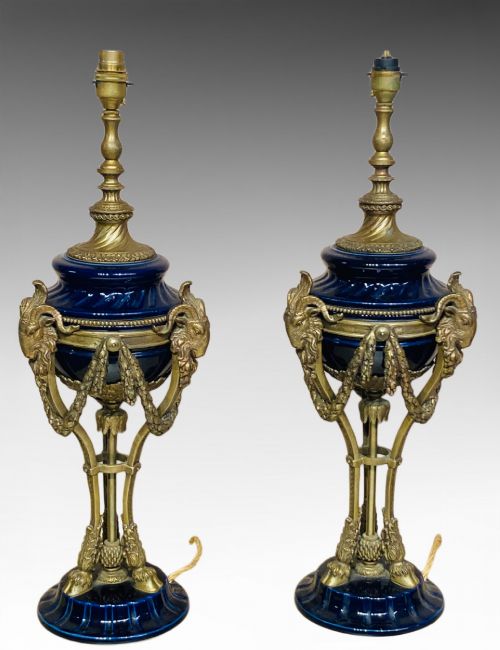
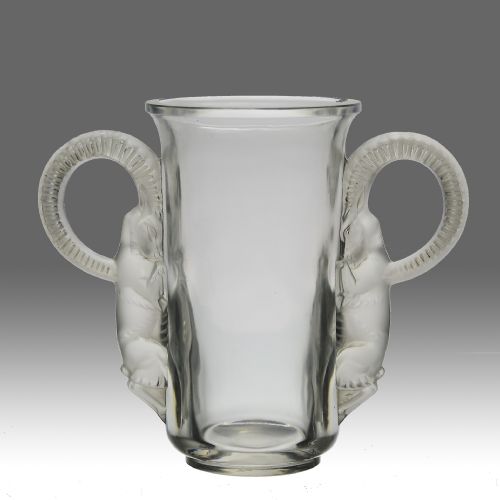
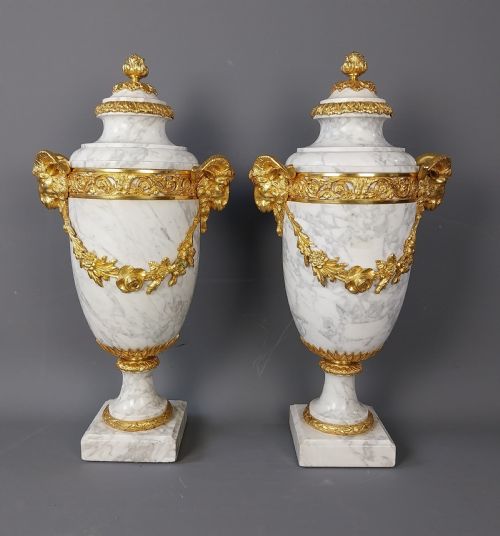
Ram head urns are decorative vessels and lighting supports adorned with sculpted horned ram masks as handles or mounts. These pieces draw heavily on eighteenth and nineteenth century neoclassical, Louis XVI, and Regency styles, echoing antique forms. They appear primarily as table lamps, cassolettes, mantel vases, and grand wine coolers.
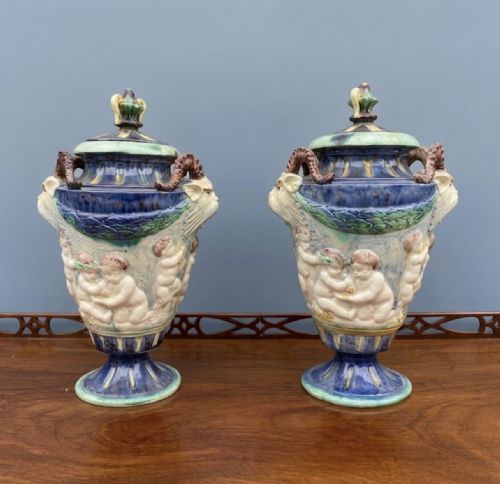
Buyers encounter examples spanning the eighteenth, nineteenth, and early twentieth centuries, produced in workshops across England, France, Italy, and Germany. Common configurations include pairs of decorative vases, table lamps fitted with silk shades, and lidded urns intended for prominent display on sideboards or mantelpieces. The scale ranges from miniature chestnut urns to monumental garden pieces in stone and lead.
The aesthetic leans towards symmetry and classical architectural restraint, occasionally incorporating French Empire or Rococo Revival flourishes. Materials alternate between heavy metals like gilt bronze and ormolu, various marbles, and moulded glass. Surviving items demonstrate how domestic interiors have integrated classical motifs for generations.
Markers of Quality
Quality rests upon the crispness of the cast ram head masks and the depth of hand-chasing on the surrounding bronze or ormolu mounts. Finer pieces display sharply defined horns, realistic fleece texture, and secure mechanical joints rather than simple surface adhesives. The choice and weight of the underlying stone or metal also dictate the tactile presence of the object.
In ceramic and glass versions, the richness of the glaze and the clarity of the moulded relief define the upper tier of execution. Balanced proportions between the vessel body and the applied animal handles distinguish superior design from utilitarian production.
Ram Head Urns Retail Price Guide 2026
Typical asking prices for ram head urns among the pieces listed under this phrase on Sellingantiques today, from the lower quarter to the upper quarter. They describe what is for sale here now, not the wider market.
Listings feature items from the eighteenth century up through the nineteen-forties, spanning Neoclassical, Art Deco, and Victorian aesthetic movements.
Goldsmiths and Silversmiths Co·R Lalique·Coalport·Berlin
The Ram Head Urns Glossary
- Ormolu
- Gilded bronze, typically produced using a mercury amalgamation process on cast brass or bronze. This finish yields a warm, lasting golden sheen characteristic of French decorative arts.
- Cassolette
- A decorative vessel designed to serve as a vase or a perfume burner, often featuring a reversible lid. These pieces frequently incorporate ram head handles on classical pedestals.
- Neoclassical
- An artistic movement reviving the architectural and decorative forms of ancient Greece and Rome. This style dominates the design vocabulary of these urns.
- Terracotta
- Fired unglazed clay possessing a porous red-brown body. It appears in heavier garden and architectural vessels.
- Old Sheffield Plate
- A composite material formed by fusing a thin sheet of silver to a thicker copper core. This technique predates modern electroplating.
Ram Head Urns: Frequently Asked Questions
What were ram head urns used for?
These vessels originally functioned as ornamental display pieces, wine coolers, or perfume burners in grand domestic interiors. Their classical shape referenced ancient sacrificial altars and funerary urns.
Over time, many surviving examples were later converted into functional table lamps or wall sconces while retaining their traditional sculptural hardware.
How do I date a ram head urn?
Dating relies on identifying the underlying material composition, manufacturing techniques, and stylistic markers such as Louis XVI or Art Deco proportions. Eighteenth and nineteenth-century examples typically feature hand-chased bronze, heavy ormolu, and natural marble.
Twentieth-century iterations shift towards pressed opalescent glass, simplified brass mounts, or distinct twentieth-century ceramic bodies.
Where should I display a ram head urn?
These pieces suit prominent flat surfaces where their vertical proportions and detailed metal mounts can be fully appreciated. Mantelpieces, entrance hall consoles, and dining room sideboards provide traditional settings.
Paired examples work well framing a mirror or fireplace, creating a balanced focal point within a room.
Are ram head urns fragile?
Durability depends entirely on the primary material, with heavy cast bronze, brass, and stone examples offering robust structural stability. Glass, ceramic, and terracotta variants demand careful handling to prevent chipping along fragile relief elements.
Applied ormolu mounts and delicate handles should be supported directly when moving any piece.