
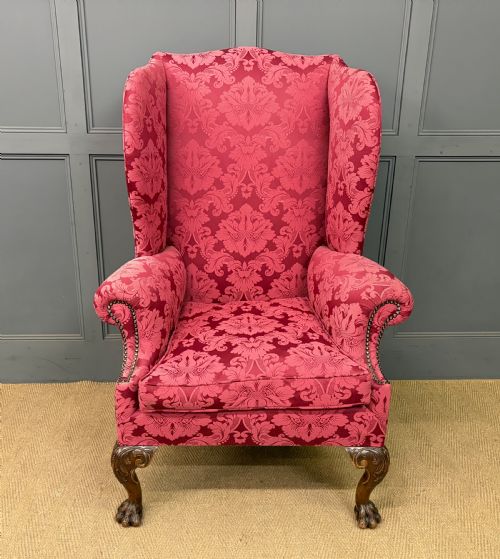


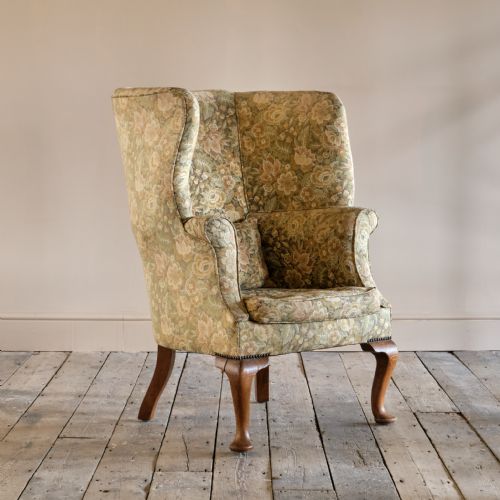


Queen Anne Wing Armchair
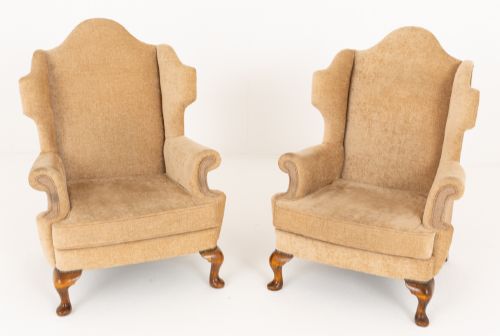
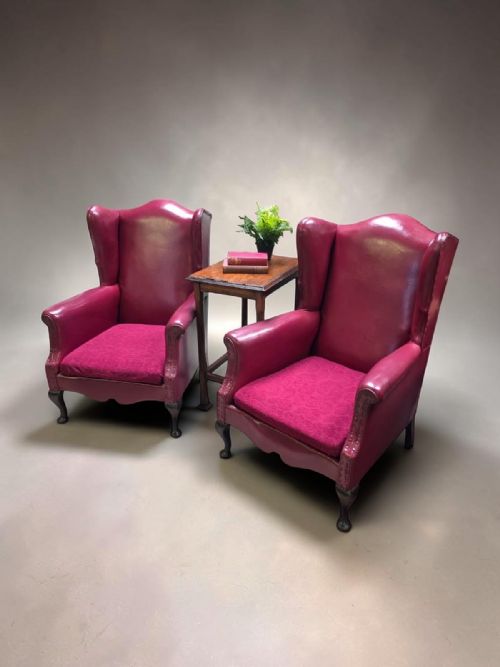
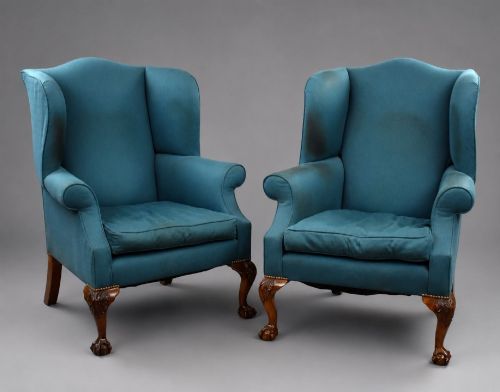
The queen anne wing armchair offers deep-seated comfort with tall protective sides, bringing timeless proportion and draught-excluding warmth to a sitting room.
Assessing Standard and Proportion
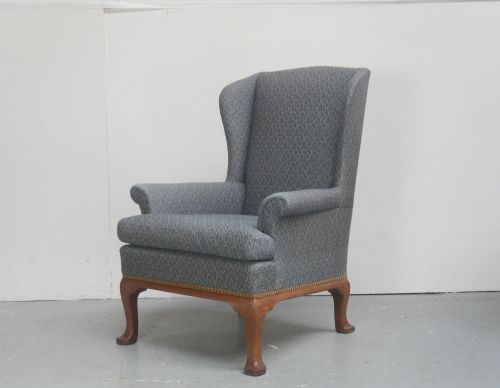
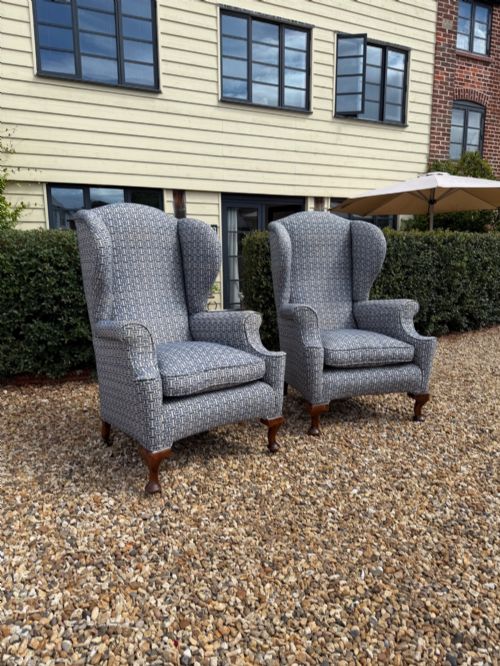
The harmony of the wing profile and the sweep of the upholstered arms dictate the visual balance of the seating piece.
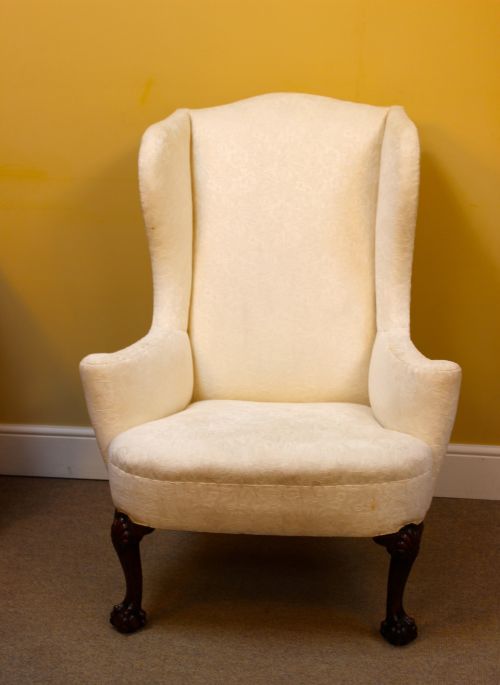
Frame integrity and the crispness of the cabriole leg carving distinguish standard revival workshop production from finer historic joinery.
Whytock and Reid
The Queen Anne Wing Armchair Glossary
- Cabriole leg
- A furniture leg that bends outward in a convex curve and tapers inward in a concave curve, often ending in a pad or claw foot. This design is typical of eighteenth-century seating.
- Wingback
- An upholstered chair style featuring protective flaps attached to the back and armrests. These extensions originally served to trap heat and block room draughts.
- Barrel back
- A seating form featuring a continuous semicircular upholstered back that curves forward into the arms. It creates an enclosed, cocoon-like seating position.
- Fireside chair
- A low-slung or standard armchair specifically proportioned for placement near a hearth. Such chairs prioritize comfort and warmth during colder months.
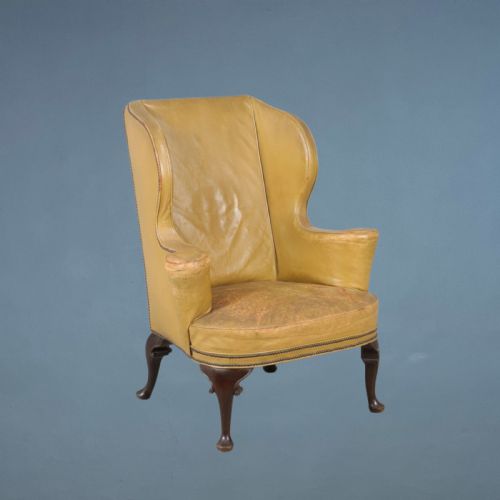
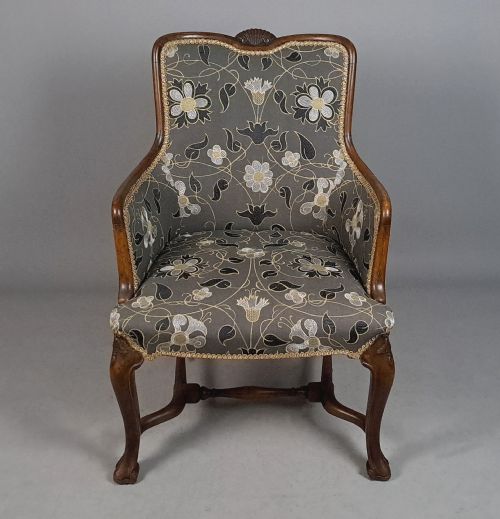
Listings feature walnut and mahogany frames alongside upholstery in textile, leather, and hide across multiple centuries.
Queen Anne Wing Armchair: Frequently Asked Questions
What is a queen anne wing armchair?
A queen anne wing armchair is a high-backed upholstered seat featuring lateral wings designed to keep the sitter warm by blocking draughts.
The style originated in the early eighteenth century and remains popular for its distinctive silhouette and deep comfort.
Where should I place this chair?
These armchairs suit traditional sitting rooms, libraries, or studies, ideally positioned near a fireplace or in a quiet reading corner.
Their substantial profile requires adequate floor space to let the curved legs and wings stand out.
What fabrics were originally used?
Period seating utilised heavy textiles, woven tapestries, needlework, and durable leathers to withstand daily fireside use.
Many surviving pieces have undergone re-upholstery over the decades using complementary traditional or vintage materials.