
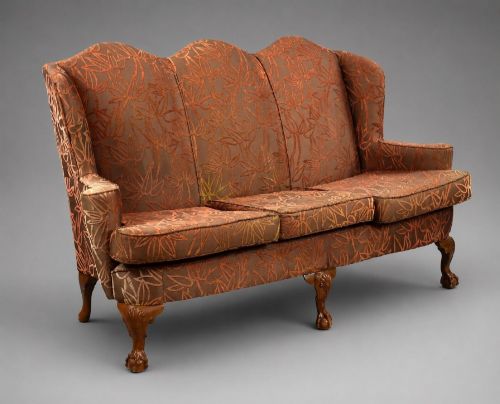


Queen Anne Style Sofa
These queen anne style sofa pieces bring walnut frames and elegant upholstery into a room.
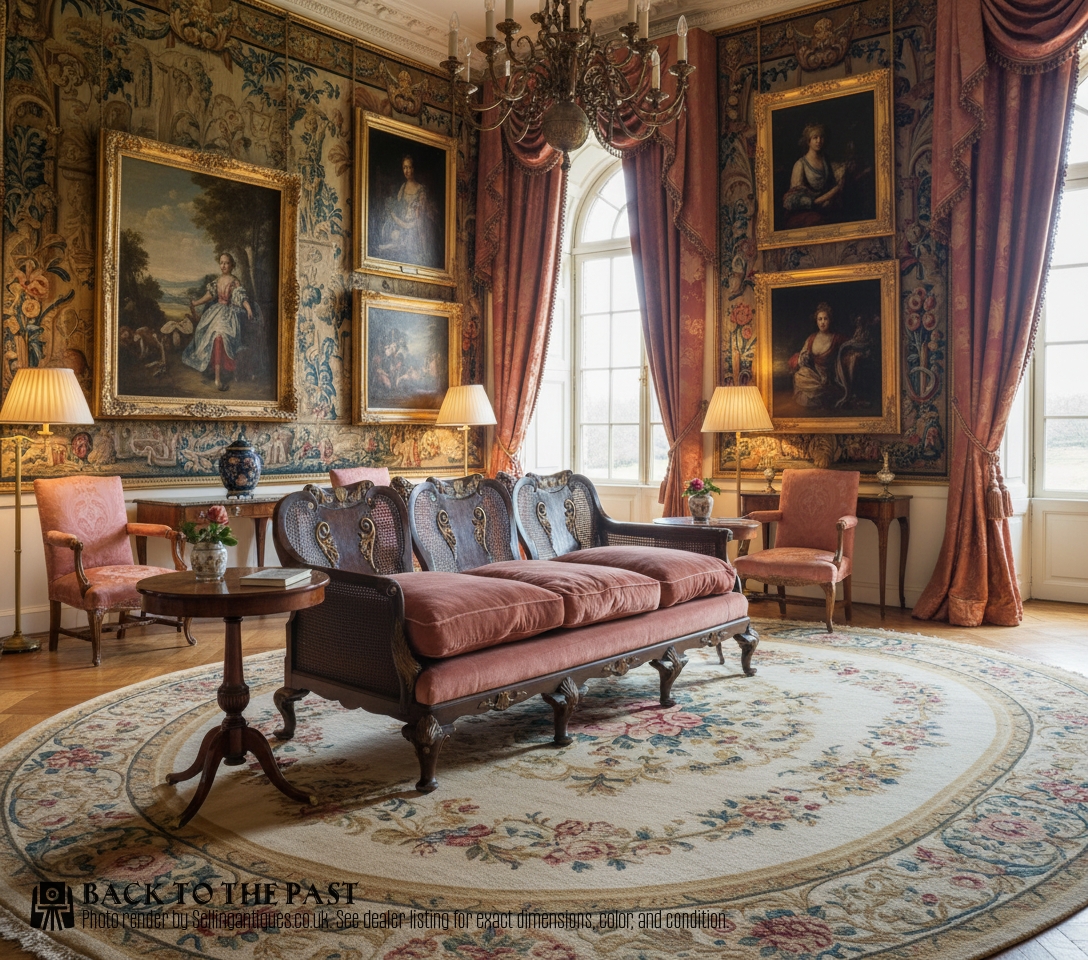
Queen Anne Style Sofa
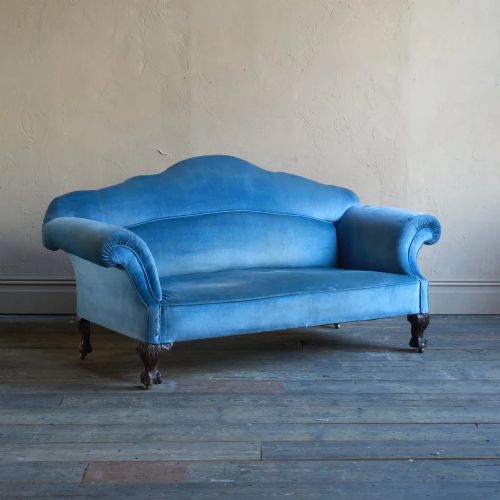
A queen anne style sofa sits on walnut frames, often featuring shaped woodwork and substantial seating capacity ranging from two-seater settees to larger three-seat designs. These pieces span from the late nineteenth century through the early decades of the twentieth century, including Edwardian interpretations and revival periods.
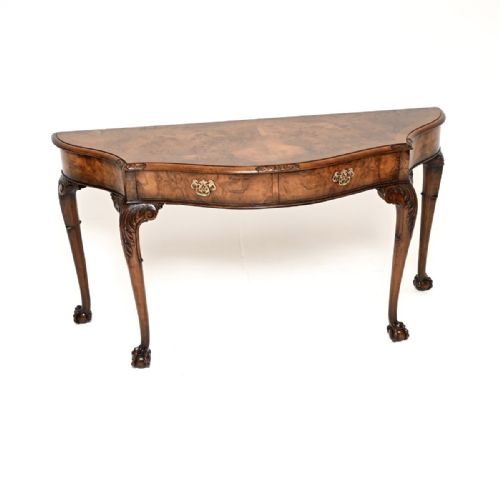
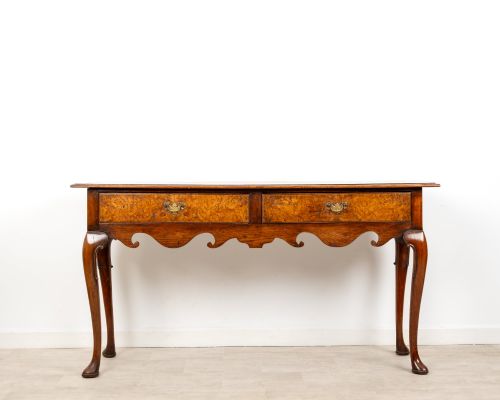
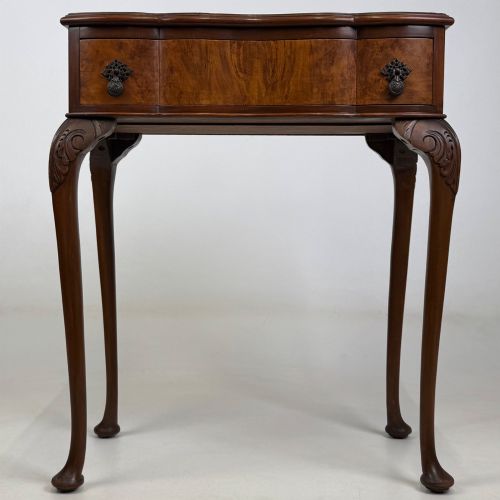
The selection encompasses camel back shapes, winged silhouettes, and two chair back configurations. Alongside conventional sofas, the listings occasionally include related seating and occasional tables that share the same design vocabulary.
Makers of this era focused on recreating earlier proportions while adapting comfort for twentieth-century interiors. Walnut and burr walnut dominate the woodwork, paired with various upholstery fabrics and velvet.
Judging quality in these furnishings
Quality rests in the depth of figure within the walnut timber and the crispness of any carved detail on the frame. Better examples display carefully matched burr veneers and well-proportioned cabriole legs.
The integrity of the frame construction and the success of the revival proportions dictate the standing of an individual piece. Superior execution avoids heavy-handed shaping in favour of balanced lines and clean joinery.
Some settees manage to disguise their serious walnut frames beneath surprisingly jaunty japanned surfaces.
The Queen Anne Style Sofa Glossary
- Cabriole leg
- A furniture leg that curves outward and then tapers inward, mimicking an animal's limb. This form is central to the appearance of these seats.
- Burr walnut
- A wood veneer taken from the warted growths of walnut trees, showing intricate swirling grain patterns. It appears frequently on the associated tables and frames.
- Camel back
- A sofa back featuring a graceful, undulating serpentine curve resembling a camel's hump. This profile provides both visual interest and lumbar support.
- Japanned
- A European imitation of East Asian lacquerwork, created using layered varnishes and often applied to decorative furniture of this era.
- Bergere
- An enclosed armchair or sofa with upholstered sides set into a wooden frame, usually cane or fabric lined.
Queen Anne Style Sofa: Frequently Asked Questions
How do I date a queen anne style sofa?
Dating relies on timber choice, construction methods, and stylistic cues recorded across the Edwardian period and early twentieth century. Pieces from this era often blend revival aesthetics with contemporary upholstery techniques.
Examining the secondary woods and the style of the carving helps separate nineteenth-century examples from later 1930s interpretations.
What materials are used in these sofas?
Walnut and burr walnut form the primary visible wooden elements across the frames and associated side tables. Upholstery fabrics, velvet, and occasionally brass details complete the construction.
Secondary timbers like mahogany support the internal structures beneath the visible show-wood.
Where were these pieces made?
The furniture originates primarily from British workshops working during the late nineteenth and early twentieth centuries. These makers specialised in revival styles inspired by earlier furniture traditions.
Regional cabinet makers and larger firms both contributed to the output seen in the archive.
How should I care for a walnut frame?
Walnut frames require placement away from direct sunlight and excessive heat sources to prevent the wood and veneer from drying out. Regular dusting with a soft, dry cloth preserves the finish.
Occasional application of suitable furniture wax maintains the lustre of the burr walnut surfaces.