


Queen Anne Slant Front Bureau
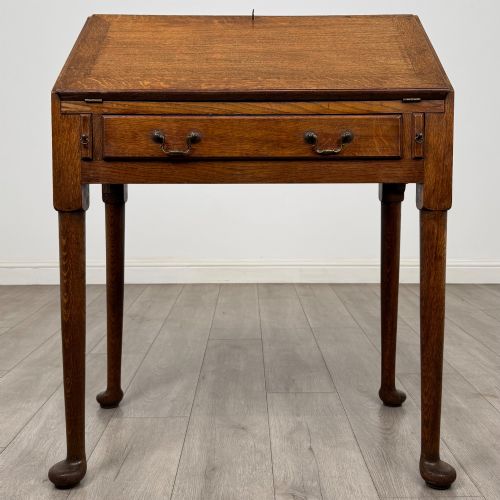
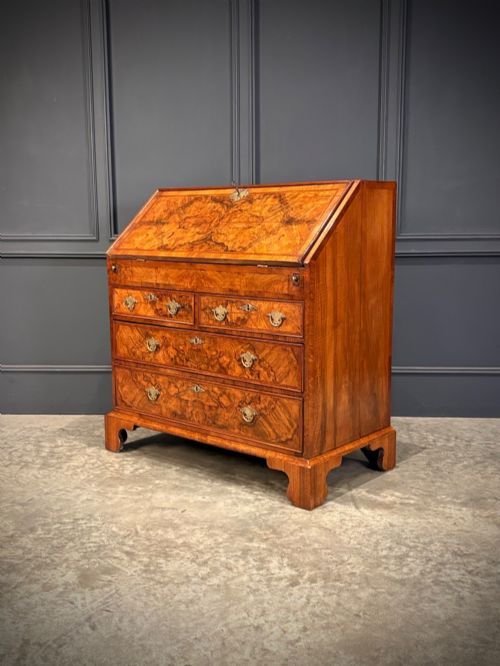
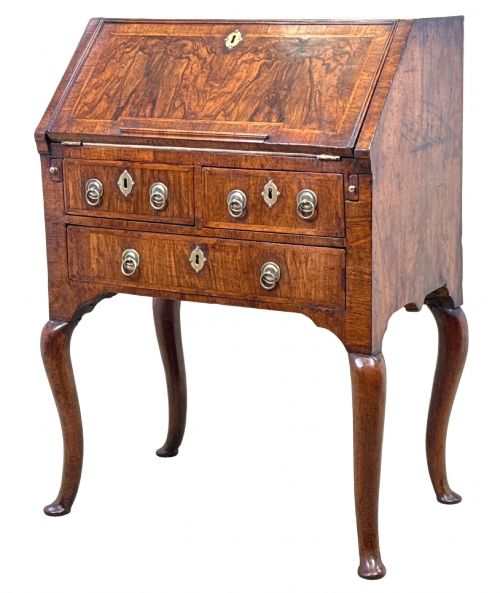
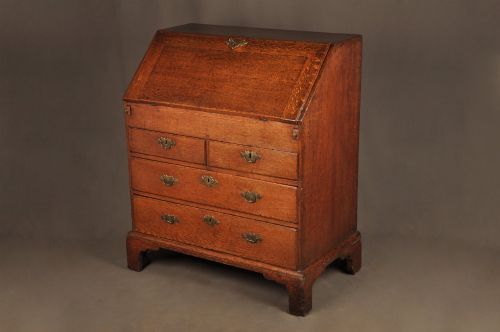
A queen anne slant front bureau brings functional writing space together with figured timber and fitted interior drawers.
Queen Anne Slant Front Bureau
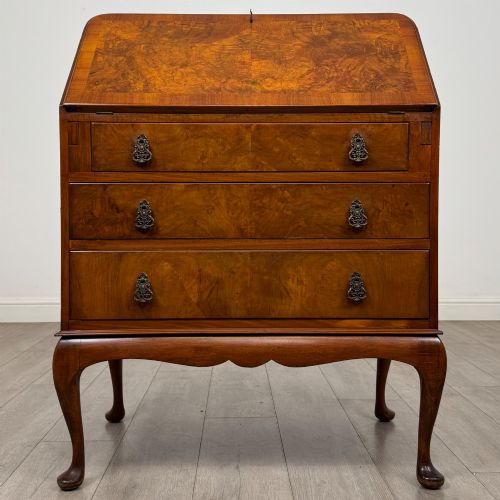
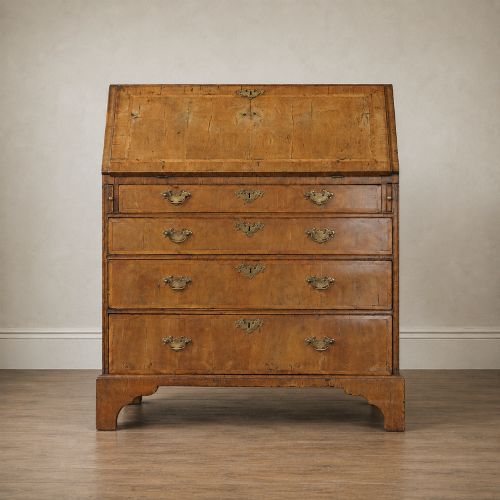
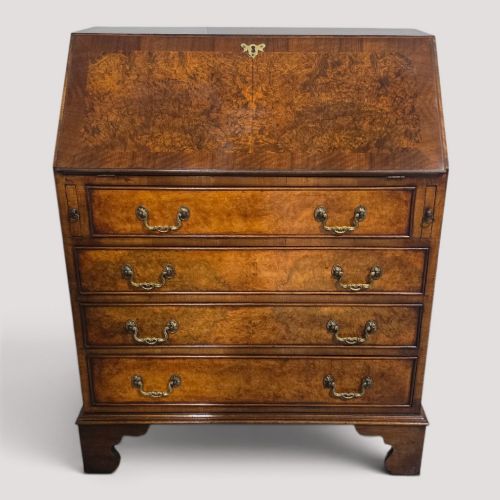
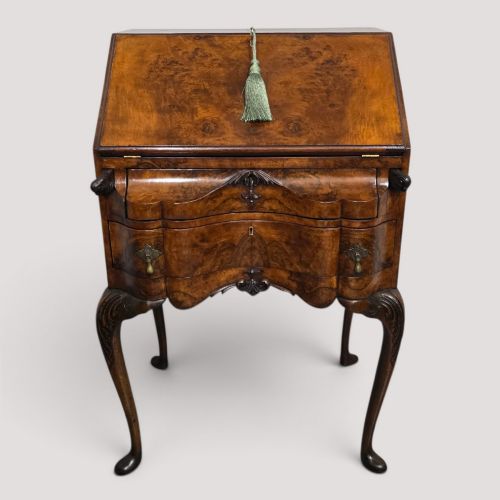
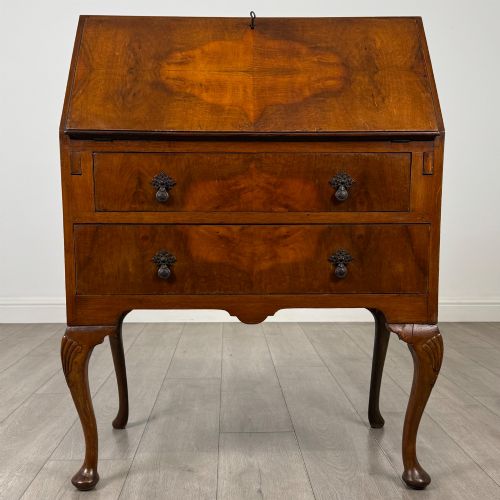
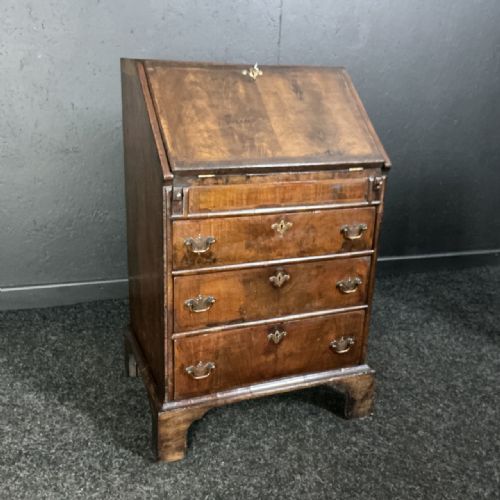
A queen anne slant front bureau combines a sloping fall-front writing flap with internal pigeonholes and small drawers, resting either upon a chest of drawers or a dedicated stand. The form developed significantly around the turn of the eighteenth century, balancing domestic utility with architectural presence.
Most examples found here date from the eighteenth century or belong to later revival periods such as the Edwardian era and the nineteen-twenties. These later interpretations often replicate the distinctive proportions and compact footprint of earlier pieces.
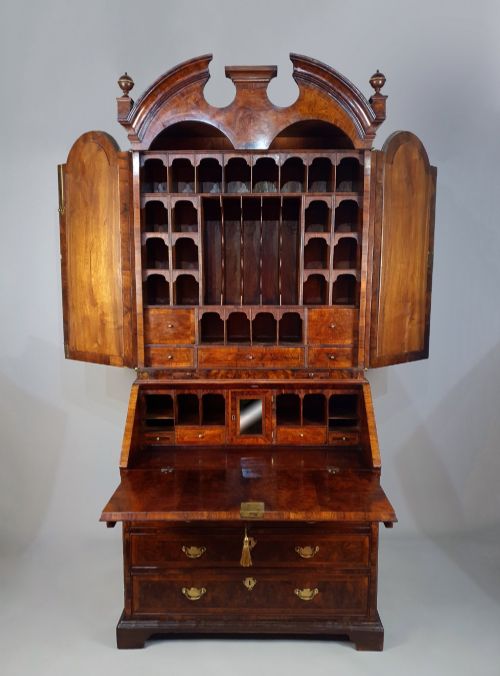
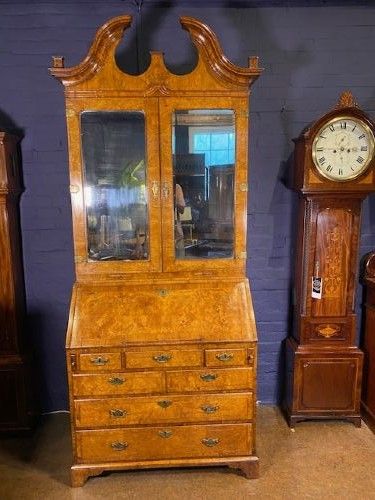
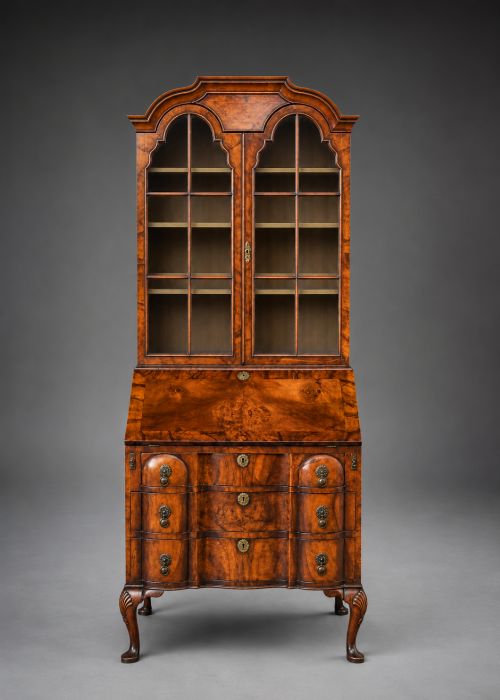
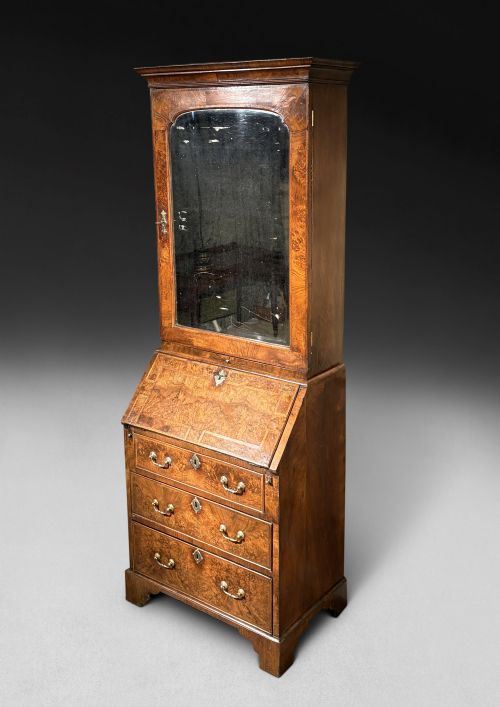
Forms vary between simple slant-front desks and taller bureau bookcases featuring glazed or panelled upper doors. The configuration of internal compartments and the presence of secret drawers define the character of individual pieces.
Distinguishing quality and craftsmanship
The choice of timber grain determines much of the visual impact, with highly figured burr walnut or burr elm commanding greater attention than plain surfaces. The skill with which veneers match across the fall-front and drawer faces separates standard cabinetwork from finer output.
Proportion and untouched patination dictate the desirability of a piece. Original brasses, consistent timber shrinkage, and intact internal fittings indicate an authentic survival rather than a heavily restored example.
Listings feature walnut, burr walnut, oak, elm, and yew wood across eighteenth-century and revival periods.
The Queen Anne Slant Front Bureau Glossary
- Fall-front
- The hinged sloping panel that drops forward to serve as a writing surface. It conceals the internal compartments and supports when closed.
- Bureau bookcase
- A two-part furniture form comprising a slant-front desk base surmounted by a glazed or panelled storage cabinet for books.
- Burr walnut
- Timber taken from the abnormal growth of a walnut tree, yielding intricate, swirling grain patterns highly prized for cabinet veneers.
- Crossbanding
- A narrow strip of veneer applied to the border of a furniture panel, with the grain running perpendicular to the main surface.
- Pigeonhole
- A small, open compartment within the desk interior used for sorting letters and documents.
Queen Anne Slant Front Bureau: Frequently Asked Questions
What is a slant front bureau?
A slant front bureau is a writing desk featuring a hinged, angled flap that opens to reveal a fitted interior of small drawers and pigeonholes.
Beneath the writing surface, multiple drawers provide substantial storage for papers and personal items.
How do I date a walnut bureau?
Dating relies on examining construction techniques, timber choice, and hardware styles. Eighteenth-century pieces typically feature hand-cut dovetails and native woods like oak or solid walnut.
Revival pieces from the Edwardian period or the nineteen-twenties often display different secondary timbers and modern machining marks inside the drawers.
Are these desks suitable for daily use?
These desks function well for modern writing and laptop use, provided the fall-front support stays are sturdy. The interior compartments remain practical for organising stationery.
Care should be taken to protect the historic polished wooden surfaces from moisture and heavy impacts.
What is the difference between a bureau and a bureau bookcase?
A standard bureau consists of the desk base alone, often with drawers extending to the floor or resting on a low stand. A bureau bookcase adds a taller upper cabinet with doors for displaying volumes.
Both utilise the characteristic sloping writing flap as their primary design feature.